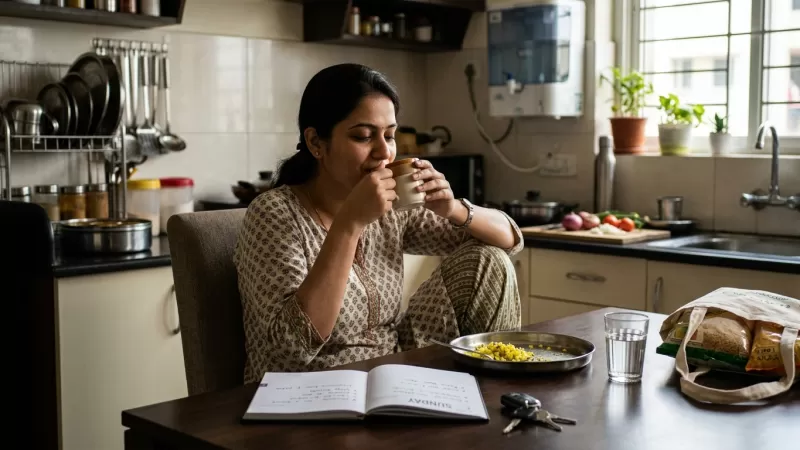
Most of us know the feeling: you wake up, check your phone, start the morning rush, get everyone ready, juggle work or household duties, respond to messages, and before you know it, it’s dinner time—again. Yet, with all this movement, there’s a hollow sense that something important is missing. If you often find yourself thinking, “I’m so busy, but why do I feel so empty?”—you’re not alone. Many families quietly deal with this. The good news? Restoring meaning to your days doesn’t need grand changes or extra burdens. Sometimes, it just means gently reworking how we move through our routine, one small piece at a time.
Why Do Busy Days Feel So Empty?
In Indian homes, it’s common for the whole day to be packed. From early chai to late night WhatsApp forwards, there’s hardly a moment’s pause. Still, people often admit to feeling unsatisfied at the end of it all. Why is that?
One reason is that every moment gets filled with tasks, but very little is allowed to simply be. We’re always doing, rarely noticing. The heart and mind don’t get much space to catch up. Many of us, whether we’re homemakers, professionals, or seniors, end up moving from one thing to the next without leaving any room for meaning to slip in.
It’s not that activity is wrong. In fact, being useful and productive is deeply satisfying—when it’s paced in a way that lets you actually experience it. The tricky part is, modern life in India has become so fast and distracted that we’ve forgotten this pacing. And that’s usually where the emptiness comes from.
Start with Gentle Pauses, Not Major Changes
Here’s something many people overlook: you don’t have to overhaul your life to restore meaning. Sometimes, it’s about adding gentle pauses here and there. These pauses give you a chance to actually notice and appreciate what you’re doing—even if it’s just cutting vegetables or waiting for the dal to boil.
Try this: Before starting a new task, take a single slow breath. Notice what your hands are doing. If you’re making tea, watch the steam. If you’re folding clothes, feel the fabric. It sounds simple, maybe even silly, but these small pauses actually help your mind settle and notice your own day.
It won’t feel magical right away. But over time, these little moments of awareness can slowly bring a sense of meaning back, making even the busiest days feel a bit more connected to your own life.
Rethink the To-Do List: Less is Sometimes More
Many Indians love a good list—groceries, office work, festival chores, you name it. Lists help, but they can also become a trap if they’re too long or unrealistic.
Here’s a gentle idea: Each morning, pick just one or two things that truly matter to you that day. Maybe it’s calling an old friend, finishing a small work project, or simply making a special sabzi for the family. Let the rest go if you can. The point isn’t to ignore responsibilities, but to allow yourself to actually feel satisfied by finishing what is important, instead of just ticking boxes.
- Choose one meaningful task per day (not ten).
- Value small wins, like a tidy corner or a shared laugh.
- Let go of the pressure to be endlessly productive.
These days, with so many expectations—family, work, society—it’s easy to feel like you’re never doing enough. But often, the real satisfaction comes from doing a few things well and with presence, rather than trying to do everything at once.
Make Space for What Actually Matters to You
Meaning tends to grow in the small corners of our lives—often in the things that genuinely matter to us, even if they don’t look impressive to others. Sometimes it’s a prayer after breakfast, a quiet walk to the local kirana shop, or spending ten minutes listening to your child talk about their day.
These moments are easy to miss, especially when everyone is busy. But they’re worth making space for. If you’re not sure what matters to you, think back—what little things used to make you smile, even as a child? Is there a song, a small ritual, or a hobby you’ve forgotten?
Try to add just one such moment into your regular day. It could be as simple as sitting outside for five minutes after dinner or keeping a plant on your windowsill. It doesn’t have to be productive; it just has to feel real to you.
Don’t Compare Your Routine with Others
In today’s world, it’s easy to look at others—on social media, in your building, or among relatives—and feel like they’re managing better, doing more, or leading more meaningful lives. Many people feel quietly inadequate because of this, especially during festivals or family gatherings. Here’s the catch: most people only show their best moments.
Your life, your family, and your routine are unique. What brings meaning to one person may not work for another. A joint family in Lucknow will have a different rhythm than a nuclear family in Pune. And that’s perfectly fine.
Instead of copying someone else’s routine, notice which parts of your own day feel good, and which feel forced or hollow. Tweak gently, according to your own rhythm, not someone else’s highlight reel.
Restore Meaning Through Shared Moments
It’s easy to get caught up in individual tasks and forget the quiet power of doing things together. In many Indian homes, mealtimes, evening tea, or even folding clothes can become small chances for connection. These moments don’t need to be fancy or planned—just shared.
If you live with family, try to sit together for at least one meal, or share a cup of chai without screens. Even just ten minutes can make a difference. For those living alone, maybe call a friend during evening walks, or join a neighbour for a quick chat near the lift.
Sometimes, it’s these small, everyday connections that remind us of our place in the world—giving even ordinary routines a sense of belonging and comfort.
Accept That Some Days Will Still Feel Empty
No matter what tips or routines you try, there will always be days that just feel flat or unfulfilling. That’s normal. Everyone has them, even if they don’t talk about it. On such days, be gentle with yourself. Do what you can, and don’t force yourself to “find meaning” if it isn’t there.
Sometimes, just getting through the day is enough. You don’t have to be inspired or deeply satisfied all the time. Allowing yourself to feel tired, bored, or low is part of being human. And often, these quiet, less satisfying days make the meaningful ones stand out even more.
It’s okay to simply rest.
Slow Down at Natural Pauses—Not Just at Night
We’re often told to relax only at the end of the day, but most people are too exhausted by then. Instead, notice if there are natural pauses in your daily routine—waiting for the cooker’s whistle, a gap between calls, the few minutes after the kids leave for school. Use these little breaks to just sit, stretch, or even close your eyes for a bit.
These mini-pauses can act like pockets of calm in an otherwise busy day, and you don’t need any special skill or equipment. Many people find that these short breaks help them return to their routine feeling a bit more grounded and less overwhelmed.
Meaning doesn’t always arrive in big, planned moments. Sometimes, it slips in quietly during these small pauses, if you let it.
Let Go of Toxic Productivity Pressure
In recent years, there’s been a lot of talk—especially online—about hustling, optimizing, and always improving yourself. While it’s good to care about your own growth, too much of this can make you feel like you’re never enough. That’s not only unrealistic, but also tiring.
Real life in India isn’t always smooth. There are power cuts, traffic jams, unexpected guests, and days when nothing goes as planned. Instead of pushing yourself to “make every moment count,” try allowing some moments to just be ordinary. It’s okay for some tasks to remain undone, and for some days to be plain.
After all, meaning comes from living—not just from achieving. And sometimes, the most meaningful days are the ones where you simply notice the small joys hidden in your everyday routine.