In many Indian homes these days, adults who feel bone-tired by 9pm often find real sleep remains out of reach. Better sleep habits in India aren't just about clocking enough hours in bed—it's about what happens in the hours before you even try to drift off. The mind is still chasing after the unfinished to-do list, even as the body lies down, hoping for rest.
You might notice this after a particularly long day, when you nod off in the living room during the late news, only to lie awake staring at the ceiling once you shift to your bed. Or maybe you spend the day juggling work calls, cooking, and checking homework, then finally get into bed and replay a tense conversation from the morning over and over. For many, it feels like the night is just an extension of the day—never truly a break.
Why Exhaustion Does Not Guarantee Good Sleep in Indian Homes
In households across India, pure physical exhaustion doesn’t always translate into restful nights. Yes, your body aches and your eyelids feel heavy, but true rest comes when both mind and body get a chance to wind down together. This can be tricky in homes where late-night chores, WhatsApp messages from work, and the TV blaring until midnight are common.
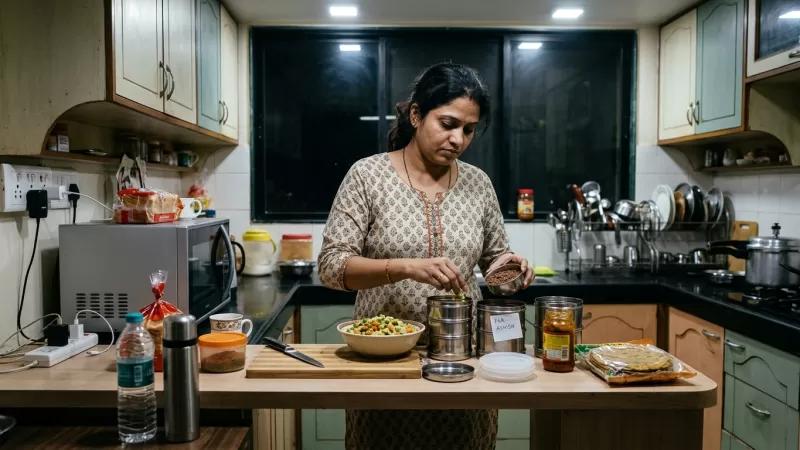
Often, adults believe that being tired all day should mean falling asleep the moment their head hits the pillow. But this isn’t how sleep works for most. The hours before bed in many Indian homes are packed—clearing up after dinner, prepping tiffins, finishing up office emails, maybe catching the last few scenes of a serial. Even after you lie down, that mental activity keeps humming. The body is horizontal, but the mind is still vertical—alert, thinking, planning.
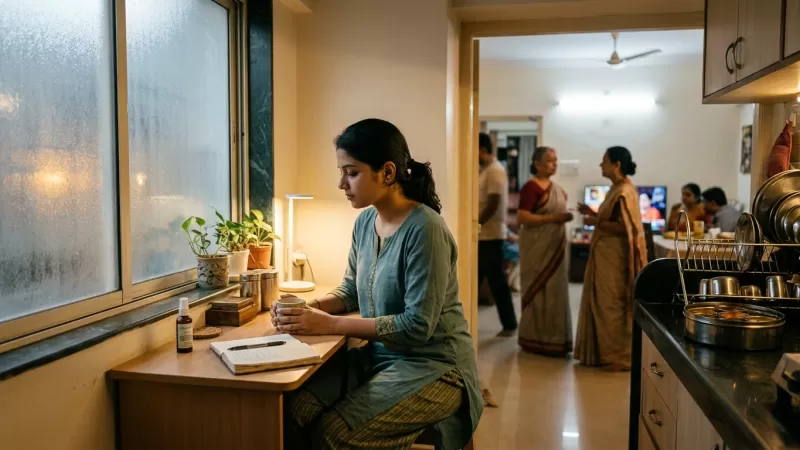
There’s also the household rhythm to consider. In joint families, the day winds down late. Dinner might happen after 9:30pm. Kids’ homework stretches into the night. For working professionals, especially those in metros like Mumbai, Bengaluru, or Delhi, the commute or late meetings mean winding down even later. The gap between finishing the day’s tasks and actually getting to sleep is squeezed thin.
So it’s common to feel exhausted but still sleep poorly, waking up groggy and irritable instead of refreshed. The issue isn’t only about getting to bed on time, but about giving both mind and body a chance to slow down before the day truly ends.
The Patterns Behind Poor Sleep in Exhausted Indian Adults
There are many reasons why better sleep habits India needs aren’t always easy to build. The tricky part is, our routines rarely give us a natural transition from busyness to rest. Here is what tends to happen in many homes:
- Late-evening activity: Dinner is often the main family time, so conversations, TV, and even housework can go on until late. There’s little quiet time before bed.
- Screen time and news updates: Many adults catch up on social media or news just before bed, especially on smartphones. This keeps the brain active, not winding down.
- Unfinished tasks and stress: The mental load of tomorrow’s tiffins, school projects, or work deadlines lingers, making it hard to switch off.
- Physical restlessness: Sometimes, if you’ve not had any movement all day, the body isn’t actually tired enough for sleep, even if you feel mentally tired.
- Irregular sleep schedules: Many adults nap on the sofa after dinner, resetting their body clock and making it harder to fall asleep later in bed.
Sleep researchers who study Indian adult poor sleep habits often find that the most common problem is not the total hours in bed, but the lack of a real wind-down period before sleep.
There’s also the cultural expectation to manage everything—work, home, family—without fuss. Admitting that you’re struggling to sleep can feel like complaining, so most just push through. But over time, this pattern makes poor sleep a routine part of life.
Everyday Clues Your Sleep Habits Need Attention
- Falling asleep on the sofa but lying awake in bed: This is common after long workdays or big family dinners. The quick nap resets your mind, making real sleep harder.
- Waking up more tired than you were the night before: Even after a full night in bed, you feel sluggish and heavy-eyed.
- Regularly replaying stressful moments in your mind after lights off: You find yourself thinking about a difficult conversation or tomorrow’s chores, unable to switch off.
- Getting irritable or losing patience through the day: Small things—spilled chai, traffic jams, a slow fan—feel much bigger when sleep has been poor.
- Frequent, unplanned naps in the evening: You crash on the sofa at 8pm, only to wake up groggy and restless, unable to sleep again later.
The tricky part is, these signs often blend into daily life and are brushed off as "everyone is tired these days." But over time, they signal that better sleep habits India needs are not just about bedtime, but about the whole evening routine.
Small Shifts That Make Real Difference Before Bed
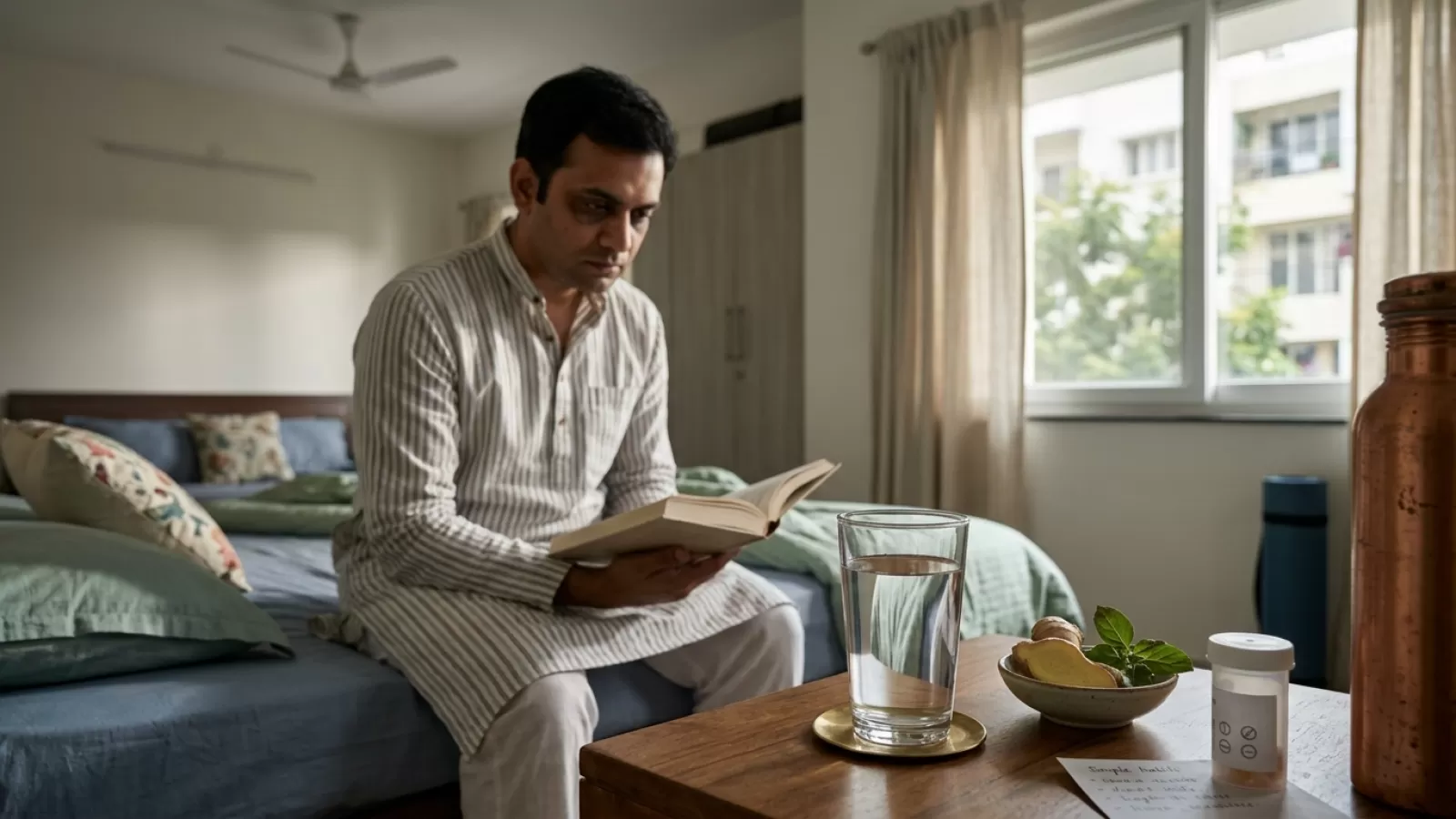
- Create a short, no-pressure wind-down routine: After dinner, try a simple 10-minute ritual that signals the day is ending. This could be washing your face, making a cup of warm milk, or quietly folding clothes. The goal is not to add to your to-do list, but to help your mind shift gears.
- Keep sofa naps short (or skip them if possible): If you often doze off in the living room after dinner, try standing up or taking a short walk inside the house instead. If sleep is overwhelming, keep the nap to under 15 minutes. Longer naps often make it harder to sleep later.
- Dim the lights and lower noise an hour before bed: Many families have bright tube lights and loud TV until late. If possible, switch to softer lighting and turn down the volume. This helps the body recognize that bedtime is coming.
- Talk out tomorrow’s worries before bed: Some families keep a small notepad in the kitchen or bedroom. Jot down what’s on your mind—shopping lists, reminders, worries. This simple act can help quiet the mind.
- Eat dinner at least 1–2 hours before bed if you can: Heavy, late meals (especially oily sabzi, rice, or fried snacks) can make falling asleep harder. If late dinners are unavoidable, keep the meal as light as possible—dahi, khichdi, or a small portion of dal-rice often feels easier on the system.
None of these steps require a perfect routine. In many Indian homes, the best sleep improvement India daily routine is about gentle, realistic changes—ones that fit into real, sometimes chaotic evenings.
How Exhaustion and Poor Sleep Play Out in Indian Households
During the humid summer in Chennai, it’s common to see adults stretched out on the cool tiled floor or the sofa after dinner, ceiling fan whirring above. The day has been long—work, chores, maybe kids’ exams. You shut your eyes for ‘just five minutes’. But when you finally get up and shuffle to the bedroom, sleep is nowhere to be found. The nap has reset your system. The mind, which was only half-asleep before, is now wide awake, replaying tomorrow’s plans and yesterday’s worries.
Or, in a two-bedroom flat in Noida, the joint family’s day never really ends. The last person finishes dinner at 10pm, kids are still studying in the next room, and someone’s mobile is buzzing with late work messages. Even when you finally get to your bed, you’re still carrying the sounds and stresses of the day.
Many families in Indian cities have quietly discovered that the real key to better sleep habits India needs is not just the hour you get into bed, but how you guide your mind and body toward sleep in the hour before. The small rituals—a quick chat, a dimmed light, a moment of quiet—can matter more than any fancy sleep gadget.
When It’s Time to Ask For Help About Your Sleep
If you’ve tried small, practical changes and still wake up tired for weeks on end—or if you start feeling anxious about sleep itself—it may be time to check in with a doctor. In some cases, sleep problems can be linked to health issues like thyroid, diabetes, or stress that need medical attention. If your snoring is loud or you wake up gasping, definitely mention it to your doctor. Sometimes the answer is simple, sometimes not—but either way, you don’t have to just put up with it.
Common Questions
So many Indians wonder why sleep feels so hard, even when you’re exhausted. If you find yourself lying awake night after night, you’re not alone—most families face this at some point. Let’s look at some common questions about better sleep habits India needs, with answers grounded in everyday home life.
Why do so many Indian adults feel exhausted during the day but struggle to actually fall asleep at night?
In many Indian families, the day doesn’t have a natural ending. After work, there’s dinner, chores, late phone calls, and sometimes a little TV to unwind. The mind never gets a true break. So, even though you’re physically tired, you get into bed and find your brain still buzzing. This is especially common for working parents or anyone juggling many roles. The lack of a clear wind-down routine is often why exhaustion doesn’t lead to easy sleep.
What are the most effective daily habits that improve sleep quality for Indian adults?
The habits that help most are often the simplest: keeping dinner light and a little earlier when possible, having a consistent wind-down routine (like a warm bath or reading), and avoiding long naps after 7pm. In some homes, turning off bright lights and lowering the TV volume after dinner helps signal that bedtime is near. These small steps add up over time, especially when the whole family joins in.
How do you transition the mind from work mode to rest mode in an Indian home where the day never clearly ends?
This is tough when evenings are packed. Many families find small rituals help—the kitchen is cleaned together, or everyone sits for five quiet minutes before bed. Some keep a notepad handy to jot down worries or tasks for tomorrow, helping the mind "park" them for the night. Even a gentle stretch or a short walk on the terrace can help mark the end of the day, especially when the house is busy right until bedtime.
Does eating a late Indian dinner affect how well adults sleep?
Yes, especially if dinner is heavy or oily. When you eat late, your body is still busy digesting as you try to fall asleep. In many homes, late dinners are hard to avoid, but keeping the meal light—dal, dahi, or khichdi—can make a difference. Spicy or rich foods close to bedtime tend to make sleep more restless. If late dinner is the routine, try to finish eating at least an hour before bed.
What is the single most useful daily habit for Indian adults who consistently sleep poorly?
Creating a short, calming wind-down routine before bed is often the most helpful. It doesn’t have to be complicated—switching off bright lights, washing your face, having a cup of warm milk, or just sitting quietly for ten minutes can signal to your mind that the day is ending. In many Indian homes, this small change makes more difference than strict rules or expensive products.