Falling sick with the flu always seems to throw a spanner in the works. You lie in bed, shivering and coughing, and everything at home or work comes to a standstill. By the time you’re back on your feet, the world hasn’t paused – the dishes are stacked up, office emails have piled, and even small things like the laundry or the fridge restocking demand attention. It’s natural to feel overwhelmed, behind, and a little panicked about catching up. But there’s a quieter, more realistic way to return to your regular life after the flu, and it doesn’t involve burning yourself out all over again.
Accept That You Won’t Catch Up Overnight
One of the hardest parts about coming back from illness is facing the mountain of delayed work and chores. Many Indian families, especially those without much outside help, feel this crunch acutely. The expectation—often self-imposed—is to somehow make up for every single missed task within a day or two. That’s just not how it works after the body’s been fighting an infection.
Here’s the truth: your energy will be different for a while, and that’s okay. Most people don’t bounce back immediately, even if the fever’s gone. If you live in a busy joint family, you might notice others are eager for things to return to normal, but your body may need more time. Give yourself permission to be slower than usual for at least a few more days.
It helps to gently remind yourself—no one expects perfection, and your health still matters more than a spotless home or a zeroed email inbox.
List, But Don’t Panic: Sorting Tasks Without Emotional Overload
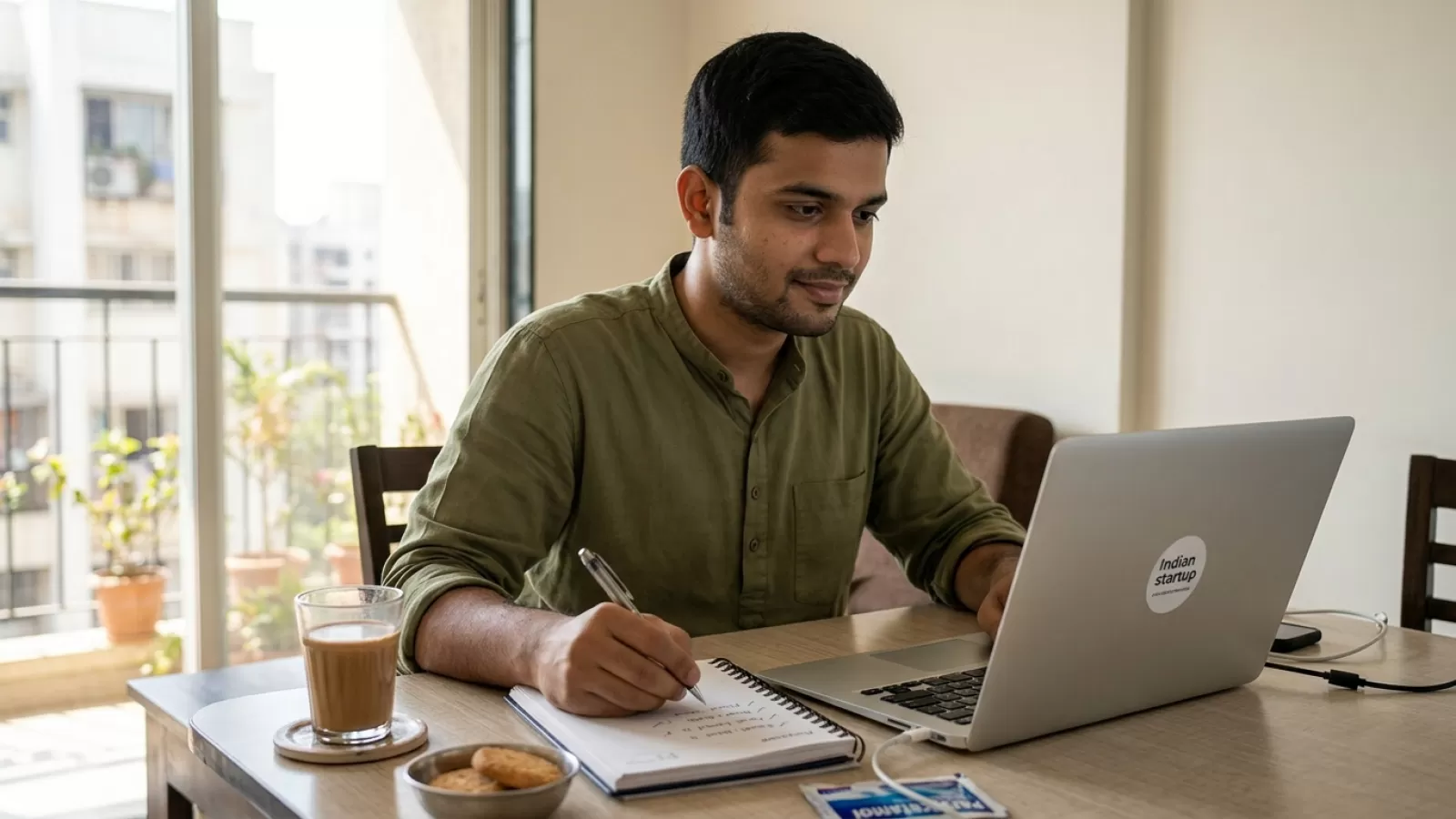
When you’re finally up and about, the urge to do everything at once can be strong. But staring at a mental jumble of responsibilities only adds confusion. In many homes, people find it useful to make a quick written list, just to get things out of their heads.
Break it up into rough categories, for example:
- Household chores (dishes, laundry, floor cleaning)
- Work or school tasks (urgent emails, calls, assignments)
- Personal care (bathing, meals, medicines, rest)
- Family needs (checking on elders, kids’ homework, paying bills)
That said, it’s easy to feel guilty seeing it all in black and white. If you find your heart racing, take a pause and just sit with the list for a bit. You’re not meant to finish it all today. Sometimes, just seeing the tasks written down helps reduce that background sense of panic.
Pacing Yourself: The ‘Little and Often’ Approach
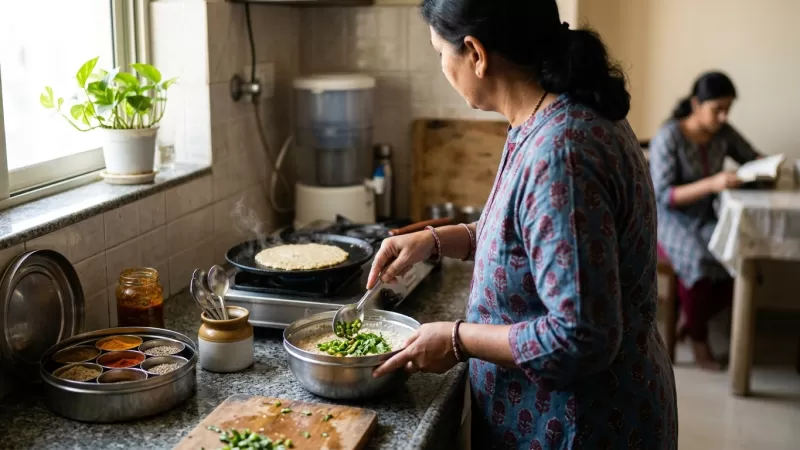
Here’s the catch: trying to power through tasks in one go often leads to exhaustion and, in some cases, a return of symptoms. Especially after flu, the body signals fatigue faster than usual. The trick is to do small bits, take breaks, and then do a little more. In many Indian homes, people quietly tackle chores in short bursts between tea breaks or after a simple meal.
Some practical ways to pace yourself:
- Set a timer for 15–20 minutes of gentle activity, then rest for five.
- Alternate physical chores (like sweeping) with lighter ones (like sorting mail).
- Ask family members to pitch in, even if just for one or two tasks.
This way, you keep making progress without pushing your body to its limit. It’s far more doable than expecting to “catch up” with an all-day marathon.
Prioritize Ruthlessly – What Truly Can’t Wait?
Not every task on your list needs to happen right now. It’s tempting to treat all chores as urgent, but in reality, some things can wait. For example, a pile of clean clothes left unfolded for another day usually causes little harm, but missing a bill payment or forgetting a school project deadline can be more stressful.
Try to identify the true priorities for today. If you’re working from home, maybe answering time-sensitive emails comes before deep cleaning the kitchen. If you’re caring for children, perhaps making sure there’s simple food like dal-chawal on the table is more important than organizing cupboards.
Some families make use of a quick “must do, should do, could do” chart:
- Must do: Absolutely urgent (medicines, urgent bills, school deadlines)
- Should do: Important but not desperate (grocery shopping, laundry)
- Could do: Nice if possible, but can wait (ironing, deep cleaning)
This gentle sorting helps you focus your limited energy on what matters most right now.
Ask for and Accept Help – Even for Small Things
Many Indian households are wired to soldier on without asking for help, especially homemakers and working professionals who feel responsible for “managing it all.” But after the flu, it’s both practical and wise to lean on others, if possible. You may find that even children or elders are happy to help in small ways when asked directly.
Some common examples:
- Requesting someone else to pick up vegetables or milk on their way home
- Sharing the load of folding laundry or cooking a simple meal
- Letting family know you’ll be resting after lunch, so they can handle their own snacks or chai
There’s no shame in admitting you’re still recovering. In fact, most people appreciate honesty and will often step in when they understand you’re not quite at full strength yet.
Be Kind to Yourself: Lower Standards Temporarily
During recovery, something has to give. Maybe the house isn’t as tidy as you’d like, or you rely on quick-cook meals and leftovers. That’s absolutely normal. Many families quietly deal with a little more mess and fewer fresh chapatis after someone’s been on bed rest.
For a week or two, try not to hold yourself to the usual standards of neatness or productivity. If the living room looks a bit cluttered, so be it. If your daily routine is off, it will settle in time. What’s important is that you’re moving forward, even if it’s at half pace.
One thing you might notice: as soon as the pressure to be perfect lifts, you actually recover faster and feel more motivated to do small things, bit by bit.
Listen to Your Body: Watch for Warning Signs
Sometimes, as soon as we start feeling a little better, there’s a temptation to jump right back into old routines. This is especially true if you’re used to juggling many roles at home or work. But the body has a way of sending signals—fatigue, muscle aches, even a low mood—if you’re pushing too hard, too soon.
Pay gentle attention to these signals. If you start feeling unusually tired after a task, that’s your cue to rest, not to push through. It’s not laziness; it’s just your body’s way of saying it needs more time to heal.
If you notice symptoms returning, like a mild fever or heavy exhaustion, slow down even further. It’s better to rest now than risk another round of illness.
Find Small Comforts and Celebrate Tiny Wins
It’s easy to overlook the small victories when you’re surrounded by unfinished chores. But even managing to make yourself a cup of chai, or clearing one corner of the kitchen counter, is a step forward. Celebrating these tiny wins can help you stay positive and motivated, even if the big picture still feels overwhelming.
Some people find comfort in small routines—a quick walk on the balcony, playing a favourite song while sorting papers, or sitting with family for evening tea. These small comforts can make recovery feel less like a lonely uphill climb and more like gentle progress, one step at a time.
And remember, it’s okay if you’re not at your best right now. You’re still moving forward, and that’s something to feel good about.