Some days just don’t go as planned. You wake up and there’s no set schedule – maybe it’s a lazy Sunday, maybe your plans got cancelled, or perhaps you’re retired and many days feel open-ended. It’s easy to feel a bit lost or restless on such days, especially in Indian households where so much is built around routine. The thing is, unstructured days can actually be gentle and enjoyable if you have a few calming routines to lean on, rather than a strict timetable.
Why Structure Feels So Comforting
Most of us grew up in homes where mornings often began with chai, a bit of news, and the kitchen bustling with breakfast prep. Even now, a familiar routine—be it early morning walks, tidying up, or checking your WhatsApp messages—brings a sense of order. On days when the usual anchor points disappear, it’s surprisingly easy to drift or feel unsettled.
You might have noticed how elders in the family quietly stick to their small rituals: folding their bed, watering the tulsi plant, or making time for prayer. These acts aren’t just habits; they create a gentle rhythm, offering comfort even on days that unfold slowly or unexpectedly.
So, the idea isn’t to fill every minute. It’s more about sprinkling your day with a few calming touchpoints that help you feel grounded, even when there’s nothing urgent to do.
Gentle Beginnings: Waking Up at Your Own Pace
On days without alarms or deadlines, there’s a quiet pleasure in waking up naturally. Some people find it helpful to still get out of bed around the same time—they say it keeps their body clock steady. Others enjoy an extra half-hour of rest, especially after a tiring week.
However you wake up, small morning routines can help set a calm tone:
- Splash your face with cool water and sit for a few minutes by a window.
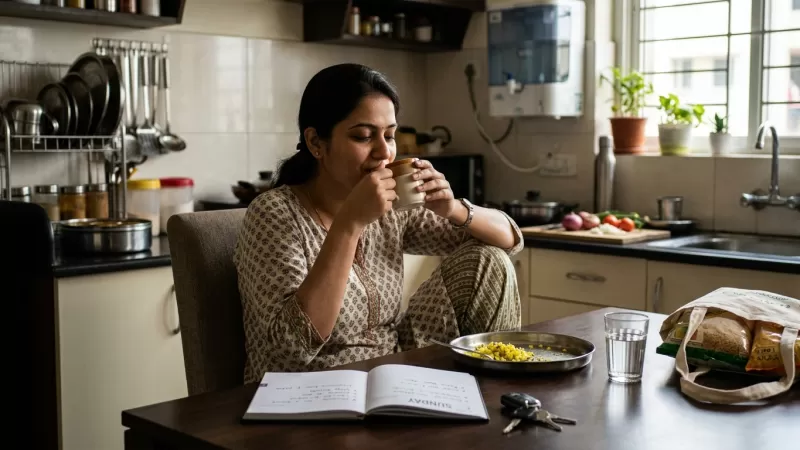
- Have your tea or coffee without screens or rushing.
- Open a few windows to let in fresh air, especially if it’s pleasant outside.
There’s no need to force yourself into a productive mood. Just allowing yourself a slow, gentle start can make the whole day feel less scattered.
Mindful Meals: Eating Well Without the Rush
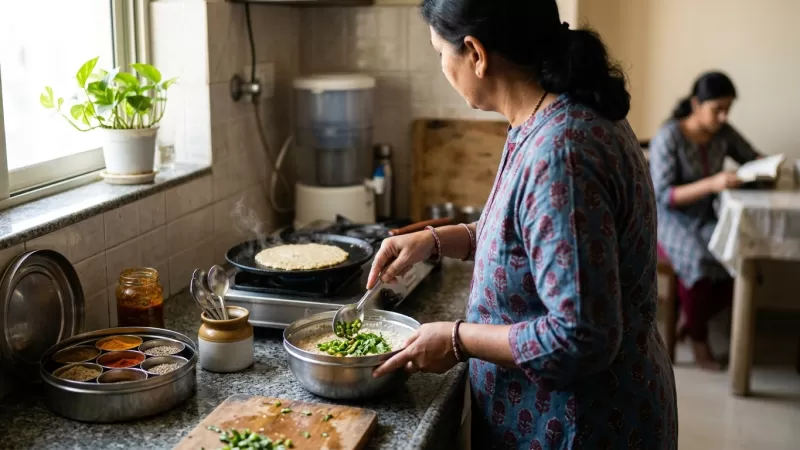
When you don’t have fixed meal times, it’s easy to skip breakfast or end up snacking all day. In many Indian homes, the kitchen is the heart of the house—a place where even simple dal-chawal or upma feels special if you sit down and eat mindfully.
Some gentle ways to keep meals anchored, even on loose days:
- Stick to a rough meal pattern—light breakfast, filling lunch, early dinner if possible.
- Prepare one fresh sabzi or dal, even if it’s just for yourself. The act of cooking can be soothing.
- If you’re alone, try to eat at the table instead of in front of the TV or phone. It’s a small shift, but it often helps you feel more settled.
And if the day calls for leftovers or takeout, that’s fine too. The main thing is to pause and enjoy your food, rather than rushing through it.
Small Movements: Keeping the Body Gently Active
On unplanned days, many people end up sitting for hours—especially if you’re catching up on shows, reading, or simply resting. While there’s nothing wrong with being still, your body does appreciate a little movement.
The tricky part is, it’s easy to either overdo it (suddenly deciding to clean out cupboards) or do nothing at all. A middle path often works best:
- Walk around your home every hour or so. Even five minutes makes a difference.
- Do a few gentle stretches or yoga asanas—just what feels comfortable.
- If you enjoy chores, pick one small task (like folding laundry or watering plants) instead of tackling everything at once.
You don’t need a strict exercise routine. Just light, regular movement tends to keep stiffness and sluggishness away.
Quiet Pockets: Finding Moments of Calm
Many families quietly deal with the noise and bustle of daily life—TVs in the background, pressure cookers whistling, phones buzzing. On unstructured days, this background noise can feel even more overwhelming.
A few quiet pockets during the day can be surprisingly refreshing. You might try:
- Sitting by yourself for ten minutes with a cup of tea.
- Listening to soft music or bhajans, if that feels calming.
- Spending time with a hobby, like reading, knitting, or tending to plants.
It’s okay if your mind wanders or you feel restless at first. These quiet moments aren’t about achieving anything—they’re just small pauses for your mind to settle.
Staying Social, Gently
Sometimes, open days can feel lonely, especially if you live by yourself or family members are busy. Others may enjoy the rare chance for solitude, but still, a little human connection usually feels good.
This doesn’t mean you need to make grand plans. Simple things can help you feel connected:
- Call or message a friend or relative, even if it’s just to say hello.
- Share a cup of tea with your spouse or neighbour if possible.
- Wave at someone outside your window or chat with the grocer downstairs.
On days when you don’t feel like talking, just sitting in the same room as someone else, reading or doing your own thing, can be quietly comforting.
Loosely Stitched To-Do’s: Keeping the Day Satisfying
Here’s the catch: too much empty time can leave you feeling restless or even a bit down. Many people find it helpful to jot down one or two light goals for the day, even if they’re not urgent.
This could be as simple as:
- Watering all the plants on the balcony
- Sorting through a pile of old receipts or magazines
- Trying out a new recipe with ingredients you have at home
Some days, you’ll do less than you hoped. That’s normal. The real comfort comes from knowing you did a little something, however small, to shape your day. In Indian homes, these small tasks often come naturally—dusting a corner, sewing a button, or arranging the bookshelf, without any pressure to finish everything.
Unwinding at Night: Gentle Endings
When there’s been no clear routine all day, night-time can feel a bit blurred too. Some people struggle to fall asleep or end up staying up late with their phones. A few calming habits can help your mind and body settle down, even on these loose days.
- Dim the lights after dinner, and switch off the TV a little early.
- Change into comfortable nightclothes and wash your face—a small signal to your body that it’s time to unwind.
- If you’re religious, a quiet prayer or a few minutes of gratitude reflection can bring a sense of closure.
It doesn’t have to be perfect. Even just one small bedtime ritual can make the next morning feel a bit brighter.
When Unstructured Days Become the Norm
In recent years, especially for those who are retired, working from home, or between jobs, these open-ended days may become quite common. Some people thrive in this freedom. Others find it difficult to maintain motivation and mood.
If you notice yourself feeling restless or down more often, it might help to talk to someone you trust. Many families quietly support each other through such phases, just by listening or sharing a cup of tea.
In Indian homes, routines don’t have to be rigid timetables. They’re just gentle anchors—a morning chai, a midday nap, a walk on the terrace, or a chat with a neighbour. It’s fine to have days that meander. The little things you do, even on unplanned days, still matter.