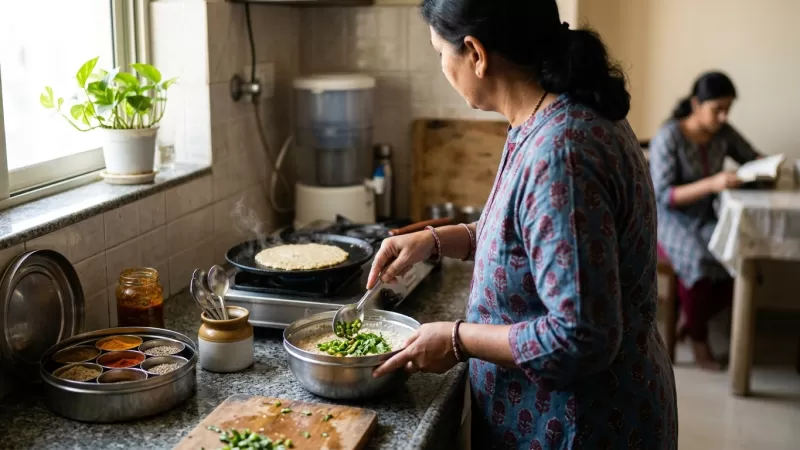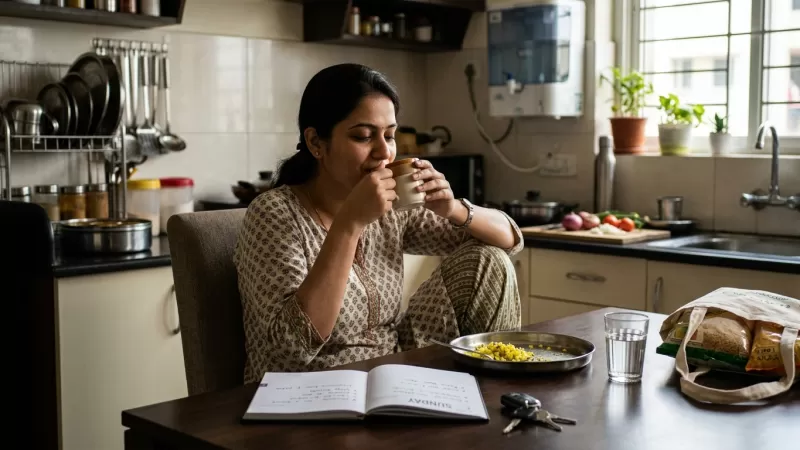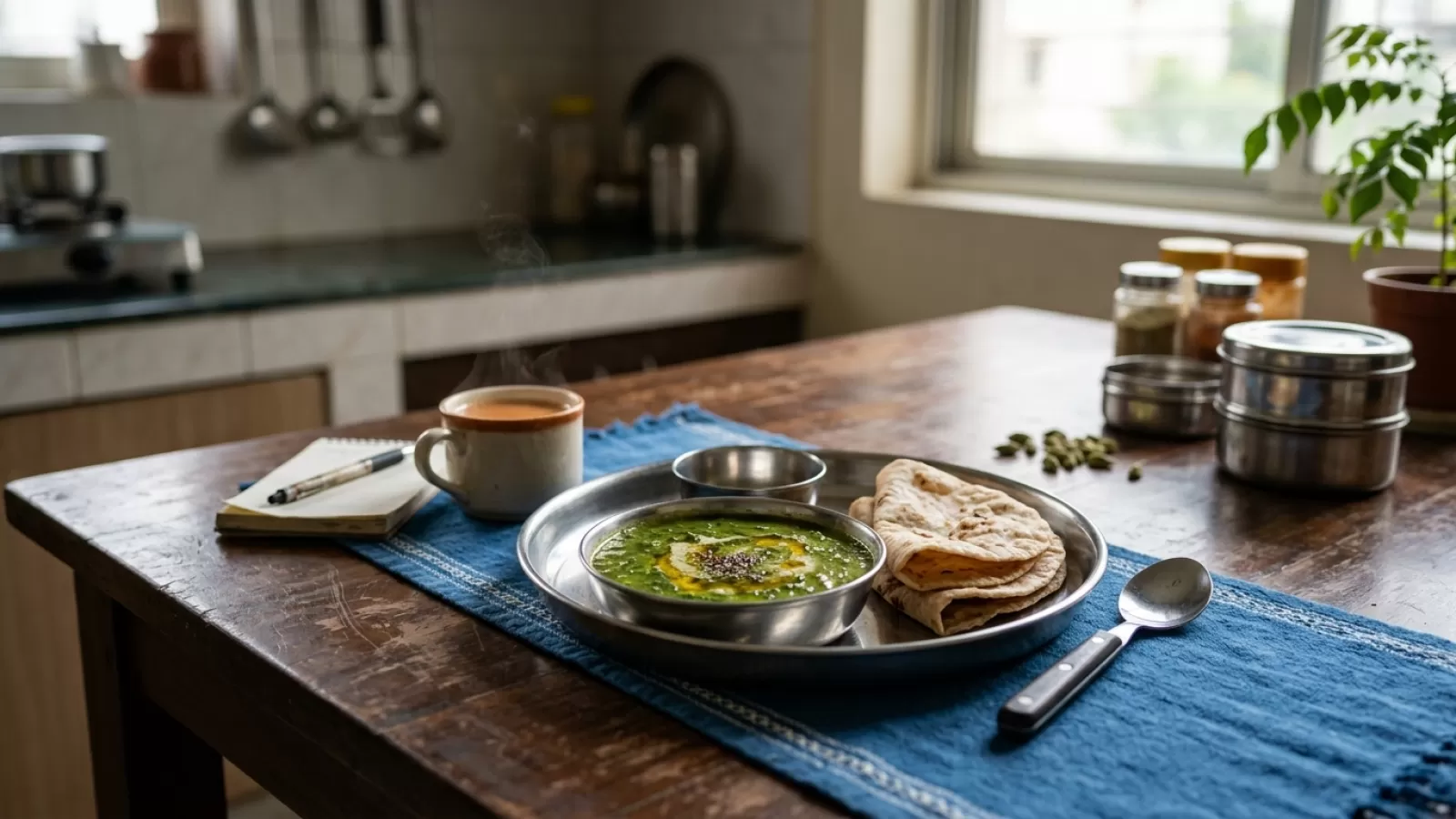
Some days feel like a slow, quiet river — but others can feel like a busy crossroads. You wake up with a long list: boil milk, check on the maid, answer a few work messages, get the child’s tiffin ready, pay some bills, maybe even fix a leaky tap or chase after small repairs, all before lunch. By the evening, you might wonder — where did the day go, and why do you feel so tired without having done anything 'big'? In many Indian homes, these constant small tasks quietly take up space, nibbling away at your energy and attention. Finding balance on such days isn’t easy, but with a few patterns and gentle adjustments, you can keep things calmer and feel less drained.
Recognizing the Nature of Small Tasks
First, it helps to notice that small tasks behave differently from the big, obvious ones. Cooking a full meal, doing a major cleaning, or preparing for a festival is one thing — you can see the start and finish. But things like replying to a WhatsApp group, folding laundry, or topping up the mobile recharge slip into your day quietly. They’re small, but somehow they pile up.
Many people don’t realize how much these "little things" add up until they find themselves feeling irritable or mentally scattered. In Indian households, especially when you’re juggling work-from-home and family responsibilities, these tiny jobs can keep you from focusing on anything deeply.
It’s not always possible to avoid them. But when you recognize that these micro-tasks are a real part of your day’s workload, it becomes easier to accept your own tiredness or restlessness, instead of brushing it off.
Finding Your Natural Rhythms
Most people have certain times of day when they feel sharper or more relaxed. For many, mornings are energetic — after chai and breakfast, you might get the most done. Others get a second wind in the afternoon or after an evening walk. When your day is full of small tasks, try to notice when you’re naturally more focused or calm.
For example, if you find that your mind is clearer before noon, save your "thinking work" (like planning meals or paying bills) for then, and leave mindless chores (wiping counters, folding clothes) for when you’re feeling sluggish.
Some families use the post-lunch dip as a time for quiet — maybe a nap, maybe just sitting with tea and not trying to 'tick off' anything for a while. That pause, even if it’s just 10–15 minutes, can make a surprising difference to your patience levels for the rest of the day.
Grouping and Spacing Out Tasks
One pattern that tends to work in busy homes is doing similar tasks together. Instead of answering messages every time your phone pings, you can check them every hour or so. Instead of running to the kitchen each time you remember something, keep a list and do it all together.
Here’s the catch: it’s not always possible. Children might call out for help, elders might need something, or work emails might demand attention. But even then, aiming to batch a few things — like preparing all the vegetables for the day in one go, or setting aside a short slot to pay bills — can give your mind some breathing room.
- Try to group errands (like paying bills, calling the plumber, or ordering groceries) into a single time slot.
- Space out physically tiring chores so you’re not exhausted by late afternoon.
- Let yourself pause in between clusters of tasks — even a few slow breaths count.
You’ve probably noticed that when you switch too quickly between very different tasks — say, from helping a child with homework to discussing a bank statement — your brain feels jumbled. Grouping helps smooth out those sharp edges.
Making Room for Small Breathable Moments
The tricky part is that days with constant small tasks rarely give you long breaks. But you don’t always need a full hour to recharge. Even a few minutes of quiet can help.
Some common Indian routines offer natural pauses: waiting for the pressure cooker to whistle, sitting with a cup of chai, or chatting with a neighbor at the door. Instead of filling every pause with phone scrolling or more chores, try just being present in those little spaces.
Small rituals matter. Lighting a diya in the evening, doing a short prayer, or watering plants can become moments of calm rather than just another thing to get done. Over time, these gentle pauses act like soft cushions in the middle of a busy day.
Gentle Boundaries in a Shared Home
In many Indian families, especially joint ones, it can be hard to say no or to protect a little time for yourself. Everyone’s needs are important, and you might feel guilty taking a break while others are busy.
But balance often means setting small, respectful boundaries. Maybe you let your family know that you’ll be unavailable for 20 minutes after lunch. Or you teach children to wait a few minutes for help unless it’s urgent. Over time, these signals help everyone understand that constant interruption isn’t good for anyone.
- Use humor or gentle reminders (“Let’s finish this after my tea, okay?”) to create short pockets of calm.
- If someone else in the house is doing their own thing, try not to disturb them unless necessary — it sets a good example.
- Resist the urge to multitask during every phone call or TV time; sometimes, just sitting is enough.
It’s not about being strict — just about allowing yourself and others to breathe within the flow of the day.
Releasing the Need for "Perfect" Productivity
Here’s something you might need to hear: not every day needs to be maximized. In most Indian households, there will always be something left undone — a shelf that needs dusting, a document to file, an item to buy. The pressure to make every minute count can quietly build up, especially if you compare yourself to others or set unrealistic expectations.
If you notice guilt creeping in, especially on days when you feel like you’re just "managing" instead of achieving, remind yourself that it’s normal. Small tasks do matter, and they keep the house running, even if nobody notices them except you.
Some days, doing the basics with calm is more important than reaching for perfection. Many families quietly deal with the same feelings, especially during festival seasons or family events when the number of small jobs multiplies.
Practical Patterns Many Families Use
Over the years, certain simple patterns have helped many Indian homes keep their balance on busy days. You may recognize some of these already:
- Using a simple notebook or whiteboard to jot down urgent tasks in the kitchen or on the fridge.
- Assigning light chores to whoever is free — even young children can keep shoes tidy or bring in the newspaper.
- Doing a quick “reset” after meals: clearing the table, washing hands, and sitting quietly for a moment before jumping up again.
- Having a fixed time (like after dinner) for everyone to share their day or plan tomorrow’s main tasks together.
Small routines like these don’t solve everything, but they can make the day feel less scattered. And sometimes, just knowing you have a pattern — even a loose one — can bring a bit of calm.
Listening to Your Tiredness and Adjusting
At the end of a day filled with small, scattered jobs, it’s easy to feel like you should have done more. But very often, mental tiredness from these tasks is as real as physical exhaustion. If you find yourself feeling drained, it’s okay to adjust your evening: maybe a lighter dinner, less screen time, or a quiet walk on the terrace.
Some people find it helpful to talk out loud — sharing with a partner, child, or friend about the little things that piled up. Others prefer to just be quiet and let the day settle.
Notice if you feel snappy, restless, or just "done" — it’s usually a sign you need a break, even if the work isn’t finished. Allowing yourself to rest, without feeling guilty, is a pattern worth practicing.
Most importantly, remember: balance doesn’t mean perfection. It’s just about moving through the day with a bit of care, noticing your own needs as much as the needs around you. Some days will be smoother than others, and that’s perfectly okay.