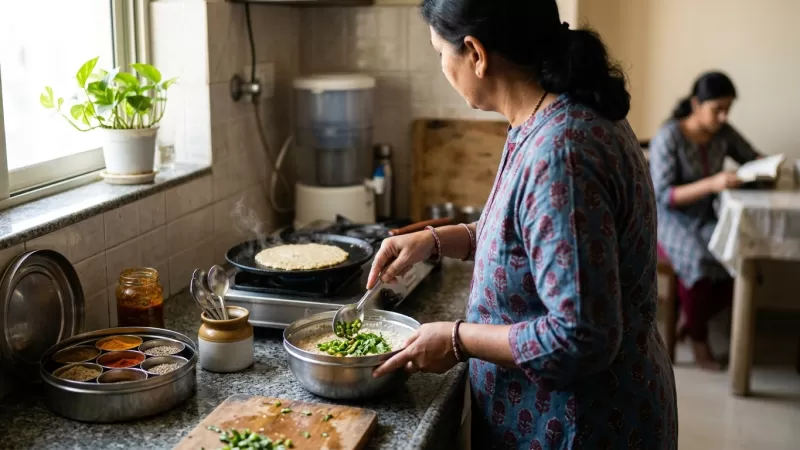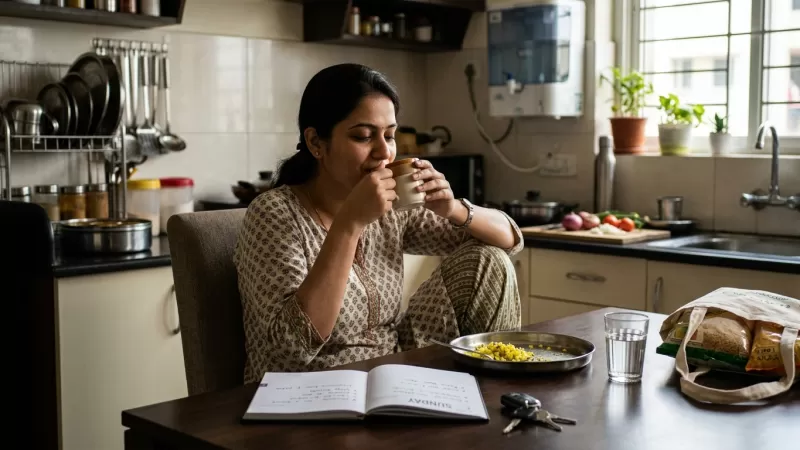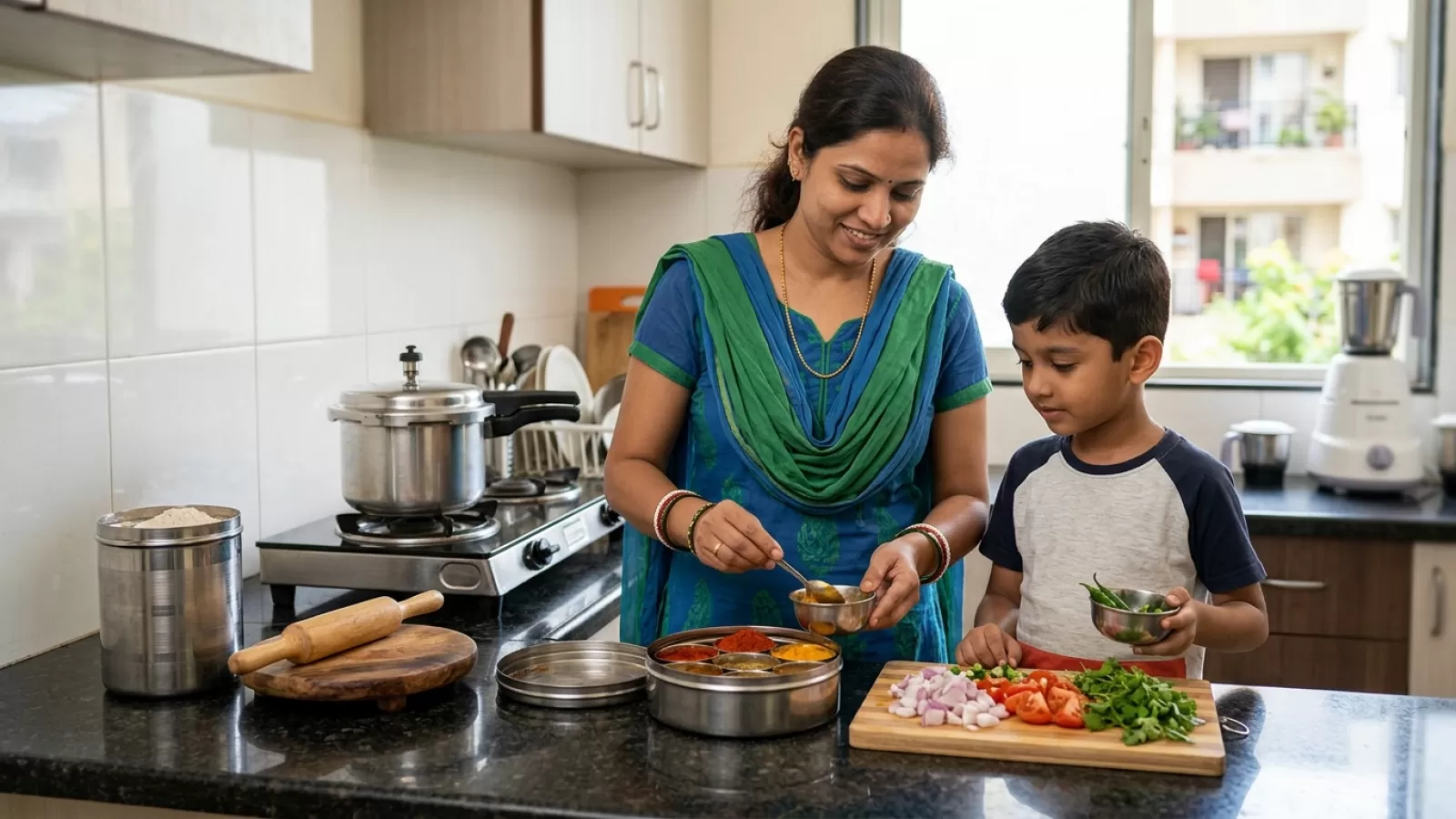
Most people in Indian households know this feeling. You wake up, and before you’ve even had your first sip of chai, a list of tasks starts running through your mind: tiffins, laundry, that leaking tap, answering WhatsApp groups, picking up groceries, and work calls. By evening, it can feel like you’re just running to stand still. But here’s the catch—much of this ‘busyness’ isn’t because the tasks themselves are impossible. It’s often the way we pace ourselves and the expectations we set that leave us feeling so breathless.
Why Do We Feel So Rushed?
It’s not just the number of things on your plate. Many families, from small nuclear ones in cities to larger joint families in towns, quietly deal with this daily sense of urgency. In recent years, the mix of office work, online school, and home responsibilities has made it worse. Even elders, who may seem retired, often feel busy with their own routines and family duties.
One reason is that modern life rarely gives us a clear finish line. There’s always something more to do—another room to tidy, another phone call, another meal to plan. You get caught in the current, and before you know it, the day is done.
And here’s something many won’t admit: sometimes, busyness becomes a habit. It can almost feel wrong to sit down quietly, especially in homes where everyone’s always moving. It’s understandable. But this way of living leaves you tired, and often, a bit dissatisfied.
Recognizing the False Emergency
Think about how often you catch yourself rushing through ordinary chores as if there’s some major crisis. Folding clothes, making dal and rice, even watering plants—these tasks don’t need to feel like emergencies. But somehow, they do.
Maybe it’s because you’re thinking three steps ahead, or maybe it’s because you’re comparing yourself to others (something that’s become common with social media these days). Sometimes, family members add pressure without realising it. The result is the same: you feel like you’re in a race—when you’re really just living an ordinary day.
One small shift is to notice these moments. Ask yourself: is this truly urgent? Does it matter if the laundry waits an hour, or the sabzi is made a bit later? Often, the answer is no.
Simple Pacing Strategies That Work
It’s not about doing less. It’s about doing things at a more natural, manageable rhythm. Many people find these small adjustments make a real difference:
- Bunch Similar Tasks: Try grouping related chores together. For example, chop veggies for lunch and dinner at one go, or do all phone calls during a set hour.
- Decide What Can Wait: Not everything is a top priority. If sweeping the balcony can wait till tomorrow, let it.
- Take Small Pauses: After finishing one task, sit for two minutes. Drink water, look outside, or just breathe. Sounds simple, but it breaks the feeling of being chased.
These aren’t revolutionary tips. But in many homes, the simple act of pacing yourself—like letting the cooker’s whistle finish before jumping to the next job—makes the whole day feel calmer.
Handling Busy Mornings and Late Evenings
In most Indian households, mornings and evenings are the busiest. Getting children ready for school, packing tiffins, making breakfasts, and then the evening rush with dinner and homework—it’s a lot. The tricky part is, these routines rarely change.
What can help is to make peace with this natural flow. Try keeping mornings and evenings for only those tasks that truly can’t be shifted—like meals and family coordination. Non-essential work, like cleaning out the fridge or rearranging cupboards, can wait for quieter hours or weekends.
Some families find it helpful to prepare a few things at night—like chopping onions or soaking lentils—so mornings feel less packed. Others settle for simpler breakfasts on weekdays, saving elaborate meals for Sundays.
You don’t have to do everything perfectly every day. Children, spouses, and elders usually adjust if you’re a bit flexible. In fact, you’ve probably noticed that sometimes, letting go of that urge to control every detail actually keeps the peace.
Changing How You Think About Chores
Many of us grow up watching mothers, fathers, and grandparents who never seem to rest. It’s easy to feel guilty for sitting down, even if you’re tired. But here’s a gentle thought: chores are simply part of life, not the point of it.
Try viewing household work as something to be done steadily, not hurriedly. You can set a reasonable, not frantic, pace. Sometimes, sharing a task with another family member—like folding clothes together in front of the TV—can even turn it into a small moment of connection.
On some days, when energy is low or the weather is especially hot, it’s fine to do the basics and leave the rest. Most visitors and family don’t remember spotless floors—they remember a welcoming face and a relaxed home atmosphere.
Learning to Say ‘No’ and Set Boundaries
In Indian culture, it’s common to take on extra responsibilities—helping neighbors, attending every family function, or picking up last-minute work requests. These can add to the feeling of always being behind.
It’s perfectly reasonable to say ‘no’ sometimes. You can politely decline a non-essential errand, or ask family members for help. Many people worry about appearing rude or lazy, but in reality, most understand when you explain kindly.
Setting small boundaries—like a ‘no work calls during dinner’ rule, or designating Sunday mornings as family time—can protect your energy. These aren’t selfish acts. They simply make it easier to handle the real essentials with less stress.
Making Room for Small Joys in the Routine
Even in a busy day, tiny pleasures can make a difference. A cup of tea on the balcony, listening to old songs while cooking, or a quick chat with a neighbor can lighten the mood. These moments might seem unimportant, but they break the cycle of endless busyness.
During festivals or family gatherings, it’s easy to get caught up in extra chores. But if you can pause and enjoy even a little bit of the atmosphere—the smell of fresh flowers, the taste of homemade sweets—it reminds you what all the effort is for.
It’s not about adding more to your to-do list. It’s just about noticing the small, good things that are already there, hiding in between the tasks.
When You Still Feel Overwhelmed
Some days, even with all the pacing and planning, you’ll still feel rushed. Maybe it’s because of illness, extra work stress, or just too many things happening at once. This is normal. Everyone has days like this—even those who seem always organized.
On these days, it helps to lower your expectations a bit. Do the most important things, and accept that a few things will remain unfinished. Rest when you can, and ask for help if possible. Sometimes, just talking to a friend or family member about your feelings lifts some of the weight.
Remember, you’re not alone in this. Many families face the same struggles, quietly, every single day. The goal isn’t to eliminate busyness forever, but to find a rhythm that lets you breathe, even in the middle of it all.