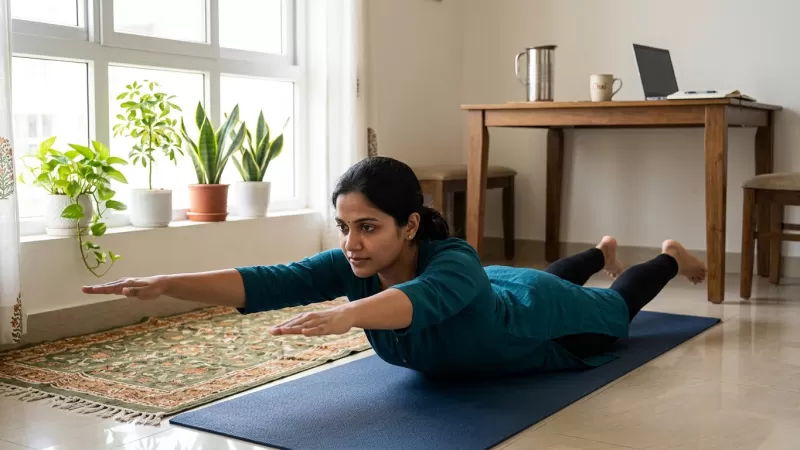
On Monday mornings across India, the quiet before sunrise is often interrupted by the sound of feet hitting the floor—sometimes with energy, sometimes with groans. In many Indian homes, adults squeeze in a home workout before the household wakes up or between busy meetings. The tricky part is, these sessions often start straight from zero: from a night of stillness or hours at a desk, straight into squats, burpees, or spot-jogging. Warm up exercises at home India are, more often than not, skipped in the rush to "just get the workout done" before breakfast, office calls, or school drop-offs.
But here’s what tends to happen: the first set of jumping jacks feels stiff, knees creak, and shoulders protest. By the evening, there’s a familiar soreness—or worse, a twinge that lingers all week. Over time, many adults quietly realize that those three minutes of gentle movement before exercise make a bigger difference than any fancy gear or protein shake. Warming up before home workout India-style is less about athletic ambition and more about keeping the body happy for everyday life.
Why Indian Adults Often Skip the Warm-Up at Home
In Indian households, time is always in short supply. The morning rush—chai brewing, tiffin packing, kids scrambling for uniforms—leaves little space for an elaborate pre workout warm up India home routine. Many adults, especially those working from home, try to fit in exercise between chores or office calls. The result? It’s common to jump straight into the “main” exercise, whether that’s a YouTube HIIT session, a set of surya namaskars, or following along with a Bollywood dance video.
For working professionals juggling deadlines and family, skipping the warm-up feels efficient. In joint families, shared spaces mean your workout time can be interrupted any moment, so you want to get to the "real" part quickly. Some people see warm-up as optional, especially if the exercise doesn’t feel too "strenuous"—think of a gentle walk or a bit of stretching on the terrace. But the reality is, even light movement benefits from a few minutes of Indian adult warm up before exercise, particularly after long spells of sitting or during chilly winter mornings.
Why Skipping Warm-Ups Leads to Soreness and Injury
The main reason is simple: our bodies get used to stillness. After hours of sitting—whether it's at the office desk or in front of the TV—muscles and joints are stiff, and blood flow is slower. Jumping straight into vigorous movement—like skipping, burpees, or even enthusiastic housework—can catch the body off guard. Fitness coaches who train working adults often find that most movement in Indian homes comes from daily tasks, not planned exercise. When adults start a workout without a pre workout warm up India home routine, their muscles aren’t ready to handle sudden strain, especially the knees, lower back, and shoulders.
Warming up before home workout India routines increases blood flow to the muscles, wakes up the joints, and tells the body, “We’re about to move!” This helps prevent minor injuries (like pulled muscles) and reduces that familiar next-day soreness. In humid summers, a warm-up can also help your body handle the heat better by slowly raising your core temperature instead of shocking your system.
One more thing: warm-ups are not the same as stretching. Stretching cold muscles can actually make things worse. Instead, gentle movement—like marching in place, arm circles, or slow spot jogging—is what prepares your body for exercise safely.
Common Signs You’re Skipping the Warm-Up
- Stiffness in the first few minutes: If your first few squats or steps feel awkward or joints are creaky, it’s a clue that the body hasn’t been gently woken up.
- Persistent soreness after simple workouts: When even a light session leaves you sore for two days, skipping Indian adult warm up before exercise is a likely reason.
- Sudden twinges or minor strains: That brief pain in the lower back or knee after jumping or bending can often be traced back to starting cold.
- Feeling breathless too quickly: If you find yourself out of breath faster than expected, it may be because your body didn’t get time to adjust to the activity.
- Lack of motivation to continue: When the body feels heavy and uncooperative right from the start, it’s hard to stick with the workout plan.
Simple Warm-Up Habits Practical for Indian Homes
- March in place for 2-3 minutes: On busy mornings, just walking around your living room while swinging your arms gently can get your blood flowing. Bonus: you can keep an eye on the boiling milk or school uniforms at the same time.
- Arm circles and shoulder rolls: These can be done right beside your bed or even while waiting for your chai to boil. They loosen stiff shoulders and prepare you for everything from dance workouts to picking up heavy grocery bags.
- Gentle leg swings and ankle circles: Useful after long periods of sitting, especially for adults who spend hours at a desk. Stand near a wall or chair for balance.
- Neck rolls and light torso twists: For those who work at a computer, these movements wake up the spine and neck, making it less likely you’ll get those nagging aches.
- Slow spot jogging or high knees: Even one minute of this, done gently, helps prepare your heart and muscles for more intense activity. Many families have found that doing this together adds a bit of fun to otherwise dull routines.
The key with any pre workout warm up India home routine is to start slow and listen to your body. You don’t need fancy equipment or lots of space. Just a few minutes of movement, done consistently, makes the rest of your workout smoother—and keeps your joints happier in the long run.
How Warm-Ups Fit Into Real Indian Routines
Let’s be honest—most Indian homes are not built for gym-style exercise. There’s furniture to dodge, family members walking in and out, and sometimes power cuts that leave you sweating in the dark. On mornings when everything runs late, the temptation is strong to skip the warm-up to "save time." But here’s what many have quietly discovered: those who take three minutes to march around the dining table, swing their arms, or even walk up and down the hall tend to finish their workouts feeling fresher, with fewer aches.
Sometimes, it’s the working professional in Bengaluru fitting in a quick YouTube cardio session between meetings who notices that just five minutes of gentle movement beforehand leads to a better, less painful workout. Or the senior in a semi-urban home who finds that simple neck and ankle circles before evening walks help avoid that dreaded calf cramp later. Warm up exercises at home India-style are not about being an athlete—they’re about making daily movement possible, with less discomfort.
And during sticky summer afternoons, a warm-up helps your body adapt more gently to the heat, reducing dizziness or sudden fatigue. The everyday pattern here is clear: the few minutes invested in warming up usually pay off for the rest of the day.
When It Makes Sense to Ask for Help
If you notice that aches and pains keep coming back, or if a minor twinge turns into a pain that doesn’t go away, it’s a good idea to speak to a doctor. This is especially true for adults with existing joint problems, heart conditions, or those returning to exercise after a long gap. Gentle warm-ups help most people, but if you’re unsure about what’s safe for you, asking a professional makes sense. Remember, there’s no prize for pushing through pain—the goal is movement, not misery.
Common Questions
Let’s talk through some of the everyday questions that come up in Indian homes about warming up before exercise. These are the kinds of doubts that pop up when the family decides to try a new fitness video or when adults want to stay active without adding to their aches. Here are some answers grounded in practical home routines.
What are the most effective warm-up exercises for Indian adults before a home workout?
Some of the best warm up exercises at home India-style include marching or jogging in place, gentle arm swings, shoulder rolls, neck circles, and light side bends. Many Indian homes find that these can be done in small spaces—like a living room or even a kitchen. The goal is to raise your heart rate a little and gently loosen up the joints you’ll use in your workout. If you plan to do squats or lunges, adding a few bodyweight squats (slow and shallow at first) can help. Remember, you don’t need to do every movement—just enough to feel warmer and more flexible than when you started.
How long should a warm-up be before different types of home exercise?
Usually, a warm-up of 3–5 minutes is enough for most home workouts—like cardio routines, yoga flows, or strength training with body weight. If you’ve been sitting for hours or it’s winter, you might want to stretch this to 7–8 minutes with slower movements. For lighter activities, like a gentle walk or slow yoga, even 2–3 minutes of movement can help. In many Indian homes, families doing group exercise often use their chatting time to warm up together, making the process feel less like a chore and more like part of the routine.
Is it really necessary to warm up before light activities like a walk or gentle yoga?
While a long, intense warm-up isn’t needed for simple activities, a few minutes of gentle movement can still make a difference—especially for adults who’ve been still for a while or are older. In Indian homes where a walk happens after a long day of sitting, a short march in place or a few ankle circles can help prevent cramps or sudden stiffness. For gentle yoga, slow neck and shoulder rolls prepare the body for stretching. It’s a small step, but it often means your walk or yoga feels better from the very start.
What is the difference between stretching and warming up and why does it matter for Indian adults exercising at home?
Warming up means gradually increasing your heart rate and getting your joints moving with gentle activity—like marching or arm circles. Stretching, on the other hand, is about lengthening muscles and is best done after your body is already a little warm. In many Indian households, people tend to stretch first, but this can be risky if muscles are cold. For Indian adults, especially those who sit for long periods, starting with movement (not stretching) prepares the body much better and helps avoid unnecessary strains.
Which body parts most commonly get injured when Indian adults exercise without warming up first?
The most common trouble spots are the knees, lower back, shoulders, and sometimes the ankles. In Indian homes, jumping into spot-jogging or squats without a warm-up can trigger knee pain, while sudden bending or twisting can strain the back. Shoulder injuries are also common, especially with dance workouts or lifting bags. Many families notice that even simple chores like sweeping or lifting groceries feel easier with a short warm-up, because the same muscles are in use. Taking a few minutes to prepare these areas can save a lot of discomfort later on.