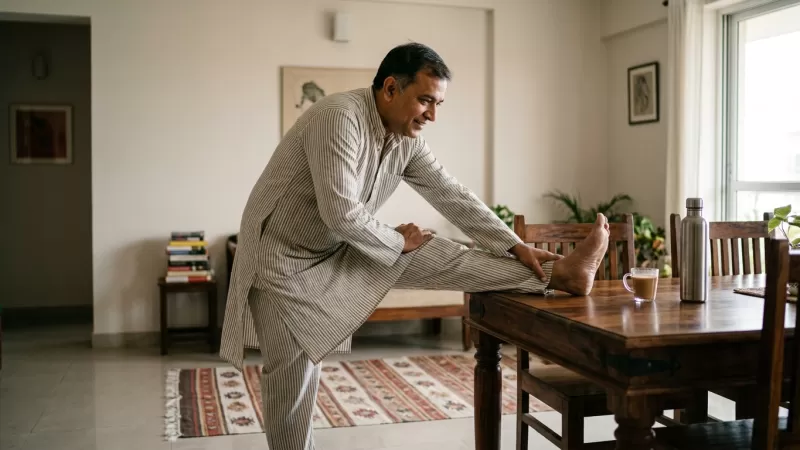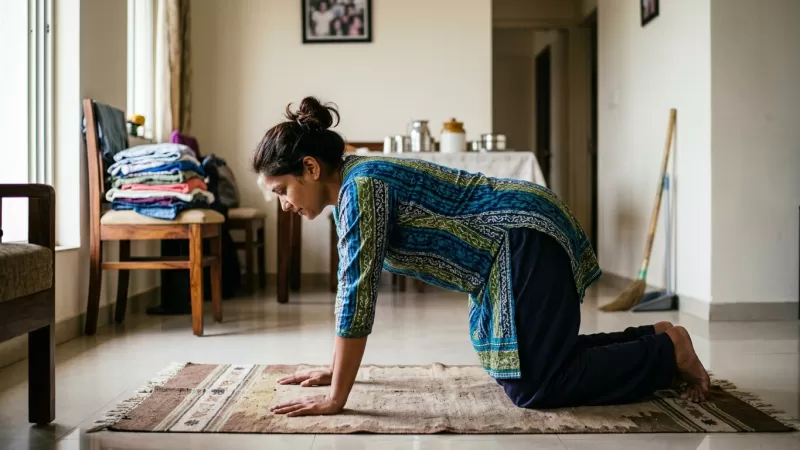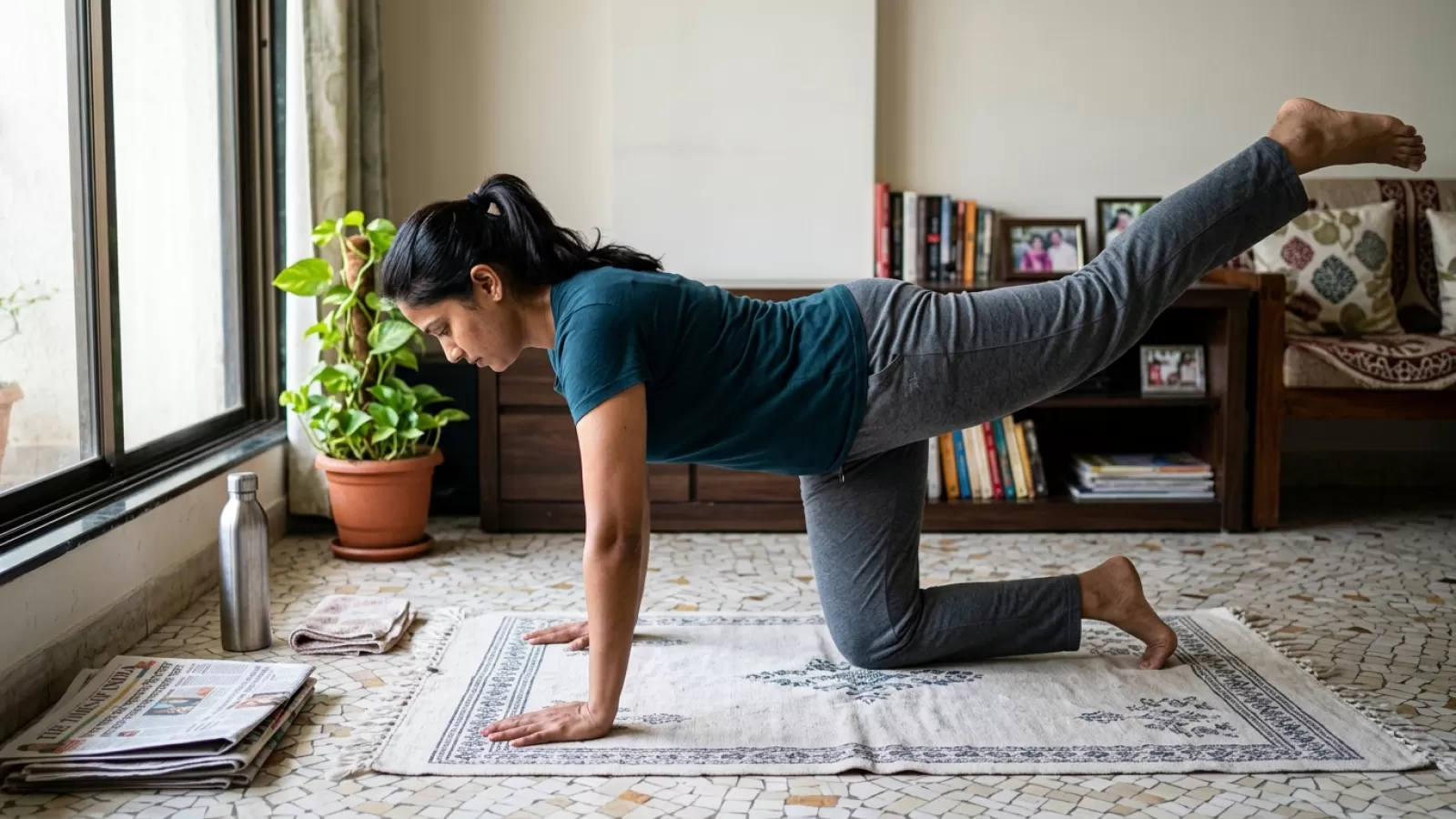
Most Indian homes, especially these days, tend to have everyone hunched over something—phones, laptops, TV remotes, or even the kitchen counter. If you've ever noticed your shoulders rounding or your neck jutting forward (especially during long family WhatsApp calls), you're not alone. Many families quietly deal with nagging backaches or stiff necks, and often, it’s got less to do with age and more with how little we move and how our daily routines shape our bodies.
Why Posture Matters More Than We Realize
Posture sounds like something our school teachers used to nag us about, but poor posture creeps up quietly with age and inactivity. It isn’t just about looking taller or more confident; it actually affects how your back, shoulders, and neck feel every day. When muscle tone is lost from too much sitting or lying down, your body starts to slump, and aches become a regular visitor.
Living through busy mornings, working from home, or even after a long day of chores and cooking, our bodies crave movement and support. The trouble is, most of us don’t know where to start or how to fit exercises into a packed day. The good news? You don’t need fancy equipment or a gym membership—just some space in your living room, a mat (or even a thick bedsheet), and a little bit of regular effort.
What Causes Bad Posture at Home?
If you think bad posture is just about sitting wrong, there’s a bit more to it. In many Indian households, the following are quite common:
- Sitting on low stools for chopping veggies or folding clothes
- Slouching on the bed while watching TV or scrolling through social media
- Working on laptops at the dining table, hunched forward for hours
- Standing for long periods while cooking or doing household chores without proper back support
All these little habits add up. Over time, muscles that support your spine, shoulders, and hips become weak. That’s when your body starts compensating, leading to that familiar stiffness or pain after a busy or lazy day.
Can Simple Exercises Really Help?
Here’s the thing: most of us don’t need complicated routines. Basic strength movements done regularly help to gently tone the muscles that hold your body upright. They also help you feel less tired during the day. The key is not going overboard or expecting results overnight. Like many things—making soft rotis, keeping a plant alive, or raising children—consistency matters more than intensity.
That said, if you’re living with severe pain or a medical condition, it’s best to be careful and check with your doctor before starting any new routine. For most people, however, a few minutes a day can make a difference you’ll actually notice in your everyday comfort.
Easy Toning Exercises You Can Try at Home
Here are some simple, tried-and-true movements that fit into most Indian homes and routines (no fancy machines, just basic movements):
- Wall Slides: Stand with your back against a wall, feet apart. Slide your arms up and down the wall, keeping your elbows and wrists in contact. It wakes up your upper back and shoulders.
- Seated Cat-Cow: Sit on a sturdy chair with your feet flat. Arch your back and look slightly upwards (cow), then round your back and tuck your chin (cat). This helps loosen a stiff spine after long sitting.
- Bridge Pose: Lie on your back, knees bent, feet on the floor. Lift your hips slowly, hold, and lower down. It tones your back, hips, and even your hamstrings.
- Chin Tucks: While sitting or standing, gently pull your chin back (as if making a double chin). Hold for a few seconds. This strengthens the neck and upper back muscles.
Even just 5-10 repetitions of each, done slowly and with control, can be enough to start with. You could try these during a TV ad break or after finishing evening tea.
Tips to Fit Exercises into a Busy Indian Day
The biggest complaint? “There’s no time!” Between household chores, work, and family, carving out even ten minutes can seem impossible. But here’s a gentle truth—most routines can be adjusted just a little to make space for movement.
- Try standing wall slides or chin tucks while waiting for the cooker’s whistle.
- Do a few seated cat-cows before you start your morning WhatsApp messages.
- Pair bridge poses with your favorite evening radio song or bhajan.
- If you have small children or grandchildren, invite them to join—they often find these movements fun.
Some days, you’ll forget or feel too tired. That’s completely normal. The goal isn’t perfection, just a gentle nudge towards more movement.
Making It a Habit: Small Steps, Real Results
Here’s the catch—doing these exercises once or twice won’t magically fix years of slouching or inactivity. But, much like adding a pinch of salt to dal, a little every day goes a long way. Setting a reminder helps, or linking exercise to a daily routine (like after your morning chai or before bedtime) makes it easier to remember.
Many families find that doing these movements together, even for 5 minutes, turns it into a comforting ritual—something you look forward to, not just another task. You may not notice dramatic changes at first, but small improvements in how you feel (or even how easily your kurta fits across the shoulders) tend to show up quietly over a few weeks.
Some people like to keep a small notebook or calendar to mark exercise days—not to judge themselves, but just as a gentle way to keep track of progress. It’s less about discipline and more about building a habit.
Staying Safe and Comfortable
Safety always comes first. These movements are generally safe for most people, but everyone’s body is different. If you ever feel sharp pain or dizziness, it's best to stop and rest. Sometimes, tight muscles just need a bit more time to adjust.
Wearing loose, comfortable clothes and doing exercises on a mat or carpet helps avoid slips. And of course, there’s no need to force your body into any position that feels uncomfortable. Gentle stretching and slow, steady movements are usually more effective than pushing too hard.
On humid days (especially during the Indian summer), keep a bottle of water nearby. If you feel tired, just pause and come back to it another time.
Other Everyday Habits That Support Good Posture
Exercises help, but the way you move throughout the day matters just as much. You’ve probably noticed how easy it is to slump while sitting for long periods or stand with weight on one leg while chatting with a neighbour.
- Try to adjust your chair or cushion for better back support while working or watching TV.
- Take short breaks every hour to stand, stretch, or walk around the house.
- When lifting grocery bags or buckets, bend your knees and keep your back straight.
- Encourage family members—especially children and elders—to join you in these small changes.
Sometimes, even small changes—like placing a rolled towel behind your lower back or switching sitting positions—can make a surprising difference.
Listening to Your Body and Finding Joy in Movement
Every body is different. Some days, you’ll feel energetic; other days, stiff or tired. It’s okay to rest and take things slow. What matters is tuning in—if a movement feels good, try it a little longer. If not, skip and come back another day.
Many people find that adding music, a favorite old movie, or doing exercises with a friend or family member makes it more enjoyable. Sometimes, the best motivation is just knowing you’re taking small steps for yourself—not to impress anyone, but to move through daily life with a little more comfort.
In the end, better posture isn’t about standing like a soldier or aiming for picture-perfect alignment. It’s about feeling at ease in your own body, whether you’re making chai, playing with grandchildren, or just sitting peacefully after a long day. Small, regular movements at home—woven into your own routine—can help you get there, one gentle step at a time.