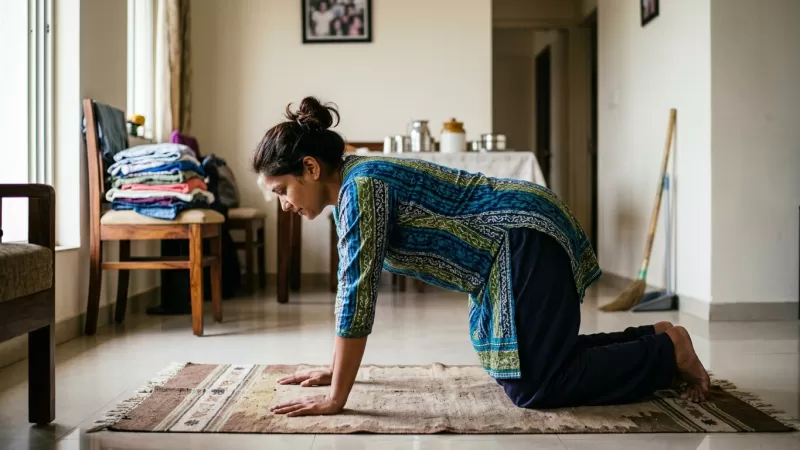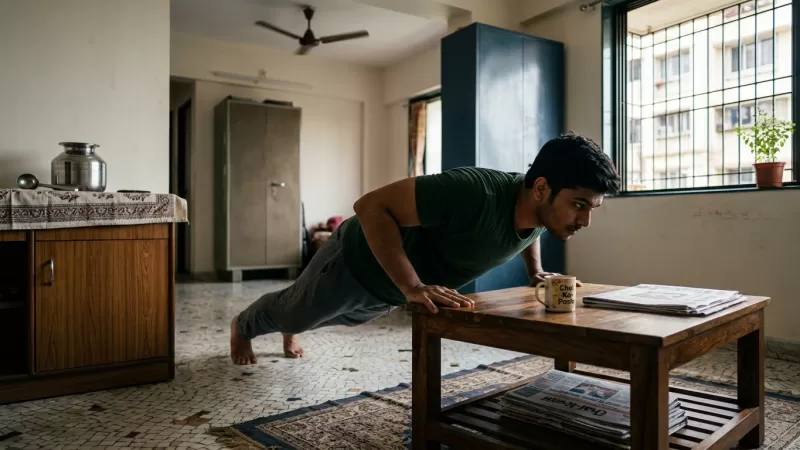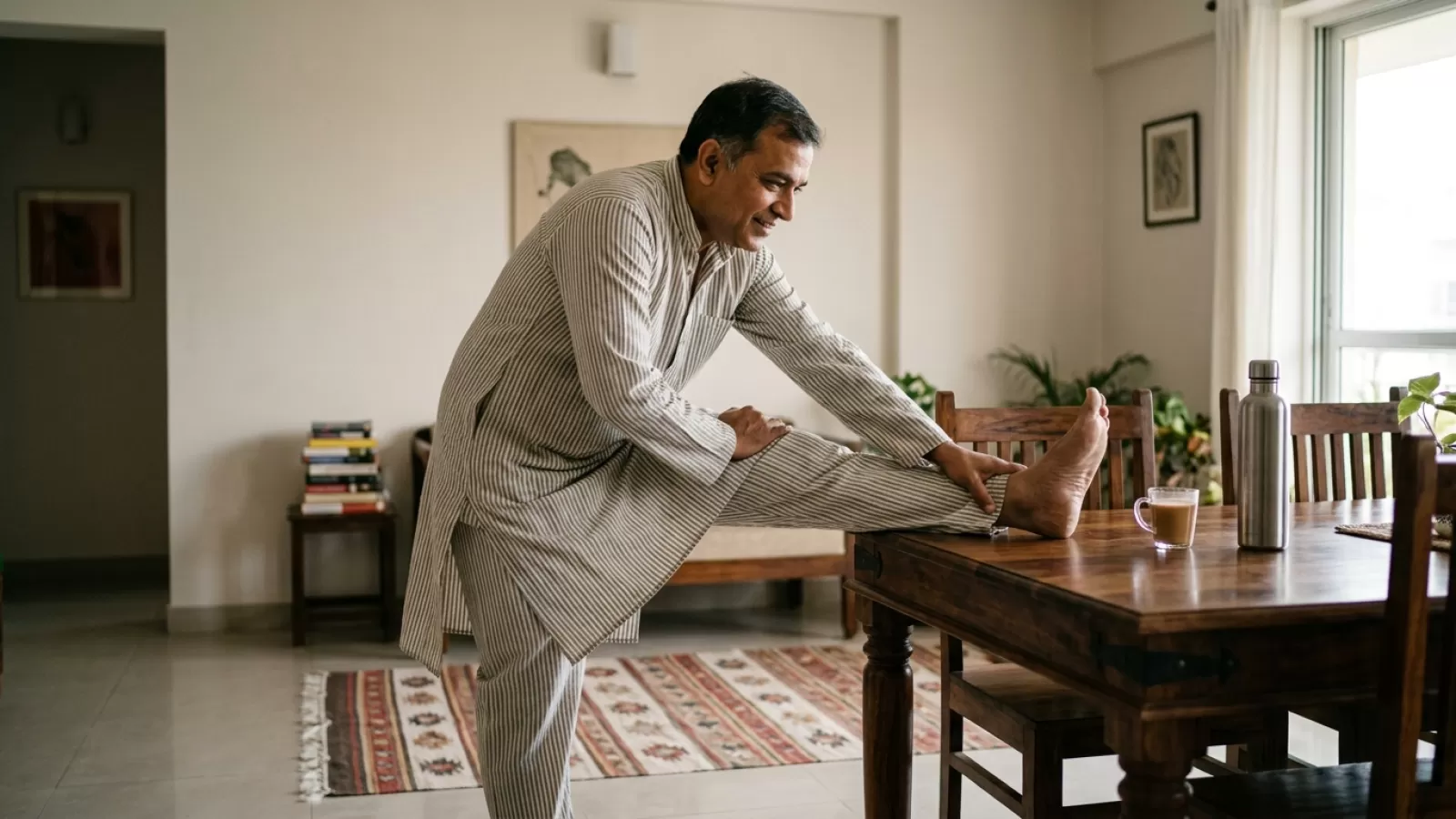
Many of us are spending more and more time indoors these days. Whether it’s because of the heat, work-from-home routines, caring for kids or elders, or simply the comfort of home, our movement often gets limited to short walks from one room to another. If you’ve caught yourself sitting for hours—on the sofa, at your desk, or even the kitchen table—you’re not alone. Plenty of families quietly deal with stiffness, backaches, or that heavy-legged feeling after a long day inside. The good news? You really don’t need a gym or fancy equipment to move your body. Even your living room can be enough.
Why Movement Matters (Even if You Aren’t Trying to Lose Weight)
Let’s be honest—most people think about exercise only when there’s a health scare or a weight issue. But regular movement does a lot more. It helps with joint flexibility, keeps your blood flowing well, and can even lift your mood. In many Indian homes, older family members often say, “move your limbs or you’ll lose your strength.” There’s some truth to that, especially if you notice your knees or back getting stiff after sitting for hours.
Here’s the catch: you don’t need to do anything dramatic. Even gentle, everyday movement helps. Think of it as oiling your body’s hinges. A little bit, done regularly, goes a long way.
And no, you don’t have to block out a strict hour each day or set alarms for endless routines. Movement can happen in small bursts—while watching TV, waiting for the pressure cooker to whistle, or even during those endless phone calls. The trick is to make it fit into your actual life, not the other way around.
Simple Standing Moves for Small Spaces
Most Indian living rooms aren’t huge, and shifting furniture isn’t practical for everyone. Luckily, you can do plenty while standing in a small area. These movements don’t need any equipment or special clothes—just comfortable space to stand and swing your arms without knocking over a vase.
- Marching in Place: Just lift your knees, one at a time, as if you’re marching. Start slow, then try a bit faster if you like. Do this during TV ads or while waiting for your chai to boil.
- Side Stepping: Take a step to the right, then to the left, and repeat. It’s surprisingly effective for waking up your hips and legs. Many people find this easier than regular jumping jacks.
- Gentle Twists: Stand with feet apart, hands on your waist or outstretched, and slowly twist your upper body side to side. It helps loosen your lower back, especially after long periods at the computer.
- Heel Raises: Stand and slowly lift your heels so you’re on your toes, then lower again. This simple move strengthens your calves and helps with circulation.
It’s easy to remember these moves and sneak them in—sometimes while talking to family or even folding laundry.
Chair-Based Movements (Perfect for Seniors and Busy Professionals)
If standing for long stretches feels tiring, or you’re often glued to a chair for work calls, there are still options. Chair movements are gentle, safe for most, and can be done with any sturdy, armless chair you already have at home.
- Seated Leg Lifts: Sit upright and slowly lift one leg at a time, hold for a second, then lower. Even five to ten repetitions can help loosen stiff knees.
- Seated Arm Circles: Extend your arms to the sides and make small circles, forward and backward. It’s good for your shoulders, especially if you’ve been typing or chopping vegetables for ages.
- Knee-to-Chest: While seated, gently bring one knee up towards your chest, hold, and release. Alternate sides. This can ease hip tightness and helps after long hours of sitting.
You might feel a bit silly at first, especially if you’re not used to moving on the chair. But give it a try—over a few days, it often starts to feel quite natural.
Quick Routines During Household Chores
Many Indian homemakers already spend plenty of time on their feet—sweeping, mopping, cooking, or hanging laundry. The trick is to turn these moments into opportunities for a little extra movement, rather than just chores to get through.
For example, while rolling rotis, you can stand on one foot for a few seconds at a time (holding the counter for support if needed). This gently works your balance and leg muscles. Or, while waiting for water to boil, try a few gentle squats or toe-touches.
- Bending to pick up things from the floor? Use it as a chance for a slow forward stretch, letting your back and hamstrings loosen up.
- Wiping the table or windows? Switch arms, or make big, sweeping circles to work your shoulders and upper back.
- Carrying laundry? Pause and do a few shoulder shrugs or gentle twists before setting the basket down.
It might not seem like much, but these small movements add up over the week.
Stretching: The Forgotten Friend
Stretching isn’t just for athletes or yoga classes—it’s for anyone who wants to avoid that stiff, creaky feeling. In Indian homes, stretching often happens naturally while yawning or after waking up, but a few intentional stretches now and then make a difference.
The beauty is, you don’t need to follow any complicated sequences. A few basic stretches, held for 10–20 seconds, can offer relief. Here are some ideas:
- Overhead Reach: Stand or sit, raise your arms overhead, and gently stretch upwards. You’ll feel it in your shoulders and back.
- Side Stretch: With one arm overhead, lean gently to each side. It helps with the waist and the sides of your back.
- Neck Rolls: Tilt your head side to side, or make slow circles. If you’ve been looking down at your phone a lot, this is especially helpful.
Some people tend to skip stretching because it doesn’t feel like ‘exercise’. But if you’ve ever had a sore back after sitting for too long, you know how much a simple stretch can help.
Movement Ideas for the Whole Family
Getting everyone involved can be a fun way to make movement part of daily life. Children, elders, and even reluctant adults often join in if it feels like play rather than a chore.
In the evenings, try turning on some old film songs and invite everyone to sway or tap their feet together. You don’t have to dance seriously—just moving along with the music is enough. Many families also play simple games, like passing a soft ball from one person to another, or even trying a few rounds of musical chairs with the kids.
During festivals or family gatherings, take advantage of the extra energy to do some group stretching or a quick round of ‘Simon Says’ with everyone. It tends to bring out laughter—and movement—without anyone feeling self-conscious.
These shared moments matter. They’re not just good for the body, but for family bonding as well.
What to Do When You Feel Tired or Unmotivated
Let’s face it—some days, you just don’t feel like moving. Maybe you’ve had a rough night, or the weather is too hot, or you’re simply not in the mood. That’s alright. It happens to everyone.
On such days, try starting with the gentlest possible movement. Even standing up and walking around the room once or twice is better than nothing. Sometimes, after a few minutes, you’ll notice your energy picks up a little.
If not, don’t force it. Listen to your body, and try again later. Movement should feel like a kindness to yourself, not a punishment for sitting still.
That said, if you find yourself skipping movement for days at a stretch, it might help to set a small daily reminder or pair movement with something you already do—like stretching while waiting for your tea to steep.
Making Movement a Natural Part of Your Day
The tricky part is building a habit that sticks, especially when life gets busy. Many people start with enthusiasm, only to stop when work deadlines pile up or family needs take over. The key is to make movement as normal as brushing your teeth—something you do without much thought.
Here are a few gentle tips that may help:
- Keep a small area clear in your living room so you can move easily, even if it’s just a corner.
- Pair movement with daily routines—stretch before breakfast, march in place during TV time, or do ankle circles before bed.
- Don’t aim for perfection. Even five minutes counts on a busy day.
- Share your plans with a family member; a little encouragement goes a long way.
You’ve probably noticed, in most Indian homes, routines are built around small rituals—chai breaks, evening news, prayer time. In the same way, movement can become one more gentle rhythm in your day.
Gentle Reminders for Safe and Enjoyable Movement
Before you start trying new movements, it’s wise to listen to your body. If something feels uncomfortable or causes pain, pause immediately. Some stiffness or mild stretching sensation is normal, but sharp pain or dizziness isn’t.
Wear comfortable clothes and keep some water nearby, especially during summer. Open a window or switch on the fan for good airflow. Take it easy at first—there’s no race here.
If you have any health concerns or ongoing medical conditions, it’s always best to check with your doctor before making big changes to your routine. But for most people, these gentle, everyday movements are a safe way to keep the body active, flexible, and a little more cheerful—right inside your own home.
In the end, the goal isn’t to become super fit or athletic. It’s to feel a bit lighter, a bit less stiff, and to gently remind yourself that your body was made to move, even on the quietest days indoors.