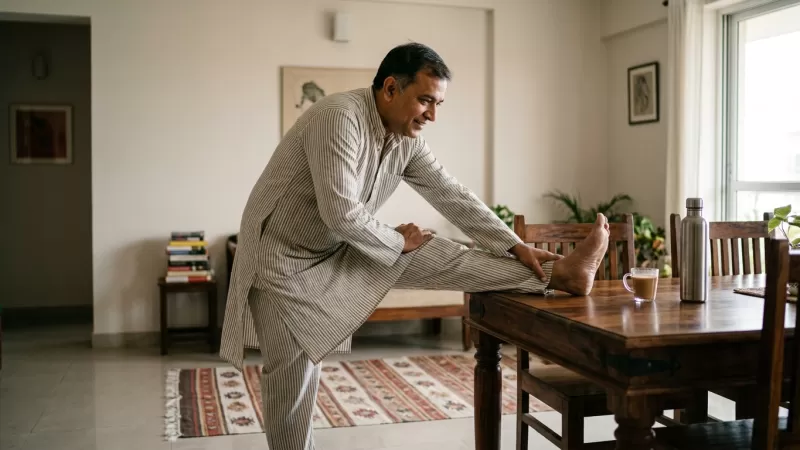
It’s no secret that most Indian families these days are up against the clock. Between office calls, school homework, kitchen chores, and a never-ending list of small tasks, finding even half an hour just for yourself seems like a luxury. Physical activity? For many, it’s the first thing that gets dropped on busy days. But here’s a gentle truth—your joints and muscles don’t need long hours at the gym to feel cared for. Even ten minutes, if done right, can make a noticeable difference over time. You don’t need special equipment, fancy shoes, or to leave your home. Just a little space, a pinch of motivation, and a willingness to start.
Why Short Workouts Can Actually Work
There’s a common belief that exercise only counts if it’s a full-blown workout session—thirty minutes or an hour. In reality, several small bursts of movement throughout the day add up, especially when you’re consistent. Many Indian homes, especially joint families, quietly deal with creaky knees or stiff shoulders, often chalked up to age or the weather. But regular, short movements can help keep joints flexible and muscles active, even if you’re not training for a marathon.
The tricky part is that motivation tends to dip when you’re tired or overwhelmed. That’s why short routines—just ten minutes—are easier to fit in. You might even find them enjoyable once they become a habit. Plus, quick workouts can be done in pajamas, just before your morning chai, or while waiting for the cooker’s second whistle.
So, don’t worry if you can’t manage an hour. Ten minutes is worth celebrating.
How to Find Your Ten-Minute Window
One challenge is not just finding time, but noticing it. You might think your day is packed from start to finish, but there are usually tiny gaps—right after waking up, during TV ads, or in the evening when everyone’s winding down after dinner.
Here are a few common situations where a short workout can slip in:
- Before your morning shower, while everyone else is still asleep.
- Just after dropping kids at the bus stop or logging off a work call.
- While waiting for tea to brew.
- After dinner, before you start the next round of clearing up.
- When you find yourself scrolling endlessly on the phone.
It’s not about making yourself feel guilty for resting. It’s about noticing those little pockets and gently using one of them for your own health.
Gentle Mobility for Stiff Joints
Joint stiffness is something you’ve probably noticed, especially during winter mornings or after long periods of sitting (think: long work calls or movie nights at home). Ten minutes of gentle mobility can work wonders for knees, hips, shoulders, and back.
Consider this simple routine for joint mobility:
- Neck circles: Slowly roll your head in a gentle circle, both directions (30 seconds).
- Shoulder rolls: Lift and roll your shoulders forward and back (1 minute).
- Arm swings: Gently swing arms across your chest and back out (1 minute).
- Hip circles: Hands on hips, rotate your hips in a wide circle (1 minute).
- Knee lifts: March in place, lifting knees one at a time (2 minutes).
- Ankle rolls: Stand on one leg, rotate the other ankle (30 seconds each leg).
Most of these moves are quiet and don’t need much room. They’re especially good for seniors or anyone who feels body aches creeping in with age. You can do these in the living room, even with family around.
Quick Strength and Balance Without Equipment
Strengthening muscles doesn’t always require dumbbells or gym machines. Bodyweight exercises can be just as effective, and they help with joint support too. If you’re new to this, start slow and listen to your body—there’s no rush.
Here’s a short set you can try:
- Wall push-ups: Stand arm’s length from a wall, press your body towards it and back (1–2 minutes).
- Chair squats: Sit down and stand up from a sturdy chair, using just your legs (2 minutes).
- Standing calf raises: Rise up on your toes and lower down (1 minute).
- Single-leg balance: Hold onto something and balance on one leg, then switch (1 minute each leg).
These moves fit nicely into Indian homes, where space can be limited and floors aren’t always soft. They’re also easy to do in between kitchen chores or before your evening bath. Over time, these small efforts help with strength and balance, which really comes in handy as we get older.
Stretching for Flexibility—Especially After Sitting
If you’re sitting for long hours—whether it’s office work, TV, or even sorting laundry—muscles tend to stiffen up. A few basic stretches can help loosen things up. You might find that even a short stretching break makes you feel fresher for the next round of tasks.
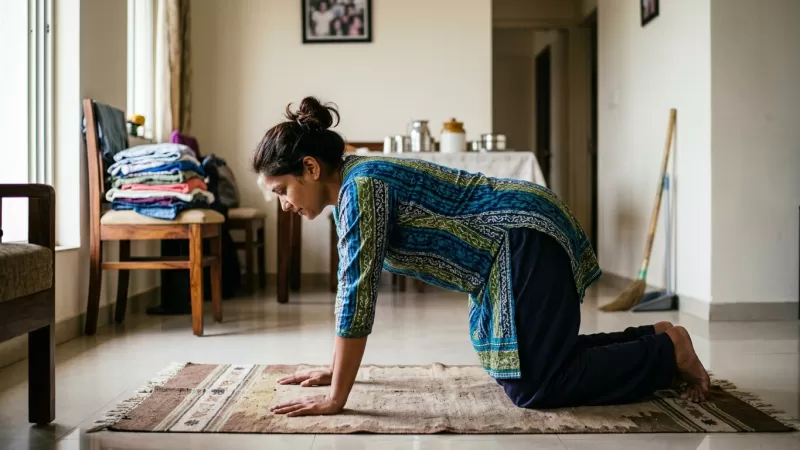
- Cat-cow stretch: On all fours, arch and round your back gently (1 minute).
- Seated forward bend: Sit with legs out, lean forward gently (1–2 minutes).
- Side stretch: Stand or sit, reach one arm overhead and bend sideways (1 minute each side).
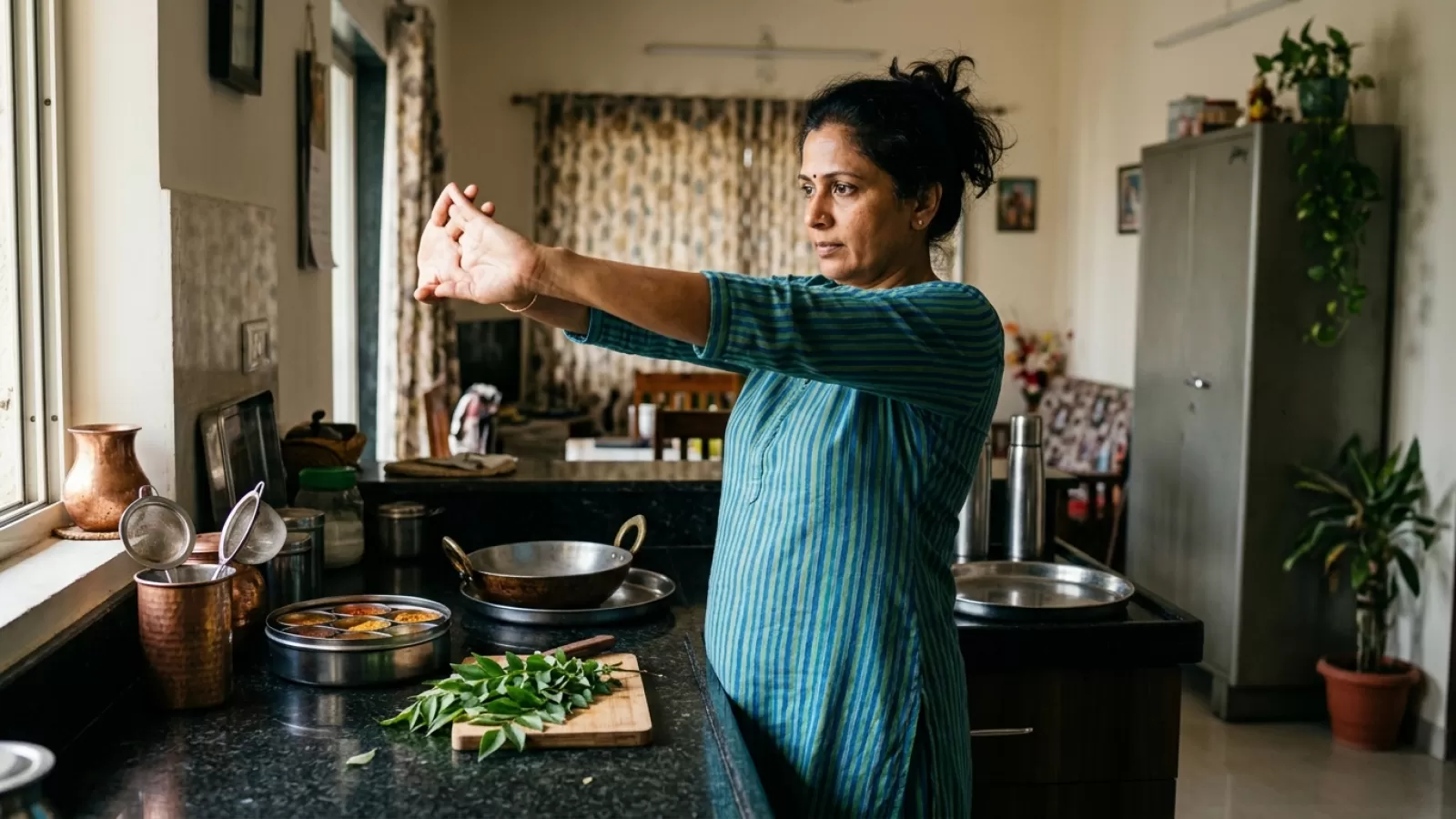
- Shoulder stretch: Bring your arm across your body, hold with the other arm (1 minute each side).
Most of these stretches can be done on a mat, a carpet, or even on your bed. The key is to move slowly and breathe—no need to push hard or force anything. Stretching isn’t about touching your toes; it’s about feeling a gentle release in your muscles.
Making It a Family Affair
Sometimes, motivation is easier when you’re not alone. In many Indian homes, movement happens naturally—think of family games during festivals or kids running around during a power cut. You can bring that same energy into short workouts too.
Here are a few ways to involve others:
- Invite your spouse or child for a quick round of joint exercises before dinner.
- Try a short dance session—a Bollywood song is usually about 3–4 minutes, so two songs does the trick.
- Challenge each other to balance on one leg while brushing teeth or during TV ads.
- Ask elders to show traditional stretches or yoga moves they remember.
It doesn’t have to be serious. Sometimes, a little laughter and movement together does more for health than a strict routine.
Staying Motivated on Tiring Days
Let’s be honest, there are days when even ten minutes feels impossible. Maybe you’re up late helping with homework, or just too drained after a tough day at work. That’s normal. The trick is not to let one skipped day turn into a skipped week.
Here are a few gentle reminders to keep you going:
- Keep your expectations realistic—aim for consistency, not perfection.
- Celebrate small wins: managed five minutes? That still counts.
- Pair your movement with something pleasant, like listening to music or a podcast.
- Place a sticky note on the fridge or mirror as a gentle reminder.
Some days, you might only manage neck rolls while waiting for your tea. That’s okay. Every small bit adds up over the weeks.
Little Rituals That Help You Stick With It
Habits are easier to keep when they’re attached to something you already do. For example, you might stretch your arms and back right after morning prayers or do ankle rolls while watching the news. Many families find that linking movement to a daily ritual—like before breakfast or after evening tea—makes it less likely to be forgotten.
A few habit ideas:
- Keep a yoga mat rolled out in the corner, so it’s easy to start.
- Set a daily alarm for your preferred ten-minute slot.
- Use the time when the pressure cooker is on—those few minutes are perfect for a quick routine.
- Share your progress with a friend or family member for gentle accountability.
Over time, these little rituals become almost automatic. That’s when movement starts to feel less like a chore and more like a normal part of your day.
A Final Word: Be Kind to Yourself
No routine is perfect. Life in India is busy, unpredictable, and sometimes just messy. Some days you’ll manage a full ten-minute routine, and on others, you might only stretch your arms between chores. What matters is the intention to care for your body, in whatever way fits your life.
So, if you’re feeling guilty about not exercising enough, let that go. Start with just ten minutes, whenever you can. Your joints and mind will thank you. And remember—every effort counts, even the small ones.