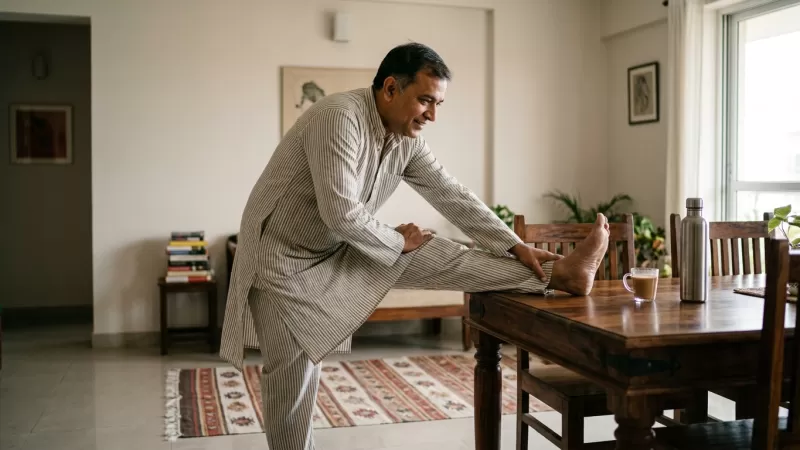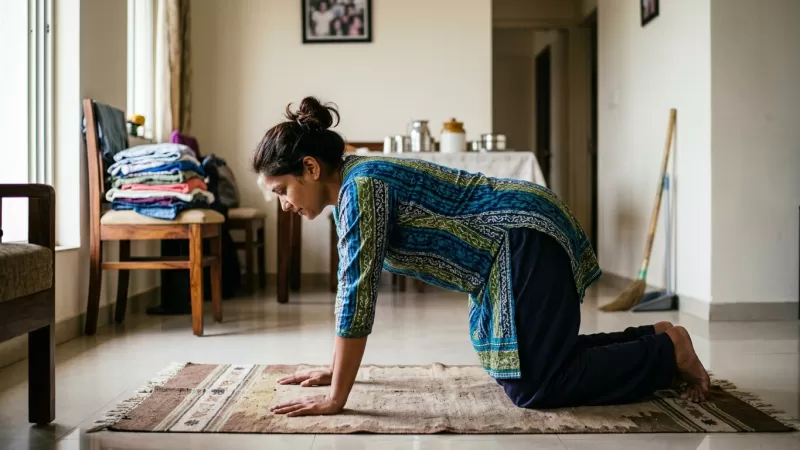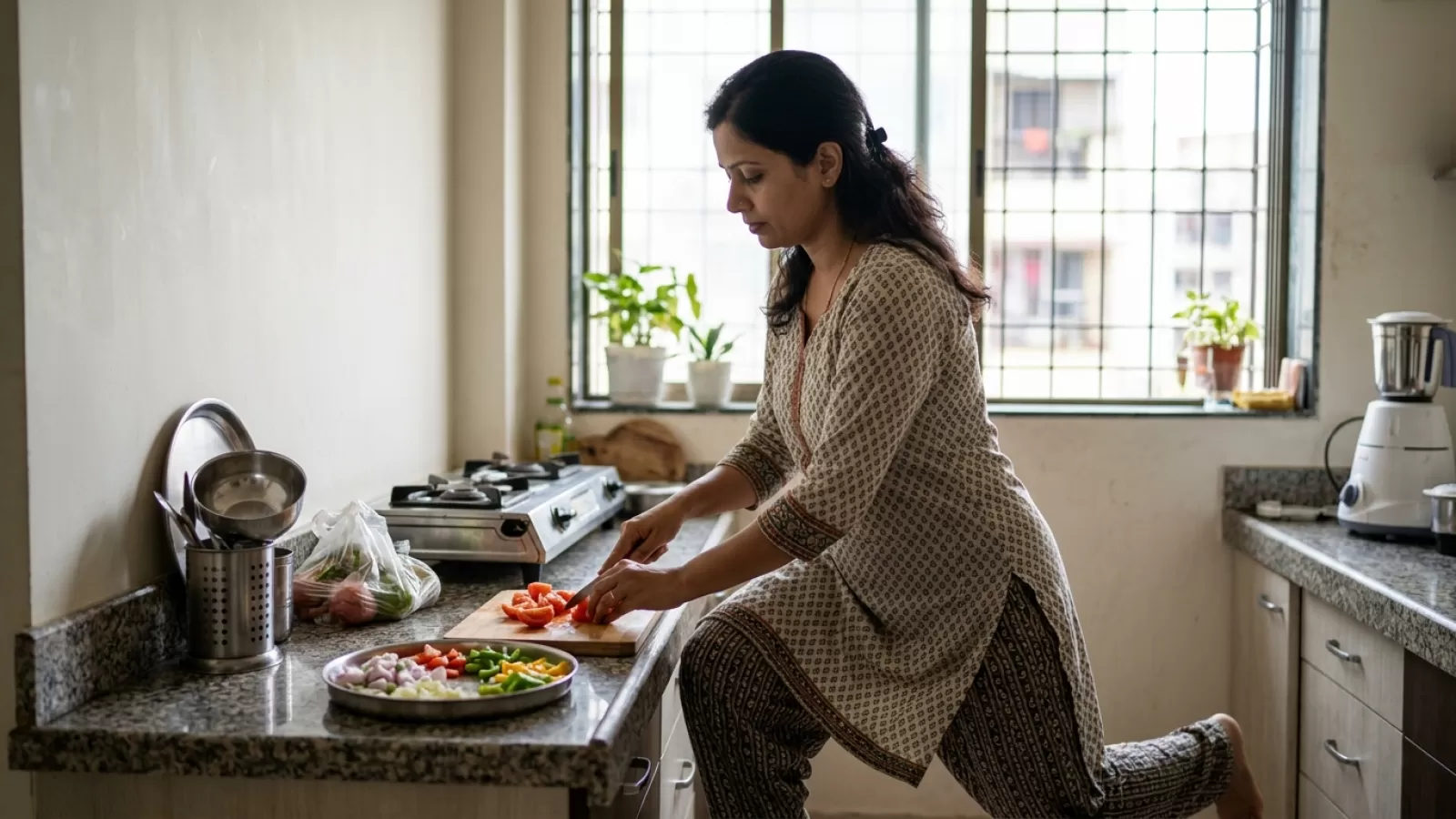
Between early morning chai, packing tiffins, juggling office calls, and keeping up with the endless march of laundry baskets, the idea of carving out a full hour for exercise can feel like wishful thinking. In many Indian homes, especially during busy weekdays or festival seasons, "me time" for fitness often slips right off the list. But here's a gentle truth—moving your body doesn't always mean formal workouts or fancy equipment. With a little creativity, you can blend simple, light movements into your daily chores and routines, quietly adding more physical activity to your life without losing those precious minutes.
Why Chores Are a Natural Place for Movement
You've probably noticed that some days, by bedtime, your legs feel tired even though you never did a single set of jumping jacks. That's because household chores—sweeping, cooking, folding clothes—already involve a fair bit of movement. In most Indian homes, chores tend to be hands-on, whether you're fixing a quick upma for breakfast or changing bedsheets in the afternoon.
The problem is, we usually don't think of these moments as "exercise." So we rush them or stay stuck in one position for too long. But if you approach household tasks with a bit more intention, they can become gentle but effective ways to stay active, especially when formal exercise feels impossible.
And honestly, light movement spread out through the day is often more sustainable for busy families than one intense workout session.
Start With Standing: The Easiest Move
Sitting for hours is common now, especially with work-from-home jobs, long TV evenings, and family WhatsApp chats. But standing itself burns more energy than sitting, and it gives your legs and back a small but useful workout.
Consider these small changes:
- Chop vegetables or peel garlic at the kitchen counter instead of sitting on the sofa.
- When talking on the phone (with family or office), stand up and pace gently in the room or balcony.
- During TV time, stand up during ad breaks or between episodes—walk to refill your water, stretch your arms, or tidy up a corner.
It may not sound like much, but many people quietly benefit from this. It keeps your body gently active, and after a few days, you might even feel a little lighter on your feet.
Make Cleaning Work for You
Sweeping, mopping, dusting—these are chores that never seem to end. While they can feel like a burden, they also present a natural opportunity for movement. Instead of rushing through, try tuning into your body as you work.
For example, when sweeping with a jhadu, keep your knees slightly bent and alternate hands to use both sides of your body. When mopping (especially with a pocha), use your legs to step forward and back, not just your arms. This helps engage your thigh and glute muscles, making the work feel less tiring in the long run.
Here's a thought: Put on some light music while you clean. Many families do this quietly, and the rhythm can make you move a bit more naturally, even if it's just a slow sway or gentle side steps.
Cooking: Gentle Stretches at the Stove
Most Indian kitchens see a lot of standing, chopping, stirring, and waiting for the pressure cooker whistle. Use these natural pauses to stretch and move a little.
- While waiting for dal to boil, gently roll your shoulders, shrug them up and down, or rotate your wrists.
- Stretch your calves by rising up on your toes and slowly lowering back down (hold the counter for balance if you need to).
- Try side bends—reach one arm overhead and gently lean to the opposite side, then switch. It helps release stiffness after long stints of chopping or stirring.
The tricky part is remembering to do these stretches, but once it becomes a habit, cooking time can double up as a quiet self-care moment.
Stairs: The Built-In Treadmill
If your home or apartment building has stairs, they're a simple and free way to add movement. Many people avoid them out of habit, especially on tired days, but taking even a few flights—slowly and safely—can make a difference.
Some easy ways to fit stairs into your routine:
- Carry laundry, groceries, or small items upstairs one at a time instead of loading everything at once.
- If you live in a flat, consider taking the stairs instead of the lift for one or two floors when you have a bit of time.
- Let children or elders set the pace—it's not a race, just a gentle way to keep moving.
Of course, skip this if you have knee pain or doctor’s advice against stairs. But for many, it's one of those everyday fitness tools hiding in plain sight.
Family Time: Moving Together, Not Just Sitting
Evenings in many families mean everyone in one room—TV on, phones out, or chatting over tea. While rest is important, you could also use these moments for light, playful movements.
- Play a short game of passing the ball, antakshari with simple dance moves, or even tidy up toys/books together.
- During long phone calls with distant relatives, walk slowly around the house or gently sway if standing feels tiring.
- Invite children or elders to join for a few gentle stretches or hand-opening exercises—sometimes, watching others join in makes it less awkward.
It won't be a formal workout, but over time, these shared movements can help everyone stay a little more active without adding pressure.
Laundry and Folding: Sneak in Some Moves
Folding clothes is a familiar sight in Indian homes—whether it's a mountain of school uniforms or endless towels. Next time you're at it, try these small additions:
- Seat yourself on the floor, legs stretched out in front, and reach forward gently as you fold—this helps keep your back flexible.
- If standing, place folded clothes on a higher surface so you have to stretch lightly each time you stack.
- Pause every few minutes to roll your shoulders or twist gently side to side, especially if you’ve been sitting still for long.
These are humble moves, nothing dramatic, but they quietly add up—especially if done regularly.
Listen to Your Body—And Your Day
Some days are just too packed, or you're simply too tired. That's okay. It's not about perfection or turning every chore into an exercise class. The real goal is to keep your body gently active in ways that fit your life, not force something that adds more stress.
On days when you have a little more energy, try adding a few extra stretches or walking rounds at home. When you're drained or it's too hot (especially in peak Indian summers), it's fine to keep it very light. Listen to your body, and remember—every little bit helps, even if it doesn't look like "exercise."
After all, movement is just another part of caring for yourself and your family, quietly woven into the rhythms of everyday life.