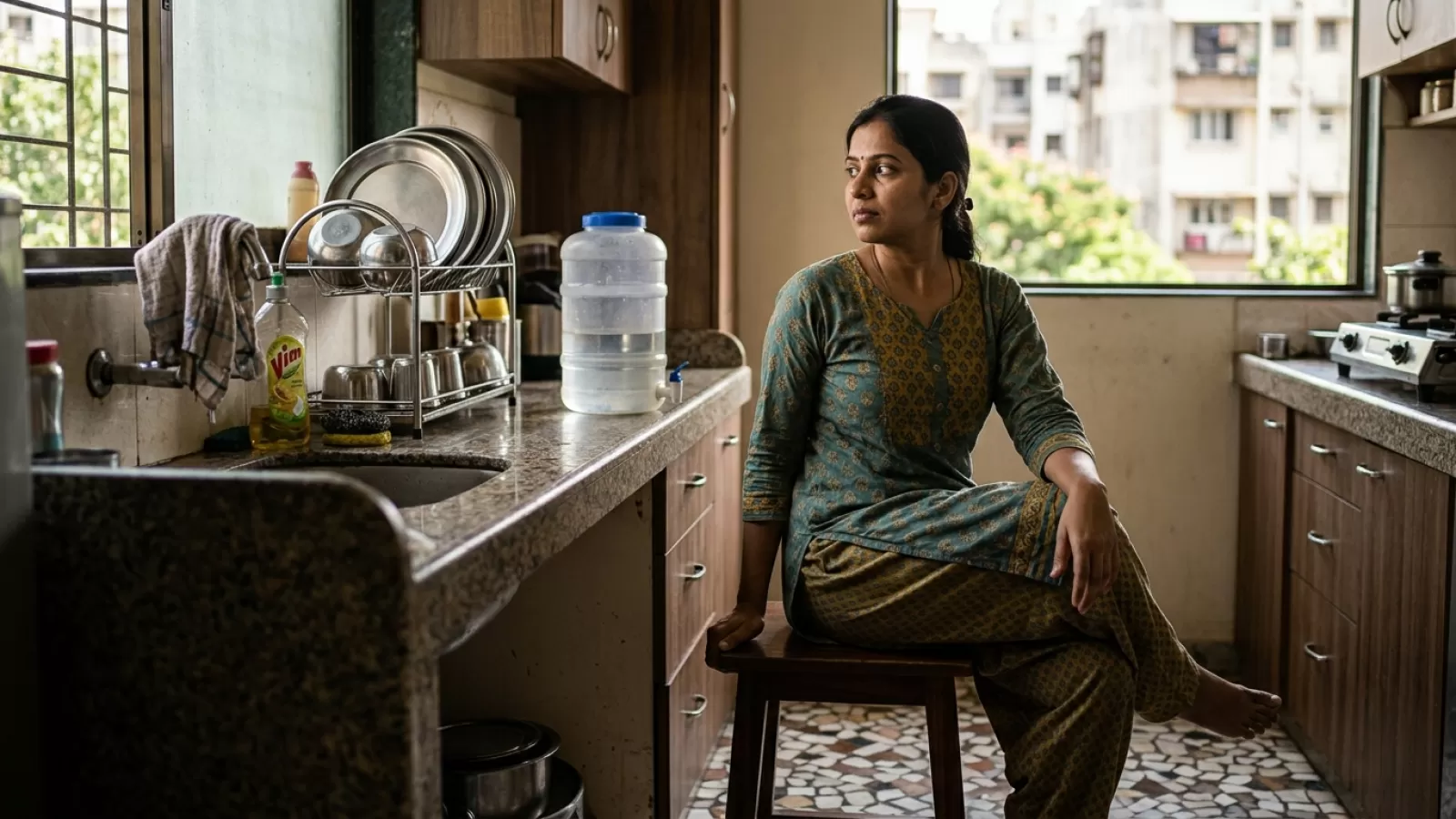
After a long day spent sweeping, mopping, dusting, and scrubbing, it’s no surprise if your arms, back, and legs feel heavy and sore. In many Indian homes, deep cleaning—whether it’s for Diwali, a wedding, or just your usual Saturday—often means hours of bending, reaching, and lifting. The aches that follow aren’t dramatic, but they do quietly disrupt your evening, making even simple things like sitting for chai or getting a good night’s sleep a bit uncomfortable.
Why Does Cleaning Leave Us So Sore?
It’s easy to forget that cleaning is, in its own way, a workout. Think about the motions: reaching up to dust fans, crouching to scrub the bathroom floor, shifting furniture for a thorough sweep. These movements use muscles that usually don’t get much attention during daily routines. The next day, you might feel a tightness in your shoulders or a dull ache in your lower back.
Most people don’t stretch before or after cleaning, simply because it doesn’t feel like exercise. That said, your body notices the difference. Over time, ignoring these little strains can add up, especially if you’re cleaning regularly or managing other household work.
So, what helps? Gentle, regular stretching—nothing fancy, nothing that needs a yoga mat or gym clothes. Just a few minutes here and there, right at home.
Simple Stretches You Can Do Anywhere
Here’s the nice part: most stretches that help after cleaning can be done standing, sitting, or even leaning against a wall. You don’t need special training. The main thing is to move slowly and listen to your body. If you feel pain (not just a stretch), ease off immediately.
- Shoulder Rolls: Roll your shoulders gently forward and backward, ten times each direction. This eases the stiffness from carrying buckets or wiping high shelves.
- Neck Side Stretches: Tilt your head to one side, bringing your ear towards your shoulder. Hold for 10–15 seconds, then switch sides. This helps after looking down while sweeping or mopping.
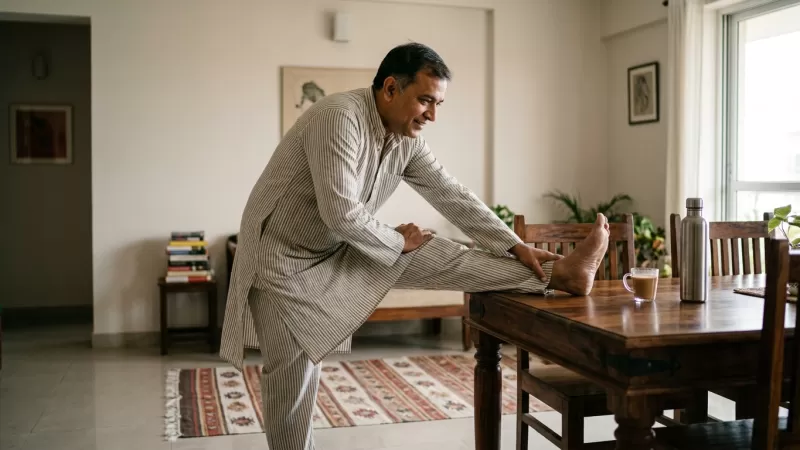
- Standing Forward Bend: Stand with feet hip-width apart, and gently bend forward, letting your arms dangle. This stretch is very soothing for your back and hamstrings after lots of bending.
- Wrist Rotations: Rotate each wrist in circles, ten times in both directions. Especially helpful after wringing clothes or scrubbing floors.
Most people find these stretches surprisingly comforting after a heavy cleaning session. You may already do some of them without realizing it—like stretching your arms overhead when you feel tired.
When and How Often Should You Stretch?
The best time to stretch is soon after you finish cleaning, before your muscles tighten up too much. If that’s not possible, even stretching later in the evening can help. There’s no strict rule; what matters is making it a regular part of your routine, just like washing up after dinner.
Many homemakers and seniors quietly include small stretches while waiting for the cooker’s whistle or the tea to boil. It doesn’t have to be a big production. Even two or three minutes matter.
Here’s the catch: If you’re feeling very exhausted or dizzy, focus on rest and hydration first, then try gentle stretching a bit later. Sometimes, the body just needs a break.
Gentle Stretches for Lower Back Relief
Lower back pain is a common complaint after hours of floor cleaning, especially in Indian homes where sitting on the floor is still part of life. To ease this, there are a few simple stretches you can try right on your bed or a soft carpet.
- Knees-to-Chest: Lie on your back, gently pull both knees towards your chest, and hold for 10–20 seconds. This gives your lower back a nice, gentle stretch.
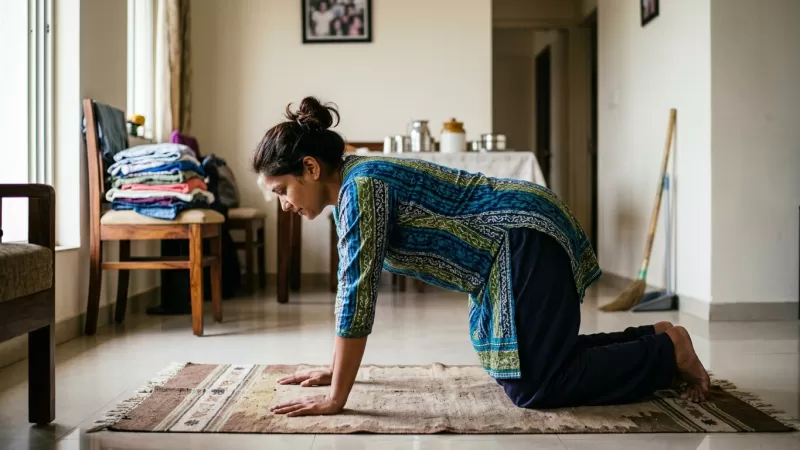
- Cat-Cow (Seated Version): Sit on a chair with your feet flat. Place your hands on your knees. Arch your back gently and look up (cow pose), then round your back and lower your chin (cat pose). Repeat slowly, five to ten times.
- Seated Forward Fold: Sit with your legs stretched out in front. Bend forward slowly and reach towards your toes. Even if you don’t reach far, the stretch helps.
Try not to bounce or force any movement. The goal is comfort, not competition.
Hand and Arm Stretches After Scrubbing
If you’ve spent a long time scrubbing tiles, washing clothes by hand, or polishing steel utensils, your hands and forearms can feel stiff and achy. Over time, this can make simple tasks like holding a spoon or chopping sabzi feel awkward.
- Finger Stretch: Spread your fingers wide apart, hold for a few seconds, then relax. Repeat this five times.
- Wrist Flexor Stretch: Extend one arm straight in front, palm up. Use the other hand to gently pull back on the fingers, stretching the underside of your wrist. Hold for 10 seconds and switch sides.
- Thumb Stretch: Gently pull your thumb away from your palm until you feel a stretch at the base. Hold, release, and repeat.
Sometimes, just shaking out your hands and letting them dangle loosely can give a small sense of relief. You’ve probably noticed your elders do this after finishing the dishes.
Leg and Foot Stretches for Tired Feet
Standing and moving around on hard floors—marble, tile, or cement—takes a toll on your legs and feet, especially if you’re barefoot most of the day. After a heavy cleaning day, cramps or throbbing feet are common.
- Ankle Rotations: Sit on a chair or bed, lift one foot, and rotate your ankle slowly in circles, ten times each direction. Switch feet.
- Toe Stretch: While sitting, spread your toes apart for a few seconds, then relax. Repeat a few times.
- Calf Stretch: Stand facing a wall, place both hands on it, and step one foot back. Keep the back leg straight and press the heel down gently. Hold for 15 seconds and switch legs.
In many homes, people also soak their feet in a bucket of warm water with a pinch of salt after cleaning. It’s not a cure, but it does help relax the feet before bedtime.
Making Stretching Part of Your Cleaning Routine
The tricky part is remembering to stretch when you’re already tired. Try linking your stretching habit to something you always do—like after your evening tea, or before you change out of your cleaning clothes. Some families even stretch together, turning it into a quick, shared activity.
It doesn’t have to be perfect or take long. Even a few stretches can make next morning’s stiffness a little less bothersome. Over time, your body will quietly thank you.
And if you forget sometimes? That’s normal. Just start again the next day. Consistency matters more than perfection.
Other Simple Ways to Soothe Tired Muscles
Besides stretching, there are small things that can help tired muscles recover after cleaning. Many people in India naturally do these without thinking much about it:
- Warm Compress: A hot water bag or even a warm towel can soothe sore areas, especially the lower back or shoulders.
- Gentle Massage: Rubbing a little mustard or coconut oil on aching parts before bath time can ease stiffness. If you have help at home, a quick massage works wonders.
- Hydration: Drinking water (not just chai) helps muscles recover, especially after sweating during cleaning.
- Comfortable Rest: Lie down with your legs slightly elevated to help reduce swelling in the feet and ankles.
Some people also find that a light, home-cooked meal—dal, rice, and a bit of sabzi—feels extra soothing after a tiring day. Heavy fried foods can sometimes make the body feel even more sluggish.
Listening to Your Body—And Knowing When to Rest
While stretching and home remedies help most mild muscle aches, there are times when rest is the better choice. If you’re feeling sharp pain, swelling, or unusual discomfort that lasts beyond a day or two, it’s wise to pause and not push yourself.
Many families quietly work through pain, thinking it’s just part of daily life. But it’s okay to slow down. Assign small cleaning tasks to different family members, or spread out heavy work over a few days if possible.
Ultimately, a little care for your body—just as you care for your home—can make cleaning days less exhausting. And that, in itself, is a small comfort worth holding on to.