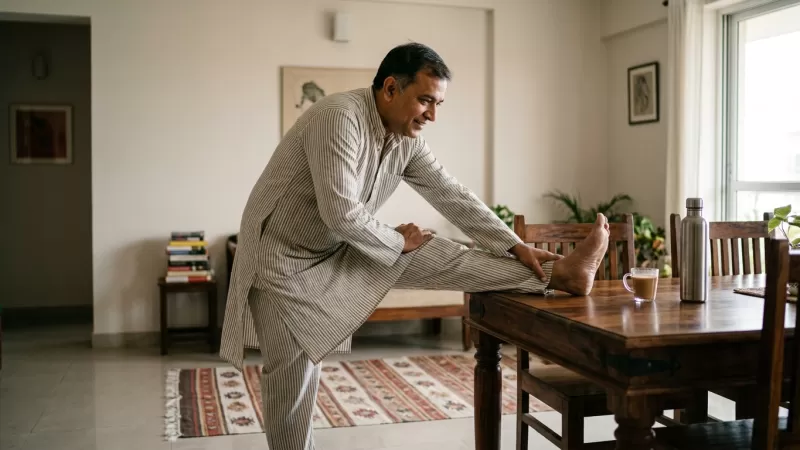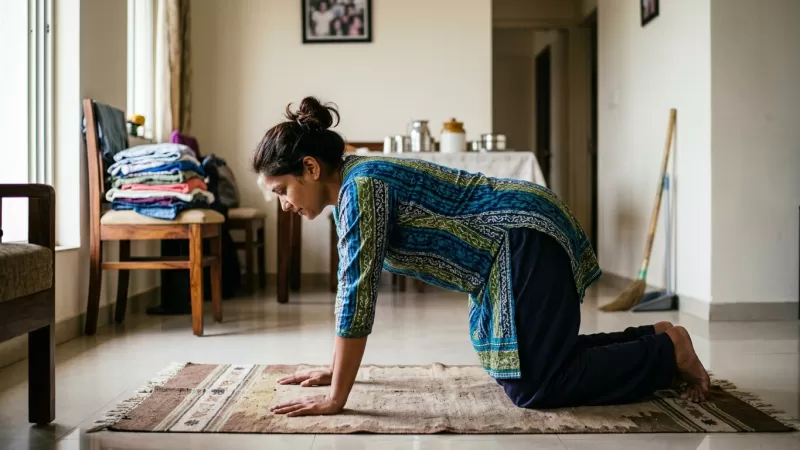
Small flats, shared rooms, and packed homes are a fact of life for many families in our cities and towns. You might have only a few square feet between the sofa and the dining table, or maybe your bedroom barely fits a bed and a cupboard. With such little space, it's easy to give up on exercise altogether—especially after a tiring day or when everyone's moving about. But here's something reassuring: you really don't need much space, or even much effort, to keep your joints and body comfortable. Even the tiniest movements, done here and there, can make a difference you’ll quietly appreciate.
Why Small Movements Matter in Everyday Life
Most people think of exercise as something that needs a yoga mat, open area, or at least a spare corner. But in reality, your body just needs to move a bit to stay mobile and prevent that "stiff" feeling that creeps in after long hours of sitting—like when you’re watching TV, working on your laptop, or chatting with family after dinner. You may have noticed, it’s often the lack of movement, not just lack of space, that makes your back ache or your knees feel creaky.
These days, with so many working from home or spending more hours indoors, the problem feels even bigger. Small, low-effort movements can keep your joints happy and muscles gently stretched, even when you can’t do a proper walk or workout.
And the best part? No one needs to notice. You can do most of these while waiting for the pressure cooker, watching the news, or even while sitting cross-legged on your bed.
Simple Stretches You Can Do Anywhere
Stretching doesn’t mean you need to touch your toes or do complicated yoga poses. It just means gently moving your arms, legs, neck, or back to avoid stiffness. In most Indian homes, there’s usually enough space to do these without shifting a single chair.
- Neck Rolls: Sitting or standing, slowly roll your neck in a circle. Go one way, then the other. It helps if you spend long hours on the phone or looking down at a screen.
- Shoulder Shrugs: Lift your shoulders up towards your ears and then let them drop. Repeat a few times. Good for tension that builds up while chopping veggies or typing.
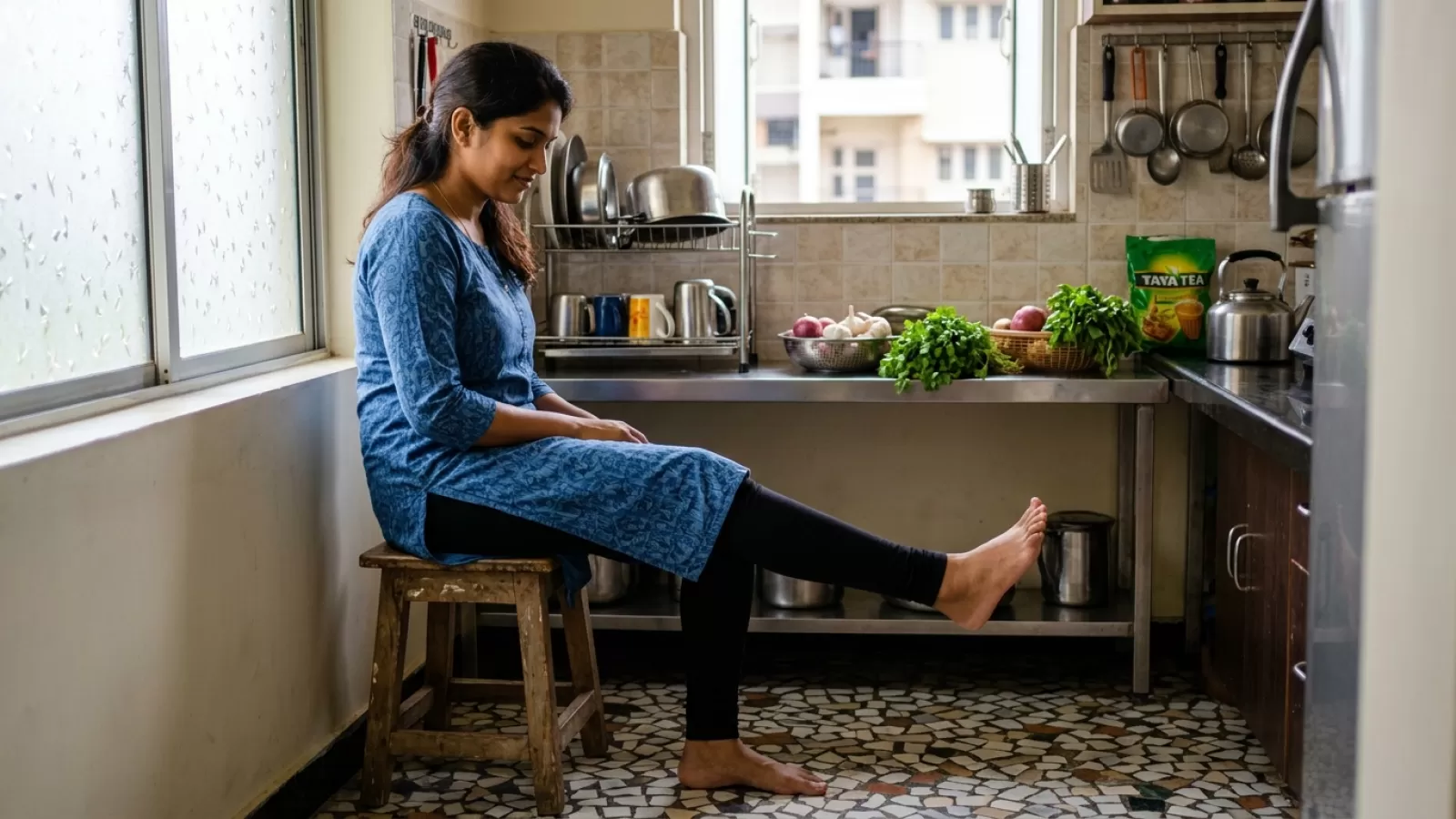
- Seated Leg Stretches: While sitting on a chair or even on the floor, stretch one leg out straight, hold for a few seconds, then switch. This can help if you sit cross-legged for long periods.
None of these will make you break a sweat. But do them a few times a day, and you’ll usually find you don’t feel as stiff in the evening.
Low-Effort Moves for Tight Indian Homes
Not everyone has the time or energy for structured exercise routines, especially after work, school runs, or evening chores. The real trick is to sneak in movement wherever you are—no fancy equipment, mats, or even much privacy needed.
- Toe and Heel Lifts: Stand near a wall or your kitchen counter. Lift your heels, stand on your toes, then lower down. Next, lift your toes, keeping your heels on the ground. Do this while waiting for chai to boil or during ad breaks.
- Finger and Wrist Rolls: Gently roll your wrists in circles, open and close your fingers wide. This is helpful if you do a lot of phone scrolling or housework.
- Torso Twists: While sitting, gently turn your upper body to one side, hold, then the other. It’s a small move, but it can ease that "stuck" feeling in your back.
These moves are so low-key, you won’t even feel like you’re exercising. And that’s often the point.
Using Household Chores as Gentle Movement
Most Indian homes don’t have dishwashers or robot cleaners. Everyday tasks like sweeping, folding clothes, or making the bed can actually help your body move in natural ways—if you do them with a bit of awareness.
For example, sweeping the floor with a jhadu (broom) lets your arms and shoulders move. Reaching up to hang clothes or arranging utensils gets your body stretching without you even realizing it. Many families quietly use these chores as a reason to stay active, especially older members who don’t like "exercise" as a concept.
Of course, don’t overdo it. And if you’re feeling tired or sore, there’s nothing wrong with skipping some chores or asking for help. But when you can, try to spread out small tasks through the day. It keeps you moving, even in a compact home.
Staying Mobile During Long Sitting Sessions
Whether it’s watching a movie with the kids or working from your dining table, long periods of sitting tend to make your body feel heavy and stiff. It’s a common complaint, especially after festive seasons or family gatherings when everyone’s parked in the living room for hours.
If you can, set a reminder on your phone to stand up every 30–40 minutes—just to stretch, refill your water, or look out the window. Even a quick walk to the balcony or kitchen can help.
While seated, try these tiny moves:
- Bend and extend your ankles up and down.
- Roll your shoulders back and forth.
- Clasp your hands behind your head and gently stretch your elbows out.
These gentle actions might seem too small to matter, but over the course of a day, they tend to add up and make you feel a bit lighter.
Making Movement a Habit—Without Forcing It
Sometimes, the hardest part isn’t the lack of space; it’s simply remembering to move at all. Busy mornings, late dinners, and family routines can leave little room for anything extra.
One way to fit movement into your day is to link it to something you already do. For example, stretch your arms while waiting for your tea, or do a few heel raises after folding laundry. Some families make it a point to do a group stretch just before bedtime or during TV commercials.
That said, it’s normal to forget or skip movement on some days, especially when you’re tired or distracted. There’s no need to feel guilty. Just try again the next day. Over time, these little routines tend to become more automatic, like a second nature.
Gentle Movement for Seniors and Those With Less Energy
Many elders in Indian homes, and even younger people with health concerns, might worry about overexertion or losing balance. That’s perfectly understandable. The good news is, small, slow movements are usually safe and comfortable for most people, and you don’t need to stand up for every type of movement.
Seated movements can be quite effective. For example:
- Gently tapping your toes and heels on the floor.
- Rolling your shoulders and wrists.
- Slowly turning your head side to side and up and down.
If you have trouble with balance or fatigue, just do a little at a time, maybe while chatting with a loved one or listening to bhajans in the background. The key is to move gently, and stop if anything feels uncomfortable. No pressure to do more.
Listening to Your Body and Moving Kindly
Some days, you’ll feel energetic and ready to move. Other days, your body will ask for more rest—especially after a busy festival, long travel, or during hot summer afternoons. It’s okay to adjust your movements based on how you feel.
Keep in mind: movement is not about punishment or pushing yourself. It’s just about keeping your joints and muscles used to gentle activity so that you can do everyday things—like squatting to pick up a dropped spoon or reaching for something on a high shelf—without discomfort.
Listen to your body, go slow, and don’t compare yourself to others in the house. Every person’s needs are different, and that’s completely normal.
A Few Final Thoughts on Moving in Small Spaces
Living in a compact space doesn’t mean you have to give up comfort or mobility. In fact, with a bit of creativity and kindness towards your own body, you can fit in gentle movement right alongside your daily routines—no rearranging furniture, no extra equipment, no fuss.
So next time you have a few spare moments, try a small stretch or gentle move. You might be surprised how much better you feel, even in the smallest apartment or busiest home.
After all, it’s the little things that often make the biggest difference over time.