After a long day squeezed on a crowded bus or stuck driving through pothole-filled roads, it's not surprising if your back, shoulders, and neck feel tight and stiff. You get home, carry in your bag, maybe help with dinner, and by the time you sit down, your whole body can feel locked up. This is such a common story in many Indian homes these days—especially for anyone spending hours commuting across the city. The body ends up paying the price for all that sitting and jostling.
Why Commuting Leaves You Stiff
There's something about Indian traffic—especially in metros like Delhi, Mumbai, Bengaluru—that turns even a short commute into a physical ordeal. Buses and trains are usually packed, you might not get a seat, and even if you do, you often have to sit rigidly with barely any room to move. Car and two-wheeler drivers deal with endless stop-and-go, potholes, and the constant tension of trying not to bump into someone else.
All this leads to muscles tensing up for long periods. Shoulders rise, necks crane, and lower backs stiffen. Even if you manage not to slouch, your body is still stuck in one position for too long. After months or years, this tension can quietly build up, making your joints feel older than they are.
You've probably noticed: it's not just physical discomfort. This stiffness can make you irritable or drain your energy for the evening.
The Quiet Power of Gentle Mobility
Here's the tricky part—after you get home, it's tempting to just flop down or scroll through your phone, hoping the stiffness will go away on its own. But the body doesn't really work like that. What usually helps most is a few minutes of gentle movement, right there at home, that loosens up those tense areas before they settle in for the night.
These aren't big stretches or loud workouts. In fact, the most useful mobility exercises are so discreet and simple, you could do them in your living room, bedroom, or even in the kitchen while waiting for the pressure cooker whistle.
That said, it doesn't have to be a chore. With a little intention, these gentle moves can become almost as routine as washing your hands after coming home.
Simple Seated Moves for Tired Evenings
Many people don't feel like changing into workout clothes or rolling out a mat after work. And that's perfectly fine. You can do a lot sitting in a regular chair or on your bed, without anyone even noticing.
- Shoulder Shrugs: Slowly lift both shoulders up towards your ears, hold for a second, and release them down. Repeat 8–10 times. It melts some of that commuter tension.
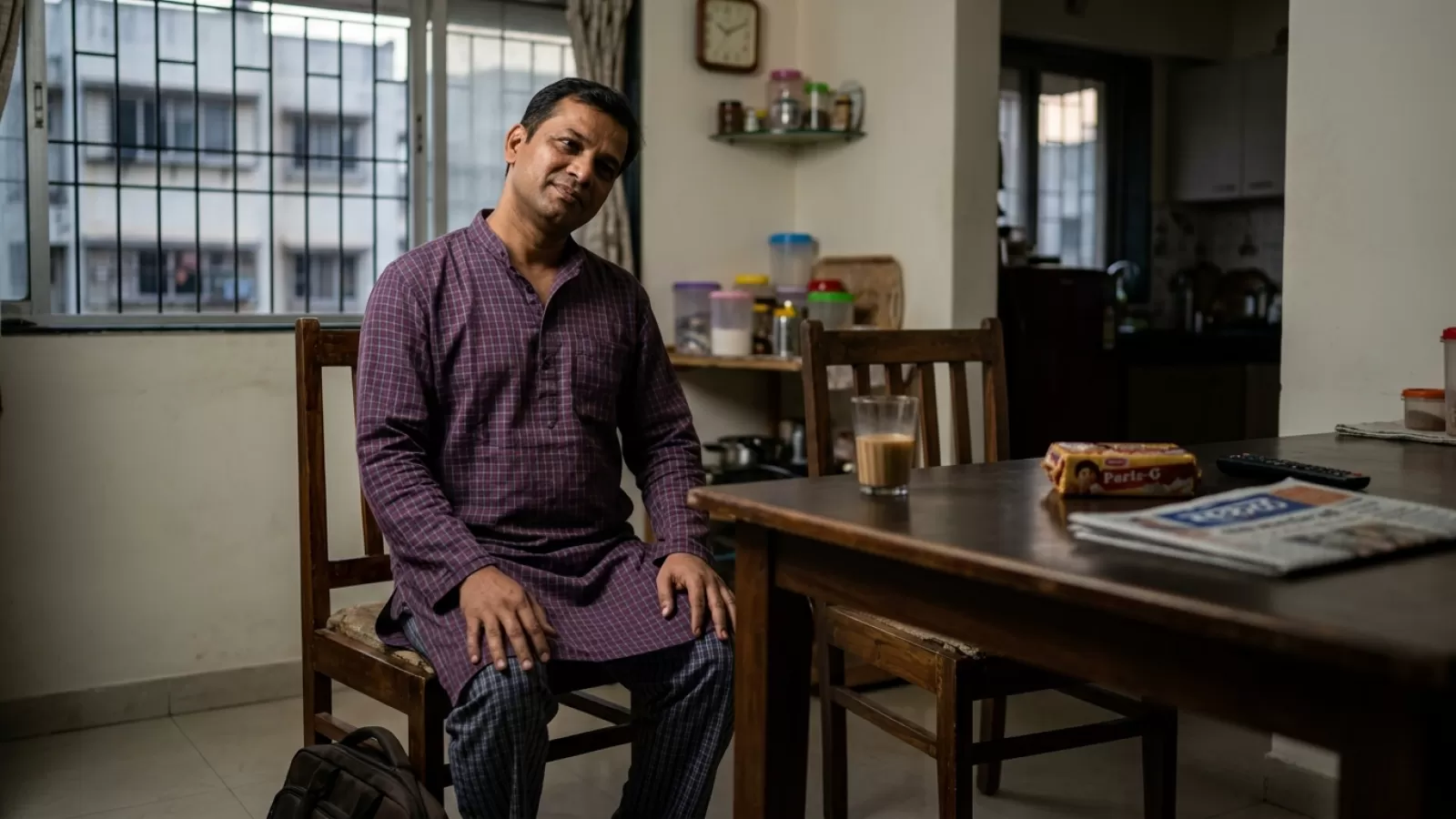
- Neck Circles: Drop your chin gently to your chest, then roll your neck in a slow circle—once clockwise, then anti-clockwise. Don't force it, just gentle movement.
- Ankle Rotations: While sitting, lift one foot and slowly rotate your ankle in both directions. Repeat with the other foot. This gets some circulation back in your legs after sitting still for so long.
Just a few rounds of these can make your body feel a bit lighter before you move on to your evening chores or dinner.
Standing Mobility—For When You Have a Quiet Moment
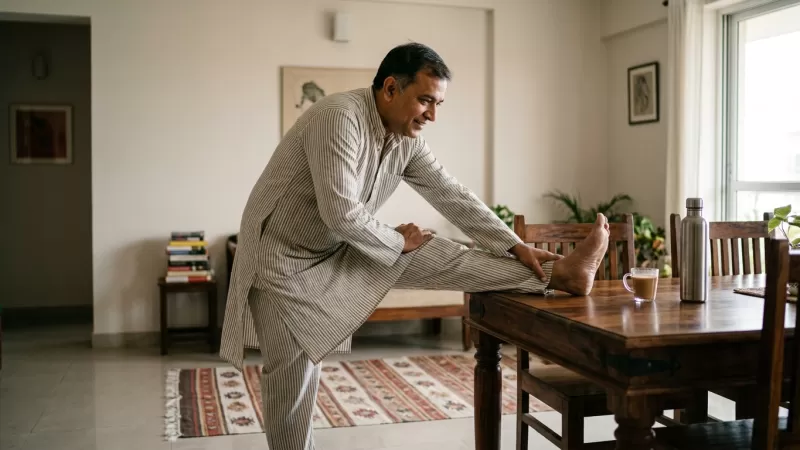
Sometimes you find yourself standing in the kitchen, waiting for tea to boil or dal to simmer. These little gaps are the perfect time to add a few more movements to gently rebalance your joints.
- Shoulder Rolls: Roll your shoulders backwards in a slow, circular motion, letting your chest open up. Repeat 8–10 times, then switch to forward rolls.
- Standing Side Bends: Stand with feet hip-width apart. Reach one arm overhead and gently lean to the opposite side, feeling a gentle stretch along your side. Hold for a few breaths, then switch sides.
- Marching in Place: Gently lift each knee up towards your chest, as if marching. Go slowly—this helps loosen hips and warms up your lower back.
No need to push or stretch hard. The idea is just to keep things moving.
Mini-Moves for Your Lower Back and Hips
The lower back and hips often get the worst of city commuting—especially if the roads are rough or the seats are hard. Many families quietly deal with nagging aches in these areas, especially as we get older or spend more years working.
Here are a few mini-moves that usually help ease some of that tightness:
- Knee-to-Chest (on Bed): Lie on your back, pull one knee gently towards your chest, hold for a few breaths, and switch. This is surprisingly soothing right before bed.
- Hip Circles (Standing): With hands on your waist, make slow circles with your hips, like drawing a big circle with your pelvis. Go both clockwise and anti-clockwise.
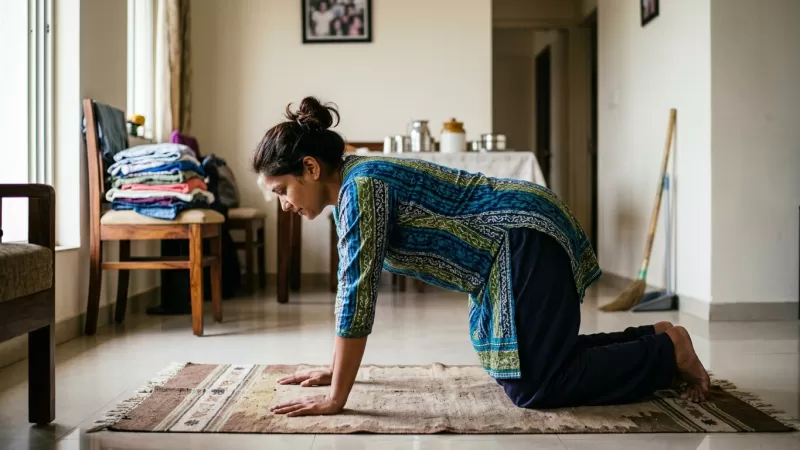
- Cat-Cow (Seated Version): Sitting on a sturdy chair, place your hands on your knees. As you breathe in, arch your back and look up slightly; as you breathe out, round your back and tuck your chin. Repeat slowly, matching your breath.
Even if you do just one or two of these, it can gently ease that deep, dull ache.
Making It a Routine—Without Making It a Hassle
Let's be honest, most people start with good intentions but then forget or lose motivation after a few days. The secret isn't willpower—it's making these moves so easy and ordinary that they fit into your existing routine.
Some families tie these little exercises to a daily event—like doing shoulder rolls while waiting for the rice cooker, or ankle circles during TV ads. Others keep a small reminder note on the fridge or cupboard.
If you can link a movement to something you already do (like stretching your arms after washing your face), it slowly becomes second nature. No need for apps, timers, or elaborate plans. Just a little nudge at the right moment.
What If You're Still Feeling Stuck?
Sometimes, even after gentle movement, that stiffness just doesn’t budge easily. It happens, especially if you’ve had a particularly bumpy commute or you’re just feeling run down this week.
On these days, it’s okay to go easy on yourself. You might want to use a warm compress on your neck or lower back, or just rest a bit longer before trying again. A hot shower after a long commute can also help relax the muscles before you do even the gentlest stretches.
Of course, if something feels sharp, severe, or just not right, it’s sensible to pause and not force anything. There’s no shame in taking a break or asking someone at home for help with chores when your body’s had enough.
Small Changes, Real Relief
The truth is, most of the tightness from daily commuting doesn't need fancy solutions. Often, it's the small, quiet actions done regularly—rolling your shoulders, rotating your ankles, stretching your arms—that slowly bring back comfort to your joints. You don't have to become a fitness expert or set aside a special hour every day. Just a few minutes here and there, using the time and space you already have, usually makes a difference over weeks and months.
And if you forget some days, that's perfectly normal. The goal isn't perfection, just a little bit of relief so you can enjoy your evenings at home. Your body will thank you in its own quiet way.