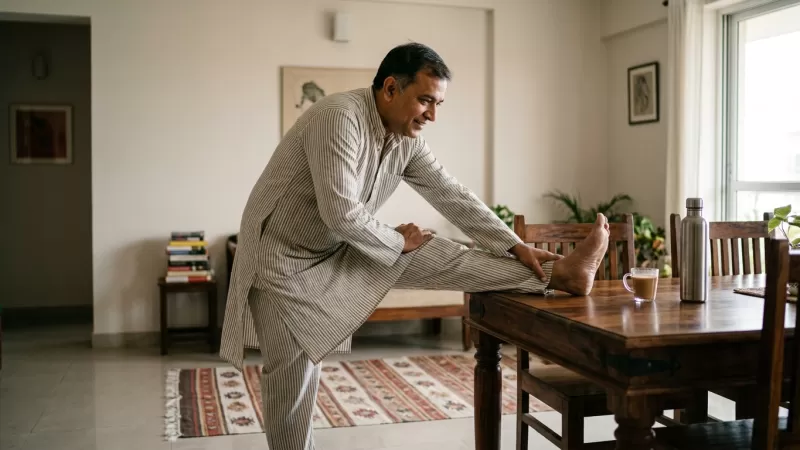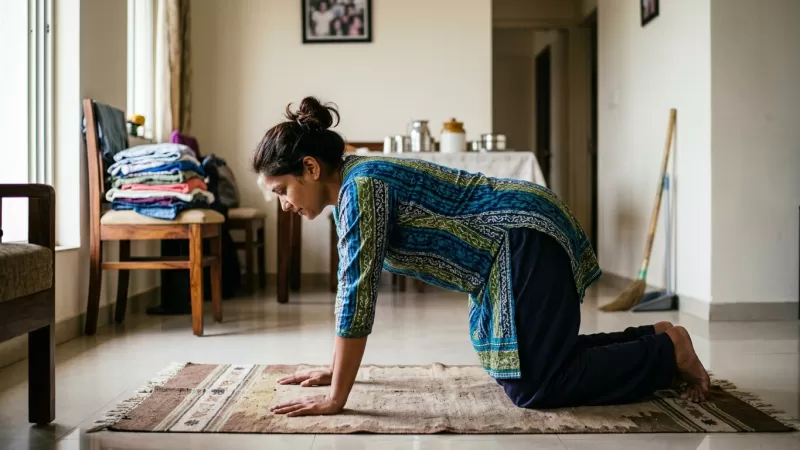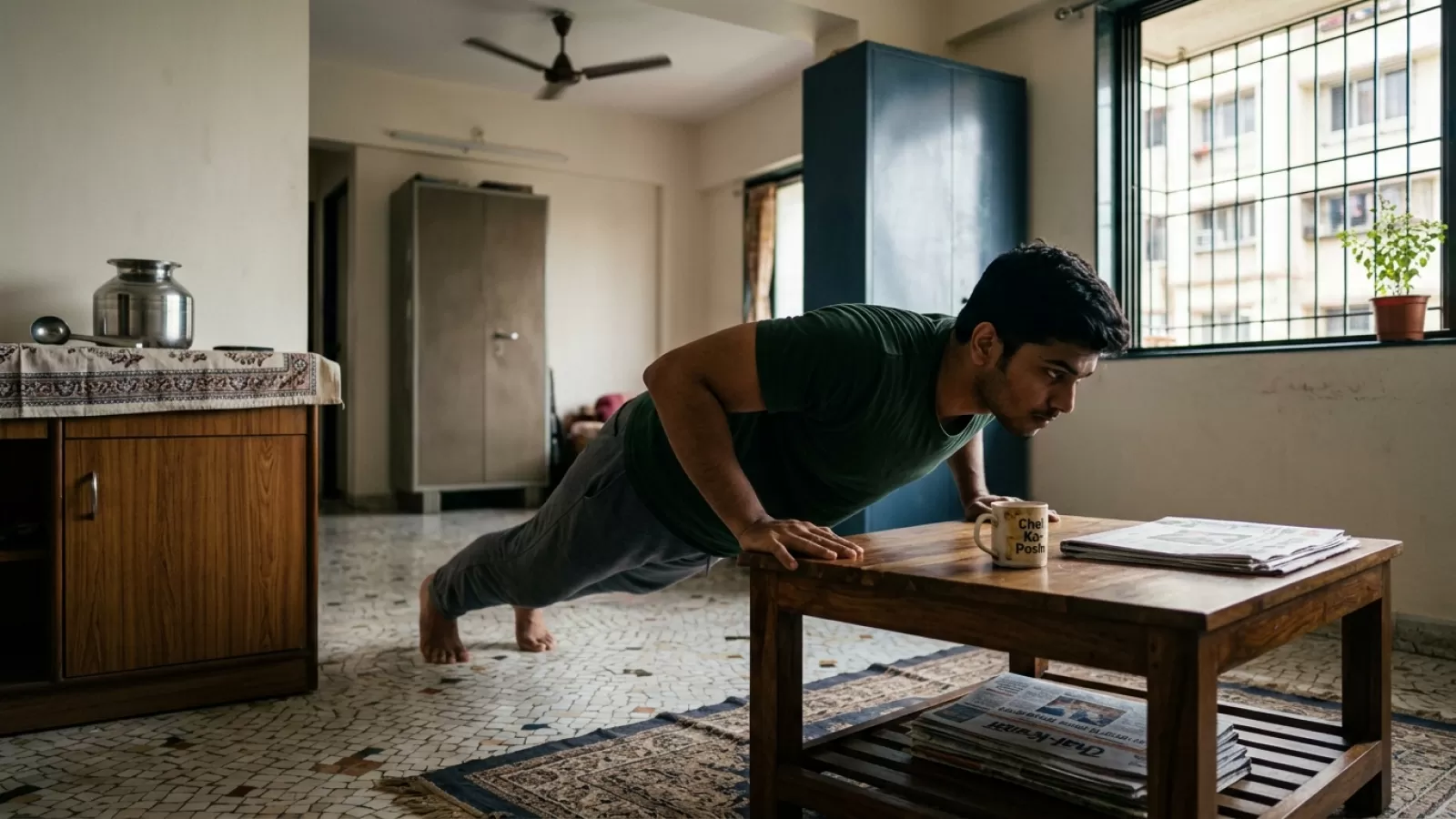
It’s no secret that gym memberships in most Indian cities can burn quite a hole in the pocket, especially when you’re already juggling school fees, household bills, or medical expenses. These days, many families quietly cut back on outside expenses, and gym fees are often the first to go. Still, staying strong and active matters for everyday life—whether you’re climbing stairs, carrying groceries, or chasing after energetic children. The good news? You don’t actually need fancy equipment, branded shoes, or a special fitness studio to build strength. Your home—with its corners, walls, and even the humble floor—can offer everything you need, right where you are.
Why Strength Training Matters—Even Without Weights
Sometimes, people think strength training is only for athletes or young people lifting heavy dumbbells. That’s not quite true. Strength is what helps you lift a bucket of water, rise from a low chair, or open tight jars. As we get older, our muscles naturally get weaker if we don’t use them. You’ve probably noticed older relatives struggling to get up from the floor during a pooja or after playing with grandkids.
Building strength doesn’t have to mean bulging muscles or long workouts. It’s more about making daily tasks easier and reducing aches and pains. When your muscles are active, your joints are also better supported. You tend to feel steadier on your feet—a real benefit, especially for seniors.
That said, busy mornings and late dinners can make it hard to squeeze in exercise. The trick is to work with what you have: short, focused sessions, using your own body as resistance. No gym required.
Bodyweight Basics: The Foundation of Home Strength
When you hear “bodyweight exercise,” think of movements that use your own weight as resistance. No bars, no fancy bands—just you. These exercises have been around forever, and they fit Indian homes of all shapes and sizes. You don’t need to clear out the living room or invest in a yoga mat. The marble or mosaic floor works just fine for most people.
Some common bodyweight moves include:
- Squats (uthak-baithak)
- Push-ups (wall or floor)
- Planks
- Lunges
- Chair dips
Each move uses multiple muscles at once, so you get more benefit in less time. In many homes, you’ll see people doing simple stretches or sit-ups in the early morning, right after waking up or before a bath.
The best part is, you can adjust these exercises for your ability. If a floor push-up feels too tough, a wall push-up is a great start. If squatting low hurts your knees, try a half-squat or use a sturdy chair for support.
Everyday Spaces: Turning Home Corners into Workout Zones
Most Indian homes aren’t built for exercise. There’s usually not much open space, especially if you live in a joint family or a smaller flat. But you don’t need a separate room. The trick is to use what’s available:
- Bedroom or living room wall: Perfect for wall push-ups or wall sits.
- Sturdy dining chair: Handy for triceps dips, step-ups, or seated leg lifts.
- Kitchen counter: Use for inclined push-ups or support during calf raises.
- Open floor near the bed or sofa: Great for planks, bridges, or gentle stretches.
Pick a spot where you won’t disturb others or trip over furniture. Early mornings, when the house is quiet, can be ideal. If you prefer evenings, try after dinner but before it gets too late—just keep a small gap between food and exercise so you’re comfortable.
Some families make it a group activity, with children joining in for a few squats or lunges. Honestly, a little laughter and encouragement help everyone stick with it longer.
Simple Routines That Fit Indian Lifestyles
You don’t need an hour. Even 15–20 minutes, three or four times a week, can help build strength if you’re consistent. The key is picking a routine that doesn’t feel like a burden. Here’s a simple starter plan many people find manageable:
- Warm-up: March in place, arm circles, or gentle spot jogging – 2 to 3 minutes.
- Lower body: 10–15 squats or sit-to-stand from a chair.
- Upper body: 8–10 wall or floor push-ups.
- Core: 15–20 seconds plank (rest as needed).
- Balance: Stand on one leg (hold a wall for support), 10 seconds each side.
- Cool-down: Gentle stretching – touch your toes, twist gently side to side.
Adjust the counts and time to your comfort. Some days, energy is low or joints feel stiff. That’s okay. The main thing is to show up for yourself, even with just a few repetitions. Over weeks, you might notice daily tasks getting a bit easier.
Making Strength Training a Habit (Even When You’re Tired)
Let’s face it: motivation doesn’t always last, especially during the hot months or when the day’s been stressful. Many people start strong, then stop after a week or two. The secret is to tie your routine to something you already do—right after brushing your teeth in the morning, or once the evening tea is done.
Try keeping your workout clothes or towel in plain sight as a gentle reminder. Some families set a phone alarm or write it on the kitchen calendar. If you miss a day, don’t worry. Just pick up again the next day, without guilt.
On those extra-tiring days, even a round of wall push-ups and a few squats can count. Consistency matters much more than perfection. The goal is to make movement a normal part of the day—like watering plants or folding laundry.
Staying Safe: Listen to Your Body
This can’t be said enough—go slow, and don’t ignore pain. If you have an old injury, joint pains, or any health worries, it’s wise to stick to gentle versions and avoid anything that feels uncomfortable. For example, older adults with knee trouble often find it easier to do half-squats or chair-supported exercises.
Wear comfortable, non-slippery slippers or go barefoot if your floor isn’t cold. If a particular movement causes sharp pain, stop right away. There’s no shame in taking extra rest. The idea is to get stronger, not to push through discomfort.
Children and teens can usually handle more, but they should also take it slow and avoid copying complicated moves from online videos.
Adding Challenge: When You’re Ready for More
After a few weeks, the basic moves might start feeling easier. That’s a good sign—it means your muscles are getting stronger. If you’d like a bit more challenge, here are some safe ways to step things up using home items:
- Hold a filled water bottle or bag of rice during squats for extra resistance.
- Try slow, controlled movements—lower into a squat slowly, then rise up quickly.
- Increase repetition count in small steps, maybe by two or three every week.
- Add new moves, like step-ups on a low stool or gentle lunges holding a towel for balance.
But remember, there’s no rush. Some people prefer to stick with the basics, and that’s perfectly fine. The main thing is to keep your routine enjoyable and avoid boredom—change the background music, switch rooms, or invite a family member to join in for a session.
Making Strength Training a Family Affair
In many Indian homes, exercise tends to be a solo activity, often squeezed in before the day’s chaos begins. But there’s something nice about involving others. Children can copy grown-ups (they usually love being included), and seniors feel encouraged when everyone joins in. Festivals or holidays, when everyone’s home, can be a good time to introduce a few group movements—maybe a round of squats before breakfast, or a plank challenge after dinner.
Even if you live alone or your family isn’t interested, you might find a friend or neighbor willing to check in with you regularly. A simple phone call or WhatsApp message—“Did you do your squats today?”—can make a surprising difference.
And here’s the thing. When exercise becomes just another part of daily life, like making dal or watering the tulsi plant, it stops feeling like a chore.
Final Thoughts: You Really Can Build Strength at Home
It’s natural to miss the excitement of a gym, especially when you see others posting about their workouts. But strength isn’t built by expensive equipment or loud music. It’s shaped by the small, repeated efforts you make, right at home, in the middle of your real, imperfect routine.
So, if you’re worried about missing out because of budget constraints, take a deep breath. Your home, your body, and a bit of determination are more than enough to help you get stronger. Start small. Be kind to yourself. And don’t underestimate the power of a few well-chosen movements, done regularly, to change the way you feel—one day at a time.