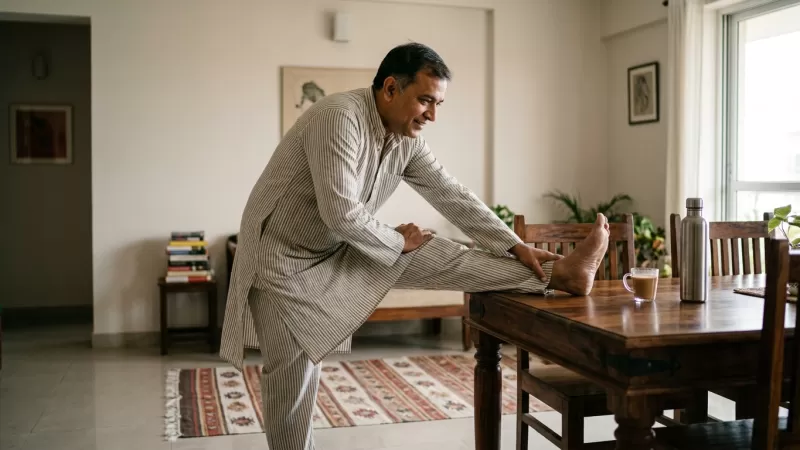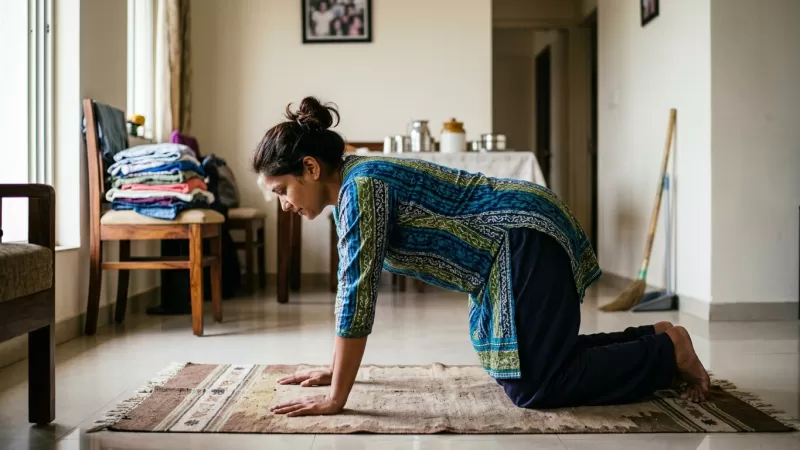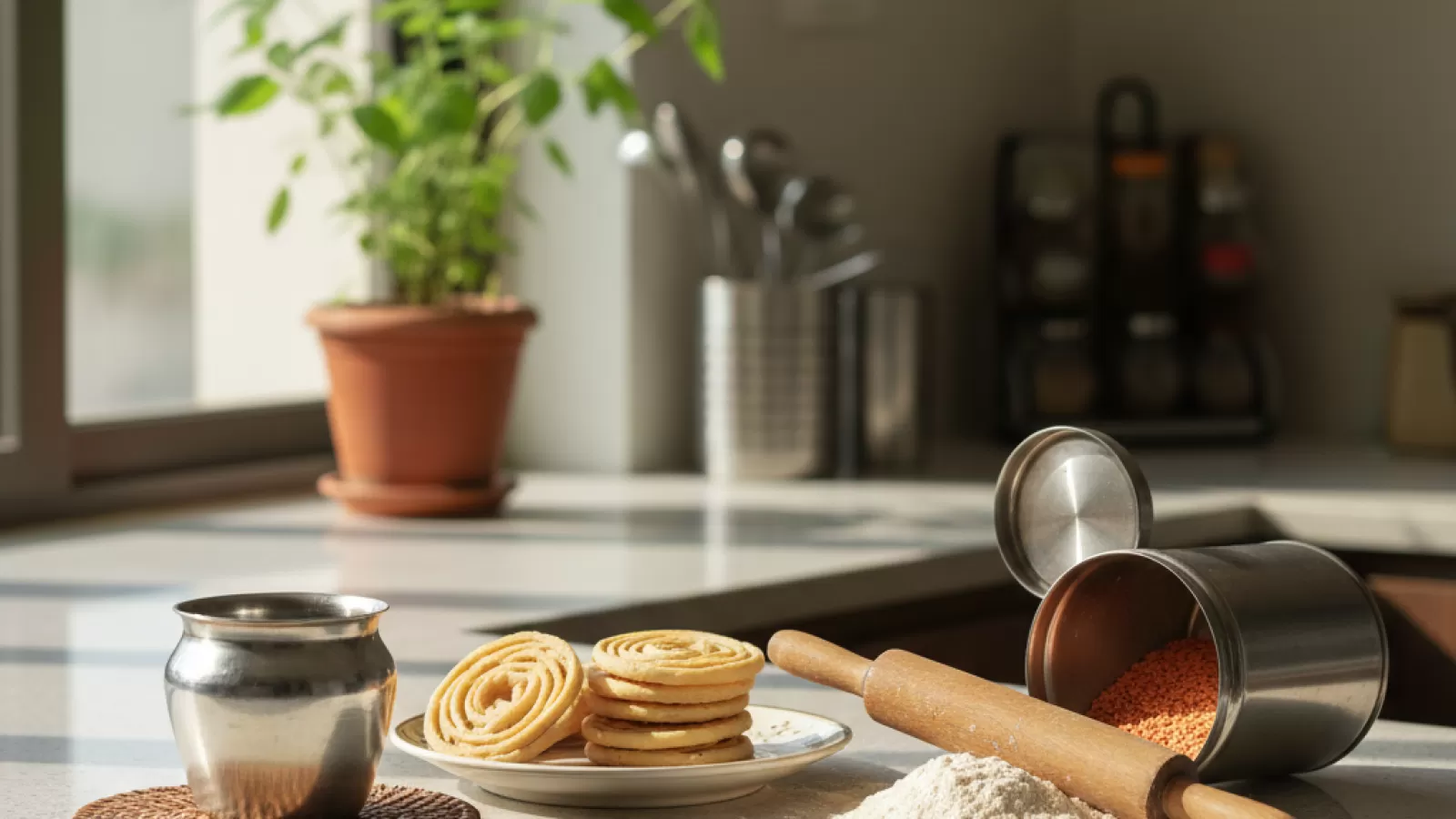
Almost everyone ends up waiting at home—sometimes for a delivery, sometimes just for the pressure cooker whistle, or even while keeping an eye on the dal as it simmers. In many Indian homes, these waiting periods are a part of daily life. It might seem like wasted time, but these little pauses can actually be gentle opportunities to keep your body moving, stretch out stiffness, and shake off a bit of tiredness—without needing to lay out a yoga mat or change into sportswear.
Why Movement Matters During Waiting Times
After sitting for long hours—on the sofa, at the dining table, or in front of the TV—muscles can start to feel tight, and joints may become slightly achy. It's not just seniors who notice this; even busy professionals working from home or homemakers constantly standing in the kitchen can feel that heaviness. The thing is, our bodies aren't made to sit or stand in one position for too long, however common that might be these days.
Small movements during waiting periods can wake up sleepy muscles and help your blood flow better. It's usually not about burning calories or "working out"—just keeping your body gently active so it doesn't stiffen up. For many, these little movements also offer a small mental break, almost like a reset button in between chores or meetings.
It's worth saying: you don't need to do anything fancy. Simple, familiar movements often work best.
Spotting Waiting Moments in Your Day
You might be surprised at how many waiting periods happen at home, often without much notice. Some common examples:
- Standing near the stove while the tea boils
- Waiting for the microwave to finish
- Sitting in the living room during TV ad breaks
- On the phone (especially long hold music from customer care!)
- Waiting for someone else to finish in the bathroom during busy mornings
- Just before a Zoom call starts
Even if these moments are only two or three minutes long, they can be put to gentle use. No need to time yourself or count seconds—just notice when you're waiting, and consider if your body could use a little stretch.
Simple Standing Exercises for Tight Spaces
Most Indian homes have space constraints, especially in the kitchen or between furniture. The good thing is, you don't need much room for basic moves. Try these when you find yourself standing and waiting:
- Ankle lifts: Hold the kitchen counter for support, slowly rise onto your toes, then back down. Repeat a few times. This helps with circulation, especially if you've been standing still for a while.
- Shoulder rolls: Gently roll your shoulders forward and backward. It releases tension that tends to build up, especially during stressful days.
- Side bends: Place your hands on your waist or keep them loose, and slowly bend sideways each way. Go only as far as feels comfortable. This can loosen up the back and waist area.
None of these moves should cause pain. If anything feels odd, it's better to skip it. Over time, you'll know what feels right for your own body.
Seated Movements for TV or Phone Breaks
Many families spend time seated together—watching news, chatting, or just scrolling on the phone. It's easy to stay slouched for long periods, but a few small movements can help, especially for seniors or those with stiff backs.
- Heel taps: While sitting, gently lift one foot and tap your heel on the floor, then alternate. This gets the blood moving in your legs.
- Wrist circles: Rotate each wrist slowly, especially helpful if you type a lot or do handiwork.
- Neck turns: Slowly turn your head right and left, up and down, to relieve neck tightness. Stop if you feel any dizziness.
It sounds almost too easy, but these little actions can make a real difference, especially if you find your back or legs feeling heavy after sitting for a while.
Gentle Movements While Cooking or Waiting for Food
Cooking dal, rice, or sabzi usually means a lot of standing and watching, with short bursts of activity in between. While you wait for something to boil or fry, you can fit in a few gentle movements:
- Marching in place: Softly lift your knees, one at a time, as if marching. Don't force high steps—just enough to wake up your legs.
- Arm swings: If space allows, swing your arms gently back and forth. This can get your shoulders moving after stirring or chopping.
- Finger stretches: Spread your fingers wide, then close them into a fist, repeating several times. Helpful if you do a lot of peeling, chopping, or kneading.
Here's the catch: sometimes the kitchen is too crowded or messy to move freely, especially during big festival cooking. In those cases, even a few shoulder rolls or wrist circles while standing can help.
Mini Stretches for Busy Work-from-Home Days
Work-from-home routines usually mean a lot of sitting at desks, sofas, or even beds. It's common to forget to move for hours while focusing on screens. If you find yourself waiting for a file to upload, an email to arrive, or a virtual meeting to start, these movements can help:
- Seated side twists: Sit upright, gently twist your upper body to one side, hold for a few seconds, then switch. This can loosen the back and waist.
- Shoulder shrugs: Lift your shoulders up towards your ears, hold, then drop them. Repeat a few times to release stress.
- Foot circles: With your feet off the ground, gently rotate each ankle in both directions. Good for those who sit cross-legged on chairs.
It's easy to feel self-conscious if someone passes by and sees you stretching, but most people are quietly dealing with similar stiffness. These days, a few mini-movements can be a simple way to care for yourself in between tasks.
Making Movement a Habit—Without Extra Effort
Honestly, the hardest part is remembering to move, not the movements themselves. Most people start with good intentions but slip back into old habits, especially when life gets busy. One trick is to link movement to a regular activity—maybe shoulder rolls every time the pressure cooker whistles, or neck turns during every commercial break.
Some families encourage each other, especially if everyone is home together. Kids often join in or remind parents. But even if you're alone, a small sticky note or phone reminder can help jog your memory. It doesn't matter if you forget sometimes. Just pick it up again when you remember.
Over time, these tiny routines can add up, and your body might quietly thank you for it.
When to Skip or Modify Movements
Not every movement suits everyone. If you have joint pain, balance issues, or any specific health concerns, it's better to keep movements very gentle and avoid anything that feels uncomfortable. Some days, even a simple stretch can feel like too much, especially after a tiring day or if you're feeling under the weather.
It's perfectly fine to skip or modify movements to suit your comfort. There's no rule saying you must do a certain number of repetitions or hold a stretch for a fixed time. Listen to your body—sometimes rest is just as important as movement.
And if you ever feel sharp pain, dizziness, or anything unusual, it's best to stop and relax. In many homes, people quietly adjust their routines based on how they're feeling that day.
Encouragement for Everyday Life
The truth is, you don't need to do anything dramatic to look after your health. In most Indian families, gentle, regular movement tends to work better than big, complicated routines. If you can add a few small stretches or movements during waiting times, that's already something positive for your body.
It's normal to forget or feel lazy sometimes—especially during hot afternoons, after long workdays, or when you're simply not in the mood. The important thing is not to be hard on yourself. Every small step counts, even if it's just a minute or two.
As you move through your day—whether waiting for chai to brew, or just taking a breath before the next task—remember that simple movements, done with care, can help you feel a little lighter and more comfortable at home.