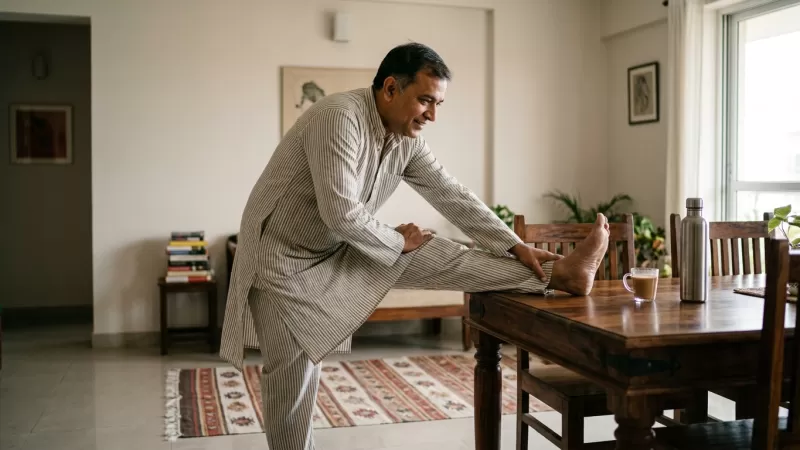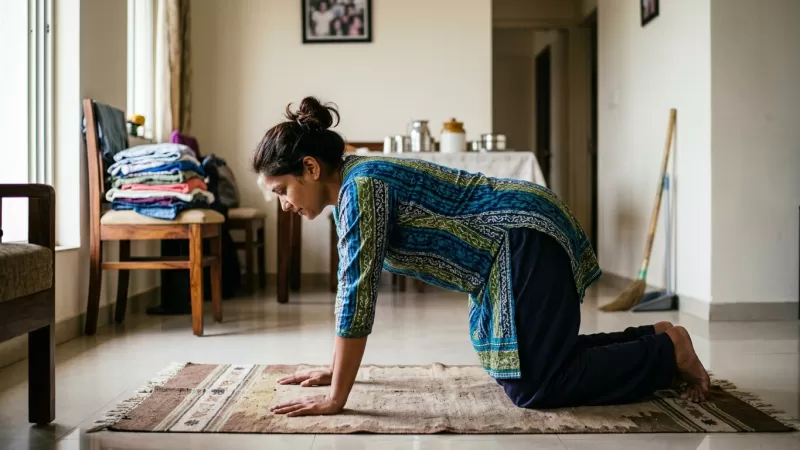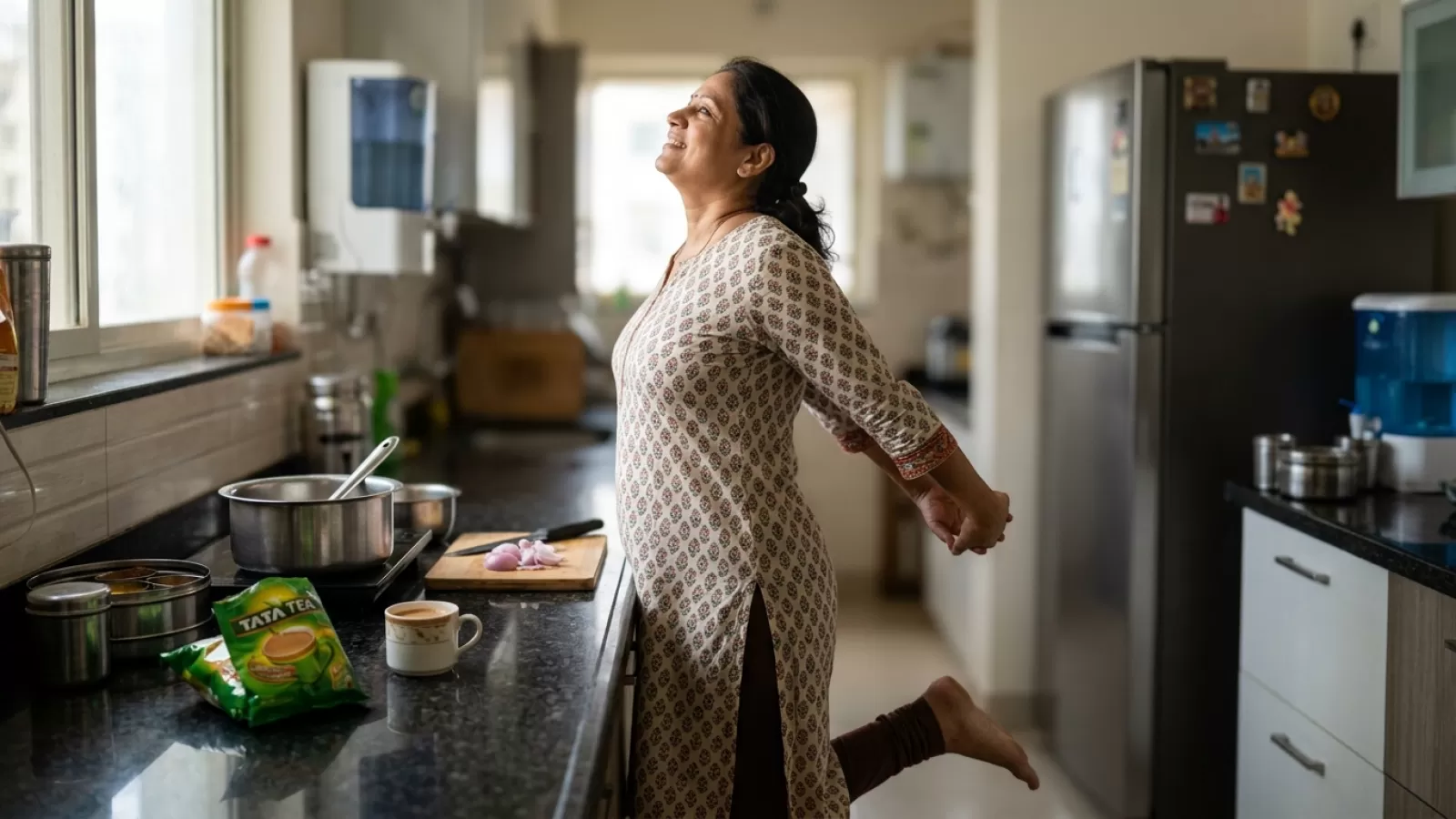
Most Indian homes run on a gentle buzz of activity—from kitchen to bedroom, from mopping the floor to folding clothes, from managing children’s needs to answering office calls. Yet, in these short pauses between chores or during brief breaks, there’s a quiet opportunity that often goes unnoticed: the chance to restore a bit of flexibility to your body without ever feeling like you’re doing formal exercise. Many families quietly deal with aches, stiffness, or just that sense of being a little less “bendy” than before. And while it’s easy to put off the idea of stretching or moving more, you might be surprised how naturally these moments can fit into your routine.
Why Small Movements Matter More Than You Think
You’ve probably noticed how sitting too long—whether while chopping vegetables or in front of a laptop—can leave your back or neck feeling tight. These days, with so many mixing work with home chores, it’s common to feel a bit stuck, physically and mentally. The tricky part is, not everyone has time or energy for long walks or yoga sessions, especially with unpredictable schedules.
But here’s the catch: gentle, small movements sprinkled through your day can help keep your joints moving and your body feeling less stiff. It’s not about getting fit or burning calories—it’s really about staying comfortable and able, especially as the years go by.
Think of it as giving your body a quick nudge to wake up, just like you might stretch after a nap. Nothing fancy, nothing formal.
How to Spot Those Little Pauses in Your Day
Every household tends to have its own rhythm. Some mornings are a rush, while afternoons might be quieter. The moments between tasks—waiting for milk to boil, watching the pressure cooker, or pausing between folding bedsheets—are often brushed off as too short to matter. Yet, these are the best windows for gentle movement.
Here are some places these pauses might hide:
- Waiting for your tea to steep
- Between phone calls at your desk
- After sweeping and before starting the next chore
- During TV ad breaks or while waiting for the microwave
- When the kids are brushing their teeth and you’re supervising
Most of these moments last just 30 seconds to three minutes. It doesn’t sound like much, but it adds up over the day, especially if you use them naturally.
Gentle Movements You Can Do Without Any Fuss
No need for exercise mats, special clothes, or even a dedicated spot. These movements blend into daily life and can be done in a saree, pyjamas, or office wear. The idea isn’t to break a sweat, just to gently nudge your joints and muscles.
- Shoulder Rolls: While stirring dal, roll your shoulders forward and backward a few times to loosen neck and upper back tension.
- Side Stretches: Standing at the sink or waiting for the cooker, slowly reach one arm overhead and gently lean to the opposite side. Switch sides after a few breaths.
- Seated Ankle Circles: While sitting at your desk or sofa, lift one foot off the ground and rotate your ankle in circles, both ways. Good for those who sit for long spells.
- Wrist Flexes: After chopping, gently bend your wrists up and down, then make circles. This helps if your hands feel stiff or tired.
- Neck Turns: Pause and slowly turn your head side to side, holding for a breath at each end. Avoid forcing it—just a gentle stretch.
None of these should hurt or feel like a strain. If something does, just skip or make it smaller.
Making Movement Part of Your Routine (Without Overthinking)
Trying to force a new habit can sometimes backfire. The easier way is to attach these gentle movements to things you already do every day. For instance, right after washing your face in the morning, you might try a few neck rolls. Or while waiting for the rice to cook, do some gentle leg stretches holding onto the kitchen counter.
Some people like to set a gentle reminder on their phone, but many find that simply linking the movement to a daily activity works better. For example, every time you hear the pressure cooker’s whistle, let it remind you to gently roll your shoulders or flex your wrists.
It’s not about perfection. Some days you’ll forget, and that’s perfectly okay. Over time, these tiny pauses can become second nature—almost like muscle memory.
Ideas for Different Ages and Abilities
Joint families, nuclear families, seniors living alone, or parents juggling children—every home is different. Flexibility needs change with age and health, and what works for one person may not suit another. The nice thing about gentle movement is that it can be adapted easily.
For grandparents or anyone with less mobility, even simple hand stretches, finger taps, or slow head turns while seated can provide relief from stiffness. If you’re supervising children’s homework, invite them to join in—kids enjoy copying adults, and it can be a light moment together.
In many homes, elderly family members naturally do slow stretches after a nap or before bed. That’s worth noticing.
Fitting Movement Around Indian Seasons and Festivals
Weather makes a difference. During humid summers, heavy exercise feels nearly impossible. These gentle stretches and moves don’t heat you up or require space, so you can do them even in small flats with fans running. In winter, when joints might feel stiffer, a few extra ankle or wrist rolls while sitting under a blanket can help keep things from seizing up.
During festivals, when the house is busier, and you’re on your feet more, a few neck or back stretches between rounds of cooking can offer a small relief. Children home for holidays? Try a few arm swings or gentle side bends together—it can become a little family ritual.
It’s not always easy, especially when the house is full or routines are out of order. But there’s no right or wrong time—whatever fits the moment works.
Listening to Your Body’s Signals
Some days, you might feel energetic and flexible; other days, even a simple stretch feels like a task. This is normal, especially with changes in sleep, stress, or diet. If a movement feels good, enjoy it. If something feels off or painful, leave it for now. Your body’s signals are usually gentle but clear.
Sometimes, stiffness or aches are a sign that you’ve been in one position too long—like sitting cross-legged on the floor or standing at the kitchen counter for an hour. That’s a good time for a quick stretch or gentle movement, just to break the pattern.
The main thing is not to force anything. Flexibility isn’t a competition, and there’s no rush—these little movements are more about comfort than achievement.
What to Expect (and What Not To)
Small movements won’t make you suddenly flexible or strong. They’re more about keeping things from getting worse, and sometimes, that’s enough. Many people find that with regular gentle movement, it’s easier to get up from the floor, reach overhead, or turn their neck without that familiar creak.
It’s also true that some days, you won’t notice a difference. That’s fine too. The benefits tend to show up quietly—less stiffness after long car rides, an easier time folding laundry, or just feeling lighter during morning routines.
There’s no need to track or measure these movements. Think of them as small acts of care, not another task on your to-do list.
Building a Family Culture of Gentle Movement
Children often move naturally, but as adults, people tend to become more still, especially with so much screen time and the demands of work and chores. Making gentle movement a normal part of household life—without pressure or rules—can help everyone, from grandparents to teenagers.
Some families enjoy turning on music in the evening and stretching together for a few minutes, while others prefer quiet individual moments. There’s no one “right” way. Even just chatting about how stiff you feel after a day of chores can make it easier for others in the house to join in.
In the end, these short, gentle pauses act as a quiet gift you give yourself throughout the day. No need for applause—just a little less stiffness, a touch more ease, and maybe, over time, a more comfortable rhythm for your busy life.