Morning in most Indian homes comes with a quiet race against the clock. The pressure begins early: tiffin to pack, uniforms to iron, dahi to set back in the fridge, and those precious few minutes when you could—if you really wanted—fit in a short morning home workout. India’s busy adults often find those minutes are all they have. A quick shoulder roll as the pressure cooker hisses, side bends while waiting for the tea to steep, or a minute of wall push-ups before waking up the kids—these tiny slices of movement somehow fit into the patchwork of the morning.
For many, the idea of a short morning home workout in India feels like a compromise, not a real solution. But when you look at what actually sticks—a 7-minute routine, a burst of movement while the poha simmers—it becomes clear that these micro-sessions add up. Over months, the consistency of these short efforts outpaces the grand plans that rarely survive a busy season. The trick is accepting that something small, done daily, changes how your body feels by lunchtime.
Why the Shortest Workouts Are Often the Only Ones That Happen
In most Indian homes, the morning is already packed with chores and obligations. There’s barely enough time to finish breakfast, let alone squeeze in a full workout. That said, many adults still want to do something for themselves—just ten minutes of movement before the day takes over. This is why the short morning home workout India families rely on is often not a matter of choice, but necessity.
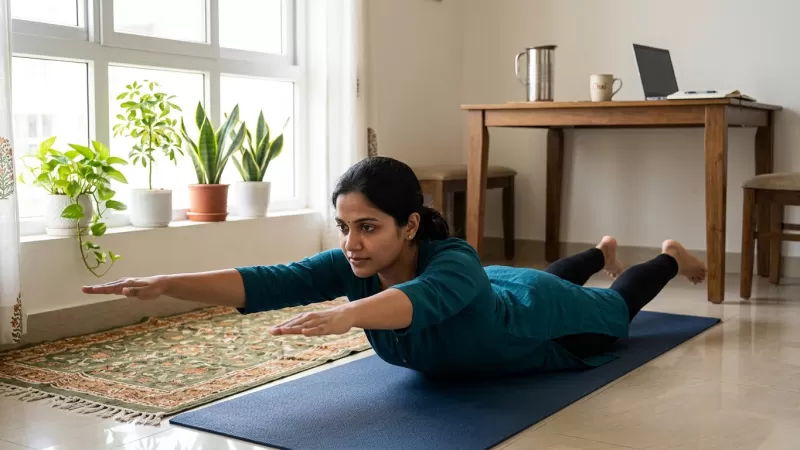
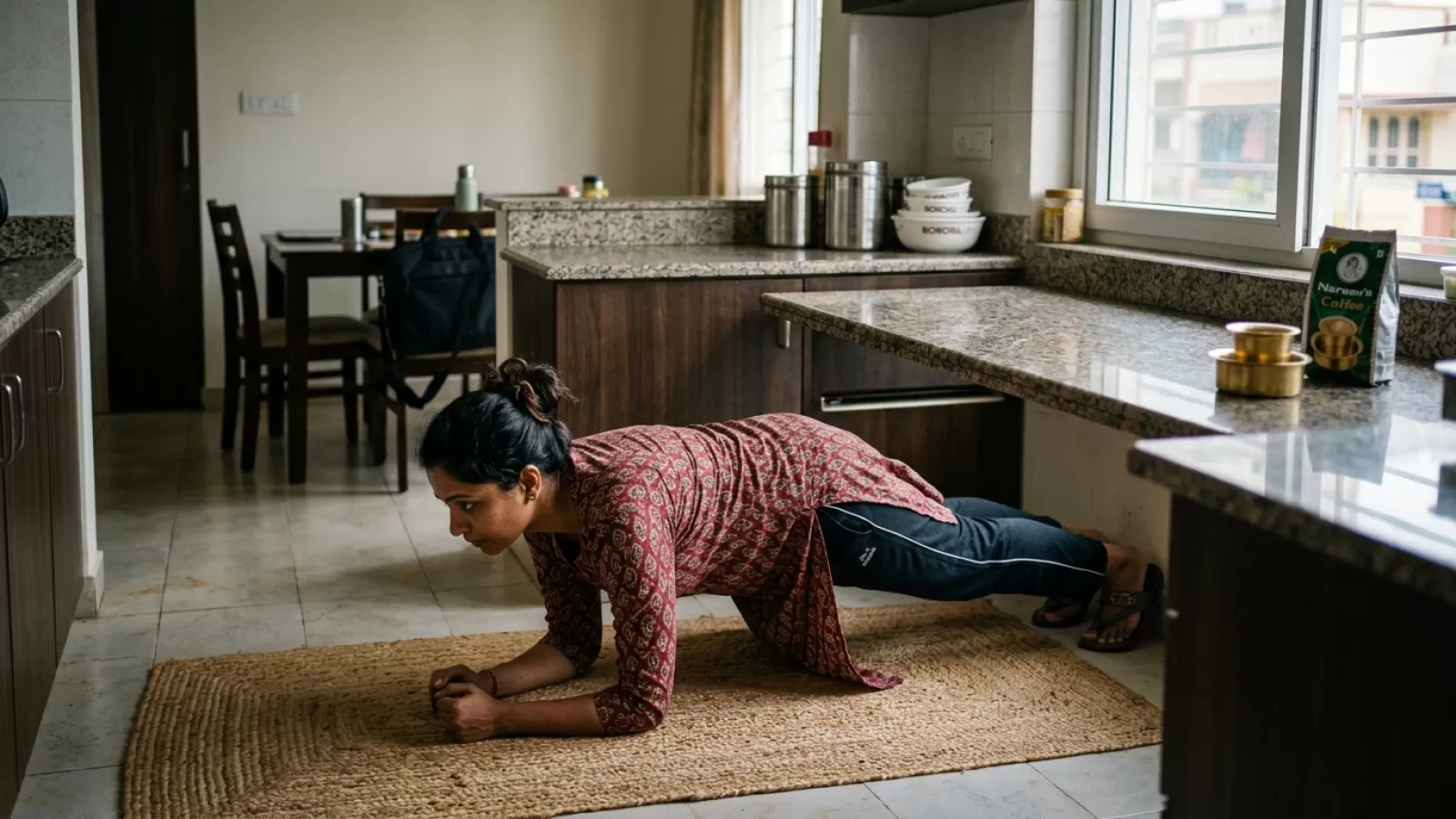
Quick morning exercise for Indian adults tends to look different from what you see in fitness videos. It’s not a formal session with mats and timers; it’s more about what you can do beside the bed, at the kitchen counter, or in the living room while others are still asleep. These small bursts—shoulder circles while folding clothes, calf raises after brushing teeth—are the building blocks of busy Indian adult home fitness.
Many families in Indian cities have quietly discovered that a morning workout of 10 minutes isn’t about burning calories. It’s about getting the joints moving and waking up the mind before the demands of the day pile up. Over time, this becomes a quiet ritual, stitched between everything else.
Why Indian Mornings Rarely Allow for Long Workouts
In urban and semi-urban India, the rhythm of the morning is dictated by family needs, work commitments, and shared spaces. Most adults don’t have the luxury to dedicate half an hour to exercise, especially when everyone is trying to use the bathroom, finish breakfast, and get out the door before the traffic builds up. The pressure is even higher in joint families, where mornings are a shared performance of teamwork and negotiation.
Fitness coaches who train working adults often find that most movement in Indian homes comes from daily tasks, not planned exercise. The morning is a window of interruptions—school WhatsApp messages, milk delivery, phone calls from the office, and reminders to soak dal for the evening. The idea of a structured, long workout feels impossible, so most people abandon it altogether.
Here’s the catch: those who build a habit of quick morning exercise—shoulder rolls, wall push-ups, ankle circles—tend to feel less stiff by noon. The body responds to even short bursts of movement, especially when done consistently. Over weeks, these routines become less about fitness goals and more about making the day feel manageable.
How To Spot When You’re Missing Morning Movement
- Body stiffness by midday. If you notice shoulders or back feeling tight before lunch, your morning likely lacked movement. Many adults find themselves stretching at their desks or while waiting for lunch to reheat.
- Low energy through the day. When mornings start rushed and still, energy tends to dip faster. That little burst of movement often acts as a wake-up signal for the whole system.
- Difficulty focusing on work or chores. Quick morning exercise for Indian adults helps clear the morning fog. Skipping it often means feeling mentally sluggish by 10am.
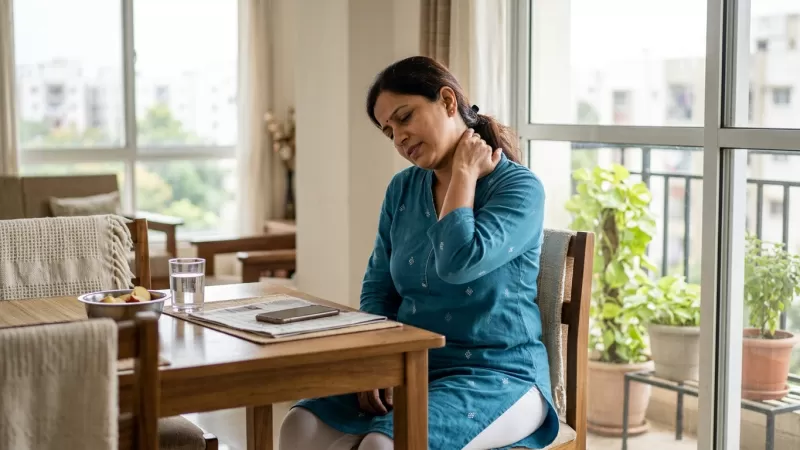
- Increased aches after sitting long hours. Busy Indian adult home fitness isn’t just about weight or strength—it’s about avoiding the sore knees and necks from long commutes or WFH setups. Short stretches and joint rotations help ease this.
- Feeling irritable during the morning rush. Small movement routines often create a buffer against stress. When skipped, tempers seem to run a bit shorter.
Simple Short Workouts That Fit Indian Mornings
- Kitchen counter stretches. While the chai boils, try calf raises, toe touches, or gentle side bends. These can be done in a sari or office clothes, and nobody needs to lay out a mat.
- Wall push-ups. Standing at arm’s length from the wall, do 10–15 push-ups. This works the arms and shoulders, and can be squeezed in while the cooker whistles or between lunchbox packing.
- Shoulder and neck rolls. These are perfect during short waits—while the microwave runs or someone else is in the bathroom. Rotate gently and breathe.
- Marching in place. Even 2–3 minutes of light marching (knees high or low, depending on your comfort) while watching the news or waiting for the milkman gets the blood moving. This is a staple of many morning workout 10 minutes India routines.
- Ankle circles and wrist stretches. These are especially useful for those who spend long hours on devices. Do them while reading the newspaper or checking WhatsApp.
The key is not to chase perfection. Most busy Indian adults will miss a day here and there. But when the routine is built around existing chores—rather than in competition with them—it tends to stick.
Everyday Moments When Short Workouts Happen Without Planning
In lots of Indian homes, nobody announces, “I’m starting my workout now.” It’s usually woven into the ordinary. A professional in Mumbai might stretch out their arms while waiting for the shower water to warm up. Someone in a Bengaluru apartment could do heel raises while ironing a kurta. In smaller towns, grandparents often include gentle squats or shoulder circles before the first cup of chai, especially during winter when joints feel stiffest.
On mornings when everything runs late, children are searching for shoes, and the house help is ringing the bell, the short morning home workout India adults manage might just be a minute of deep breathing and neck rolls behind a closed bedroom door. Over time, these small acts become invisible but vital rituals—keeping aches and fatigue at bay, even when life is too busy for anything more.
When To Speak To A Doctor Or Seek Support
If you notice persistent pain, dizziness, or discomfort during even gentle movements, or if you have a long-term medical condition, it’s wise to check with your doctor before changing your routine. Most everyday aches and stiffness respond well to gentle movement, but ongoing problems deserve professional attention. For those with arthritis or heart issues, always ask what’s safe for you.
Common Questions
Every Indian home has its own version of a busy morning, and it’s easy to feel like there’s no space for movement. That said, many families find that even a short burst of activity—done while cooking, getting ready, or helping children—makes a quiet difference to energy and mood. Here are some of the questions that come up most often about quick morning exercise for Indian adults.
What is the shortest morning exercise routine that genuinely makes a difference for Indian adults?
Many Indian adults find that even 5 minutes of movement—like shoulder rolls, marching in place, and side bends—can ease stiffness and make the body feel more awake. It doesn’t have to be complicated. For example, a homemaker in Pune often does three rounds of wall push-ups, 30 seconds each of neck and ankle circles, and finishes with gentle stretches while waiting for tea. These micro-routines can boost energy and reduce aches, especially when done most mornings.
How do you fit even a small amount of movement into an Indian morning that is completely packed?
Most people fit movement into the gaps between chores. A working professional commuting in Bengaluru might do calf raises while brushing teeth, or wrist stretches at the breakfast table. Many parents sneak in stretches while packing tiffins or waiting for the pressure cooker. The trick is to pair an exercise with a regular activity—so it becomes second nature. Over time, these micro-workouts blend into the morning rhythm, even on the most rushed days.
Is a 5 or 7 minute morning workout genuinely worth doing or is it too short to have any real effect?
Short morning workouts are absolutely worth it, especially when done consistently. Many Indian adults who try 7-minute routines—shoulder rolls, wall push-ups, a few stretches—notice less stiffness and more energy by mid-day. The effect is less about calorie burning and more about waking up the body and mind. Over the months, these routines become the reason you feel less achy after long hours at a desk or on the road.
How do busy Indian working adults build a short morning exercise habit that survives the inevitable disruptions?
Habits that last are usually the ones built around existing routines. People who link quick morning exercise to daily chores—like stretching while the tea boils, or doing ankle circles while waiting for a download—tend to stick with it. If you miss a day, just start again the next. Many find it helps to keep it simple and avoid perfectionism. Some even set a reminder on their phone or leave a sticky note by the mirror to prompt movement during the morning rush.
What are the best exercises to do in under 10 minutes that leave the body feeling better for the whole day?
Simple moves work best: shoulder and neck rolls, wall push-ups, side bends, calf raises, ankle circles, and gentle squats. These can be done in a kurta, sari, or office clothes and don’t need any equipment. Some professionals march in place while listening to the news, or do wrist stretches as they pack lunchboxes. The main thing is to move every major joint for a few minutes—this wakes up the body and helps prevent aches from sitting or commuting all day.