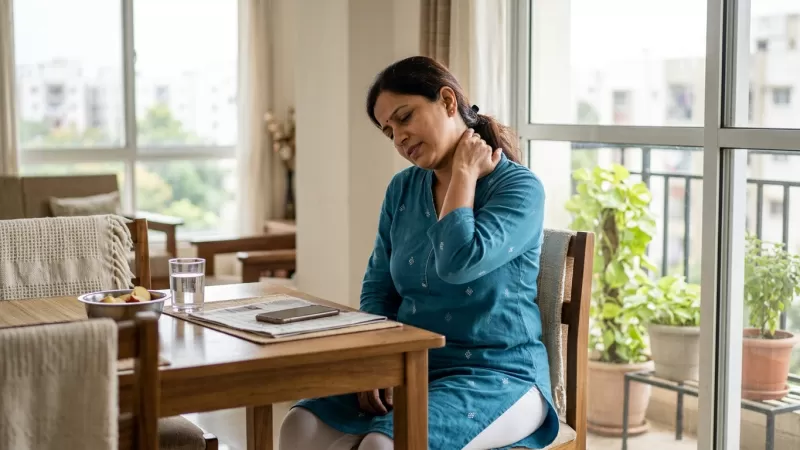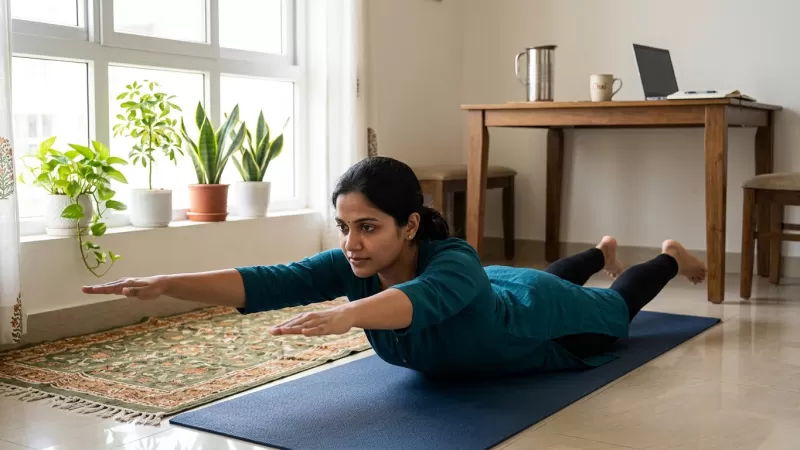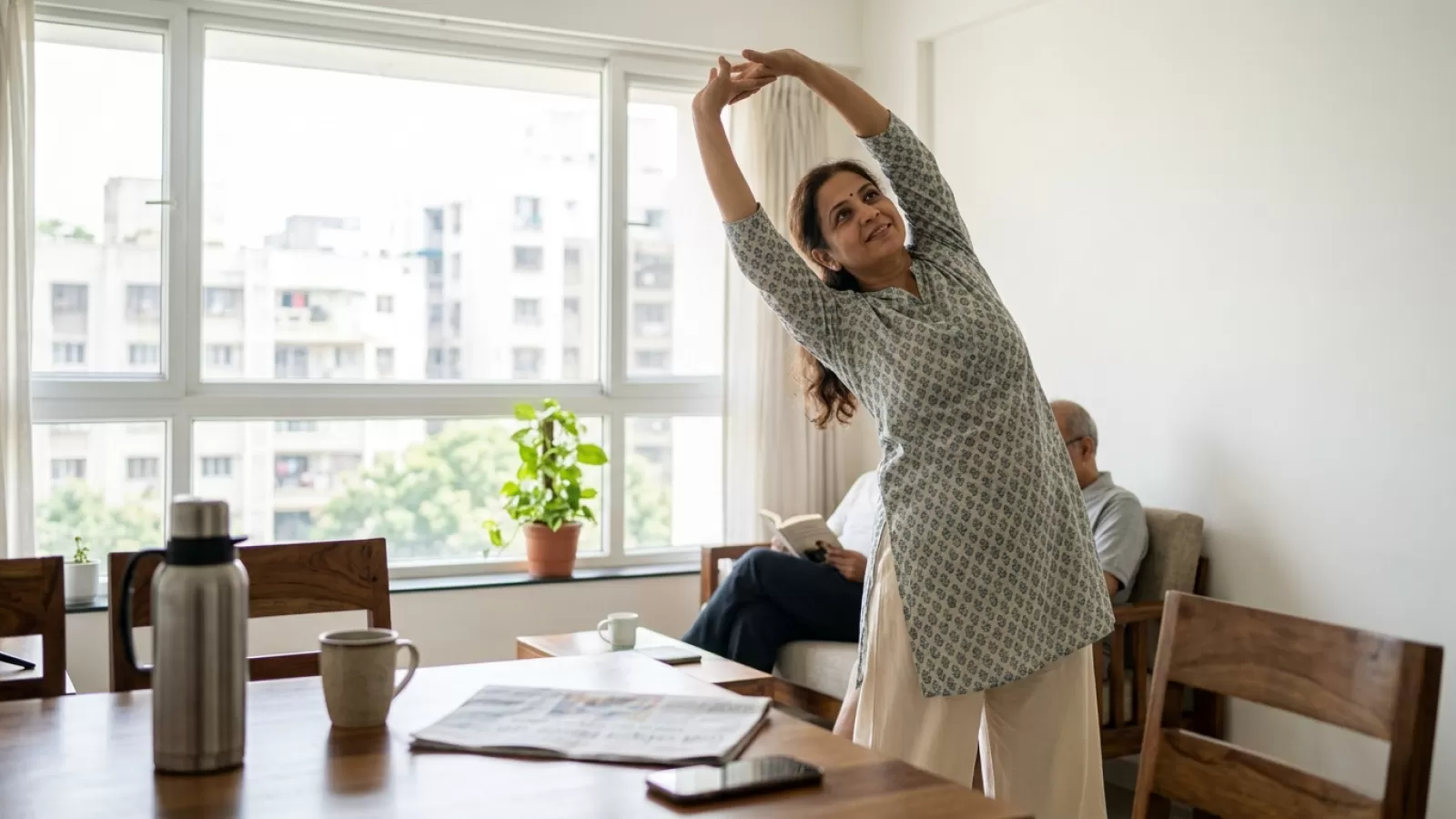
Around 6pm in many Indian homes, there’s an oddly familiar feeling in the air. You’ve been at the desk since morning — barely getting up except for chai or a hurried lunch. As the sunlight fades, your lower back feels tight, your neck is stiff, and there's a sense that your body has been quietly filing complaints all afternoon. These days, a 15 minute gentle routine sitting indoors India is less about fitness and more about basic upkeep, like rinsing your face after a long day or making sure the pressure cooker whistle goes off before dinner.
This isn’t about squeezing in a workout for your health tracker. In many households, it’s a way to keep the body from collecting the aches and stiffness that show up the next morning. Just a handful of movements — done slowly, in your own living room or even beside the bed — can make a surprising difference. It’s about maintenance, not milestones.
Why Hours Indoors Add Up In Surprising Ways
In most Indian families, long spells of sitting have become a regular part of daily life. Work-from-home setups, extended online classes, and even television marathons after dinner mean that many adults end up spending 8-10 hours each day parked in a chair or on a bed. The tricky part is, this stillness isn’t always obvious. You might shift from laptop to lunch plate, from sofa to smartphone, and back again, rarely noticing how little actual movement happens in between.
Mornings often start with a rush — making chai, packing tiffin, sorting dahi for breakfast. But once that flurry ends, many adults sit for hours, especially in urban homes. Even household chores that once meant a bit of walking around (like checking the pressure cooker or folding laundry) have shrunk as gadgets and helpers take over. The result? By evening, the body feels oddly heavy, a dull tightness spreading across the shoulders, hips, and lower back.
The reality is, hours of sitting indoors — whether in Bengaluru’s apartment blocks or Lucknow’s old bungalows — have a way of sneaking up on you. That’s why something as simple as a 15 minute gentle routine sitting indoors India is now less a luxury and more a basic need.
The Sneaky Reasons Stillness Hurts Indian Bodies
It’s easy to blame posture or say, "I just sat too long today." But the reasons go deeper. In many Indian homes, furniture isn’t always built for long hours of work. Sofas double as workstations, dining chairs become office seats, and beds are the go-to for everything from Zoom calls to evening news. This mixing of spaces means the body is often slouched, legs folded under, or shoulders hunched in odd angles.
There’s also the weather. Humid summers in Chennai or sticky afternoons in Kolkata make movement after sitting all day India feel even harder — nobody wants to sweat more than they have to. Ceiling fans whir, the AC hums, and inertia sets in. Evenings, once meant for neighborhood walks or a stroll to the kirana, now often pass indoors because of traffic, dust, or just plain tiredness.
Physiotherapists who work with Indian adults often find that the cumulative effect of these habits — poor seating, hot afternoons, and limited movement — tends to show up as joint stiffness, slow blood circulation, and that heavy “thakawat” (fatigue) by the time dinner is on the table. Over time, these patterns become so normal that many don’t realize how much better they could feel with just a few minutes of gentle movement.
Little Signs Your Body Wants To Move
- Stiffness in the lower back and hips by evening: You might feel the urge to stretch or twist, especially after sitting at the dining table for chai or dinner.
- Neck and shoulder tightness: Many notice a dull ache when turning the head, or a stubborn knot near the shoulder blade. Sometimes it’s the same side you hold your phone on for long calls.
- Heaviness or tingling in the legs: Especially if you’ve been cross-legged on a chair or using a laptop on the bed all day. The first few steps after getting up can feel awkward.
- Restlessness around bedtime: Some people find it hard to settle down at night, tossing and turning more than usual. Gentle movement routine India before bed can sometimes help.
- General fatigue, not just sleepiness: It’s not just mental tiredness, but a physical sense that your body is weighed down or “jammed”.
Small Movements That Make the Biggest Difference
- Doorway stretches: Stand in a doorway, place your arms on the frame, and gently lean forward. This opens up the chest and shoulders, which tend to curl forward after hours of desk work. Just holding for 20–30 seconds can feel surprisingly good.
- Gentle walking in place: Marching or walking softly in one spot for a few minutes helps blood flow. In many homes, this happens while watching evening news or waiting for dal to finish on the stove.
- Slow shoulder circles: Rotating the shoulders backward and forward, especially after long typing sessions, can loosen stiffness. Try this while standing in the kitchen during power cuts — nobody’s watching!
- Seated twists: Sit on a sturdy chair, feet flat, and gently twist your upper body to each side. This helps the lower back and aids digestion after a heavy meal.
- Ankle and wrist rolls: Moving the joints in slow circles can ease that “pins and needles” feeling. Many elders do this while sitting on the balcony in the evening.
If you notice that certain movements feel especially stiff or awkward, go slower. The point isn’t to stretch to your limit, but to nudge the body out of stillness. A 15 minute gentle routine sitting indoors India is about waking up the areas that have been quietly ignored all day.
How Gentle Movement Fits Into Real Indian Evenings
After a full day of work, screens, and household tasks, it’s rare to find a quiet moment for yourself. Yet, many families in Indian cities have quietly discovered that a small window — right after office hours but before dinner prep — is the easiest time to slip in 15 min exercise sedentary Indian adults often need. In some homes, this looks like a group effort: kids join in for a few stretches, elders do gentle shoulder rolls while chatting, or someone walks circles around the dining table during a phone call.
In joint families, space can be tight. But there’s often a corner near the puja area or a patch of clean floor where a mat can be spread. During summer, people may wait for the evening breeze before starting. Even in small flats, movement after sitting all day India is possible — many use the time when the pressure cooker is on or the chai is brewing.
It doesn’t have to be fancy. For most, it’s not about “working out” but resetting the body so that tomorrow doesn’t start with aches and stiffness. Over time, some families even make it a routine before watching TV or as a wind-down before bedtime. The difference is subtle but real: waking up feeling lighter, with joints that don’t creak so much.
A Kitchen in Nagpur At 6am: The Subtle Impact
There’s something about early mornings in Indian kitchens — the soft light, the distant call of a chaiwala, the clank of steel utensils. In one such kitchen in Nagpur, the quiet is broken only by the gentle sizzle of tadka. The person moving around notices something different: no sharp twinge in the lower back when bending to pick up a pot, no heavy reluctance in the knees when squatting to fetch rice. The reason isn’t a new mattress or a fancy chair. It’s the 15 minute gentle routine sitting indoors India that happened the night before, a few doorway stretches and gentle walking in place. The body, once stiff after a day of sitting, now moves with a bit more ease — almost as if it remembers being cared for, just a little.
When Gentle Isn’t Enough: Knowing When To Ask For Help
Most aches and stiffness after a sedentary day will ease with gentle movement. But if you find pain that doesn’t fade, numbness, or swelling that sticks around, it’s a good idea to check in with a doctor. Same goes for any joint pain that interrupts sleep or daily activities. Gentle movement routine India is for maintenance — anything more than mild discomfort deserves expert attention.
Common Questions
A lot of Indian adults wonder how to make a 15 minute gentle routine sitting indoors India actually work, especially when evenings are hectic and motivation is low. The trick is to keep things simple and realistic, using familiar spaces and movements that don’t need fancy equipment. Let’s look at some common questions that come up in real homes.
What are the most important movements to include in a 15-minute routine after a completely sedentary Indian day?
Focus on moves that target the areas most affected by sitting: chest and shoulder openers (like doorway stretches), gentle twists for the lower back, and walking in place to get the blood circulating. Many people in Indian homes also do ankle and wrist rolls to ease that tingling feeling, especially after long phone or laptop sessions. The key is to move slowly and breathe — you want to coax the stiffness out, not force it. Try including one movement for each major joint group, and you’ll cover a lot in just 15 minutes.
How much of the damage from sitting all day can 15 minutes of gentle movement genuinely reverse?
Fifteen minutes won’t erase all the effects of a sedentary day, but it does a lot more than you’d think. In many Indian families, people notice less morning stiffness and improved sleep after even short routines. Gentle movement helps restore circulation, reduces tightness, and signals to the body that it’s safe to relax. The main thing is consistency — doing a 15 minute gentle routine sitting indoors India most days will prevent problems from building up, even if it doesn’t “undo” every ache right away.
Is there a specific order of movements that is most effective for addressing the effects of extended sitting?
Usually, starting with larger, gentle movements (like walking in place or big shoulder circles) helps warm up the body. Then, move to stretches that open up the chest and hips. End with softer moves like ankle and wrist rolls or seated twists. Many Indian adults find this order feels natural — you start by waking up the body, then ease out the tightness, and finish with calming movements before dinner or bedtime. You can always adjust based on what feels best after your day.
How do you make a 15-minute end-of-day movement routine happen consistently when the sofa is the most compelling option?
The sofa does call out after a long day — no doubt about it. What helps in many Indian homes is tying movement to another daily habit: while waiting for the pressure cooker, during the ad break of your favorite serial, or just before evening chai. Sometimes, doing it with family members — kids, spouse, or elders — makes it less of a chore. Keep the routine simple; the less complicated it feels, the more likely you’ll stick with it, even when you’re tempted to flop on the sofa.
What are the most important body areas to address in a post-sedentary-day movement routine for Indian adults?
The lower back, hips, neck, and shoulders are usually the first to get stiff after hours of sitting in Indian homes. Wrists and ankles can also feel tight, especially after using phones or laptops all day. Focusing on these areas means you’re tackling the main sources of discomfort. In many families, a few simple stretches for these joints each evening is enough to keep aches from piling up before the next day begins.