These days, especially with so many people working from home or attending meetings back-to-back in offices, it’s common to feel stiff, achy, or just plain tired by lunchtime. Sometimes, you barely have enough time to grab a glass of water before the next meeting begins. The idea of squeezing in exercise can feel laughable. Still, those tiny windows between meetings—sometimes just five or ten minutes—are quietly important for your joint health and overall comfort. Let’s talk about simple ways you can use these short gaps to ease tension, even if you’re surrounded by files, family, or the constant ding of WhatsApp groups.
Why Short Movement Breaks Matter, Especially in Indian Homes
It’s easy to shrug off stiffness as just a part of modern life. But you’ve probably noticed how quickly your shoulders tighten or your lower back starts to ache when you sit for hours—whether it’s at a dining table-turned-desk, a plush sofa, or even on the floor with your laptop propped up on a cushion.
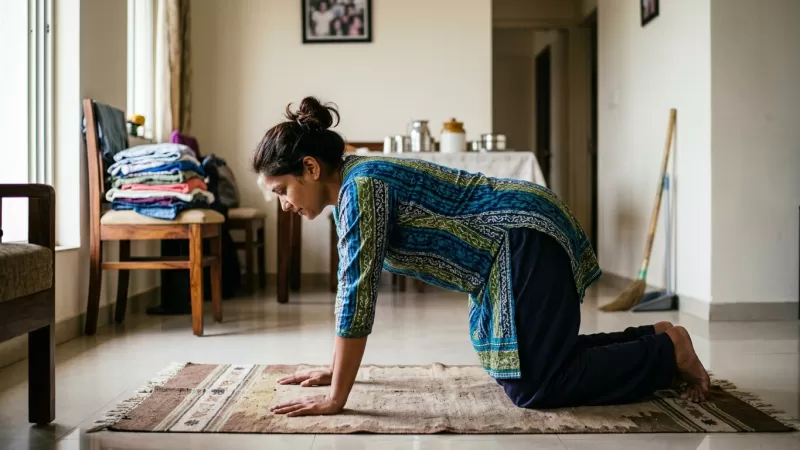
In many Indian homes, space is at a premium. There’s often no extra room for stretching out fully, let alone rolling out a yoga mat. Joint pain and stiffness don’t wait for you to have free time. They creep in quietly, especially when you’re juggling work, house chores, and family conversations all in the same room.
Here’s the comforting part: Even very short, gentle movements can help. You don’t need to change into gym clothes or clear out the living room. Small, regular bursts of movement can keep your joints happy and your mind a bit fresher.
Understanding the "Movement Gap" Between Meetings
Think about your typical workday. Meetings run longer than expected, the next one starts in two minutes, and before you know it, you've barely moved for hours. These short gaps—sometimes just enough to stand up, stretch, or walk to the kitchen—are often overlooked.
Many families quietly deal with this: one person’s online call overlaps with another’s, and everyone is tiptoeing around each other. The result? It’s tempting to just stay put, especially if it means keeping the peace or not disturbing a sleeping child.
But these hidden breaks are opportunities. Even standing up and moving your joints for a couple of minutes can refresh your body and mind. It’s not about burning calories—it’s about keeping your body from locking up.
The "Stand and Stretch" Routine: No Equipment, No Fuss
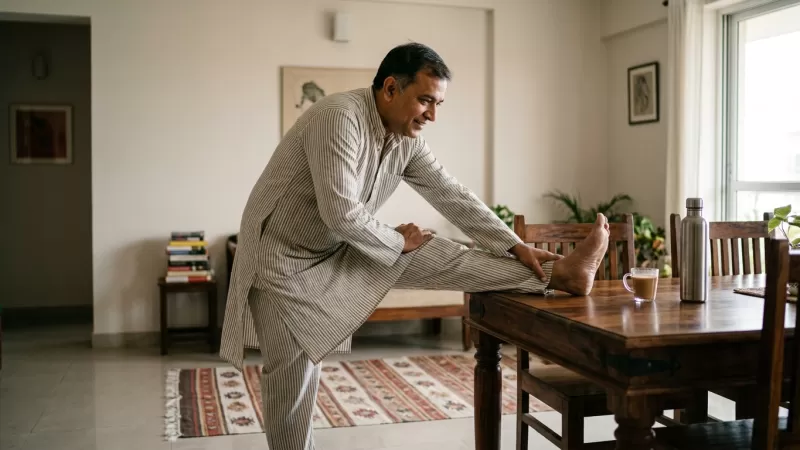
One of the simplest ways to reset your body between meetings is to stand up and gently stretch. No need for fancy moves—just enough to get the blood flowing and remind your joints that you haven’t forgotten about them.
- Neck rolls: Gently roll your head in circles, first clockwise, then anti-clockwise. This helps release tension from staring at screens or looking down at notebooks.
- Shoulder shrugs: Lift your shoulders towards your ears and release. Repeat a few times. It’s surprising how much this can ease those tight, hunched feelings.
- Overhead reach: Raise both arms overhead, stretch upwards as if trying to touch the ceiling (or fan), then slowly lower. If you’re in a room with a low ceiling, just reaching up and lengthening your spine works too.
These movements are quick, don’t need any equipment, and you can do them in the corner of your room—often in the same spot where you take your calls.
Moving Your Legs: Easy Ways When You Can’t Walk Far
Not everyone has a long hallway or open area for walking. Sometimes, you’re surrounded by furniture, kids’ toys, or just don’t want to walk in front of someone else’s video call. Still, your legs need a break too.
- March in place: Stand up and gently march on the spot for a minute or two. You don’t have to lift your knees high. Even a light shuffle helps.
- Heel raises: Stand behind a sturdy chair or table, hold on for support, and lift your heels off the ground so you’re on your toes. Lower back down. Repeat several times. This wakes up your calf muscles and gets blood moving.
- Seated knee lifts: If you can’t stand up, simply sit and lift one knee at a time towards your chest. Do this a few times for each leg.
It might feel a bit silly at first, especially if others are around. But most people are too busy to notice, and you’ll likely feel less sluggish by the time your next meeting starts.
Desk and Chair Movements: For When You Can’t Leave Your Seat
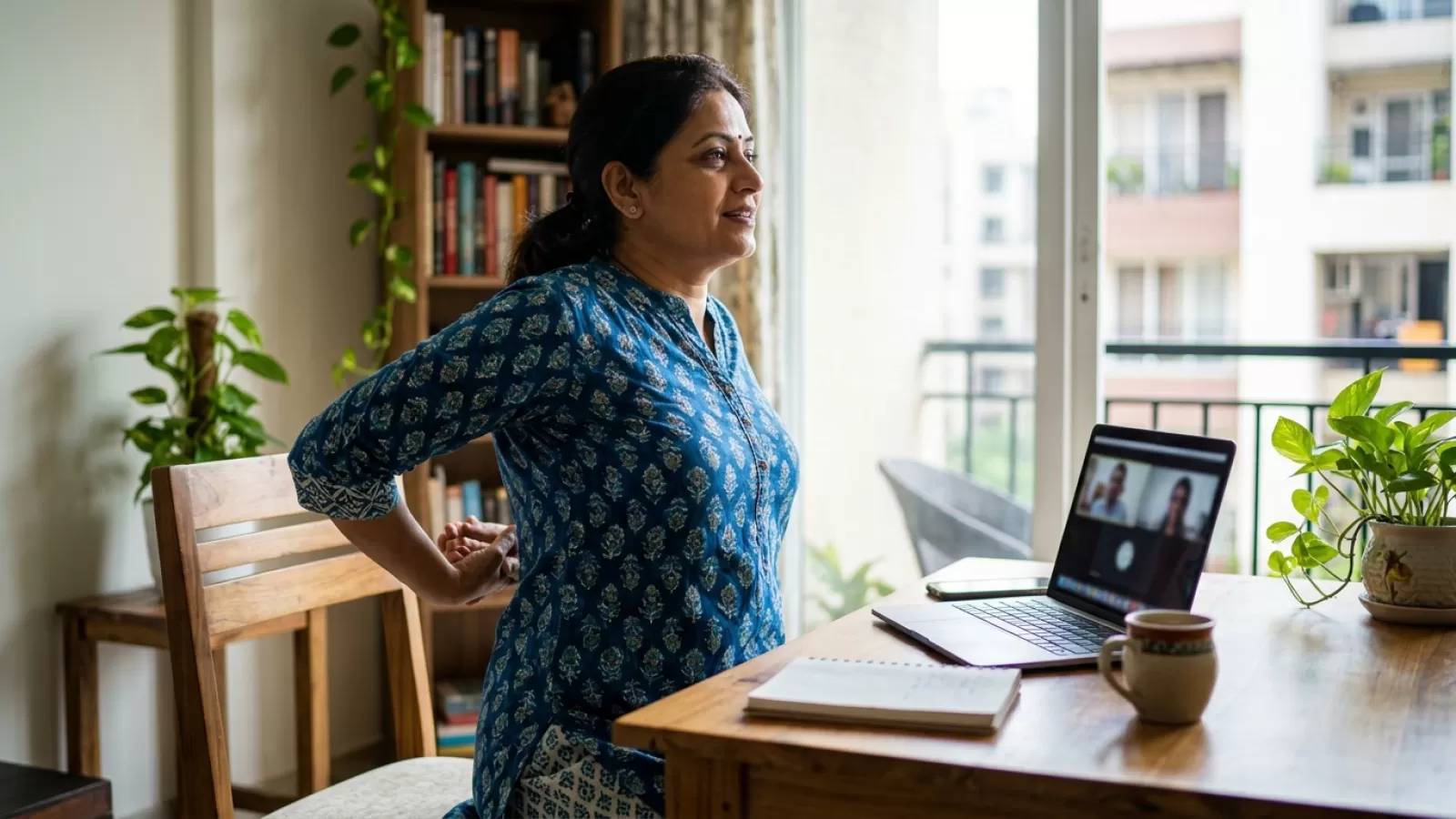
On those days when you’re stuck in your chair (maybe you’re taking notes, or you just need a breather between tough meetings), there are still ways to keep your joints moving.
- Seated twists: Sit tall, place your right hand on the back of your chair, gently twist your upper body to the right, hold for a moment, then switch sides. This helps release the lower back.
- Ankle circles: Lift one foot off the ground and slowly rotate your ankle in circles, both directions. Repeat with the other foot.
- Shoulder blade squeeze: Sit or stand tall and squeeze your shoulder blades together as if you’re trying to hold a pencil between them. Hold for a few seconds, then release.
These movements are subtle—no one on a video call will notice unless they’re really paying attention. And they’re useful for seniors too, especially those who spend long hours reading or using the phone.
Gentle Movements for Seniors or Anyone With Joint Sensitivity
For older adults or anyone dealing with joint pain, the idea of moving during a short break might sound tiring. There’s a gentle way to approach it. You don’t have to push yourself or try to match someone else’s pace.
- Wrist circles: Rotate your wrists, first in one direction, then the other. This often helps if you do a lot of writing or kitchen work.
- Finger stretches: Spread your fingers wide, then make a gentle fist. Repeat several times. It’s simple, but it can ease the stiffness that comes from holding a pen or phone for long periods.
- Slow shoulder rolls: Roll your shoulders forward and backward, slowly and softly.
Even a few repetitions can help. If any movement causes pain or discomfort, it’s always best to pause and try something easier. No need to force anything.
Making Movement a Habit (Even When You’re Busy)
This is the tricky part. It’s one thing to know what to do, another to remember when you’re in the middle of a busy day. Many people start with good intentions, but by the third or fourth meeting, it’s easy to forget.
Some gentle reminders can help:
- Set a soft alarm or reminder on your phone for every hour or two. Just a quick vibration can be enough to nudge you to move.
- Keep a glass of water on the other side of the room so you have to get up to refill it.
- Pair movement with another routine—like stretching while waiting for your chai to brew or while the cooker is whistling.
Small adjustments tend to work better than grand plans. The goal isn’t perfection, just a bit more comfort each day.
When Short Movement Breaks Aren’t Enough
There are days when, despite your best efforts, you still feel stiff or achy. It happens, especially during humid monsoon months or after a restless night’s sleep. Sometimes, these small movements help, but don’t fix everything.
On such days, it’s okay to accept that your body needs a little more rest or a longer walk after work. Sometimes, a warm shower or a quiet moment with your feet up is just as important. If you notice ongoing pain or swelling, it’s wise to talk to your doctor, especially if it keeps coming back. No harm in being cautious.
Your comfort matters. Listen to your body’s signals, even if they’re just whispers.
Bringing It All Together: A Friendly Nudge
Life in Indian homes is rarely perfectly organized. There’s schoolwork, office calls, elderly parents, and the daily rhythm of cooking and cleaning. Squeezing in movement isn’t always easy. But using short gaps between meetings—even if it’s just for a minute or two—can genuinely help you feel less tense and more refreshed.
It doesn’t have to be complicated. Stand up, stretch, roll your shoulders, march in place, or just move your fingers and wrists. Over time, these tiny efforts quietly add up.
And if you forget or get too busy, don’t worry. There’s always another chance—maybe after you finish your next call, or when you’re waiting for your roti to puff up. You’re not alone in this. Many families are figuring it out, one meeting at a time.