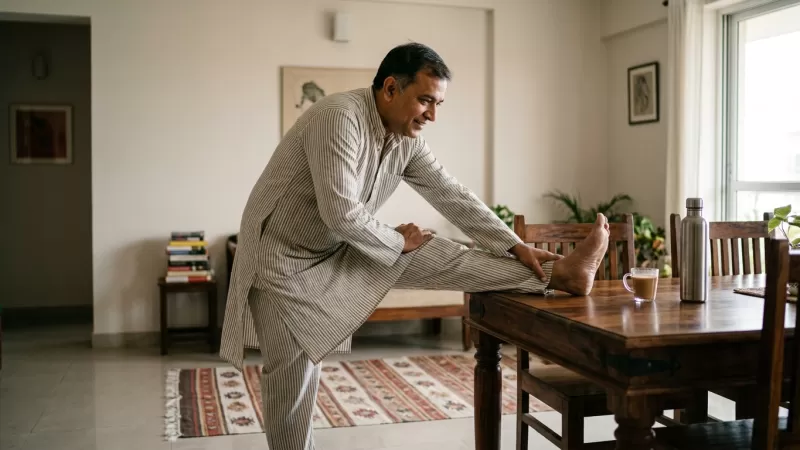
Let’s be honest: whether it’s catching up on WhatsApp, scrolling through recipes, reading news, or even watching those endless reels, our phones and tablets have quietly become a big part of daily life. It’s not just the younger crowd—grandparents checking photos, office-goers on laptops, even homemakers looking up a quick bhindi recipe—everyone’s head bends forward more often than we realize. After a while, that stiff, achy feeling settles in the back of your neck or shoulders. Sound familiar? You’re definitely not alone.
Why Does Your Neck Feel Tired After Screen Time?
Sitting for long stretches with your head down—whether you’re scrolling, reading, or binge-watching a series—puts extra pressure on your neck and upper back. In many Indian homes, people tend to use their phones sitting on the sofa, on the bed, or even at the dining table after meals. The head naturally tilts forward, and over time, those muscles that hold your neck steady start to feel overworked.
Some days, the ache is just nagging. Other times, it’s a dull throbbing that makes you want to put everything aside and just lie down. It’s easy to brush it off, but ignoring these signals doesn’t really help. Over time, this can lead to stiffness and less flexibility—something many families quietly deal with, especially during long evenings or after work-from-home shifts.
The good news? You don’t need a fancy gym or expensive gadgets to ease this discomfort. Just a few simple habits and gentle movements, right there in your living room, can make a noticeable difference.
Instant Neck Relief: The Power of Micro-Breaks
The tricky part is—we often don’t realize how much time has passed while using our devices. It’s normal. But taking even a 2-minute break every 30–40 minutes can refresh your neck and shoulders before they get too tight.
- Stand up or simply sit back with your feet flat on the floor.
- Roll your shoulders gently, forwards and backwards, about 5–6 times. No rush.
- Look up towards the ceiling, then down towards your lap, repeating a few times. Move slowly—no sudden jerks.
- Let your arms hang loosely by your sides and shake them gently.
This simple pause—often called a “micro-break”—tends to wake up your circulation and gives your neck a rest. You might not feel instant magic, but over the day, these add up.
A Gentle Neck Stretch Routine for Everyday Relief
For those days when you wake up stiff or feel sore after a long phone call, try this short routine. You don’t need a yoga mat or special clothes. Just sit comfortably—on the bed, a chair, or even on a floor cushion.
- Side Tilt: Slowly tilt your head towards your right shoulder (as if you’re trying to touch it with your ear), hold for 10–15 seconds, then repeat on the left.
- Chin to Chest: Gently lower your chin towards your chest, feeling a stretch at the back of your neck. Hold for 10–15 seconds.
- Look Over Shoulder: Turn your head to look over your right shoulder, pause, then switch sides. Do this 2–3 times each way.
- Neck Circles (optional): If you’re not feeling too stiff, make slow, gentle circles with your neck clockwise, then anti-clockwise. Skip this if it feels uncomfortable.
Don’t force anything. If you’re feeling extra stiff or dizzy, just do the simpler moves. There’s no need to push hard—gentle is more effective than aggressive here.
Small Fixes Around the House to Help Your Neck
You’ve probably noticed that certain places in the house—like the dining table or your favourite bed corner—are where you spend most of your screen time. The way you sit actually matters. Sometimes, a minor adjustment makes things much easier for your neck.
- Keep your phone or tablet at eye level when possible. Prop it up using a book stand, a pillow, or even a steel dabba—no need for fancy equipment.
- If you use a laptop, try to sit at a table with your back supported, instead of slouching on the sofa.
- For long phone calls, use the speaker option or earphones to avoid tilting your head sideways.
- Set an alarm or reminder to check your posture if you tend to lose track of time.
These changes might sound small, but in many households, they quietly reduce that end-of-day neck soreness.
How Indian Routines Can Work in Your Favour
Here’s something comforting: our Indian routines, even with all their busyness, often include opportunities for natural movement. Think about it—between making tea, folding clothes, or watering plants, you’re already breaking up your sitting time. The problem creeps in when we get stuck to screens for hours without these little interruptions.
Try to pair your screen breaks with everyday chores. For example, after every episode or long WhatsApp chat, get up to refill your water bottle or check on the cooker. Even standing and walking a few steps in your own room helps. These short bursts of movement, scattered through the day, are more helpful than one big exercise session for keeping your neck and shoulders relaxed.
Don’t underestimate the power of these small routines. They fit naturally into Indian homes and can prevent that heavy, tired feeling by bedtime.
When You’re Too Busy or Tired for Exercises
Let’s face it: there are days when you barely have time to finish your dal-chawal, let alone do a full exercise routine. Or evenings when your energy is just gone. During festival prep, late-night office work, or when the kids are unwell, self-care often takes a back seat.
On such days, even just placing a warm towel around your neck for a few minutes can feel soothing. If you have a hot water bag, that works too. Sometimes, resting with your head supported on a cushion and closing your eyes for five minutes gives your neck a break without any effort.
And here’s a gentle opinion: it’s okay if you miss your routine sometimes. The idea is to be kind to yourself and do what you can, when you can. Consistency over time matters more than perfection every single day.
Common Questions and Everyday Doubts
Many people quietly wonder if these stretches are really safe, especially for older adults or those with existing aches. It’s a fair concern. Generally, these gentle movements are meant to relax—not strain—your muscles. But if something feels sharp or causes discomfort, it’s better to skip that move and stick to what feels comfortable.
Some also ask if these routines will make the pain go away completely. The honest answer? They usually help with daily stiffness and fatigue, but deeper or constant pain might need more attention. In such cases, it’s wise to pause and consult a professional rather than push through.
And yes, it’s normal to feel lazy or forgetful about taking breaks, especially on busy days. Setting a light reminder or tying your routine to something you already do (like after your morning chai or before your evening news) can make it less of a chore and more of a habit.
Making Neck Relief a Family Habit
Sometimes, it helps to involve the whole family—children, parents, or grandparents—in these simple routines. If everyone does a few stretches together in the evening, it becomes a shared moment, not another task. You can even make a light game out of it with kids, or play soft music during the routine.
In joint families, you’ll often notice that elders remind the younger ones about posture or taking breaks. Listening to these gentle reminders, or even turning them into a regular after-dinner activity, can make a real difference over time.
Here’s the thing: most neck stiffness after screen time isn’t about weakness or age. It’s just a sign from your body to pause and move a little. With a few mindful changes and a bit of consistency, you’ll probably notice you feel lighter and more comfortable, even on those long scrolling days.
Just remember, your neck supports you all day—give it a little care, and it’ll quietly return the favour.