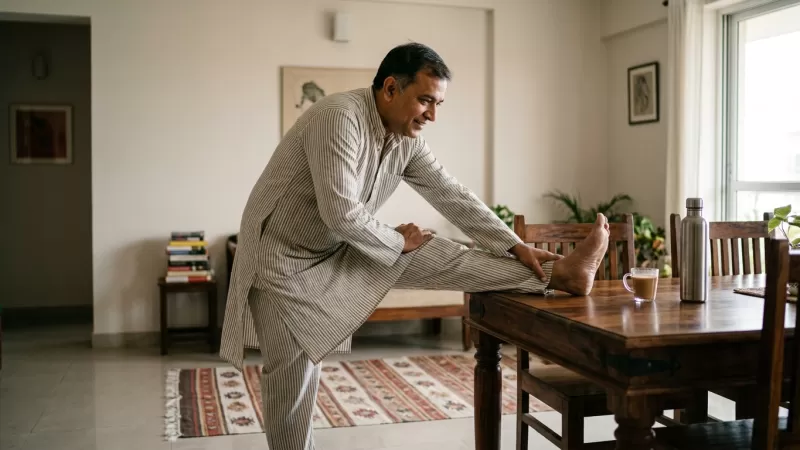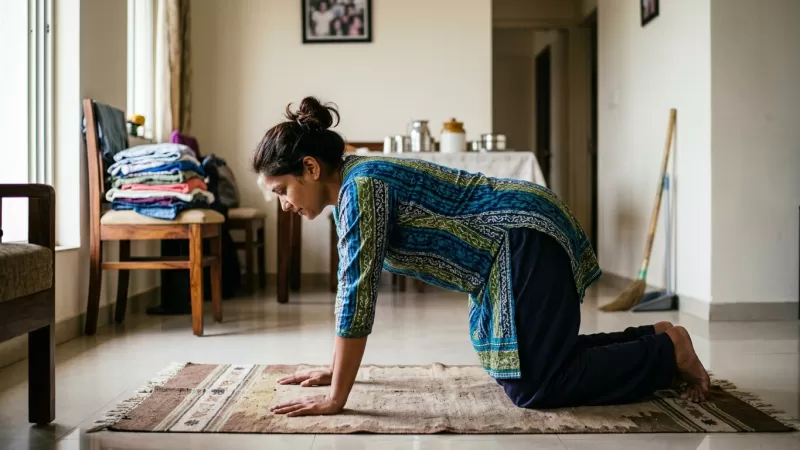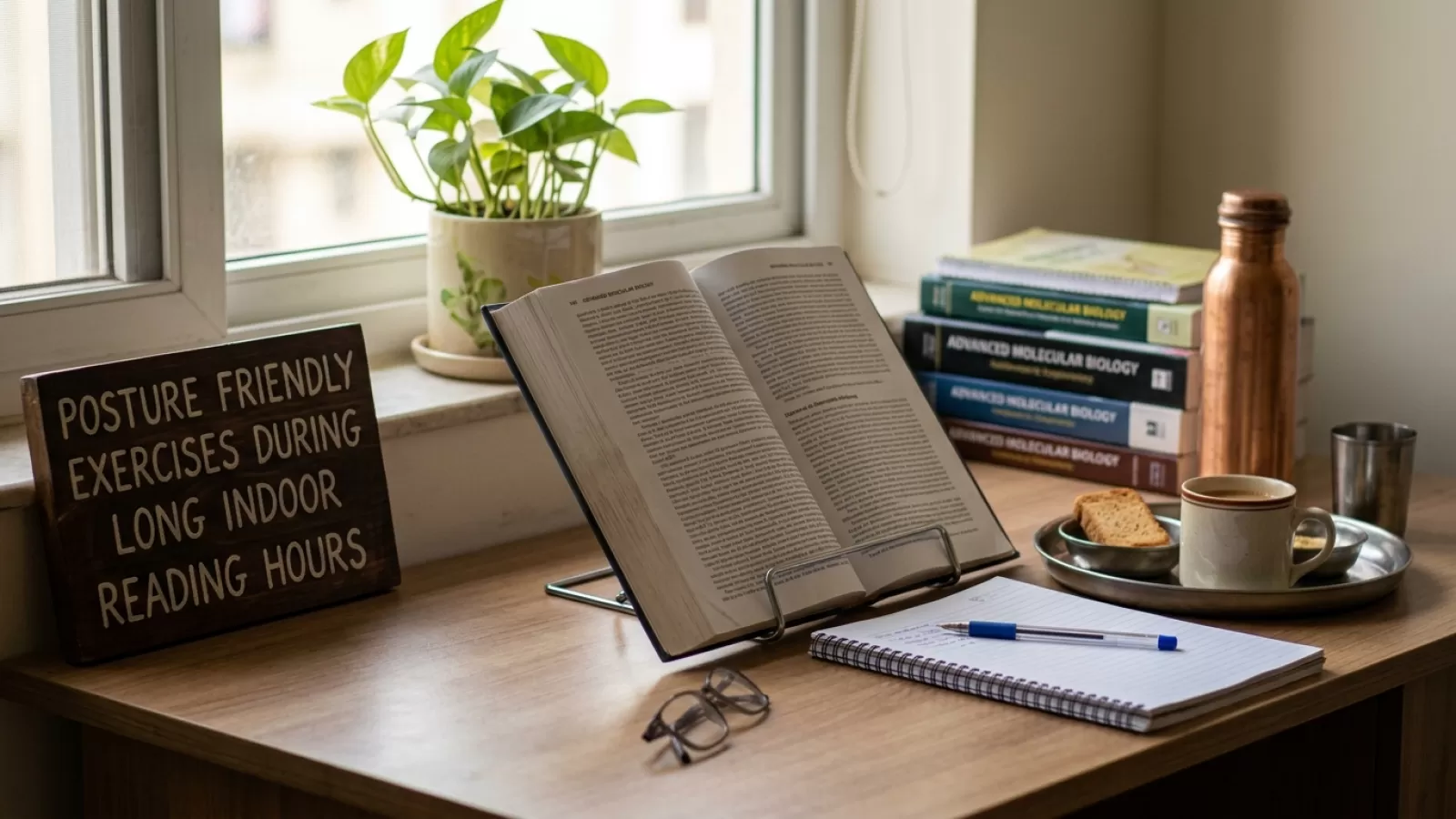
Long hours spent reading—whether it's a stack of school textbooks, a favourite novel, or even scrolling through messages—can quietly leave your back and neck feeling stiff. In many Indian households, it's common to find someone curled up with a book, hunched over a phone, or sitting cross-legged on the floor, especially during exam season or monsoon evenings. While it feels peaceful, these cozy positions can strain your posture over time, especially when you don't move for a while.
Why Posture Suffers During Reading Hours
You've probably noticed how easy it is to lose track of time when you're absorbed in reading—suddenly, an hour or more has passed. Most people tend to sit with their head bent forward, shoulders rounded, or legs tucked under for long stretches. The body isn't meant to stay in one position for too long, and these reading habits can lead to tension in the neck, shoulders, and back.
Many families quietly deal with complaints of backache or a stiff neck, especially in homes where students or working professionals spend hours indoors. It doesn't matter whether you're at a desk, on the bed, or sitting on the floor; posture troubles sneak up on everyone. The tricky part is, it's not always easy to notice these strains until they become uncomfortable.
That said, a few simple changes and gentle exercises, done regularly, can make indoor reading hours much more comfortable for your spine.
Setting Up a Posture-Friendly Reading Space
Before jumping into exercises, it's helpful to look at your reading environment. The way your chair, table, and lighting are set up can make a big difference in how your body feels during and after long reading sessions.
- Chair Support: If you use a chair, try to choose one that supports your lower back. Placing a small cushion or rolled towel behind you can help.
- Table Height: A table that's too low or too high can strain your neck. Your book or screen should be close to eye level, so you don't have to bend forward much.
- Floor Sitting: If you prefer sitting on the floor, try changing your position every so often and use a firm pillow for back support.
- Lighting: Good lighting reduces the urge to lean in or squint, which also helps your posture.
These small adjustments often go unnoticed, but over weeks and months, they can quietly reduce a lot of discomfort.
Gentle Neck and Shoulder Movements
It's common to feel tightness in the neck and shoulders after long periods of reading or using a screen. These are some gentle movements you can do while sitting, even during a reading break:
- Neck Rolls: Slowly roll your neck in a circle—first clockwise, then anti-clockwise. Don't rush; smooth, gentle movements are best.
- Shoulder Shrugs: Raise your shoulders up towards your ears, hold for a moment, then let them drop down. Repeat a few times.
- Shoulder Circles: Roll your shoulders forward and backward in slow circles. This helps relieve tension.
Most people find these movements quite easy to fit in, even between chapters or after every few pages. They don't take much time, but they do help loosen up those stiff areas.
Simple Back-Friendly Stretches
When your lower back starts to feel sore, some basic stretches can offer relief. These are gentle enough to try in the living room, study area, or even on the bed:
- Seated Cat-Cow: Sit upright, hands on your knees. Gently arch your back and look up (cow), then round your back and drop your chin to your chest (cat). Alternate slowly.
- Knee Hugs: While sitting or lying down, draw your knees up towards your chest and hug them. Hold for a few breaths and release.
- Side Stretch: While seated, raise one arm above your head and gently bend to the opposite side. Hold briefly, then switch sides.
The key is to move gently and avoid any stretch that feels painful or uncomfortable. If something doesn't feel right, it's always okay to skip it.
Incorporating Micro-Breaks Into Your Routine
It's surprisingly helpful to take small breaks, even if it's just standing up and walking around for a couple of minutes. In Indian homes, these breaks often happen naturally—answering the door, checking on the pressure cooker, or chatting with family. But during focused reading, it's easy to forget.
Here's a practical approach:
- Set a gentle reminder every 30–40 minutes to stand up and stretch. You can use a phone alarm or simply pause at the end of each chapter or section.
- During breaks, change your position and let your eyes rest by looking at something far away—maybe the greenery outside the window, or even a family photo on the wall.
- If you have a habit of reading late into the night, try to finish at least part of your reading sitting up, rather than always lying down.
These tiny changes don't interrupt your flow much, but they do help your body reset.
Household Activities That Double as Posture Support
Not all posture-friendly movements have to be formal exercises. Many common household tasks naturally encourage you to move and stretch your body. For example, dusting shelves, folding bed sheets, or reaching for items on higher kitchen shelves require you to stand, stretch, and move in ways that gently relieve stiffness from sitting.
In many families, these activities are spread throughout the day. If you can, try to alternate quiet reading time with a bit of light tidying up or helping with household chores. It's not about working more—just about giving your body a change in movement.
Even simple things like walking around the house to check on plants, or standing by the balcony for a few minutes, can help break long periods of stillness.
Managing Fatigue and Staying Consistent
It's normal to feel tired or even a bit lazy about doing stretches, especially after a long day or during exam stress. You might wonder if such small efforts really make any difference. The truth is, the benefits add up slowly, over weeks—less stiffness, fewer aches, and a general feeling of lightness after long reading sessions.
The best way is to keep things simple and not aim for perfection. If you forget a break or miss a stretch, that's alright—just try again when you remember. Sometimes, involving family members can make it more enjoyable. A quick round of neck rolls while chatting, or a shared stretch after evening tea, can become a gentle routine.
Consistency, even if imperfect, helps your body adapt. And on days when you're not up for it, rest is perfectly fine too.
When to Pause and Listen to Your Body
While gentle exercises are generally safe, it's important to listen to your body. If any movement causes sharp pain or dizziness, it's best to stop and give yourself a break. Sometimes, underlying health conditions or injuries can make certain stretches uncomfortable.
It's also good to remember that posture isn't about sitting stiffly all the time. Natural movement and comfort matter just as much as alignment. If you find yourself fidgeting or changing positions often, that's actually a healthy way for your body to avoid strain.
And if aches or discomfort persist, it might be worth discussing with a trusted healthcare provider, especially if it interferes with daily life.
Bringing It All Together—Making Posture Care a Quiet Habit
In the end, posture-friendly exercises don't need special equipment or complicated routines. They're more about small, regular movements and brief moments of awareness during your usual day—whether that's reading a novel during summer holidays, preparing for board exams, or simply catching up on the news on your phone.
With time, these habits begin to feel natural. Even on busy days, a few stretches or a quick walk around the house can go a long way in keeping your back, neck, and shoulders comfortable. It's a gentle, ongoing process—and usually, that's all your body needs to stay happy during long indoor reading hours.