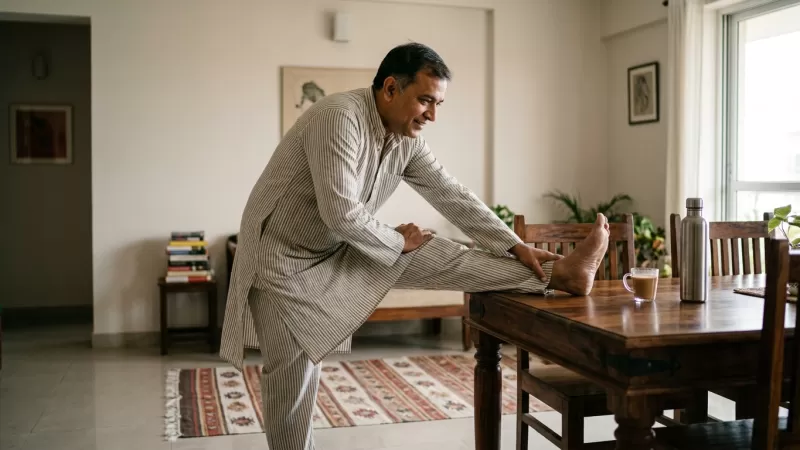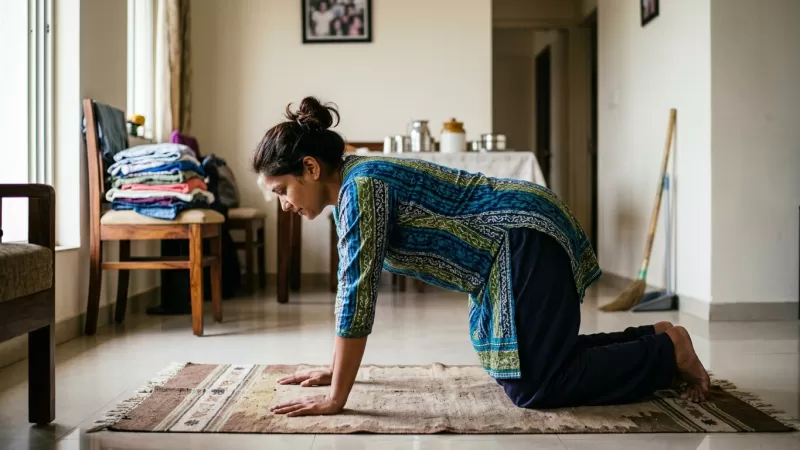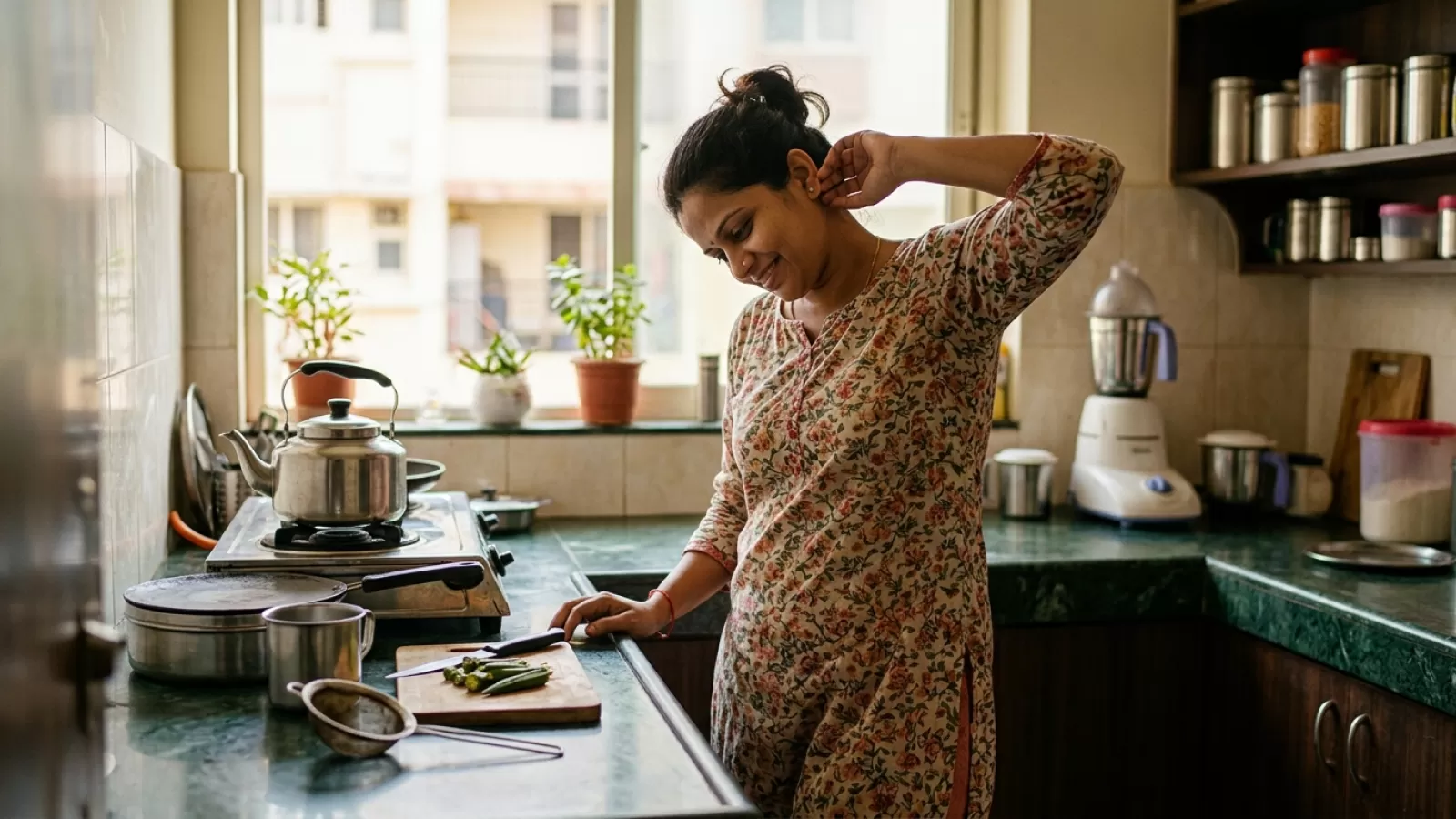
Most people in Indian households move a lot during the day—walking from the kitchen to the bedroom, fetching water, folding laundry, or running after a child. Yet, with so many tasks, our bodies can still feel heavy and stiff. The truth is, many of us move just enough to get things done, but not in ways that truly help our joints, back, or mood. These days, with more gadgets and help around, it’s easy to skip little movements that used to come naturally. But, there’s a gentle way to bring back some of that good movement, without treating it like a strict exercise plan. Just simple, light actions slipped in between chores—nothing too fancy or tiring, but surprisingly helpful if you keep at it.
Why These Little Movements Matter
When you hear about movement being important, it’s easy to think of gyms, yoga mats, or formal walks in the park. But not every body wants or needs a “workout”—and not every day allows for it, especially with the way Indian households run. Yet, our muscles and joints do better if they’re nudged and used gently throughout the day, not just during a morning walk or an evening class.
You’ve probably noticed, after sitting for a while, that standing up feels tight. Or maybe your back aches after a long cooking session, even though you were on your feet. That’s usually because we hold the same positions for too long. Light, in-between movements help break that up, without ever feeling like a chore themselves.
Also, a little movement here and there can boost your mood, clear your head, and give your body a nice rhythm. It’s not about burning calories or toning anything. It’s about staying comfortable as you move through your day.
How to Spot the 'Gaps' Between Chores
Every home has its own routine, but most days follow a familiar rhythm—morning rush, midday lull, evening chores. In these pockets, there are short pauses: waiting for the cooker’s whistle, standing by the microwave, or maybe those two minutes after your child leaves for school. These small gaps often get filled with scrolling on the phone or just standing still, but they’re perfect for a simple stretch or a gentle shake-out.
Some typical moments you might notice:
- Waiting for tea to brew or milk to boil
- Standing in front of the sink between washing utensils
- During ad breaks on TV, especially in the evenings
- After folding a pile of clothes, before putting them away
- Right after coming home, before you sit down
The tricky part is just remembering, in the middle of everything, that these gaps can be used for yourself—not just for getting more chores done.
Gentle Upper Body Moves You Can Do Anywhere
Stiff shoulders and a sore neck are common complaints, especially for anyone who spends time looking down at their phone, chopping vegetables, or managing a computer screen. It helps to have a few simple moves ready, none of which require a mat or any extra time set aside.
Try these whenever you’re waiting for something or need a quick reset:
- Shoulder rolls: Inhale, lift your shoulders up to your ears, then roll them back and down. Repeat 5–6 times, feeling the gentle shift.
- Neck circles: Drop your chin slightly, then slowly circle your head, one direction and then the other. Go slowly—no need to force it.
- Arm stretches: Interlace your fingers and stretch your arms overhead or in front, gently pushing away from your body.
It’s surprising how much lighter your head and shoulders can feel after just a few of these. No need to count or push—just move till you feel a little better.
Legs and Feet: Keeping Them Awake and Happy
Legs often get stiff from standing still or sitting for long stretches—think of those long phone calls at the dining table or quiet post-lunch moments. But even a little movement can help your circulation and prevent that heavy, restless feeling.
You might try:
- Marching in place: Stand tall and gently lift each knee, one at a time, as if marching softly. Even 30 seconds is enough.
- Ankle circles: If you’re seated (maybe on the sofa), lift one foot and gently rotate your ankle, both ways. Then switch sides.
- Calf raises: Hold the back of a chair and slowly rise up onto your toes, then lower down. Repeat a few times, feeling the stretch in your legs.
These don’t need any special clothing or equipment, and you can fit them in while waiting for dal to simmer or as you listen to a family member talk about their day.
Using Household Items for Light Movement
Indian homes are full of everyday objects that can help you move a little more, without drawing attention or feeling silly. The key is to use what’s already at hand.
- Wall support: Stand near a wall and gently push your palms against it, stretching your arms and opening your chest.
- Chair squats: Use a sturdy dining chair to sit and stand a few times, slowly and with control. This is not a workout—just a way to wake up your hips after sitting for a while.
- Bottle lifts: If you’re putting away groceries, use a water bottle as a light weight, lifting it gently over your head or to the side (just a few times, not for exercise, but for a little extra movement).
No need for dumbbells or fancy bands—most families have what they need, right there in the kitchen or living room. It’s all about keeping things natural and light.
Movement with Family: Quietly Encouraging Each Other
It’s often easier to remember to move when you’re not the only one trying. Many families quietly deal with stiffness, especially seniors or those working from home. You might gently suggest a short walk together after dinner, or stretch your arms while chatting in the evening. Children often like to join in if they see adults moving—turning light movement into a small, shared ritual.
Some gentle ways to include others:
- Play light music and sway as you finish chores
- Invite a parent or spouse to join in a few shoulder rolls
- Use laughter as a cue—stand up and shake out your hands after a funny story
It’s not about setting a family rule, but about keeping each other company, especially during those slow, in-between moments that can otherwise feel dull or sleepy.
Making Light Movement a Habit, Not a Burden
One of the biggest hurdles is simply remembering to do these little moves, especially when your mind is full of tasks. It helps to link movement with daily cues—a kettle coming to boil, the TV remote being picked up, even a WhatsApp ping. Over time, these small reminders become second nature.
It’s also fine to miss a few chances. There’s no competition here. Some days are busier, or you just feel too tired. That’s normal. The idea is to fit movement in naturally, not to make it another thing you have to tick off a list.
Honestly, once you start, you may find yourself looking forward to these little breaks. They don’t take much effort, and over weeks, your body learns to expect and enjoy them.
When to Pause and Listen to Your Body
While gentle movement is safe for most people, it’s always wise to listen to your body. If you notice pain, dizziness, or unusual discomfort, it’s okay to skip or stop. Sometimes, simply resting is what your body asks for—especially during illness, after a festival, or on days with very high heat.
Some families have older members or those with health conditions; they might need to be extra cautious, or simply choose the lightest moves like finger stretches or easy arm circles. There’s no harm in going slow or doing less, especially if you’re not sure.
Everyone’s body is a little different, and you’re the best judge of what feels right, safe, and useful for you.
Simple Reminders for Everyday Movement
So, as you move through your daily routine—preparing meals, tidying rooms, taking care of family—try to notice those little pauses. They’re a quiet opportunity to help your body stay loose, light, and more comfortable by the evening.
Just a few ideas to keep in mind:
- Start light—never force or rush.
- Link movement with ordinary activities.
- Invite family, but don’t wait for them.
- Skip or rest if you feel off or tired.
- Enjoy the small lift in mood and comfort.
After all, it’s these small, caring habits—not grand gestures—that often make the most difference in the long run. And if you forget sometimes? That’s perfectly alright.