In many Indian homes, the idea of starting a fitness routine brings up a lot of questions. Where do you even begin if you don’t have fancy equipment? Is it really possible to improve your strength, balance, and joint health just by moving your own body at home? Honestly, most people already know some of the answers deep down. You don’t need a gym membership or a pile of weights to start taking care of your body. Sometimes, all it takes is a little space in your living room, a few minutes carved out of your busy day, and some willingness to try.
Why Skipping Movement Isn’t a Good Idea
It’s easy to push aside exercise, especially when you don’t have equipment or space at home. After all, Indian homes—especially in cities—tend to be full, and the idea of jumping around or doing stretches in the middle of the drawing room might feel awkward. But here’s the catch: not moving at all is actually much harder on your joints and muscles over time.
Most people quietly deal with stiff knees, sore backs, or those little cracks and pops when they stand up. Often, this is less about age and more about not using those muscles and joints often enough. Indian routines—sitting cross-legged, squatting, or even doing daily chores—do help, but these movements alone aren’t always enough these days, especially with more of us sitting for work or spending time on screens.
You don’t have to run marathons or do complicated yoga postures right away. Gentle, simple bodyweight movements can be enough to keep your joints happy and your body balanced.
Making Space: Setting Up for Home Movement
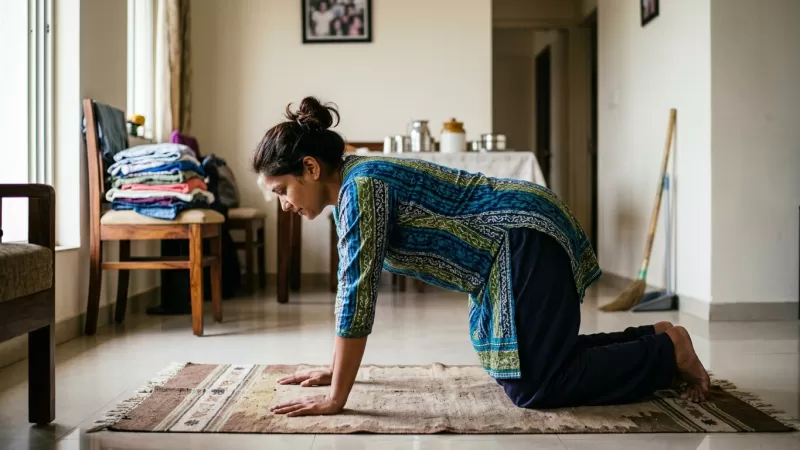
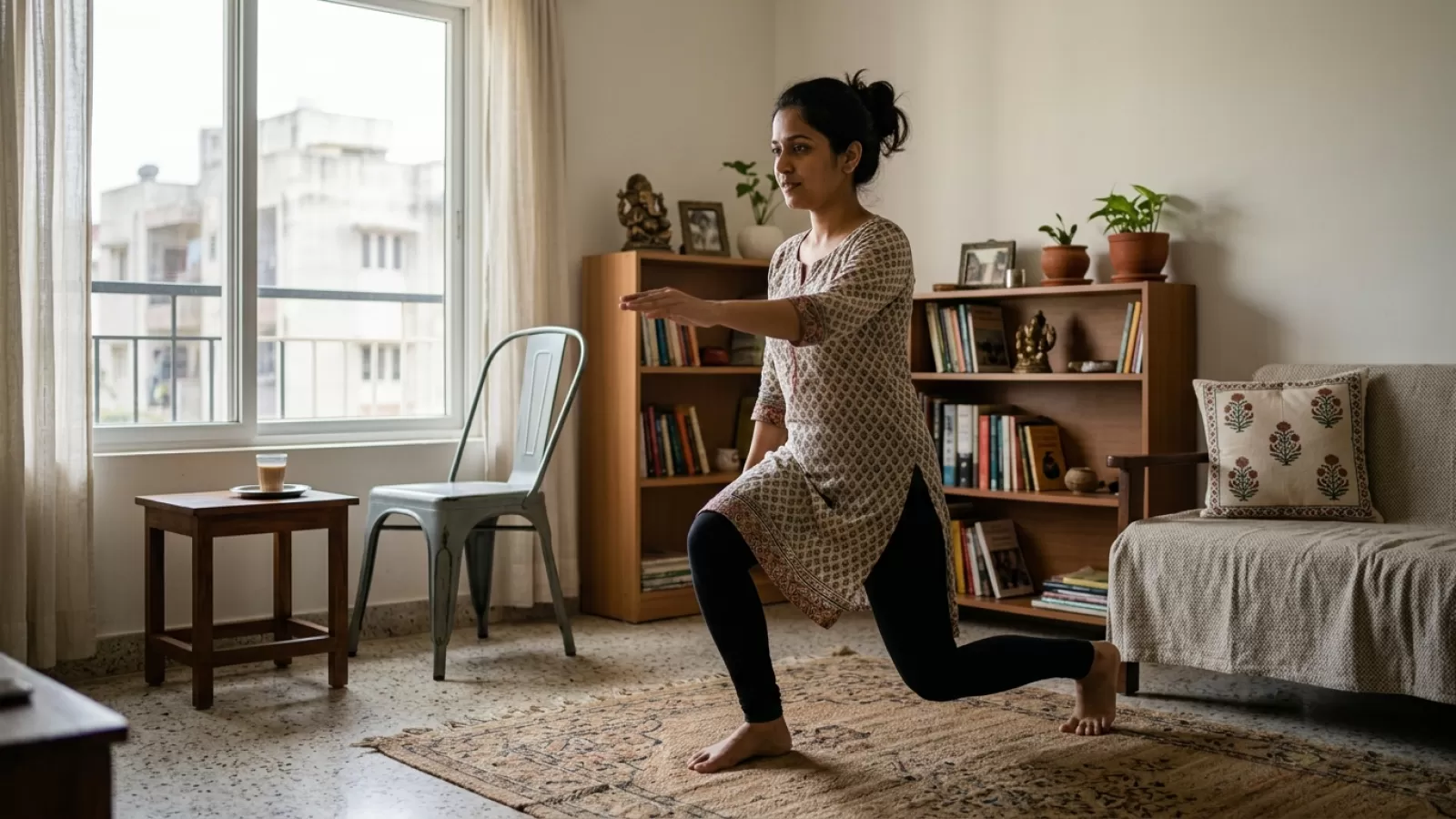
You don’t need a separate room or a fancy mat to start moving. In most homes, a small patch of clear space—about the size of a yoga mat—is enough. It could be at the end of your bed, on the balcony, or even in a quiet corner of the hall.
A few tips can help make things easier:
- Try to pick a spot where you won’t be interrupted for a few minutes. Early mornings or late evenings usually work best in busy homes.
- Wear comfortable, loose clothes. Old cotton t-shirts and pajama pants work quite well.
- Keep a bottle of water nearby. Even gentle movement can make you thirsty.
Don’t worry about perfection. If you have to pause to answer the bell or help a child, just come back and continue where you left off.
The Basics: What Are Bodyweight Moves?
When people hear ‘bodyweight exercise’, they sometimes imagine military push-ups or acrobatics. But at its heart, bodyweight movement is just about using your own body—no machines, no weights—to gently challenge your muscles.
Think of movements like squatting down, standing up, reaching overhead, or even balancing on one foot. These are things you already do in daily life, just with a little more intention. The idea isn’t to compete or push yourself too hard, but to slowly build strength and awareness.
In fact, many bodyweight moves feel a lot like the stretches and postures you might see in traditional Indian exercises or warm-ups before sports in school. There’s a reason they’ve lasted so long—they work for most bodies, most of the time.
5 Gentle Bodyweight Moves to Try at Home
Here are a few simple movements that tend to suit beginners. They don’t need much space or equipment, but they can wake up many muscles at once and help your balance, too.
- Chair Squats: Stand in front of a sturdy chair, feet hip-width apart. Lower yourself as if you’re going to sit, lightly touch the chair, then stand back up. This helps your thighs, hips, and knees get used to movement without too much strain.
- Wall Push-Ups: Stand facing a wall, arm’s length away. Place your palms on the wall at shoulder height. Bend your elbows to bring your chest closer, then push back. Much easier than floor push-ups and better for your wrists.
- Heel Raises: Hold the back of a chair for support. Rise up on your toes, pause, then lower your heels. This wakes up your calves and helps with balance—something that quietly slips away if ignored.
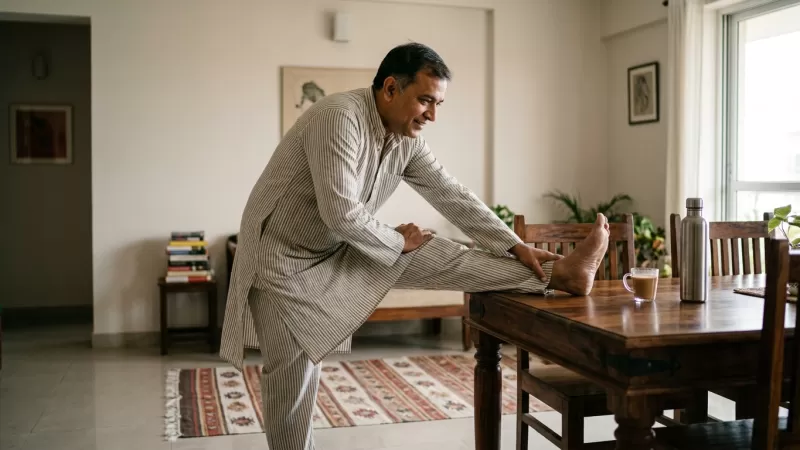
- Knee Lifts: Holding onto a table for balance, slowly lift one knee towards your chest, then lower it and switch sides. Feels simple, but it gently engages your core and hips.
- Standing Side Leg Lifts: Again, using a chair for balance if needed, lift one leg out to the side, keep your body upright, then bring it back. This move strengthens the sides of your hips and helps with walking stability.
If you’re feeling unsure, try each move just a few times at first. Even two or three repetitions can be a good start, especially if it’s been a while since you last exercised.
Building Balance: Why It Matters More Than You Think
Balance is something most of us take for granted—until we suddenly notice it’s not quite there. You’ve probably seen elders in your family hesitate before stepping on a wet floor, or struggle a bit to get up from the floor after puja or family gatherings.
The tricky part is, balance quietly declines with too much sitting and not enough varied movement. The good news? Even simple bodyweight moves can help your brain and muscles relearn how to steady themselves.
A few more ideas to gently challenge your balance at home:
- Try standing on one foot while brushing your teeth or waiting for the cooker whistle.
- Walk in a straight line, heel-to-toe, across the room—like you did in school PT class.
- Practice sitting down and standing up from the floor slowly, using your hands for support if needed.
These small things add up. Over time, your confidence in moving around the house, climbing stairs, or carrying groceries can quietly improve.
How Much and How Often? Finding a Realistic Rhythm
There’s a lot of talk these days about how many minutes or sets you should do. But for most busy Indian families, strict schedules are tough. You might have early mornings, unpredictable work calls, or sudden household chores that take priority.
Instead of aiming for a perfect routine, it often works better to fit in small bouts of movement whenever you can. Even 5–10 minutes, two or three times a day, adds up.
Here’s a gentle suggestion:
- Pick 2–3 bodyweight moves you’re comfortable with.
- Do them in a circuit—one after another, resting as needed.
- Try a few repetitions of each, pausing if you feel tired or wobbly.
Some days, you’ll have more energy. Other days, just standing up and stretching may be enough. That’s perfectly normal.
Common Hurdles: What If You Feel Sore or Uncertain?
It’s quite normal to feel a little soreness or stiffness when you first start moving more, especially if you’ve been sitting a lot or haven’t done these movements in years. Many families quietly deal with this, thinking it’s just a part of getting older.
The important thing is to listen to your body. If something hurts sharply or you feel dizzy, stop and rest. Gentle muscle soreness (like after a long walk or a day of cleaning) usually settles in a day or two. Using a warm towel or taking a short walk can help.
Sometimes, you might feel self-conscious—especially if others are around. But these days, most people understand the need for daily movement, even in a busy home. If you’re ever unsure about a movement, it’s fine to skip it or do a simpler version. There’s no competition here.
Staying Motivated Without Pressure
In many homes, motivation comes in waves. Some days, you’re eager to move; other days, you’d rather just rest. That’s natural. The real key is to keep returning to your routine, even if you miss a few days.
A few gentle tips that seem to help:
- Pair your movements with something you already do—like stretching while watching TV or after your morning chai.
- Do it with family, if possible. Even young children or elders can join in with safe, simple moves.
- Mark a small calendar or notepad with a tick each day you do your routine. Seeing your progress, even in small ways, can be encouraging.
And remember, every little bit counts. Even a few minutes of movement, spread out over the day, can help you feel steadier and more comfortable in your own body.
Bringing It All Together
Starting with gentle bodyweight movements at home doesn’t require major changes or expensive equipment. More than anything, it’s about giving yourself permission to start—wherever you are, with whatever you have.
Over time, these simple moves can help keep your joints moving, your muscles awake, and your confidence up. You might not notice dramatic changes right away, but you’ll often feel a quiet sense of well-being, especially during busy days or long evenings at home.
No rush. No pressure. Just steady, kind attention to your own movement and balance—right where you are.