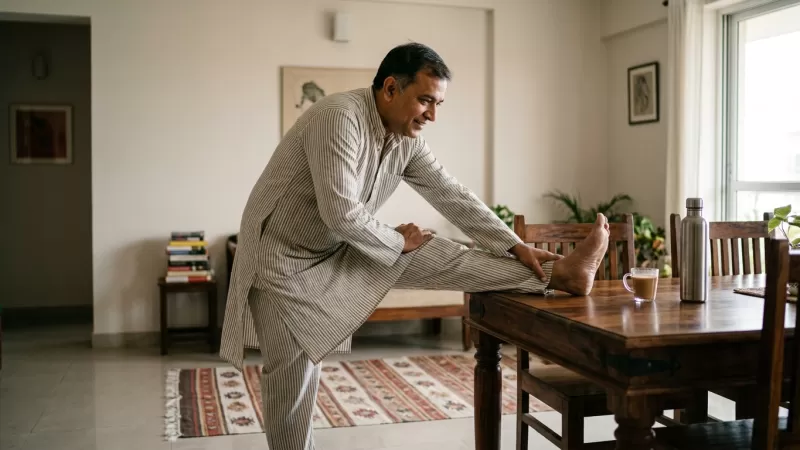
Beginning to exercise when you’ve never really done it before can feel a bit daunting, especially at home. Many people, especially in Indian families, aren’t used to the idea of structured workouts—life itself keeps us moving with housework, market runs, and just managing the day. Still, gentle movements and small routines can make a difference, even for those of us who have never owned a pair of sports shoes. You don’t need fancy gym equipment or special clothes. You just need a little time, a bit of space (the living room floor, or even your bedroom), and a willingness to start gently, at your own pace.
Why Gentle, Low-Impact Movements Matter
There’s something quietly reassuring about starting with very gentle movements. For many people who’ve never exercised, even the word “workout” can sound intimidating, almost like something only athletes or young people do. But truthfully, movement is for everyone. Gentle, low-impact exercises tend to be easy on the joints and muscles. They help you build strength without leaving you sore or breathless.
Especially if you’re dealing with long work-from-home days, have a bit of joint stiffness, or just haven’t moved much in years, starting slow is often the safest and most sustainable way. Many Indian homes have someone—maybe a parent or elder—who hesitates to try new movements because of fear or past injuries. That’s understandable. The good news is, gentle exercises rarely need any equipment and you can pause anytime.
Here’s the thing: even a little bit of daily movement can slowly improve your strength and confidence. Plus, you’ll likely feel a bit more energetic over time.
Setting Up: Finding Your Space and Time
Before you try a new movement, it helps to pick a spot where you feel comfortable. It doesn’t have to be a separate room—just a small open area where you won’t bump into furniture. Mornings work for some, while others may prefer a few minutes after their evening tea. There’s no perfect time. It’s about what fits your routine.
If you live in a joint family, you might have to wait for a quieter moment, maybe when others are napping or watching TV. For those with children or busy mornings, even five minutes before your shower or after the kids’ bedtime counts. You don’t need to block off an hour; a few minutes now and then is a good way to start.
It can help to keep a small mat or even a folded bedsheet handy for comfort, especially on cold marble or tile floors.
Starting With the Breath: Gentle Breathing and Warm-Up
Before any movement, it’s helpful to spend a minute or two just focusing on your breath. This sounds simple, but it gets your body and mind ready. Sit or stand comfortably, shoulders relaxed, and just take slow, deep breaths. Inhale through your nose, pause, and exhale gently through your mouth.
Warming up is important, even for gentle exercises. Here are a few easy warm-up movements many people use:
- Neck Rolls: Slowly roll your head in circles, both directions. This eases tension.
- Shoulder Shrugs: Lift your shoulders up towards your ears, then let them drop. Repeat a few times.
- Wrist and Ankle Circles: Rotate each wrist and ankle gently, one at a time.
You’ll notice that even these small movements can make stiff joints feel lighter, especially first thing in the morning or after sitting for long periods.
Chair-Assisted Movements: Supportive and Simple
If you feel unsure about your balance or just want more support, a sturdy dining chair can be your best friend. In fact, many seniors and beginners prefer starting here. Here are a few gentle, chair-assisted movements you can try:
- Seated Marching: Sit tall and lift one knee, then the other, as if marching in place. Go slowly, and use your arms to balance if needed.
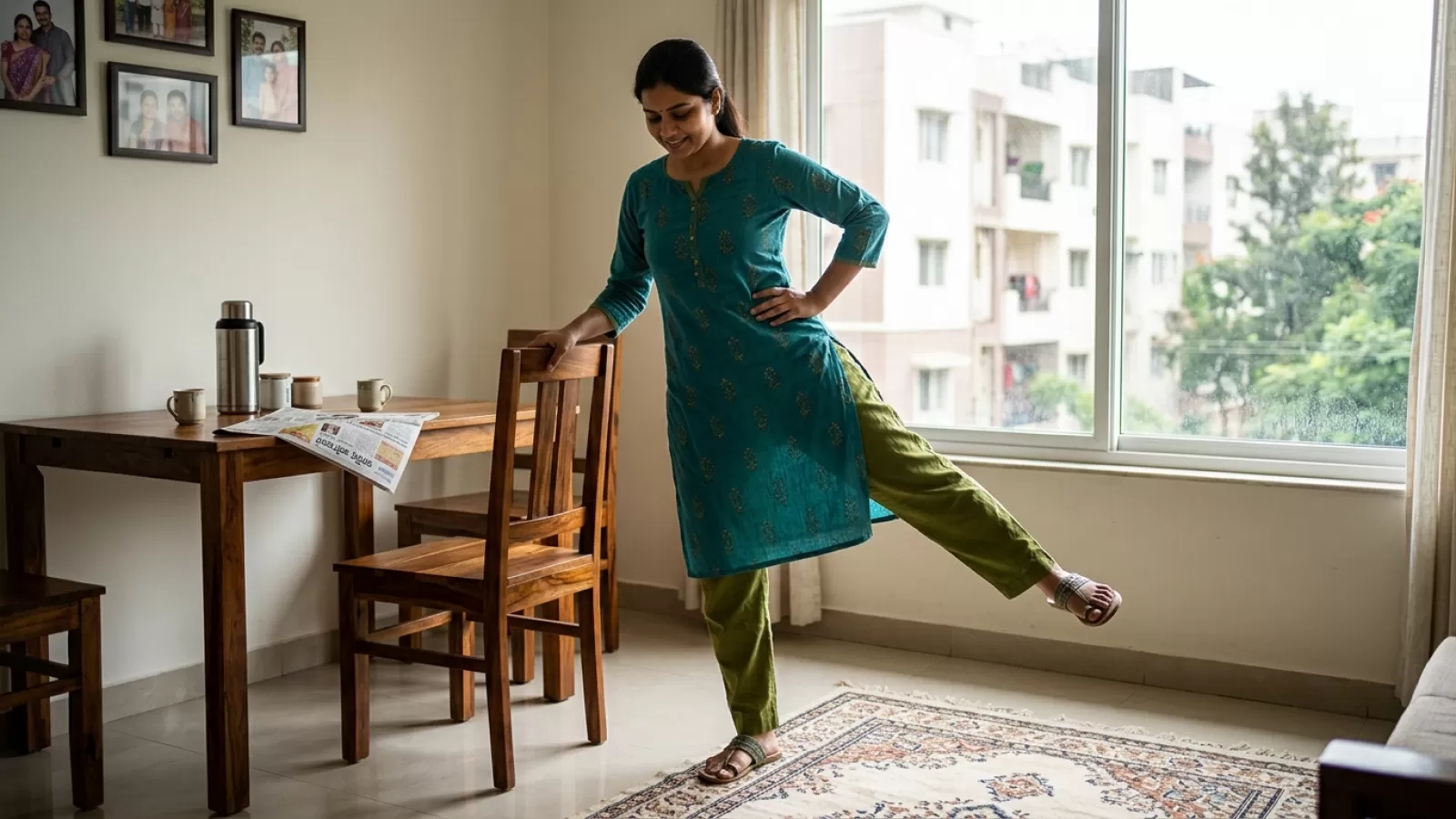
- Side Leg Lifts: Hold the chair back for support. Stand beside it and gently lift one leg out to the side, then lower. Switch legs after a few repetitions.
- Toe and Heel Raises: Stand behind the chair, hold the backrest, and rise onto your toes, then lower down and lift your toes (heels stay down). This helps your calves and ankles.
These movements don’t need much space, and you can stop anytime if you feel tired. They’re especially handy during the monsoon, when going out for a walk isn’t practical.
Gentle Floor Movements: Building Strength Gradually
When you’re comfortable, you can try some easy floor exercises. Again, a mat or thick bedsheet helps. These movements use your own body weight, which is usually enough for beginners.
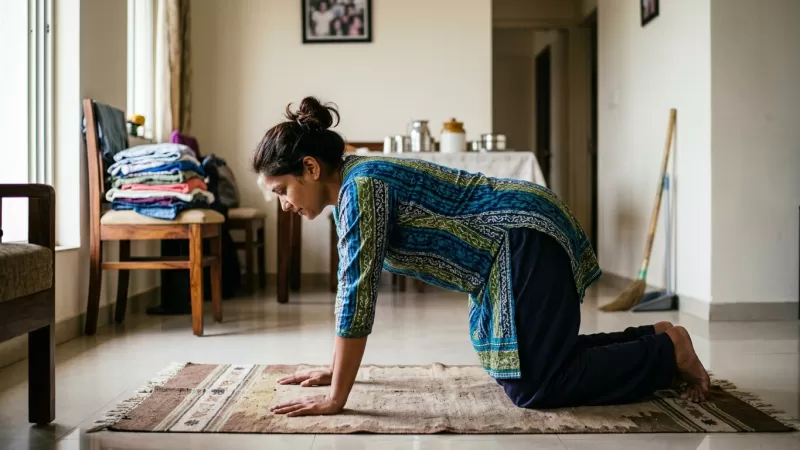
- Cat-Cow Stretch: On all fours, arch your back up (like a cat), then gently drop your belly and lift your head (like a cow). This helps flexibility in your back.
- Wall Push-Ups: Stand an arm’s length from a wall, place your palms against it, and gently bend your elbows to bring your chest toward the wall, then push back. Much easier than floor push-ups, but still effective.
- Pelvic Tilts: Lying on your back with knees bent, gently press your lower back into the floor, then release. This strengthens the lower back and core.
Don’t worry if your movements aren’t perfect. The important thing is to move gently and listen to your body. Some days are stiffer than others, and that’s normal.
Everyday Movements That Count
Sometimes, structured exercise feels artificial, especially for those who’ve always been active through chores and daily life. The truth is, many activities you already do count as movement. For example, sweeping and mopping (jhaadu-pocha) require bending and reaching, which gently work your legs and back.
Climbing stairs instead of taking the lift, carrying grocery bags (not too heavy, of course), or just walking around your home for a few minutes after meals all add up. You’ve probably noticed that elders in many families stay surprisingly fit just by doing these things regularly.
It’s perfectly fine to count these as part of your daily movement, especially on busy days when there’s no time for anything extra.
Listening to Your Body and Going Slow
This is where it gets tricky for many beginners. You might feel enthusiastic on the first day and want to do more, but it’s better to go slow. Your muscles and joints need time to get used to new movements. Some mild soreness is normal, but pain isn’t. If you feel dizzy or uncomfortable, it’s always wise to pause.
It’s easy to get discouraged if you feel tired or if the movements seem harder than expected. Many families quietly deal with this—starting and stopping, unsure if it’s even worth it. But honestly, doing a little, even a few minutes, is still progress.
Rest is just as important as movement. There’s no need to push through discomfort. Small, regular steps work better than sudden, intense efforts.
Making Movement a Gentle Part of Your Routine
Building any new habit takes time, especially when you’re adjusting your daily routine. The best way is to attach gentle movement to something you already do. For example, you could try a few neck rolls after your morning chai, or some seated marching before you watch your favourite TV serial in the evening.
Some people find it helpful to write down what they did, even if it’s just a tick mark on the calendar. Others prefer to have a family member join them for company. Kids sometimes enjoy joining in, too.
Remember, there’s no rush. Even two or three movements a day make a difference over weeks and months. The main thing is to keep it light, relaxed, and part of your life, not a separate burden.
When to Pause and Seek Help
Most gentle movements are safe for almost everyone, but sometimes you might feel unsure. If you have any health conditions or past injuries, or if you feel sharp pain, it’s always best to talk to a trusted doctor before starting anything new. That said, for most people, these slow, easy movements are a safe way to begin.
If you feel short of breath, dizzy, or unusually tired, it’s wise to rest and check how you’re feeling. And if you’re caring for an elder or someone with mobility issues, always keep safety first—there’s no harm in skipping any movement that feels too difficult.
The main aim is to feel a little stronger and a little more comfortable in your own body, at your own pace. No pressure, no comparisons.