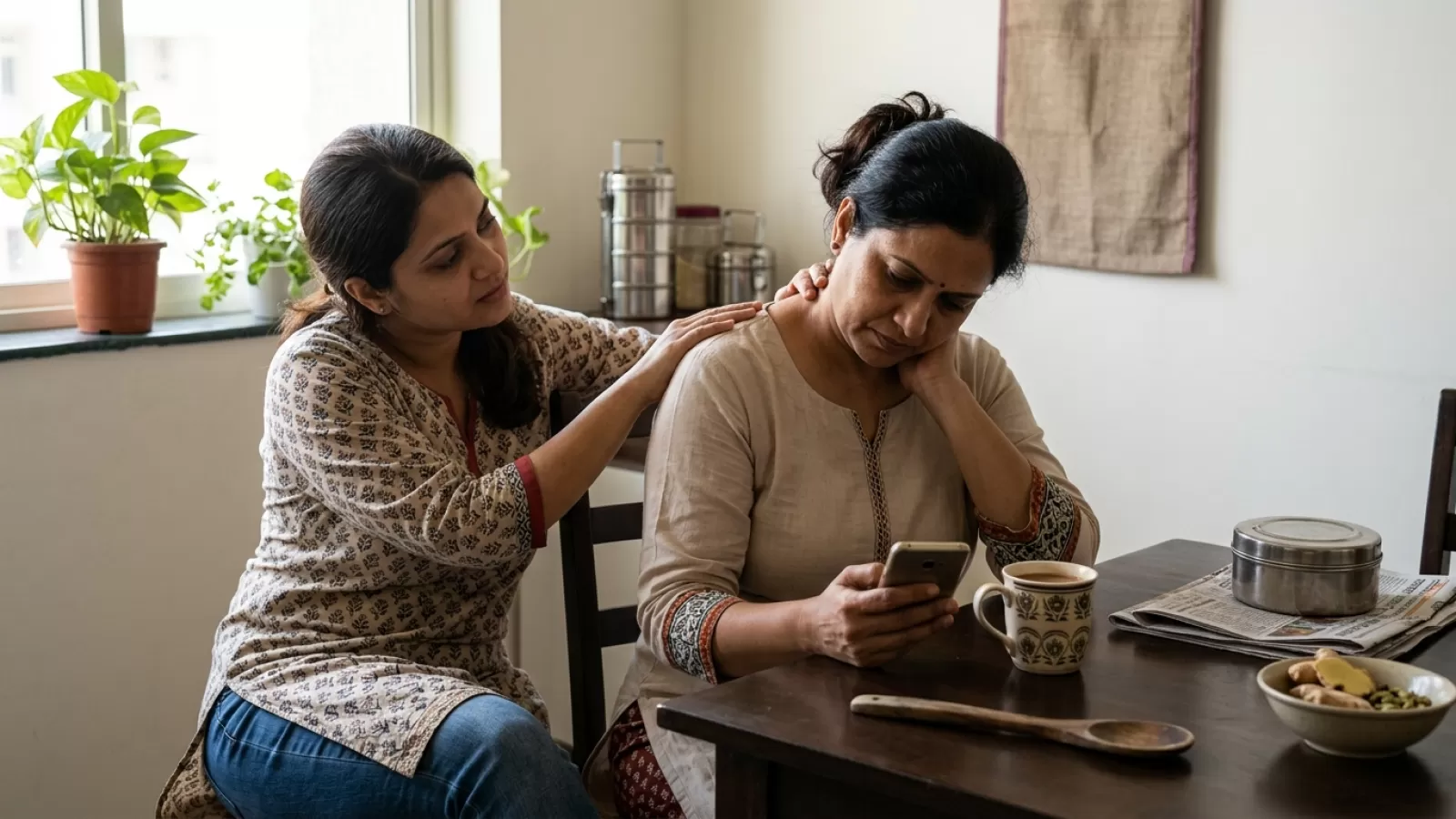
It’s almost become a regular sight in many Indian households: someone hunched over a mobile screen, neck bent forward, eyes glued to notifications. Whether you’re replying to family groups, checking work emails late at night, or scrolling through news before breakfast, your neck quietly takes on a lot more than you realize. Over time, this leads to that nagging discomfort—sometimes a dull ache, sometimes a sharp twinge right at the base of your head or shoulders.
Why Neck Pain Happens With Screen Time
Our necks aren’t built for hours of looking down. In many homes, especially these days with work-from-home and online school, people end up spending long periods hunched over devices. The neck muscles, small but important, are forced to support the head in an awkward position, which can make them stiff and sore. You might notice this after a marathon WhatsApp session, or when you’re watching reels for just a bit too long.
The tricky part is, you often don’t notice the strain building up until it’s already there. By then, it can be hard to turn your head easily, or you might feel tired even after a good sleep. Many families quietly deal with this, chalking it up to getting older or just ‘part of modern life’.
But a little awareness helps. Simple, gentle habits at home can make a real difference—no fancy equipment or gym routines needed.
Bringing Back Balance: What Good Posture Looks Like
Most of us grew up hearing elders say, “Sit straight!”—but posture is more than just stiffly holding your back upright. Good posture feels natural and relaxed, not forced. Your ears should be roughly in line with your shoulders, and your chin shouldn’t jut forward. Your shoulders stay loose, not tensed up by your ears.
In busy Indian homes, you might be cooking, helping kids with homework, or working on your laptop at the dining table. It’s easy for posture to slip, especially on sofas or beds. Over time, this adds up.
There’s no need to obsess about perfect posture all day. Instead, try to notice how you’re sitting or standing, especially during long phone or computer sessions. A small adjustment here and there goes a long way.
Gentle Home Movements to Soothe Stiff Necks
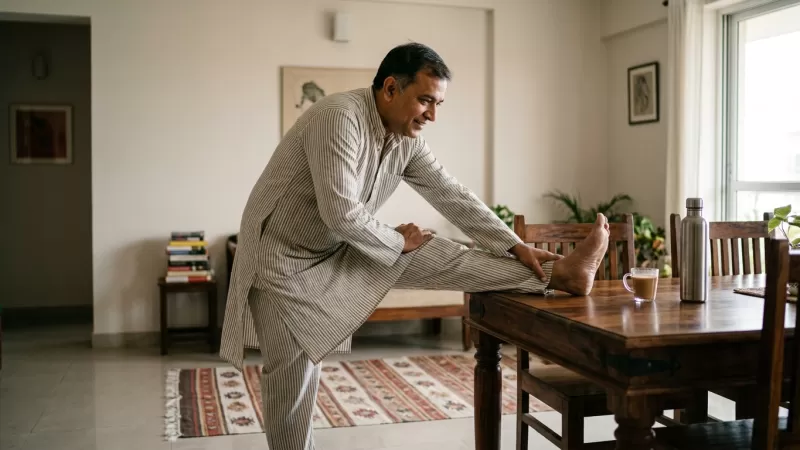
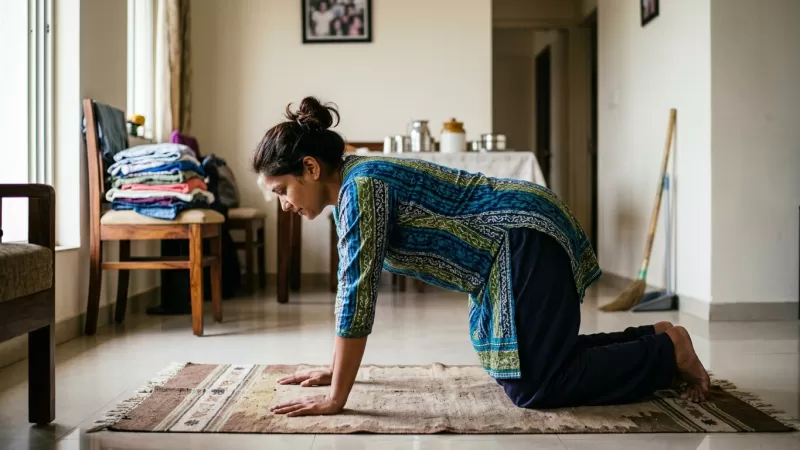
Formal workouts aren’t everyone’s cup of chai, especially after a tiring day or when you’re juggling family chores. But your neck appreciates even small, gentle movements done right at home. No equipment required—just a bit of patience and regularity.
- Neck Rolls: Slowly rotate your head in a circular motion, first clockwise and then anti-clockwise. Keep your shoulders relaxed. Do 2–3 gentle circles each way.
- Shoulder Shrugs: Raise both shoulders up towards your ears, hold for a moment, then release. Repeat 5–6 times to relieve tension.
- Chin Tucks: Sit or stand tall. Gently tuck your chin in, as if making a double chin, and hold for a few seconds. This helps bring your head back in line with your body.
- Side Neck Stretch: Tilt your head towards one shoulder (not forward), hold gently, and breathe. Then switch sides. Don’t yank or force the movement.
Try these whenever you have a few free minutes—maybe while waiting for your chai to boil or during TV ads. The key is gentleness; don’t push into pain.
How Indian Daily Routines Affect Neck Health
Our routines shape our bodies more than we realize. Long phone calls with relatives, supporting a child’s laptop on your lap, or even chopping vegetables with your head bent can all add up. In joint families, sometimes you’re sharing space and working from odd corners of the house. The dining table becomes an office, the sofa a classroom.
It’s common to want to finish work quickly and then relax on the bed with your phone. However, lying on your side or propping your head on your hand for long periods tends to pull at your neck. Even watching TV with your head angled up or sideways for an entire movie makes things worse.
Here’s the catch: you can’t avoid all these situations, but you can change how you hold your body. Small shifts—like sitting with a cushion behind your back, keeping your device at eye level, or taking a few minutes to stretch—break the cycle of stiffness.
Simple Ways to Set Up Your Space for Better Posture
Many Indian homes aren’t designed for endless screen time. Dining chairs may not support your back, and low stools or mattresses make your neck bend forward. Still, with a few easy changes, you can help your posture without fancy furniture.
- Use a small pillow or rolled towel behind your lower back when sitting for long periods.
- Prop up your phone or tablet on a stand or stack of books, so you’re not constantly looking down.
- Take short breaks every 20–30 minutes to stand, stretch, or just change your position.
- If you use a laptop, try to raise the screen to eye level whenever possible.
You don’t need to spend money. Everyday household things—like cushions, boxes, or even a thali—can be pressed into service to make your workspace more comfortable.
It’s worth a little effort. After all, you wouldn’t leave your gas on all day; your body also needs a break from the same posture.
When to Move, and When to Rest
Sometimes, after a long day or a stressful week, your neck just wants to be left alone. That’s perfectly normal. It’s okay to skip stretches if your body feels very tired or if movement causes sharp pain. Rest is also part of recovery.
On most days, though, gentle movement helps more than complete stillness. A warm bath, a soft pillow under your neck, and a few deep breaths can make a surprising difference. Even pausing to roll your shoulders while waiting for the pressure cooker’s whistle is useful.
That said, if your pain is severe, persistent, or comes with other symptoms like numbness or weakness, it’s wise to be cautious and get proper help. Most neck discomfort from screens is mild and improves with regular, gentle care at home.
Neck-Friendly Habits for Busy Indian Families
Maintaining healthy habits in the middle of everyday chaos is challenging. Mornings rush by, evenings fill up with chores, and weekends often slip away with errands and family visits. Still, there are a few simple things you can try to keep your neck in better shape:
- Encourage everyone—kids and elders included—to take phone breaks together, even if just for a few minutes.
- Notice your head position when using your device. If you catch yourself bending forward, gently bring your head back in line with your spine.
- Combine stretching or posture checks with daily routines, like during ad breaks or while waiting for tea to steep.
- Try to avoid long conversations while holding the phone between your ear and shoulder—use speaker mode, or switch sides.
You don’t have to be perfect. Even doing these things sometimes, rather than all the time, makes a difference over weeks and months.
Listening to Your Body and Taking It Easy
It’s easy to ignore small aches, especially when you’re busy caring for others or managing household tasks. But your body quietly sends signals—a little stiffness here, a twinge there—when it needs attention. With neck pain, gentle is always better than forceful.
If you feel tired, it’s fine to rest and try again later. If you’re not sure about a movement, keep it slow and light. You know your body best, and it’s okay to trust that feeling. Over time, these small acts of self-care—stretching, sitting well, taking breaks—add up to less pain and more comfort.
Many families find that just noticing posture and making tiny adjustments helps everyone, from school kids to grandparents. It’s not about strict routines, but about weaving a bit of gentle care into your normal days.
Staying Comfortable Through Changing Seasons
In Indian weather, with its hot summers, damp monsoons, and chilly winters, neck pain can feel worse at certain times. Humidity can make muscles feel heavy, while cold weather tends to stiffen joints. During festivals or holidays, you might also spend more time on screens sharing photos and greetings, or just relaxing indoors.
Simple tricks can help: use a light scarf in winter to keep your neck warm, avoid sitting near direct drafts from coolers or ACs, and stay hydrated in summer. Sometimes, just moving around the house more or adjusting your pillow can make a big difference.
Above all, remember—gentle, regular movement and a little awareness go much further than any strict rule. The goal isn’t perfection, but comfort and ease in your daily life at home.