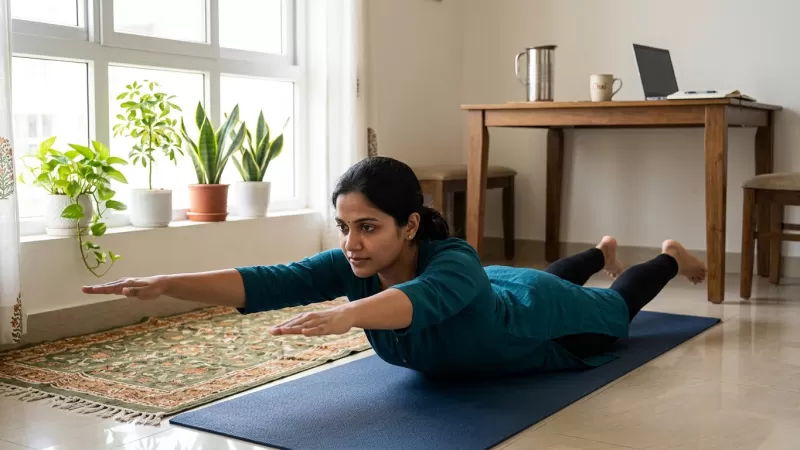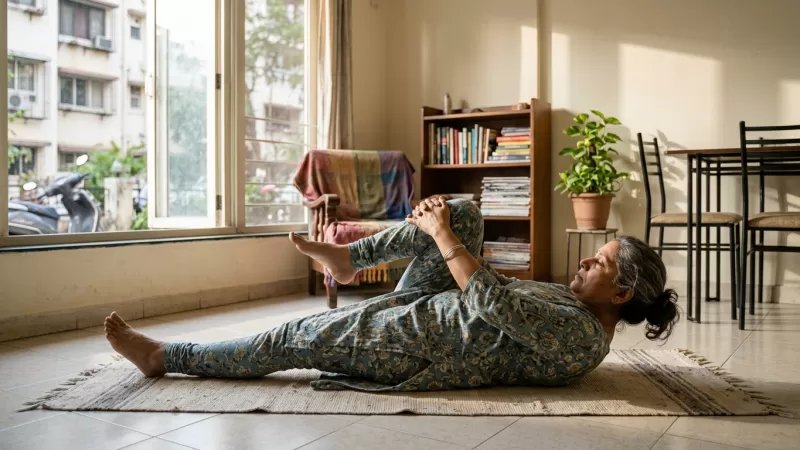
In many Indian homes, tension in the neck and shoulders builds up so gradually that it becomes part of the background. You might only truly notice it when, after a long day, you lie down and feel your shoulders drop with a surprising heaviness you didn’t realise you were carrying. Neck shoulder exercises India tension is something so many adults quietly search for, especially after a day filled with hunching over laptops, stirring dal at the stove, or just surviving a noisy evening with everyone talking at once.
The tricky part is, for most working adults, this tension isn’t just from a single source. It creeps in during commutes in Bengaluru traffic, while leaning over a WFH setup that shares space with the kids’ homework, or even during those quick WhatsApp checks between chores. Many do not realise the chronic tightness in their neck and shoulders until a rare moment of relaxation makes the contrast obvious.
Why Neck and Shoulder Tightness Is So Persistent in Indian Households
The experience of constant neck and shoulder tension is a common thread in Indian homes, especially for adults juggling work, family, and daily household demands. For many, this tightness becomes so familiar that it blends into the background, only felt when something shifts—like a stretch, a yawn, or a fleeting moment of rest.
In joint families, the busyness rarely lets up. The responsibility of cooking, tidying, and managing everyone’s needs often falls on the same set of shoulders—sometimes quite literally. Even in nuclear homes, the pressure to keep up with work calls, school schedules, and meals like poha or khichdi means there’s hardly a minute to check in with your own body. The result? Chronic tension becomes the baseline, and people just get used to living with it.
During humid summers, the discomfort can feel worse. Power cuts, ceiling fans running at full speed, and cramped spaces can make you more aware of the aches, but only for a moment before daily routines take over again.
What Causes Tension to Build Up in the Neck and Shoulders?
Several everyday patterns feed into this chronic tension. Many Indian working professionals spend long hours at desks or dining tables repurposed as workspaces. The posture—shoulders hunched forward, neck jutting towards a screen—becomes automatic. This is often made worse by the habit of checking phones while cooking or cleaning. Even waiting for chai to boil can turn into a moment of head-down scrolling.
Fitness coaches who train working adults often find that most movement in Indian homes comes from daily tasks, not planned exercise. This means that the neck and shoulders are often stuck in the same positions for hours, with little intentional stretching.
There’s also the stress factor. Worries about finances, family health, or school fees have a way of settling physically in the body. People may not notice how, when feeling anxious or rushed, their shoulders inch higher towards their ears—sometimes staying that way throughout the day. Emotional tension and physical posture feed into each other, creating a cycle that’s hard to break without conscious effort.
Everyday Signs That Neck and Shoulder Tension Has Become Your Normal
- Your shoulders feel stiff or heavy by evening, especially after housework or computer use. This is common after a day of stirring sabzi, carrying groceries, or hours on Zoom calls.
- You notice your shoulders are always raised in family photos, even when you thought you were relaxed. Many only realise this when looking back at pictures—shoulders up, neck tense, even during celebrations.
- You find yourself rubbing your neck or rolling your shoulders while watching TV or waiting for the pressure cooker whistle. It becomes an unconscious habit, a small attempt to ease the discomfort.
- The first thing you do when someone mentions posture is drop your shoulders several centimetres. It’s a surprising amount, and you wonder how long you were holding them so high.
- Occasional headaches or a mild feeling of tightness at the base of the skull. Often dismissed as tiredness, but sometimes linked to neck tension that builds up over the week.
Practical Home Exercises for Neck and Shoulder Relief
- Shoulder drop and breath: Whenever you remember, pause and let your shoulders fall away from your ears. Take a slow, deep breath in, then exhale, feeling the muscles let go. This simple move can be done while stirring tea or folding laundry.
- Chin tucks: Sit or stand tall. Gently pull your chin back (like making a double chin) and hold for five seconds. Repeat a few times. This resets neck alignment after looking down at a phone or screen.
- Gentle neck stretches: Tilt your right ear towards your right shoulder, keeping the opposite shoulder relaxed. Hold for 10–15 seconds; repeat on the other side. Do this while waiting for your chapati to puff up on the tawa.
- Shoulder rolls: Roll your shoulders slowly forward and backward. This helps release tension built up from carrying heavy bags or sitting in the same position during long commutes or meetings.
- Wall angels: Stand with your back against a wall, arms bent, and move them up and down like making a snow angel. This opens up the chest and stretches tight shoulder muscles, especially after a day of hunching over screens.
These home exercises for neck tension Indian adults can fit into the gaps of a typical day—between chores, during power cut breaks, or even while chatting with family. The key is to remember to do them regularly, not just when pain strikes.
How Chronic Tension Sneaks Into Daily Indian Routines
On busy mornings, someone might notice their shoulders creeping up while chopping onions or packing lunchboxes. In many homes, adults stand at the kitchen counter, shoulders raised and neck stiff, but it’s so familiar that no one mentions it. After a long commute—whether squeezed into a crowded bus in Chennai or driving through Mumbai traffic—people sit down for chai with that same tightness lingering.
During WFH days, the makeshift office chair is sometimes the dining table bench, sometimes the living room sofa. By evening, it’s common to catch yourself rubbing your neck or shifting position repeatedly. Even watching TV with the family, you might unconsciously tense up during a dramatic serial episode or while listening to news updates.
Many families in Indian cities have quietly discovered that a few minutes of shoulder exercises for stress India, especially in the evening, help take the edge off. But for most, the tension is so constant that these small releases feel like rare luxuries.
Knowing When to Reach Out for Support Beyond Home Exercises
Most neck and shoulder tension from daily stress or posture responds well to simple changes and regular home exercises. That said, if you notice sharp pain, numbness, tingling in your arms, or if the discomfort doesn’t improve with rest and stretches, it might be time to check in with a doctor. Sometimes underlying issues—like nerve problems or something more than just stress—need professional attention.
Especially if your neck pain relief exercises Indian adults home routine isn’t making things better after a few weeks, or if the pain is affecting your sleep or daily activities, a healthcare professional can help rule out anything serious. Don’t ignore what your body is telling you—getting help early is always better.
Common Questions
It’s completely normal to have questions about neck shoulder exercises India tension, especially when so many adults deal with it quietly. Sometimes, even small changes can feel confusing when you’re juggling family, work, and home responsibilities. Here’s what many Indian adults often wonder about easing neck and shoulder stress at home.
What are the most effective daily neck and shoulder exercises for Indian adults who carry chronic tension in that area?
For most Indian adults, neck pain relief exercises at home work best when they’re simple and can be done between other tasks. Chin tucks, shoulder drops with deep breaths, gentle neck tilts, and shoulder rolls are practical because you can do them while cooking, watching TV, or during a tea break. Wall angels are effective too, especially after long hours at a desk. Many families find that making space for just five minutes of these movements—maybe right after dinner or before bed—helps keep chronic tension from building up.
How quickly can consistent daily neck and shoulder exercises reduce the chronic tension most Indian stressed adults accumulate?
In many homes, people notice mild relief within a few days of starting home exercises for neck tension Indian adults, especially if they’re consistent. The real change tends to come after two to three weeks of daily practice—shoulders feel lighter, and it’s easier to notice when tension creeps in. The catch is, old habits and daily stress can bring the tightness back if you stop, so keeping these exercises as part of your routine works best for long-term comfort.
Is there a specific pattern of neck and shoulder tightness in Indian adults that indicates whether the cause is primarily postural or primarily stress-related?
Often, if your tightness is worse after long hours at a screen, or you notice it more after chores like ironing or chopping vegetables, posture is a big factor. If the tension feels worse during family arguments, work deadlines, or when you’re anxious (even if you’re just sitting), stress is likely playing a bigger role. In reality, both tend to mix together in day-to-day Indian life, making it helpful to work on both posture and stress relief together with neck shoulder exercises India tension routines.
What exercises are most immediately effective for releasing acute neck and shoulder tension when it arrives?
The quickest relief comes from shoulder drops (letting your shoulders fall, then breathing deeply), gentle neck tilts (ear to shoulder), and slow shoulder rolls. These can be done standing at the kitchen sink, in the lift, or even during a quick chai break at work. Some adults also find that stretching the arms overhead, then exhaling and letting them drop, gives a sense of release. Doing these movements a few times when you first notice the tension can make a noticeable difference right away.
When does chronic neck and shoulder tension in an Indian adult indicate something beyond stress and desk posture that needs medical attention?
If you feel sharp, shooting pain, numbness, tingling in your arms, or weakness—especially if it doesn’t go away with home exercises for neck tension Indian adults—it’s wise to speak to a doctor. Also, if pain disrupts your sleep, daily activities, or lasts for several weeks without improvement, seek professional advice. In a busy Indian home, it’s easy to ignore these signs, but getting checked early can save you trouble later. Always listen to your body if something feels different or severe.