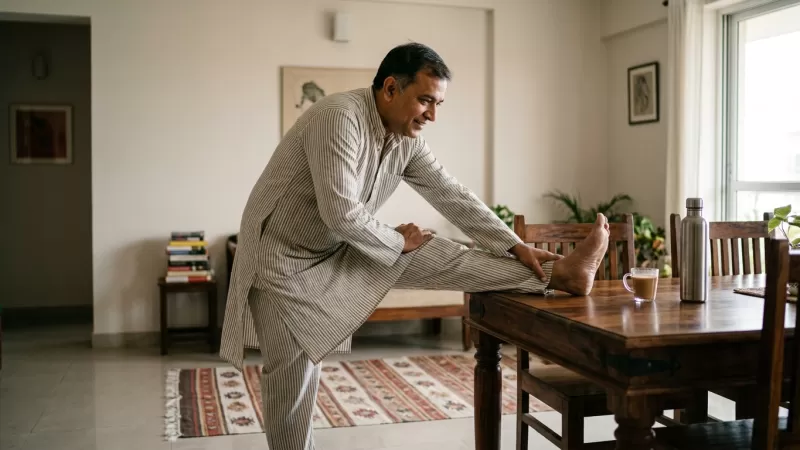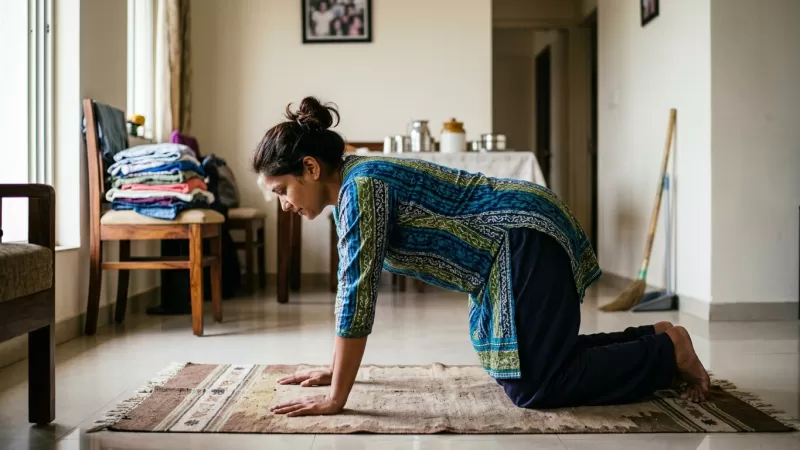
Everyday life in Indian homes is full of little moments where you're standing around—waiting for the cooker to finish, talking to someone at the door, or even just standing by the sink. In between the busy flows of making chai, packing tiffins, or helping children with their homework, these small windows of standing time often pass unnoticed. But with a gentle nudge, they can turn into short bursts of healthy movement, right in the comfort of your home.
Why Bother With Movement While Standing?
You might wonder—what's the point of moving during these short standing spells? Well, in many families, especially when everyone's busy or tired, the idea of a separate workout can feel overwhelming. But these small, everyday moments are surprisingly useful. They’re not a replacement for walking or exercise, but they do help keep stiffness and sluggishness at bay.
Standing in one spot for several minutes can make your legs or lower back ache, especially during cooking or long phone calls. Adding a little movement—just a few seconds here and there—often helps break that heaviness. Plus, it’s a way to quietly sneak in some activity, especially when you don’t have the luxury of a full workout routine.
Let’s be honest, most homes aren’t built with gyms in mind. Movement that fits the space and rhythm of daily life feels more natural than anything fancy or complicated.
Everyday Opportunities: Where the Time Hides
You’ve probably noticed how much time gets spent just standing around at home. Some examples:
- Waiting for milk to boil or the pressure cooker whistle
- Standing in line at the bathroom during busy mornings
- Watching over the kids as they get ready for school
- Chatting with a neighbour at the main door
- Waiting for the lift or auto
- Taking a call in the balcony or near the window
Most of these moments last anywhere from 30 seconds to five minutes. Not enough for a formal routine—but definitely enough for a couple of simple movements. The trick is to notice them.
Simple Standing Movements You Can Try
You don’t need equipment or special clothes. Most of these movements can be done in regular home wear, even a saree or pyjama. Just make sure the floor isn’t slippery.
- Heel Raises: Stand straight, gently rise onto your toes, hold for a few seconds, and lower back down. Good for calf muscles and blood flow.
- Knee Lifts: While standing, lift one knee as if marching, then switch. Slow and steady is enough—no need to go high.
- Shoulder Rolls: Roll your shoulders slowly forward and then backward. It feels nice, especially after chopping or cleaning.
- Ankle Circles: If you’re waiting for a long time, gently lift one foot and rotate the ankle in circles. Then switch sides.
- Gentle Side Bends: Place your hands on your hips and slowly lean to one side, then the other. Don’t force anything.
That’s it. Even doing just one or two when you remember is helpful.
Making It a Habit Without Forcing It
The tricky part is remembering to do these movements without making it another chore. Many families quietly deal with the burden of "one more thing to remember," especially with everything else on your plate.
One gentle way is to pair a movement with a daily trigger—like always rolling your shoulders when you wait for the cooker, or heel raises while brushing your teeth. Over time, it starts to happen without much thought.
Don’t worry if you forget. Missing a day or two is normal. The idea is to make these movements a natural part of your routine, not a strict rule.
What About Older Family Members?
Many seniors in Indian homes spend a lot of time sitting or standing quietly. Gentle standing movements can help with stiffness or balance, but only if it feels safe. If there’s any history of falls or severe joint pain, it’s best to stay cautious.
Some families find it helpful to keep a sturdy chair or the kitchen counter nearby for support. Movements like ankle circles or shoulder rolls are usually safe for most people. Here’s something to remember: small and slow is fine. There’s no need for perfection.
If someone feels unsteady, just standing and shifting weight from one foot to the other is enough. Even that tiny shift can wake up sleepy leg muscles.
Fitting Movement Into Busy Indian Routines
Let’s face it, during busy mornings or before dinner, everyone’s rushing. These short standing exercises work best when they’re woven into what you’re already doing, rather than interrupting the flow.
For example, during summer, when you’re waiting for water to fill up, that’s a chance for a few heel raises. Or, while folding laundry or waiting for your turn at the bathroom, ankle circles or side bends fit right in. The point isn’t to finish a checklist—it’s to keep your body from feeling too stiff.
On festival days or big family gatherings, you might find yourself standing for long stretches. Moving a little during these moments can be a quiet relief, especially when you can't sit down right away.
Movement and the Indian Home Space
Most Indian homes, whether flats or independent houses, have limited open space. There’s usually not much room to stretch out. That said, these standing movements don’t need much space—just enough to move your feet and arms comfortably.
If you’re in the kitchen, you can use the counter for support. In the living room, make sure to clear any loose mats or slippers to avoid slipping. When in doubt, stick to the simplest movements, like shoulder rolls or gentle knee lifts.
It’s also good to check the floor for water spills, especially near the sink, to prevent slipping. Just a bit of caution goes a long way.
Listening to Your Body and Avoiding Strain
Here’s the catch—sometimes, even these simple movements can feel like too much, especially if you’re tired or dealing with aches. That’s normal. It’s perfectly fine to skip or adjust anything that doesn’t feel comfortable.
If you notice pain (not just mild discomfort or stretch), stop and rest. Movements should feel gentle, never forced. Many people find that starting small—maybe just one movement a day—feels more manageable. Over time, your body usually lets you know what feels right.
No need to push. Even just standing and taking a few deep breaths counts as a good use of that waiting time.
Building a Movement-Friendly Mindset at Home
Encouraging these little movements can become part of the family culture. Children tend to copy what they see, and even busy adults might join in if someone else starts. Sometimes, making it a lighthearted thing—like a small challenge, or simply reminding each other—keeps it going.
Many families find that sharing these small habits is easier than trying to convince everyone to do a big workout. It’s not about being perfect or strict, just about making movement a little more normal, even during short, everyday moments.
Most importantly, be kind to yourself. Some days, standing quietly is all you can manage. That’s enough too.