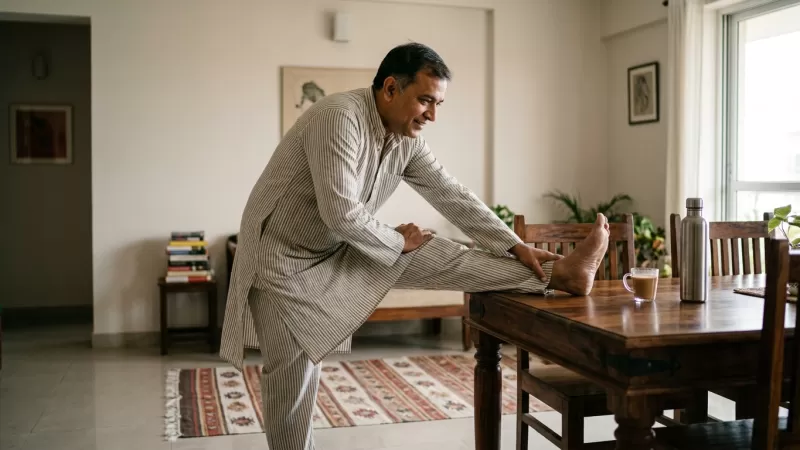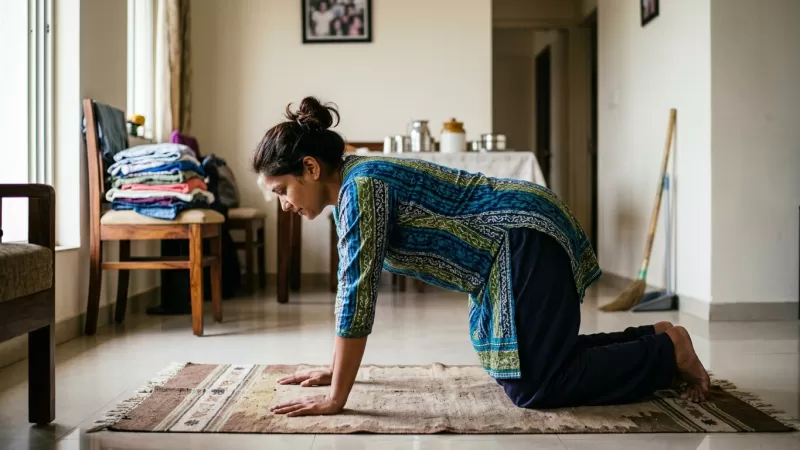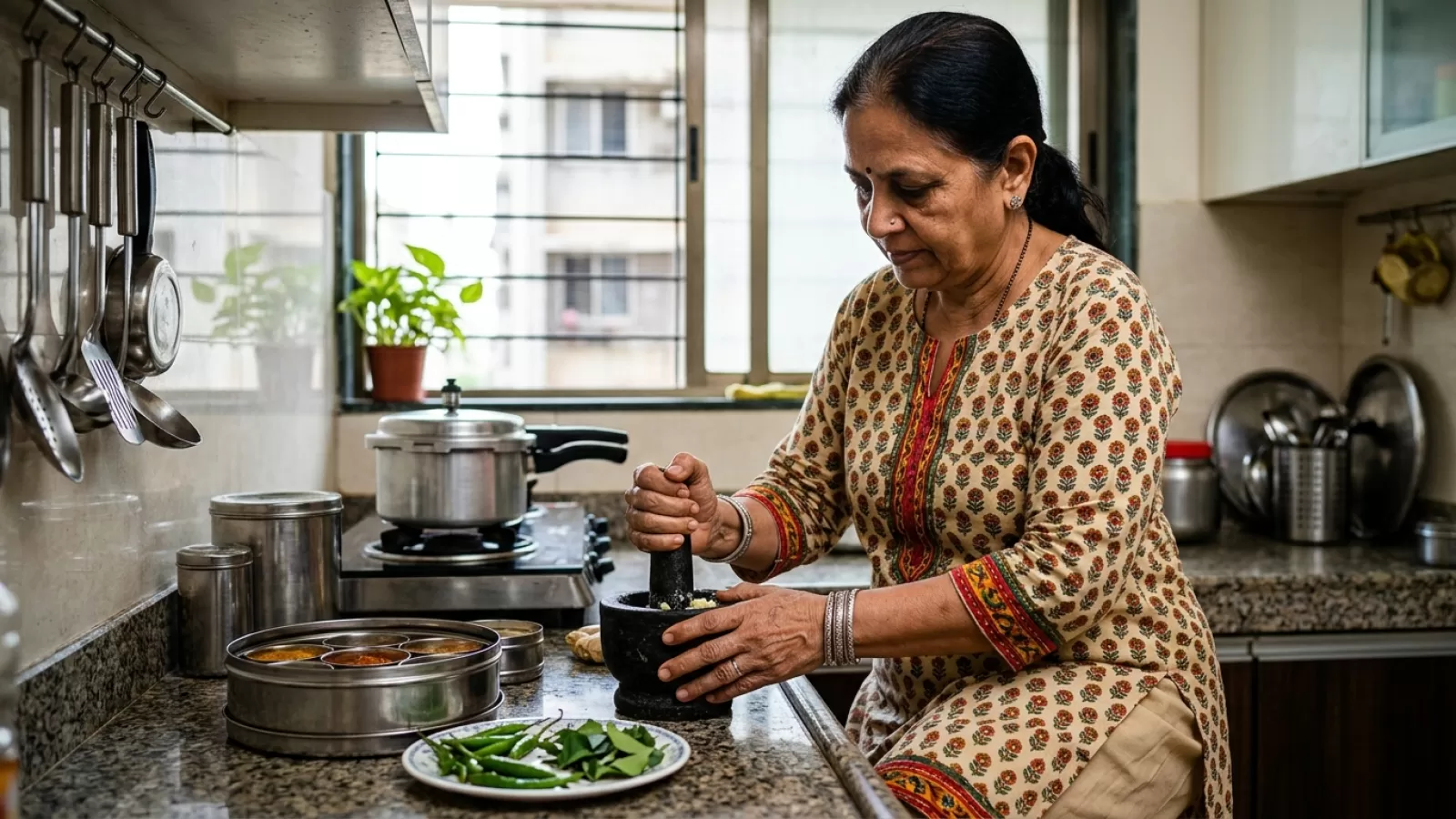
Some days, it just happens—you wake up, move a little, then sit at your desk or on the sofa, and before you know it, the whole day has gone by without much real movement. In many Indian homes, especially during long summers or busy work-from-home routines, it's easy to become mostly inactive. Stiff knees, a heavy feeling in the shoulders, or even small aches in the back often become part of the background. Most people quietly deal with it, maybe thinking, “I’ll move tomorrow.” But here’s the catch: your body usually feels better with gentle, regular movement, even if it’s not a ‘workout’ in the traditional sense. The good news? You can blend light activity into your routine without needing to block out special time or change clothes. Let’s look at how you can do this, naturally fitting in movement throughout your day, right at home.
Why Inactivity Creeps In—And Why It Matters
These days, life at home can be surprisingly still. Whether it’s working on a laptop, binge-watching shows, or long phone calls with relatives, most of it happens sitting down. Add to that the habit of ordering groceries online or using a maid for household chores—suddenly, there’s not much reason to get up and move.
It’s not about guilt or shame—just a quiet observation: when you’re inactive for long stretches, joints often feel stiffer, and mild aches become more common. For many, this stiffness is most noticeable after sitting for hours, especially as the evening sets in.
The tricky part is, when your body feels heavy or painful, it’s even harder to start moving. That’s why weaving gentle movement into everyday tasks—without treating it as formal ‘exercise’—can make a difference.
Make the Most of Chores (Without Rushing)
Most Indian homes have daily chores, but it’s common to do them as quickly as possible—sometimes even skipping steps with smart gadgets. However, spreading out simple tasks through the day can add natural movement, especially for seniors or those with desk jobs.
- Wipe surfaces: Dusting tables or shelves, even slowly, gets your arms and shoulders moving.
- Hand-wash a few utensils: Instead of loading everything into the dishwasher, wash a small batch by hand—gentle on the wrists and calming for the mind.
- Fold clothes standing up: When you sort laundry on a bed or sofa, try standing and folding—your legs and back will get a quiet stretch.
If you’re feeling stiff, don’t force yourself to finish all chores at once. Doing them in smaller chunks throughout the day gives your body little movement breaks.
Kitchen Moves: Light Activity While Cooking
Most Indian kitchens are busy in the morning and evening, but much of the time is spent standing in one spot. With a few tweaks, this routine can include gentle activity.
- Toe and heel raises: While waiting for the tadka to finish, lift onto your toes, then your heels. It’s a small move, but over time, it helps circulation in your legs.
- Side steps: Instead of standing in one spot, step side to side as you chop or stir. It doesn’t look odd—just a quiet way to keep your lower body awake.
- Reach for ingredients: Place daily-use items a little higher or lower than usual, so you need to stretch or bend gently. Not to strain, just to keep joints moving.
On days when your joints feel extra stiff, even these small movements can feel tough. That’s okay—start with a few, pause if you need, and notice how your body responds.
Screen Time Stretching (Without Feeling Silly)
Let’s be honest—most families spend a fair bit of time on screens, whether it’s TV, mobiles, or laptops. But being glued to the same position can make your neck and back unhappy after a while.
- Simple neck turns: Slowly look left and right, or tilt your head gently side to side. No need to force it.
- Shoulder circles: Roll your shoulders forward and backward during long calls or while watching a show.
- Wrist rotations: If you use your phone a lot, take a minute to gently circle your wrists every so often.
If you feel awkward doing this with others around, try it during ad breaks or when you’re alone. These are hardly noticeable to others but quite kind to your joints.
Blending Movement Into Prayer or Puja
Many Indian homes have some form of daily prayer or puja. It’s usually a quiet, seated moment—sometimes also an opportunity for gentle motion.
- Namaste stretches: Press your palms together at the chest, then slowly raise above your head and return. This movement can ease shoulder tension.
- Seated ankle rolls: While sitting on the floor or chair, gently rotate your ankles one at a time.
- Gentle bowing: When doing pranam or bowing, move slowly and pay attention to your back and knees—don’t force a deep bend if it hurts.
Some families even include short walks around the house after prayer, especially in the evening. It’s not always about the ritual—sometimes it’s just a peaceful way to move together.
Light Movement While Talking or Waiting
Waiting for the cooker’s whistle, chatting with a friend, or standing in a queue at home (yes, it happens during festivals or big family gatherings)—these short pauses can be used for gentle movement.
- Shift your weight: Stand and slowly sway from one foot to the other, or gently rock forward and back.
- March in place: Lift your feet slightly as if marching, but softly, without stomping.
- Finger and toe wiggles: Flex and extend your fingers and toes a few times—helpful for those with mild joint pain or diabetes.
These moves don’t need any special setup. They work best when done mindfully, rather than mechanically.
Using Household Items for Support
Not everyone feels steady on their feet, especially seniors or those with joint issues. It’s perfectly okay to use household furniture for gentle support during light activity.
- Chair assists: Hold the back of a sturdy chair while doing side steps or gentle knee bends.
- Tabletop push-offs: Place your palms flat on a table and slowly push off, straightening your arms—only as far as comfortable.
- Wall slides: Stand against a wall and slowly slide your hands up and down, which can ease shoulder stiffness.
You’ve probably noticed that many elders use furniture around the house to steady themselves. It’s a wise habit, not a sign of weakness.
Listening to Your Body (Especially on Slow Days)
Some days, even gentle movement can feel like a lot. Maybe it’s the weather—a humid monsoon afternoon, or a day after a long journey—or maybe you just feel tired for no clear reason.
On these days, it’s important to move gently and only as much as feels right. You don’t have to follow a strict plan or feel pressured by others’ routines. Remember, a few minutes here and there add up over time.
If you ever feel sharp pain, dizziness, or anything unusual, it’s best to pause and rest. Light activity should feel comfortable and refreshing, not forced.
Most importantly, be patient with yourself. Even on slow days, a little movement is better than none.
Blending Movement Into Family Time
Sometimes, the best way to add light activity is to involve others. Evening walks on the terrace, slow rounds of antakshari while pacing the hall, or helping a grandchild pick up toys from the floor—these are all gentle ways to move together.
During festivals, many families find themselves on their feet more—decorating, arranging flowers, or simply preparing prasad in the kitchen. These moments count as movement, too.
Don’t underestimate the value of these small, shared activities. They aren’t just good for your joints—they can lift the spirit, too.