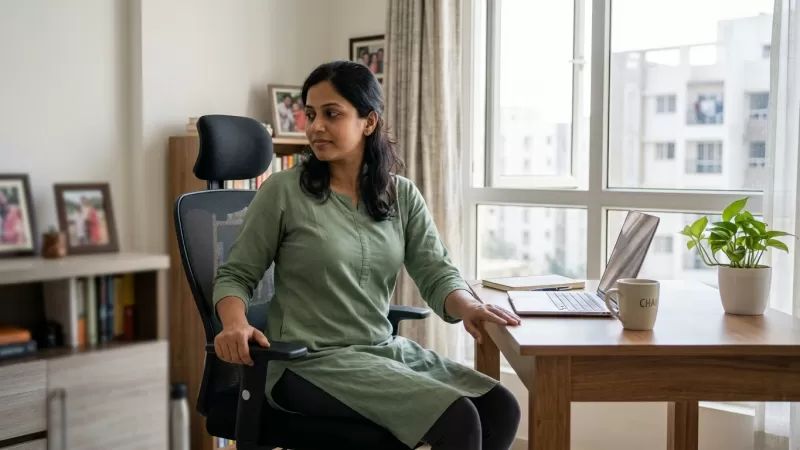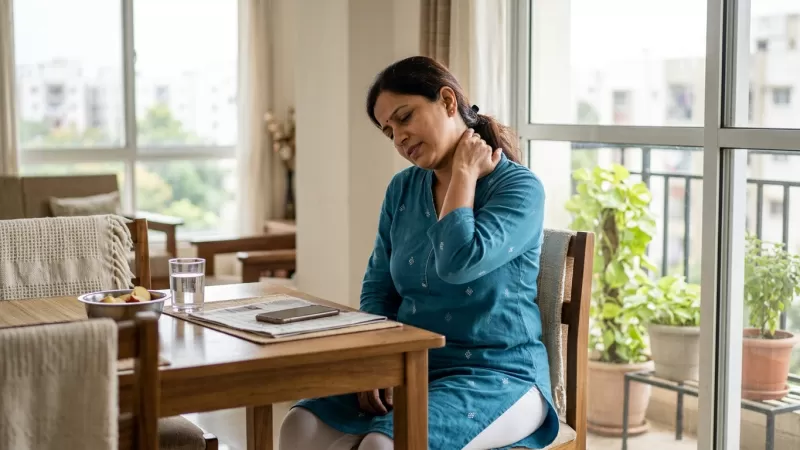
On humid summer mornings, the sound of a pressure cooker is often the first thing you hear in Indian homes. In one corner, someone rubs a sore knee after getting up from bed. The previous year, they walked daily with friends. Now, knee pain has made even a gentle stroll seem out of reach. Low impact home exercises for joint pain in India aren’t just for athletes or fitness buffs—they’re an everyday necessity for many adults who want to keep moving without making things worse.
In the rush of daily chores—wiping floors, making chai, folding laundry—it’s easy to forget that simple, gentle movement can help. The tricky part is, pain often makes you stop moving, and stopping movement can make pain worse. But in many Indian homes, small, low impact routines are quietly helping adults with joint discomfort stay flexible and feel a little better each day.
Joint Pain and Movement: Why This Cycle Happens in Indian Homes
Joint pain or stiffness is an old companion for many adults here. Sometimes knees act up after years of squatting to mop floors or sitting cross-legged for poha and tea. Other times, it’s the result of long commutes, heavy grocery bags, or just age catching up. When pain flares up, you might stop your walks, avoid stairs, or skip bending down for that fallen spoon. This is a common pattern in Indian families—movement slows, and joints get stiffer.
Home movement for Indian adults with joint pain doesn’t always mean a full workout. It’s the little things—waving your arms while waiting for the milk to boil, circling your ankles as you read the paper, or gently moving your wrists as you stir dal. These days, with more people working from home and spending time indoors, those small movements matter even more. They help break the cycle: less movement leads to stiffness, and stiffness leads to more pain, which makes you move even less.
Why Less Movement Makes Joint Pain Worse
The odd thing is, when your joints hurt, your first thought is to rest them completely. But in many Indian families, that rest can stretch on and on—especially if there’s fear of making the pain worse. Over time, muscles around the joint weaken, and the joint itself gets stiffer.
Fitness coaches who train working adults often find that most movement in Indian homes comes from daily tasks, not planned exercise. When pain interrupts these daily routines, the drop in movement can be dramatic. Joint-friendly Indian home workouts are often left behind, making recovery slower. It’s easy to fall into a loop: pain leads to rest, rest leads to more stiffness, which means even more pain, and so on.
In many joint families, seniors notice the difference when they stop even small chores. Washing vegetables or rolling out chapatis may seem minor, but without those movements, joints lose their flexibility. Gentle exercises for joint discomfort in India—like slow arm raises or seated leg movements—can help break this loop. The aim isn’t to push through pain, but to find ways to move that don’t make things worse.
Everyday Signs Your Joints Need More Gentle Movement
- Stiffness in the morning: Many adults in Indian homes find it hard to get up from bed, with knees or hips feeling locked. If it takes a while to "warm up" before you can walk comfortably, that’s a sign.
- Difficulty climbing stairs: Skipping steps, holding onto railings, or avoiding stairs altogether is common when joints are unhappy. When you find yourself dreading a trip to the terrace, it’s usually because of stiffness.
- Reduced range of motion: Not being able to sit cross-legged for pooja, or finding it hard to bend down to pick up a child’s toy—these are subtle clues.
- Giving up daily chores: When you ask someone else to mop or carry heavier pots, or you stop rolling rotis because your wrists ache, it’s often joint pain talking.
- Feeling tired after small bursts of activity: If folding laundry or making the bed makes your joints feel sore or swollen, your body might be missing gentle, regular movement.
Simple Home Movements That Make a Difference
- Ankle circles while sitting: Many seniors find that slowly moving their ankles in circles while watching TV or reading the news makes morning stiffness less overwhelming. Even five minutes helps.
- Seated arm raises: Lifting your arms overhead (as if you’re reaching for the top shelf) while seated is a gentle way to keep shoulder joints flexible. Try 10 slow repetitions during your chai break.
- Wall push-ups: Leaning against a wall and gently pushing away is much easier on joints than floor push-ups. This is a common Indian home workout that’s joint friendly and needs no equipment.
- Towel stretches: Holding a rolled towel and raising it overhead or pulling gently behind the back can help with shoulder and upper back stiffness. Many find this easiest between household tasks.
- Marching in place: On days when walking outside feels risky or painful, standing and gently marching in place (with support, if needed) keeps hips and knees moving without strain.
Start with just a few minutes at a time. The key with low impact home exercises for joint pain in India is consistency, not intensity—gentle, regular effort beats occasional big pushes.
How Gentle Movement Fits Into a Typical Indian Day
In many families, the morning is packed—making breakfast, packing tiffins, getting kids ready, maybe checking on elders. For adults with joint discomfort, it’s easy for movement to drop off completely. But some have quietly found ways to fit in gentle exercises for joint discomfort in India: circling wrists while waiting for chai, stretching arms before folding laundry, or doing ankle pumps after an afternoon nap.
Working professionals in cities like Bengaluru or Pune, stuck at their desks all day, sometimes set reminders to stand up and do a few shoulder rolls or wall push-ups between meetings. Seniors in joint families often do their stretches while waiting for the pressure cooker’s third whistle. These small, low impact home exercises for joint pain in India are woven into the day, not set aside as a big separate workout.
The catch is, you don’t always notice the benefit immediately. But over weeks, stiffness tends to ease, and it becomes easier to get through daily routines—climbing stairs, squatting for pooja, or just walking to the local kirana store.
When Gentle Movement Is Not Enough: Knowing When to Seek Help
Most home movement for Indian adults with joint pain is safe and helpful when it’s gentle and pain-free. But if a joint becomes swollen, bruised, or extremely painful, or if you can’t put weight on it at all, it’s best to pause and check with a doctor. If gentle exercises make the pain worse or you notice redness and heat around the joint, that’s also a sign to get professional advice. In most homes, these are rare, but ignoring them can make things harder later.
If you’re ever unsure, it’s always reasonable to ask your family doctor before starting something new—especially if you’ve had a recent injury, surgery, or a long-standing health condition.
Common Questions
Every family finds its own way to cope with joint pain. Some days are easier than others, and it’s normal to feel frustrated when discomfort interrupts your routines. Here are some questions that come up often in Indian homes—along with practical, everyday answers to help you keep moving safely.
Which home movements are safest and most beneficial for Indian adults experiencing knee or hip joint pain?
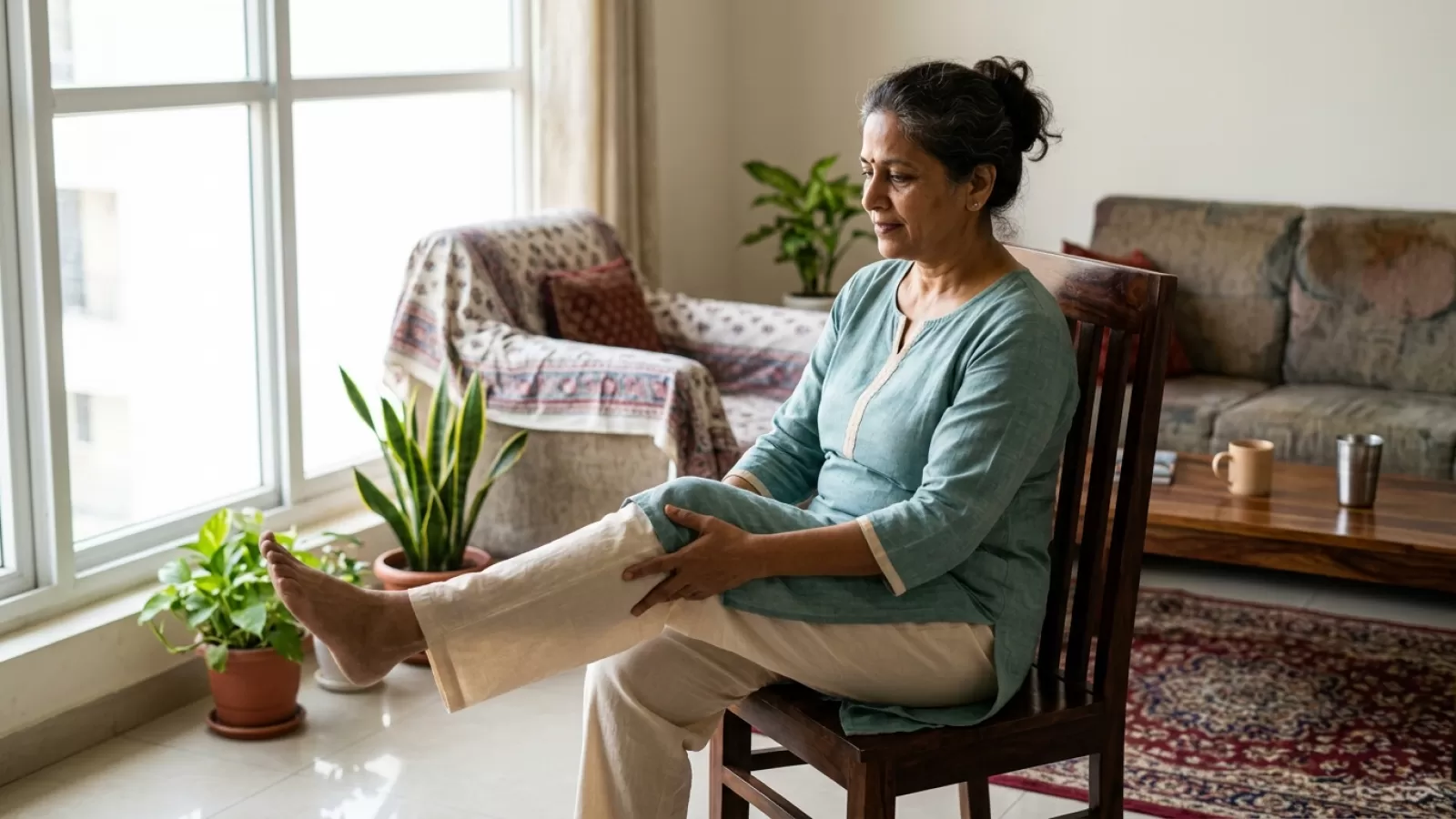
In most Indian homes, seated exercises—like gentle knee extensions, ankle circles, and slow leg lifts—are a good place to start for joint pain. Using a sturdy chair for support, you can do these movements while reading the paper or watching TV. Wall push-ups and gentle arm raises are also joint friendly and can be done in any room. These movements don’t put extra weight on sore knees or hips, making them safer for most adults. If you ever feel sharp pain, it’s best to stop and see if a milder movement works instead.
How do you stay physically active at home when joint pain makes most exercises uncomfortable?
Many families in Indian cities have quietly discovered that spreading out movement through the day works best. Instead of one long session, try short bursts—ankle pumps after meals, wrist rotations while waiting for calls, or gentle stretches when the power goes out. Use daily chores as movement opportunities: folding laundry while standing, watering plants, or even slow sweeping. The goal is to keep joints moving without forcing them. Over time, these small efforts add up and help reduce stiffness.
Is walking really the best low-impact exercise for Indian adults with joint problems?
Walking is often helpful, but it’s not the only option. For those with knee or hip pain, even a short walk to the gate can sometimes feel difficult. In such cases, low impact home exercises for joint pain in India—like seated leg lifts or wall push-ups—can be just as beneficial. Some adults alternate gentle home movement with short walks on flat, even surfaces. The main thing is to move in a way that feels safe and comfortable for your body, rather than pushing to walk if it causes more pain.
What is the difference between joint pain that should stop exercise and joint discomfort that gentle movement actually helps?
Joint discomfort that feels like mild stiffness or a dull ache often gets better with gentle movement. For example, if your knees feel tight in the morning but loosen up after a few ankle circles or slow stretches, that’s usually safe to work through. But if you feel sharp pain, swelling, redness, or can’t bear weight on the joint, it’s time to pause and check with a doctor. Most Indian adults learn to recognise these patterns over time, but if you’re unsure, a family member or local doctor can help you decide.
When does joint pain in an Indian adult indicate that home exercise should be stopped and professional advice sought?
If joint pain is severe, gets worse with gentle movement, or comes with swelling, bruising, or fever, stop home exercises and reach out for medical advice. In some homes, adults ignore these signs, hoping they’ll pass—but it’s safer to check in with a doctor if pain is new, intense, or limits your ability to do daily tasks like walking, using stairs, or holding objects. Most mild discomfort gets better with gentle exercise, but sharp or unusual pain deserves attention.