These days, many of us spend long hours sitting—at work, in the car, or even at home, catching up on TV shows or phone calls. Life moves fast, but our bodies? Not always. On low-activity days, it’s easy to feel a bit stiff or less energetic. Over time, regular inactivity can quietly chip away at our strength, especially around the joints. You may have noticed it yourself—simple tasks like getting up from the floor, lifting a bucket, or climbing stairs start to feel a little harder.
Why Gentle Strength Matters—Even on Slow Days
It’s a common belief that building strength means heavy weights, gym memberships, or intense routines. But for most Indian households, especially on slower days or as we get older, that’s neither practical nor necessary. Gentle, familiar movements can do a lot to maintain and even build strength—right in your living room, kitchen, or even on the verandah.
The key is consistency, not intensity. You don’t have to break a sweat to help your joints and muscles stay active. In fact, gentle strength-building can actually feel quite pleasant and relaxing—almost like a mini-refresh in the middle of your day.
Here’s the catch: The smallest bit of effort, repeated regularly, supports not just muscle strength but also confidence in daily movement. That bit of confidence—standing up without wobbling, reaching for a tin on a high shelf—makes a real difference over time.
Everyday Indian Movements That Quietly Build Strength
Think about how many times you get up from the floor, squat to pick up vegetables, or stand on your toes to reach into a kitchen cupboard. These everyday actions already involve many key muscles. You can use such movements to gently build strength, without needing any fancy routines.
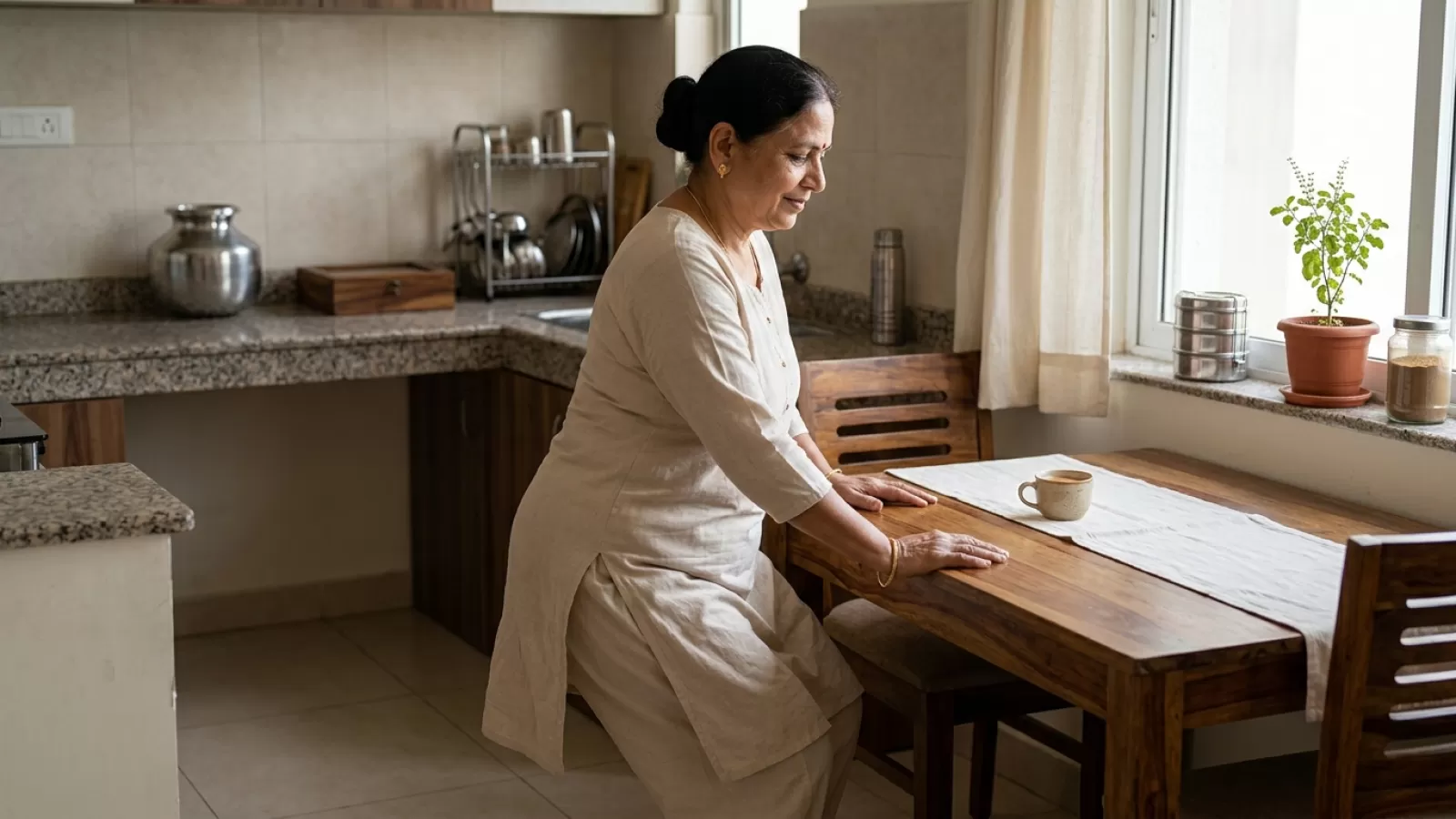
- Getting up from a chair or the floor: Try rising slowly, using as little support from your hands as possible. This strengthens your thighs and hips.
- Squatting for chores: Whether it’s picking up something dropped or squatting to mop, do it slowly and mindfully, holding the position for a few seconds.
- Reaching and lifting: As you put away groceries or clothes, use both arms, and gently stretch upwards. This helps your shoulders and core.
Over time, these small, familiar actions can quietly support your physical stability—often without you even realizing it.
Gentle Movements to Try at Home—No Equipment Needed
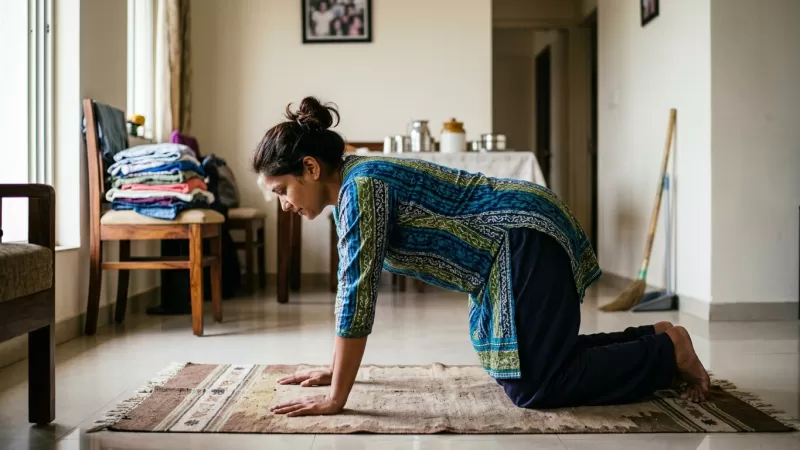
For those days when you haven’t moved much, or when your body feels stiff, here are some gentle movements that fit right into Indian home life. You don’t need a mat or special clothes—just a bit of floor space and comfortable attire.
- Wall Push-Ups: Stand facing a wall, arms straight out, and gently push away from the wall, then return. It’s easier on the joints than floor push-ups but still strengthens arms and chest.
- Heel Raises: Hold onto the back of a chair, rise slowly onto your toes, then lower gently. This supports your calves and balance.
- Seated Leg Lifts: While sitting on a sturdy chair, slowly lift one leg straight and hold for a few seconds, then lower. Repeat on the other side. This strengthens thighs without strain.
- Gentle Arm Circles: Stand or sit, stretch your arms out, and make small circles in the air. It’s a simple way to wake up tired shoulders.
The beauty of these movements is that you can do them while waiting for the cooker’s whistle or during TV ad breaks.
Blending Movement Into Your Routine—Naturally
Most Indian homes follow a rhythm—morning chai, meal prep, evening clean-up. Instead of setting aside a separate “exercise time,” try blending gentle movements into your existing routine. This approach tends to feel less burdensome, especially when energy is low or motivation is lacking.
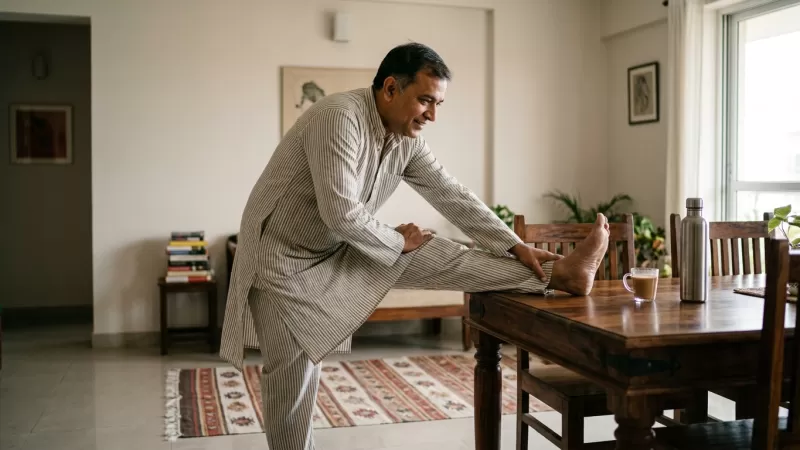
For example, after finishing your lunch, take a slow walk inside your home or on your balcony. While folding clothes, do a few gentle squats. Even brushing your teeth can be a time to practice standing on one leg for a few seconds (near the sink, for balance).
Many families quietly deal with the challenge of busy schedules and tired evenings. Fitting in gentle movement here and there—rather than pushing for a single long session—often feels more manageable.
How Often? Little and Often Works Best
On low-activity days, it’s tempting to just rest completely. And honestly, sometimes that’s what your body needs. But if you’re looking to avoid stiffness and gradual strength loss, aiming for a few minutes of gentle movement 2–3 times a day can help.
Here’s a simple way to remember: try linking movement to daily anchors like chai-time, meal prep, or news hour. Just a few repetitions of a gentle movement at these times can make a difference over weeks and months.
That said, if you miss a day or feel too tired, don’t be hard on yourself. The aim is to build a habit that feels supportive, not stressful.
Making It Comfortable—Listen To Your Body
Some days, your body may feel heavier, your joints stiffer, or you might feel unsteady. This happens to everyone, especially in winter or after a few late nights. The trick is to adjust your movements to fit how you’re feeling that day.
If something hurts or feels wrong, skip it. If you’re feeling energetic, you can hold a position a little longer or add an extra repetition. There’s no need to keep perfect count—just tune in to your own comfort.
You’ve probably noticed that older family members often have their own ways of moving, stretching, or resting. There’s wisdom in that. Each body is different—give yourself permission to adapt.
Helping Family Members Join In
It’s often easier to keep up a gentle routine if someone else is doing it with you. Family members—young or old—can join in, even if each person does a different movement or moves at their own pace.
Sometimes, making it a shared activity, like gentle stretches before dinner or after evening prayers, helps everyone stick with it. Kids might find it fun to copy adults, and seniors may appreciate the company. No need for uniforms or strict rules—just a sense of togetherness.
Remember, it’s not about competition or perfection. Even a few minutes of shared movement can lift everyone’s mood a bit.
When to Pause—and When to Carry On
There will be days when your body says “enough.” Maybe you’re unwell, recovering from minor aches, or just too tired. That’s okay. Gentle movements are meant to support your routine, not override your natural needs.
If you notice new, sharp pain, swelling, or anything unusual, it’s usually best to rest and see how you feel after a while. For most people, gentle home movements are safe, but always listen to your own body first.
On the other hand, if you’re just feeling a bit lazy or unmotivated, sometimes starting with one movement is enough to get going. Often, the hardest part is simply beginning.
Everyday Strength, Quietly Built
In many Indian homes, strength isn’t just about lifting weights—it’s about being able to carry a bucket, help a child, or move with confidence around the house. With gentle, familiar movements sprinkled through your day, you can quietly support your body’s strength, even on low-activity days.
And that’s something worth making space for, no matter how busy or slow your routine feels right now.