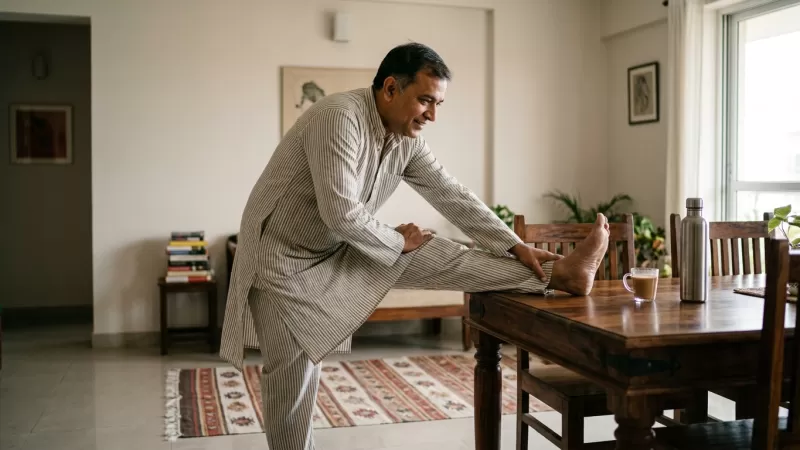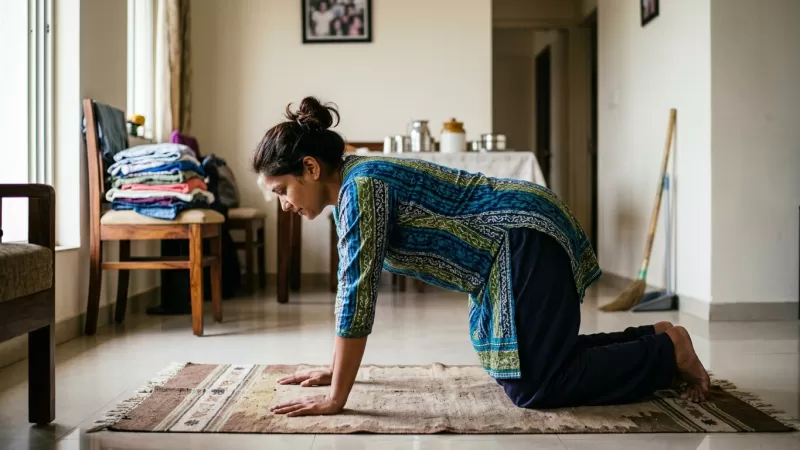
It’s become quite normal for many of us to spend hours in front of screens these days, whether it’s working from home, attending online classes, or managing bank work and family matters. In many Indian homes, the dining table or even the sofa doubles up as the new office desk. While it might seem convenient, this routine can leave you feeling stiff and achy—especially around the neck, shoulders, back, and legs. You may have noticed, after a long meeting or several hours focused on a spreadsheet, that your body just doesn’t feel as free as before. The good news is, you don’t need fancy equipment or a gym membership to help your body feel better. Light mobility exercises, slipped into short breaks, can make a real difference for most people.
Why Does Desk Work Make Our Bodies Stiff?
Let’s be honest: the typical Indian workday often stretches much longer than the old 9-to-5. Add to that the habit of working in one spot—sometimes for two or three hours at a stretch—and it’s no surprise that the body begins to feel locked up. When you sit for long periods, especially with shoulders hunched and legs bent, circulation slows down, and muscles in the neck, back, hips, and legs get tight.
Many of you might notice stiffness especially after lunch, or by the time evening tea is ready. Tightness or a dull ache in the lower back is common, as is that heavy feeling in the legs. Even wrists and fingers can feel stiff after typing or scrolling for a long time. These aren’t dangerous problems for most people, but they do make everyday life less comfortable.
It’s not about age either. Even college students and young professionals working from home can feel these effects. The tricky part is, when you’re caught up in work or family calls, you may not realise how much time has passed without moving.
The Gentle Power of Light Mobility Exercises
Here’s something reassuring: you don’t need to break a sweat or dedicate an hour to feel a difference. Light mobility exercises are all about gentle movements that help loosen up joints, get blood flowing, and softly stretch tight muscles. Think of these as short, simple routines—nothing acrobatic or intimidating.
These exercises usually fit into a quick five-minute break. They’re designed for anyone, regardless of age or fitness level. You can do most of them standing next to your desk or even seated on a chair. And if you share your home with elders or children, they can join in too.
Many people quietly deal with body stiffness, assuming it’s just part of getting older or working hard. But a few rounds of simple movements, done regularly, can really help you feel lighter and more relaxed through the day.
When’s the Best Time to Move?
Most of us know we should get up and stretch, but it’s easy to forget during a busy day. There’s no perfect formula, but these tend to be good times for light mobility exercises:
- After finishing a long call or meeting
- Every hour or so, even if just for a few minutes
- Before or after meals, especially lunch
- When you feel your focus slipping or feel fidgety
- In the evening, as you transition from work to home chores
Some people like to set a timer. For others, linking movement to regular activities—like making chai or getting up to fill your water bottle—works better. The key is not to wait until you’re already achy. Small, frequent movements are more helpful than one big stretch at the end of the day.
Simple Mobility Exercises You Can Try Right Now
Here are some gentle, practical movements you can do at your desk, in the kitchen, or even in the living room. No need for a yoga mat or fancy shoes. Just be mindful of your body and don’t force anything that feels uncomfortable.
- Neck Rolls: Sit or stand tall, relax your shoulders. Gently roll your head in a slow circle one way, then the other. This helps release neck tension from looking at screens.
- Shoulder Circles: Lift your shoulders up towards your ears, then roll them back and down in a slow circle. Repeat a few times in both directions. This can loosen up tight shoulders.
- Seated Spinal Twist: Sit upright, feet flat. Gently twist your upper body to the right, holding the chair back for support, then to the left. This wakes up the spine and supports good posture.
- Wrist and Finger Stretches: Stretch one arm out, palm up, and gently pull back on your fingers with the other hand. Switch sides. Try opening and closing your hands quickly a few times to get the blood moving.
- Seated March or Ankle Circles: While seated, lift one foot and make slow circles with your ankle. Switch feet. Or, march in place while seated for a minute to help with leg circulation.
- Standing Hip Circles: Stand with feet hip-width apart, hands on hips. Gently rotate your hips in a circle. This can ease lower back and hip stiffness.
- Calf Raises: Stand behind your chair, hold the back for support, and rise up on your toes, then lower. Repeat a few times. This is especially helpful if your legs feel heavy or swollen.
Don’t worry if you can’t remember them all at once. Pick two or three that feel easy to start with. Over time, they’ll become second nature.
Making Movement a Natural Part of the Day
It’s easy to say, “I’ll start tomorrow,” but harder to find time in the middle of a busy schedule. Some people find it helpful to treat these exercises like any other daily habit—just like making morning chai or setting the table for dinner.
Try leaving a little note on your desk, or use a family WhatsApp group to remind everyone to stretch together. Children often enjoy these short breaks, and it can be a good way to get grandparents moving too. During summer afternoons, when energy dips, these gentle movements can help bring a bit of alertness without needing another cup of coffee.
And honestly, some days will go by without a single stretch. That’s fine. The idea isn’t to be perfect, but to gently remind yourself that even small movements count.
How Mobility Exercises Support Good Posture
If you’ve ever caught yourself slouching at the dining table, you’re not alone. In most homes, office chairs and ergonomic desks aren’t always available. Over time, this can lead to rounded shoulders, forward head posture, and a stiff back.
Regular mobility exercises help re-train the body to sit and stand taller. By moving the spine, shoulders, and hips in gentle ways, you remind your muscles how to support you better. This not only helps with comfort but also with energy levels—good posture often makes you feel more awake and ready to tackle tasks.
That said, don’t stress about perfect posture every minute. Bodies are meant to move and shift throughout the day. Movement is what matters most, not rigidly holding any one position.
Staying Motivated (Even on Tiring Days)
Some days, you may feel too drained to even think about exercise. This is especially true during festival weeks or busy work periods, when routines go out the window. Here’s a thought: even a single stretch or a walk to the balcony counts as movement.
Many families quietly deal with tiredness and aches, especially after late dinners or when sleep is disturbed. Instead of waiting for a “perfect” day to start a new routine, it’s okay to just do a little, whenever you can. Over time, these tiny efforts add up.
It helps to remember that light mobility isn’t about discipline or willpower—it’s about making life more comfortable and enjoyable, one small step at a time.
Listening to Your Body and Moving Safely
While most light mobility exercises are safe for most people, it’s important to pay attention to your own body. Move gently, and avoid anything that causes pain or dizziness. If you have a medical condition or recent injury, it’s sensible to check with your doctor before making changes to your routine.
It’s also normal to feel a little awkward in the beginning, especially if you’re not used to moving much during the workday. With time, these simple movements start to feel more natural.
And if you miss a day or two, don’t worry. Just start again whenever you’re able, without guilt or pressure. The goal is simply to help your body feel a bit better, day by day.