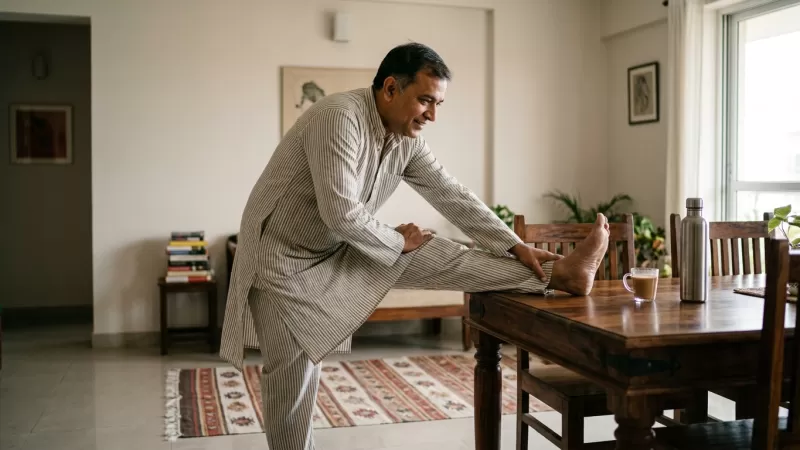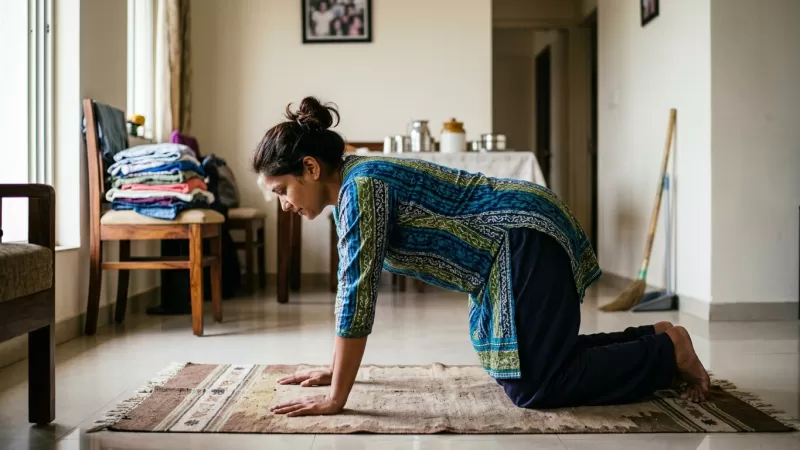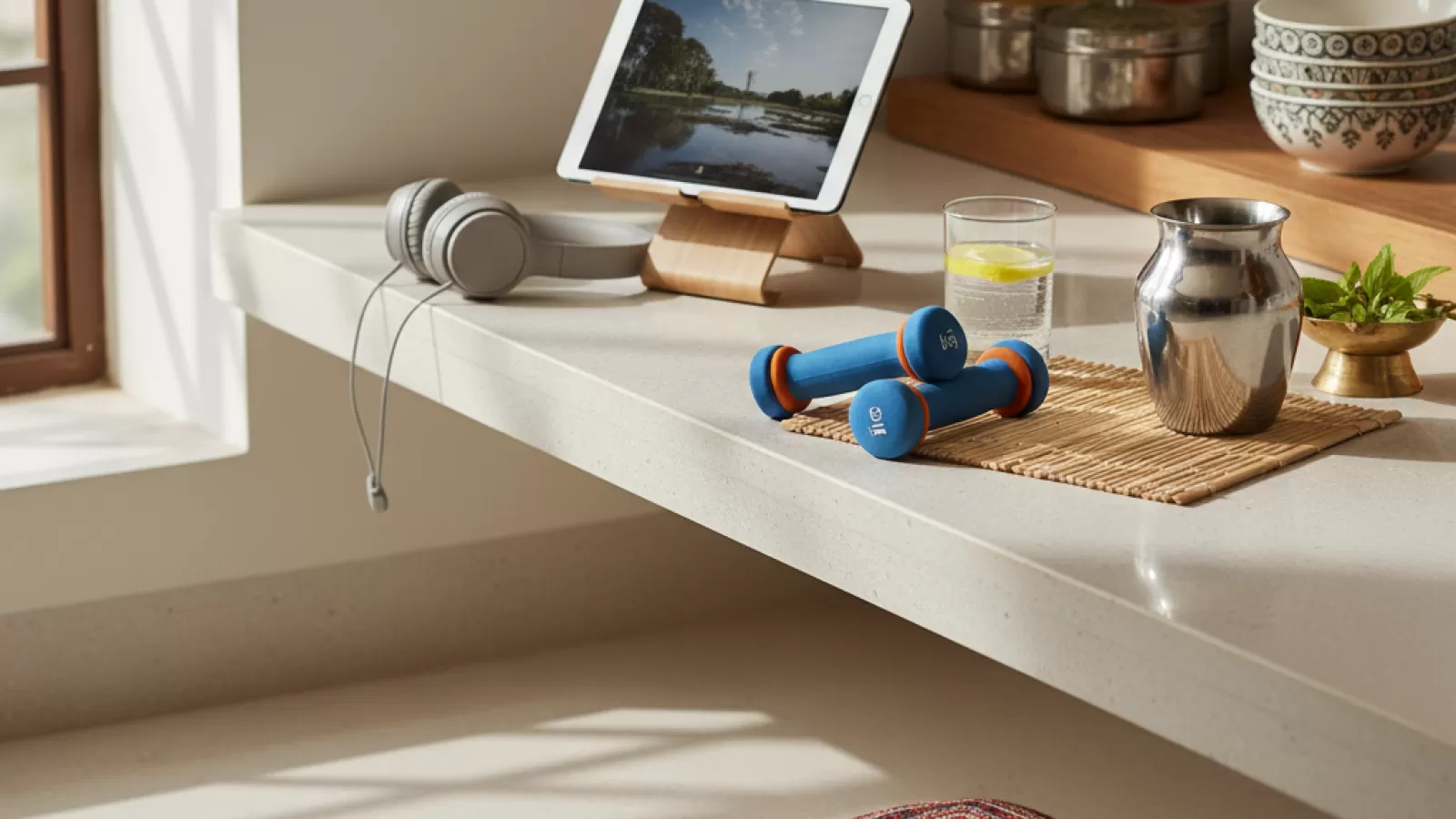
Most of us these days spend a fair bit of time watching screens—TV serials, cricket matches, YouTube, or even endless WhatsApp forwards. It’s something many Indian families quietly deal with, especially after a long workday or while the kids are doing their homework nearby. Sitting for hours on the sofa or bed may feel restful, but our bodies often get stiff, tired, and sluggish without us realizing it. Here’s the catch: you don’t have to turn your living room into a gym or interrupt your favorite show to move a little. Simple, light activity exercises can easily blend into your screen time, whether you’re following the latest drama or just catching up on the news.
Why Light Activity During Screen Time Matters
Screens have found their way into almost every corner of our homes. In many Indian households, the TV is on during dinner, late-night movies stretch into the night, and even elders enjoy a good political debate on news channels. All this sitting adds up, leading to stiffness in the back, neck, and even swelling in the legs or feet. Many people shrug it off, thinking it’s harmless, but over time, being still for too long can make daily aches and pains worse.
Most of us aren’t keen on doing heavy workouts while watching TV, and honestly, it’s just not practical in a small flat or with family around. Light activity, though, doesn’t mean breaking a sweat. It’s really about gentle movement—anything that gets your joints moving and blood flowing a bit better. You don’t need fancy equipment or much space. Even small actions can help you feel a bit fresher and less stiff once you finally switch off the screen.
So, if you’ve ever finished a movie and realized your legs felt heavy or your back was sore, you’re not alone. It’s a sign your body’s asking for a little more care, even while you relax.
Common Inactivity Habits in Indian Homes
Let’s be honest—most Indian homes aren’t built with exercise in mind. Between tight living rooms, busy kitchens, and a never-ending list of chores, there’s not much time or space for dedicated workouts. Many families, especially seniors, tend to sit for long stretches—sometimes with feet up on a stool, other times folded on the sofa. Over time, you might notice stiff knees, a bit of swelling around the ankles, or a nagging lower back.
Children, too, often sit cross-legged on the bed or floor with a mobile or tablet, and adults might stretch out after dinner, remote in hand. During IPL season or family movie nights, it’s common to be glued to the screen for hours. Here's something that often gets overlooked: even if you’re doing nothing, your body is quietly carrying your weight and working to keep you comfortable. The more still you are, the harder it becomes to get moving again.
Many people try to compensate with a brisk evening walk or a yoga class. That’s great, but light activity during screen time is about making those long sitting hours less harmful in the first place. It’s not a replacement for other movement, but a practical way to keep your body from getting too stagnant.
How to Fit Light Activity into Screen Watching
The tricky part is, most of us don’t want to lose track of our show or miss a key cricket moment. But light activity doesn’t have to be distracting. It can be as simple as moving your feet, stretching your arms, or gently twisting your torso during a commercial break. You can even do many of these movements without getting up from your seat.
Here are a few small changes that can fit in naturally:
- Keep a small cushion nearby for easy back support or to squeeze gently between your knees.
- Try to change your sitting position every 15–20 minutes—cross and uncross your legs, sit up straighter, or place your feet flat for a while.
- During ad breaks, stand up and take a few steps around the room, or just stretch your arms overhead.
It’s surprising how much better your body can feel with just a little attention. These are not big, dramatic changes—just simple habits that can make a noticeable difference over time.
Examples of Light Activities for Indian Living Rooms
If you’re wondering what exactly you can do while watching screens, here are some ideas that work well in typical Indian homes—small, medium, or large. No equipment needed, just your body and the willingness to move a bit.
- Ankle Circles: While sitting, lift one foot and gently rotate your ankle in circles. Do this for both feet, a few times each.
- Seated Marching: While seated, lift your knees one at a time as if you’re marching. You can do this slowly, even during a tense scene in a serial.
- Shoulder Rolls: Roll your shoulders forward and backward, easing out tightness from long hours at the computer or kitchen.
- Wrist and Finger Stretches: Good for anyone who spends a lot of time on the phone or typing. Stretch out your hands and gently bend your wrists back and forth.
- Neck Turns: Gently turn your head to look over each shoulder. This can help with neck stiffness from peering at the screen.
- Simple Side Bends: Sit up straight and gently lean side to side—just enough to feel a stretch along your waist.
Most of these movements can be done quietly, without drawing attention or disturbing others watching with you. Over time, you might find that your body feels lighter and less stiff, especially during those long serial marathons or movie nights.
Making Movement a Family Habit
In many Indian families, habits are set by what everyone sees. If you quietly start moving and stretching during TV time, children and elders may join in, or at least become more aware of their own stillness. It doesn’t have to be formal—sometimes, a gentle reminder or a bit of playful competition ("Let’s see who can do the most ankle circles before the ads end!") is enough.
Joint families, especially with elders or young children, can benefit from these small activities together. It can be a way to check in on each other’s comfort, or just share a light moment during a tense news debate. If you live alone, these habits can quietly break up the silence and make the evening a little more pleasant.
That said, not everyone will be enthusiastic right away. Some people may feel self-conscious or just a bit lazy after a tiring day, which is normal. In most homes, it’s best to keep things light and optional—no pressure, just the gentle encouragement of seeing someone else move first.
Adapting Movements for Different Ages
Indian households often have a mix of ages under one roof. Children, working adults, and senior citizens may all be watching the same screen, but their bodies have different needs. Light activity is flexible; you can adjust it to suit everyone’s comfort.
For seniors, safety and comfort come first. Movements should be slow and steady—ankle circles, gentle wrist turns, or even just shifting position in the chair. If there’s any pain or dizziness, it’s best to pause and try something simpler.
Children usually have more natural energy, but these days, even they get glued to screens. Encourage them to stand up or stretch during longer viewing sessions. Adults can combine these movements with small household tasks—folding laundry, shelling peas, or just tidying up the sofa cushions during a song break. The idea is to keep it easy and non-disruptive.
Making It Consistent Without Pressure
Like most good habits, consistency matters more than intensity. Doing a few movements every time you sit down for TV or mobile time tends to work better than trying to do too much in one go. The key is to make it a normal part of your routine, not something extra that feels like a burden.
One way is to tie movement to specific cues—stand up every time you refill your chai, stretch your arms during every ad break, or do a set of ankle circles when a commercial jingle plays. Over time, your body will start to associate movement with screen time, and it won’t feel forced.
Don’t worry if you forget sometimes or if a busy day makes you skip it altogether. The goal isn’t perfection, just a bit more movement than before. In the end, listening to your body is more important than following any fixed plan.
When to Pause and Listen to Your Body
While light activity is generally safe for most people, there are times when it’s better to pause. If you feel any pain, dizziness, or unusual discomfort, it’s always okay to simply sit and rest. Some days, especially after a long day at work or fasting during festivals, your body may just need quiet relaxation. That’s perfectly fine.
If you have any health conditions or are recovering from illness, you may want to check with a doctor before trying anything new, even simple movements. In most homes, gentle movements are safe and helpful, but every person’s situation is a little different.
Remember, your body gives you signals—soreness, stiffness, or tiredness are all cues to pay attention. Light activity should feel refreshing, not painful or exhausting. If it doesn’t, it’s always okay to skip it for the day.
Simple Reminders for Daily Life
Honestly, the hardest part is just remembering to move. Life in Indian homes is busy, and it’s easy to put our own comfort last. But with a little practice, light activity during screen watching can become as normal as making chai or folding clothes during a phone call.
- Place a sticky note on the remote as a reminder.
- Keep a small cushion on the sofa for easy stretches.
- Turn long ad breaks into movement breaks, not just snack runs.
- Ask family members to join in for a minute or two, just for fun.
Even a little movement is better than none. Over time, these small steps can help you feel lighter, fresher, and less stiff—without missing the best parts of your favorite shows.