After a long day—whether you've been cooking in the kitchen, standing at the shop counter, or simply running around managing family needs—your legs can start to protest in their own quiet way. That dull heaviness, the slight swelling around the ankles, or even pins-and-needles… it's all quite common, especially in Indian homes where standing for hours is just part of daily life. While rest helps, a few gentle exercises done at home can bring much-needed comfort to tired legs. These aren't complicated routines, but simple, steady movements. They're meant for real people, in real homes, often squeezed into a few stolen minutes between other responsibilities.
Why Do Legs Feel So Tired After Standing?
You've probably noticed how your legs start to ache if you've been on your feet for too long—say, during wedding preparations, festivals, or even just a busy day of household chores. This isn't just about muscle fatigue. When you stand still for a long time, blood tends to pool in the lower part of your legs and feet, and circulation slows down. Over time, this can cause that familiar throbbing or swelling by evening.
In many Indian homes, the design of our day—think chopping vegetables, ironing, or even waiting for the lift—means standing for stretches without much movement. It's not just physical workers; teachers, shopkeepers, and even those queuing for services experience this.
Here's the thing: the discomfort is usually temporary, but it can make even simple tasks feel harder. Understanding why it happens can help you recognise when you need a break, or when a few small exercises might make a difference.
When Should You Consider Comfort Exercises?
It's easy to ignore mild discomfort, especially when there are a dozen other things demanding your attention. Still, certain signs suggest your legs could use some gentle movement:
- Heaviness or tiredness in the calves or feet at the end of the day
- Swelling around the ankles, especially after standing for hours
- Mild cramps or tingling sensations
- Restlessness or the urge to stretch your legs often
These feelings don't mean anything serious in most cases, but they're your body's way of asking for a little care. Sometimes, even five minutes between tasks—or before bed—can help ease the discomfort. Many families quietly deal with this, especially after festival cleaning or family gatherings.
That said, if you notice pain that doesn't go away, or swelling that's getting worse, it's best to check with a doctor. But for everyday tiredness, comfort exercises are often enough.
Simple Seated Exercises You Can Do at Home
After a long day, the thought of complicated stretches can feel overwhelming. The good news is that many comfort exercises are best done sitting down—on the edge of your bed, a sturdy chair, or even the sofa. They don't require special clothes, equipment, or even much space.
- Ankle Circles: Sit comfortably and lift one foot slightly. Gently rotate your ankle in slow circles—first clockwise, then anti-clockwise. Repeat for both feet. This small movement helps wake up sluggish circulation.
- Toe Tapping: While seated, tap your toes up and down, keeping your heels on the floor. You can do this while watching TV or chatting with family.
- Heel Raises: Sit with your feet flat. Slowly lift your heels, holding the position for a few seconds, then lower. This exercise gently works the calf muscles.
These movements are so simple, you could even do them while waiting for the cooker’s whistle or during an ad break. The key is to keep them gentle—no need to force anything or push through pain. Sometimes, small, repeated actions are just what your legs need after a long day.
Standing Movements for Busy Days
Sometimes, you hardly get to sit—especially during festival prep, house cleaning, or if you work at a counter. For those days, a few short standing exercises can help break up the strain of just being still.
- Marching in Place: Stand comfortably and gently lift your knees one by one, as if marching slowly. Even a minute or two can get your blood moving.
- Calf Raises: Hold onto a counter or sturdy surface for support and rise up onto your toes, then lower down. This helps pump blood back up from your feet.
- Shifting Weight: If you're stuck standing (like in a queue), try shifting your weight from one leg to the other every few minutes. It may sound too easy, but it really does help reduce that heavy feeling.
These exercises are discreet—you don't need to make a show of it at work or in public spaces. Just a few repetitions here and there throughout the day often keep discomfort from building up. Many shopkeepers and teachers quietly use these tricks during long shifts.
Gentle Stretches to Loosen Up
Stiffness is another complaint after hours on your feet. Gentle stretching can help ease tightness and bring back a sense of lightness to your legs. You don’t need to be extra flexible—just focus on what feels comfortable.
- Hamstring Stretch: Sit with one leg straight and the other bent. Gently lean forward, reaching toward your toes. Stop if you feel any pain—this should feel like a comfortable stretch, not a struggle.
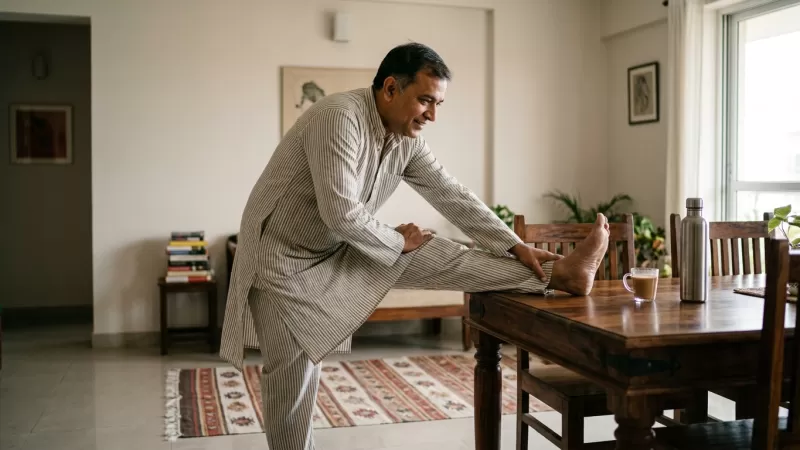
- Quad Stretch: If you can stand safely, hold onto a chair or wall, bend one knee, and bring your heel toward your backside. Hold your ankle gently. It’s okay if you can’t reach very far; just the attempt can help.
- Leg Shake-Out: Sometimes, simply shaking out your legs—one at a time—can release a surprising amount of tension.
Try to fit a stretch or two into your evening routine, maybe while waiting for dinner to cook or after a shower. The tricky part is making it a habit, especially when you’re tired, but even a little bit helps.
Tips to Make These Exercises Part of Daily Life
It's one thing to know about exercises, but another to actually do them—especially when you're juggling work, family, and endless to-do lists. Still, there are a few ways to gently weave them into daily life.
- Pick a trigger time—like after dinner, before bed, or while waiting for your tea to brew.
- Pair exercises with another routine (for example, do ankle circles while chatting with your children or listening to music).
- Keep your expectations realistic. Even two minutes at a time is better than nothing.
- Involve family members, especially elders or kids. It makes the habit stick and feels less like a chore.
Many families find that talking about these small efforts, even joking about it, helps everyone remember. After all, it's often the small, repeated actions that make a difference over weeks and months.
What Else Can Help Tired Legs at Home?
Beyond movement, a few traditional home habits can add to your comfort. You might have seen elders in your family propping their legs up on a pillow after a long day, or soaking their feet in warm water with a pinch of salt. These aren’t old wives’ tales—they really can help.
- Leg Elevation: After a busy day, lie down and place a pillow under your legs so they’re slightly raised. This can encourage any pooled fluid to move back up.
- Warm Water Soak: A simple bucket of warm water, sometimes with a pinch of Epsom or common salt, can relax tired feet and muscles.
- Comfortable Footwear: Wearing soft, supportive chappals at home—especially if you have hard floors—can reduce strain through the day.
These small acts, combined with gentle movement, tend to bring relief without much fuss. And sometimes, just sitting quietly for a few minutes, phone aside, noticing your breath and the feeling in your legs, can be a comfort in itself.
When to Pause and Seek Help
Most leg tiredness after standing is harmless and goes away with rest and simple exercises. But, it's wise to keep an eye on how things feel over time. If you notice swelling that's not settling overnight, pain that keeps you awake, or any change in skin color, it's best not to ignore it. These days, with online consultations and nearby clinics, checking with a doctor has become much easier.
For most people, though, a little care goes a long way. The goal isn't to push through pain or discomfort, but to listen to your body's signals and respond kindly.
In the end, comfort exercises are just a way of looking after yourself—something that often gets lost in the rush of daily life. Taking a few minutes for your own well-being isn't selfish; it's just sensible, especially if you want to keep up with all the things (and people) that need you every day.