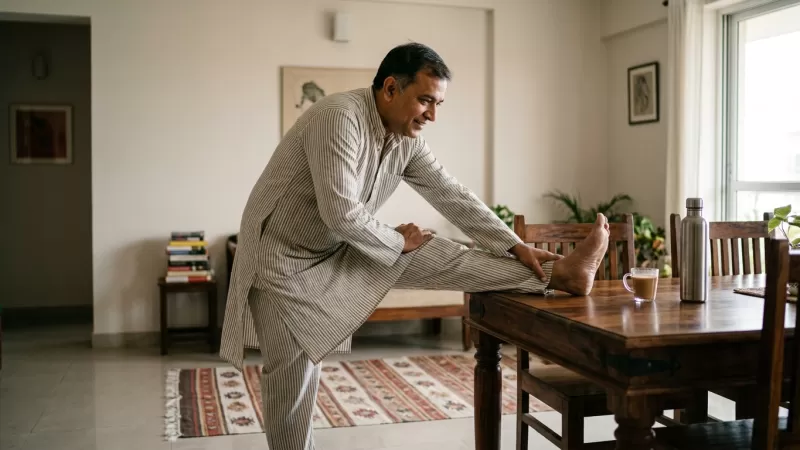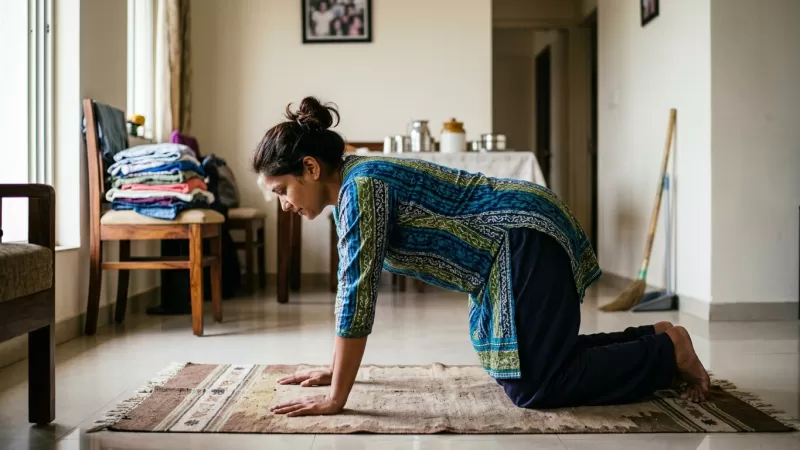
For many Indian families, laundry is more than just a chore—it’s woven into the rhythm of our weeks, whether you're hand-washing delicate dupattas or hanging heavy bedsheets out on the balcony. It's normal to feel a bit of tightness or a dull ache in your shoulders after a long laundry day, especially if you’re reaching, scrubbing, wringing, and lifting. These little movements add up, and before you know it, that nagging stiffness starts to settle in. The good news is, you don't need fancy equipment or a trip to the gym to gently ease that soreness. With a few simple shoulder exercises, you can keep your joints moving freely and make daily tasks feel just a bit lighter.
Why Does Laundry Strain the Shoulders?
It’s easy to overlook, but household chores like laundry use the same muscles, again and again. Think about wringing out wet clothes, lifting buckets, or stretching to hang shirts on the line. These repetitive actions put quiet strain on your shoulders and upper back, especially if you’re not used to regular exercise. In many homes, laundry isn’t done by machines alone—hands and arms do most of the work.
You've probably noticed that after a big wash, your shoulders feel stiff, or even a bit sore by evening. Over time, that can lead to tightness which makes everyday movements—like reaching for a jar in the kitchen or combing your hair—feel uncomfortable. It’s not just about age or fitness; even younger people can feel this if their routines include repetitive lifting or stretching.
Here's the tricky part: the discomfort often builds slowly. You may not notice it right away, but after a few weeks or months, you might find your shoulders feel heavy, or you avoid certain movements without realising why.
How Simple Shoulder Movements Help
Most people assume only athletes or gym-goers need to exercise their shoulders. That’s not really true. Simple, gentle movements—done at home, in your own time—can help loosen stiff muscles and keep your shoulders working smoothly. These movements aren’t about building big muscles or burning calories. They’re more like oiling a rusty door hinge, so it swings freely again.
Regular, easy shoulder exercises can:
- Reduce tightness and discomfort after chores
- Make lifting, reaching, and carrying feel easier
- Help prevent long-term aches from building up
And you don’t need to carve out a special time or wear sports clothes. Many of these movements can be done standing in your kitchen, while waiting for the pressure cooker to whistle, or even sitting on the sofa.
Before You Begin: Gentle Reminders
It’s natural to be a bit cautious, especially if you haven’t exercised in a while or you’re worried about making things worse. A few gentle reminders can help you feel safer and more comfortable:
- Start slowly. If a movement feels too difficult, just reduce your range or stop.
- There’s no need to push through pain. Mild stretching is fine, but sharp pain is a sign to pause.
- Wear comfortable clothes and choose a spot where you won’t bump into furniture.
- If you have a medical condition or recent shoulder injury, it’s wise to check with a doctor before starting new exercises.
And most importantly, don’t compare yourself to anyone else. Everyone’s body is a little different, and it’s completely normal to move at your own pace.
Easy Shoulder Exercises for Laundry Day Relief
Here are a few simple movements that fit into busy Indian routines. No equipment, no mat—just your own body and a few minutes whenever you find them. Try these after finishing your laundry, during a tea break, or even in the morning before starting chores.
- Shoulder Rolls: Sit or stand up straight. Slowly roll your shoulders forward in a big, gentle circle 10 times, then roll them backward 10 times. This helps release built-up tension.
- Neck-to-Shoulder Stretch: Sit comfortably, relax your arms. Gently tilt your head to one side, bringing your ear toward your shoulder (don’t lift the shoulder up). Hold for a few slow breaths, then switch sides. It’s a nice way to stretch the upper shoulder area.
- Overhead Reach: Raise both arms overhead as if you’re stretching to hang a kurta on a high line. Hold for a few seconds, then relax. Repeat 5-8 times. If your shoulders are stiff, just reach as far as is comfortable.
- Wall Angels: Stand with your back against a wall, elbows bent, hands at shoulder height. Slowly slide your arms up and down the wall, as if making a snow angel. This can help with shoulder mobility, especially for those who spend a lot of time folding or hanging clothes.
- Shoulder Blade Squeeze: Sit or stand tall, arms at your sides. Gently squeeze your shoulder blades together as if trying to pinch a small object between them. Hold for 3-5 seconds, then relax. Repeat 10 times. This helps counteract the hunched posture many of us develop while doing chores.
None of these should feel forced or painful. If you feel a gentle stretch, that’s enough.
Fitting Exercises Into a Busy Day
Most Indian homes run on a tight clock—between work calls, kids’ homework, and kitchen duties, it’s hard to find “exercise time.” The good thing about these movements is they slot naturally into daily routines. You don’t have to make a big deal out of it.
For example, you can do shoulder rolls while waiting for your tea to brew, or overhead stretches before folding clothes. If you have a helper or family member around, you can even turn it into a light-hearted routine—many seniors enjoy gentle stretching with their grandkids or spouse.
Some people find it helpful to set a reminder on their phone, at least for the first week, until the exercises become a habit. Others prefer tying it to an existing routine—maybe right after hanging the last shirt, or as soon as you step into the kitchen in the evening. Find what fits for you.
Small Changes That Ease Shoulder Strain
Besides the exercises, a few small tweaks in how you do laundry can make a surprising difference. Over the years, many families quietly adjust their routines without even realising it—sometimes out of necessity, sometimes just to make things easier.
- Try alternating hands when wringing or lifting buckets, so one side isn’t overused.
- Don’t overload baskets—carry smaller loads, even if it means extra trips.
- If possible, use a stool when hanging clothes on a high line to avoid overstretching.
- Take short breaks. Even two minutes to shake out your arms or do a shoulder roll can add up.
It might not sound like much, but these little habits help reduce the build-up of tension, especially during festival seasons or busy weeks when laundry piles up fast.
When to Pause and Listen to Your Body
Most mild aches from chores fade with rest and gentle movement. But sometimes, persistent pain or weakness can be a sign that your body needs a proper break, or a doctor’s attention. It’s wise to pay attention if:
- You feel sharp pain, numbness, or tingling in your shoulder or arm
- Your shoulder is swollen, unusually warm, or difficult to move
- Pain lasts for more than a week, even with gentle exercises and rest
For most people, though, a little patience and some regular movement is all it takes to get back to your usual self.
Listen to your body. It’s smarter than we sometimes give it credit for.
Making Shoulder Care a Family Habit
In many Indian homes, health routines are shared—sometimes openly, sometimes in small, quiet ways. Children watch their parents and grandparents, and small habits pass down through generations. Including gentle shoulder exercises as part of your daily or weekly rhythm can be a subtle example for those around you.
Some families turn stretching into a group activity, especially on Sunday mornings or during relaxed evenings. Even if it’s just a few minutes, it’s a gentle way to bond and remind everyone that caring for yourself isn’t selfish—it’s practical.
And if it slips your mind now and then, don’t worry. These small efforts, repeated over time, are what matter most. Not perfection.