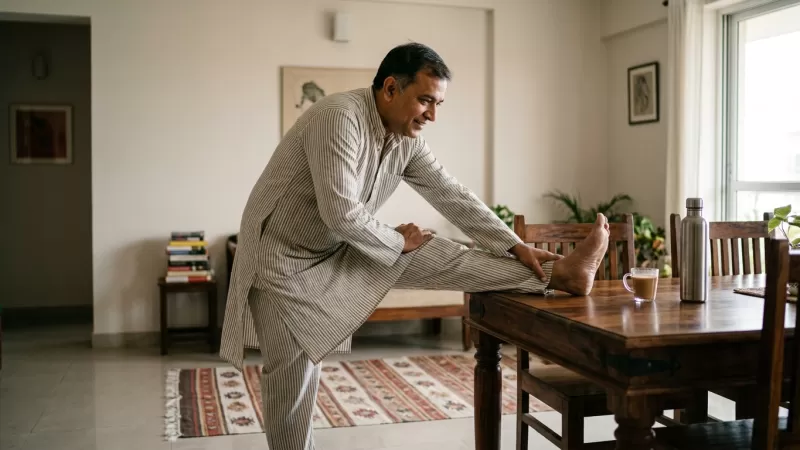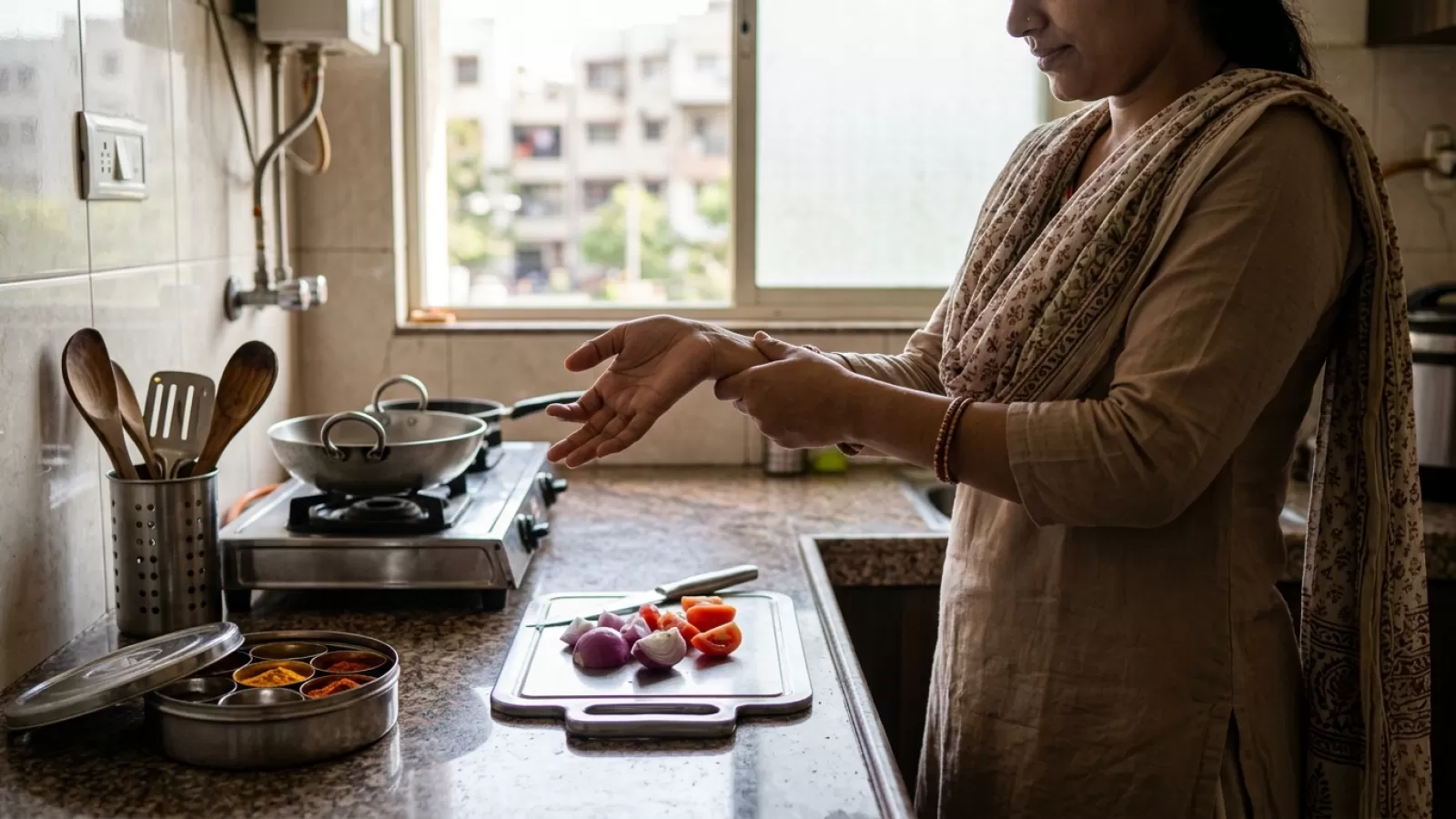
If you spend much time in the kitchen—stirring dal, chopping onions, kneading atta—you know how tired your wrists can get. Sometimes, after a long session of cooking for a family gathering, your hands might ache a little, or you might notice a dull stiffness when you rest. It’s a quiet, almost invisible discomfort that many homemakers and working professionals simply accept as part of daily life. But these small aches, if ignored, can add up over time. The good news? You don’t have to put up with it. There are simple wrist relief exercises you can do right in the kitchen, between tasks or during a quick tea break, to bring back some comfort and flexibility. Let’s look at some gentle, practical ways you can ease kitchen fatigue and protect your wrists—even in the middle of busy days.
Why Kitchen Work Tires Out Your Wrists
Most kitchen work in Indian homes involves repetitive hand movements. Think of all the small motions: turning a belan while rolling roti, mixing thick sabzi, grating coconut, or even lifting heavy pressure cookers. Over time, these motions put a surprising amount of strain on your wrists.
You’ve probably noticed how holding a knife or peeler for just ten minutes can leave your hand feeling weak. It’s not just about strength—these movements also stretch and twist your wrist joints in ways that aren’t always natural. And unlike a workout, kitchen work doesn’t come with built-in breaks or warm-ups. You just keep going, often because there’s no choice.
It’s quite normal to ignore this kind of fatigue, especially when you’re focused on getting dinner ready before everyone gets home. But paying a little attention to your wrists now can help you avoid more discomfort later.
How to Notice Wrist Fatigue Early
Many families quietly deal with sore wrists, thinking it’s just part of everyday chores. But if you know what to watch for, you can catch wrist fatigue before it turns into something more stubborn.
- A dull ache in your wrist or the base of your thumb after chopping or kneading.
- A tired, heavy feeling when you try to grip a jar or heavy utensil.
- Some stiffness when you try to rotate your wrist, especially after long prep sessions.
- Occasionally, a tingling or numbness, especially in the evenings.
These are gentle signs that your wrists are asking for a short break. If you notice them, it’s a good time to try a few easy relief exercises.
Gentle Wrist Relief Exercises (You Can Do in the Kitchen)
Here’s the catch: you don’t need a yoga mat or fancy equipment to give your wrists a little care. Most of these exercises can be done standing at the counter, waiting for your tadka to sizzle, or even while your chai is brewing. Start with a few repetitions, and gradually build up if you feel comfortable.
- Wrist Circles: Hold your hands out in front of you, elbows relaxed. Slowly rotate your wrists in circles—5–10 times in each direction. This wakes up the small muscles and gets the blood flowing.
- Prayer Stretch: Place your palms together in front of your chest (like namaste), fingers pointing upward. Gently press your palms together and lower them toward your waist, keeping your palms together, until you feel a stretch. Hold for a few breaths.
- Thumb Stretch: Extend your hand, palm up. Use your other hand to gently pull your thumb backward, holding for a few seconds, then switch hands. It’s a small move, but surprisingly soothing.
- Fist Release: Make a loose fist, hold for a few seconds, then open your hand wide, spreading your fingers. Repeat five times. This helps loosen up after gripping utensils or rolling pins.
It’s best not to push or force these stretches. If you feel pain (not just a gentle stretch), pause and rest.
Building Small Breaks into Kitchen Routines
In many Indian homes, kitchen work is a race against the clock—especially during early morning rush or evening prep. The tricky part is finding moments to rest your wrists without falling behind. That said, even tiny breaks can help.
Try this: after every 15–20 minutes of prep, pause for a minute. Use that moment to stretch your wrists or shake out your hands. If possible, switch tasks—chop for a while, then stir, then set the table. Changing hand motions gives your wrists a break from repetitive strain.
Sometimes, just running your hands under cool water and moving your wrists gently can help ease stiffness. If you’re cooking with someone else, take turns with the heavier or more repetitive tasks—especially during festivals or big family gatherings, when the prep work seems endless.
Choosing Kitchen Tools That Are Kinder to Your Wrists
Not all kitchen tools are created equal. Over time, even a small change—like a knife with a thicker handle or a lighter belan—can make a difference in wrist comfort. Many people don’t realize how much the shape and weight of everyday tools can affect hand fatigue.
- Heavier knives and peelers can tire your wrist faster. If possible, look for lightweight or ergonomically designed handles.
- Mixing bowls with handles are easier to grip and steady, especially when stirring thick batters.
- Electric choppers or grinders can take over repetitive tasks like chopping onions or grinding chutneys, saving your hands some effort.
Of course, traditional tools have their own charm and usefulness. But if you find your wrists aching often, it’s worth considering a few small upgrades, especially if you cook for long stretches.
Adapting During Festivals and Large Family Dinners
During festivals like Diwali or family weddings, kitchen work can double or triple. You might find yourself stirring kheer for an hour, or rolling out dozens of puris, all with very little pause. It’s common to push through, thinking you’ll rest when it’s all done.
Here’s a gentle suggestion: try to plan ahead, and break up big jobs into smaller bits. If possible, prep ingredients the night before, or ask a family member to help with rolling or chopping. Sometimes, having two people alternate tasks can be a relief for both.
And if your wrists start to ache halfway through a big prep session, don’t feel guilty about stopping for a few minutes of gentle stretching. The food will still get made—and your comfort matters, too.
Making Wrist Care a Family Habit
Many young adults and children are helping more in the kitchen these days, especially during holidays or when everyone works from home. Teaching simple wrist relief exercises to your children or elders can be a quiet way to build good habits together.
If you notice a family member rubbing their wrists after chopping or kneading, offer to show them a stretch or just remind them to take a short break. Sometimes, sharing the load—whether it’s rolling rotis or washing up—makes a difference for everyone’s hands.
It’s these small, everyday acts of care that add up over time. Wrist comfort is not just about avoiding pain—it’s about making kitchen work feel a little lighter and more enjoyable for everyone at home.
When to Rest—and When to Seek Help
Most wrist fatigue from kitchen work will ease with rest and gentle stretching. But if you find the pain is getting worse, or if you notice swelling, strong numbness, or difficulty gripping even light objects, it may be time to pause and consult a healthcare professional.
There’s nothing weak or lazy about needing a break. Many people quietly struggle with hand and wrist aches, thinking they’re just part of aging or daily work. But you deserve comfort, and small changes in how you move and rest can make a big difference.
So, the next time you feel a little wrist tiredness during meal prep, take a moment for yourself. A few minutes of care, here and there, can help you enjoy your time in the kitchen—and keep your wrists happier for many meals to come.