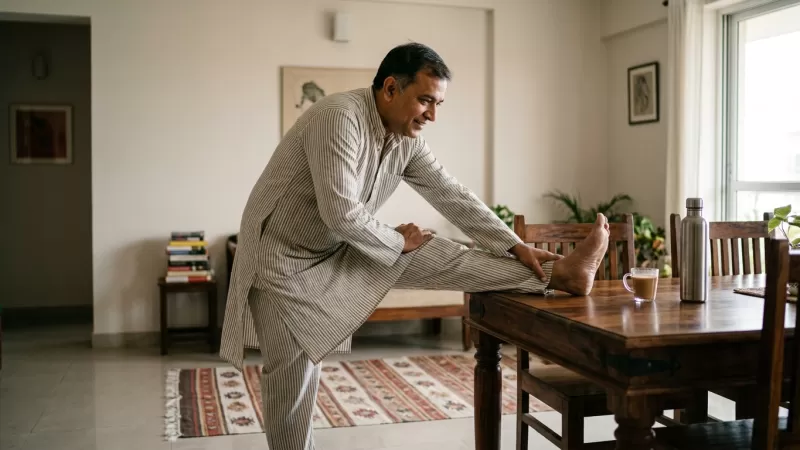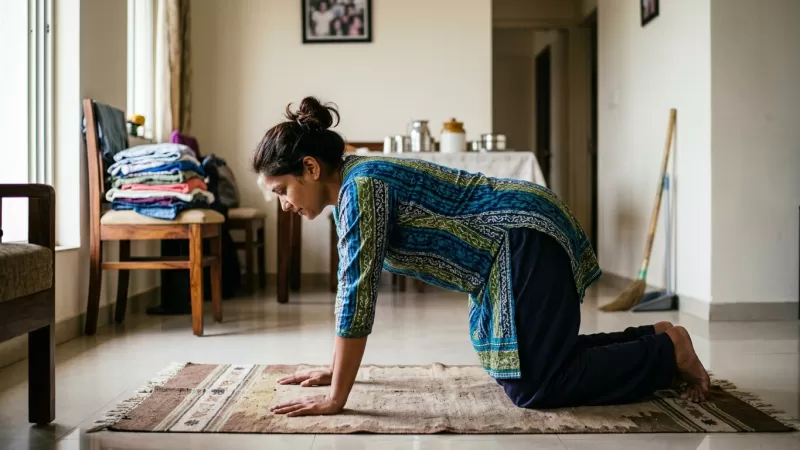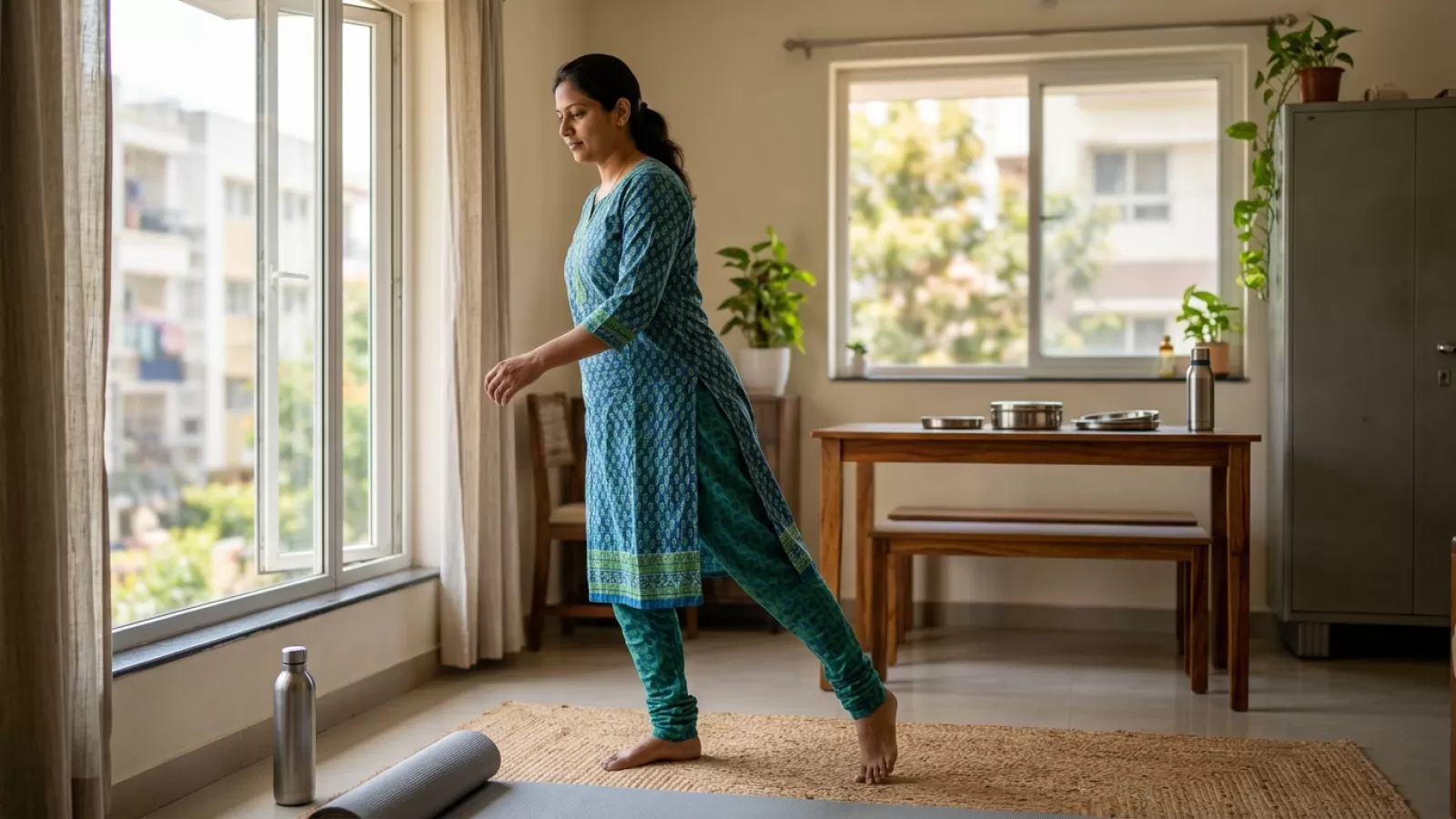
It’s easy to get excited about starting a new workout routine, especially if you’ve been feeling restless or have set yourself a fresh health goal. But there’s a small, often ignored step that can quietly make all the difference—warming up. In many Indian homes, whether you’re squeezing in a quick walk in your living room, following along with an online yoga class, or just stretching after a long day at your desk, a gentle warm up is more important than most people think. You don’t need fancy equipment or a big space. Just a few simple movements, right in your regular clothes, are enough to help your body get ready for action.
Why Skipping Warm Ups Is Risky (Even at Home)
In today’s busy life, many of us jump straight from sitting—maybe after a long office call or while helping kids with homework—to a sudden burst of exercise. It’s tempting to just get it over with, especially when time is short. But here’s the catch: our muscles, joints, and even our heart need a gentle signal before any intense movement. Without a proper warm up, you might find yourself with an aching back or a pulled calf muscle, sometimes even after a short session.
This is true whether you’re young or older, fit or just starting out. The body doesn’t automatically shift from rest to action without some gentle nudging. Many families quietly deal with stiffness or minor sprains simply because they skipped this step.
It’s not about being athletic. Even a basic home workout—marching in place, light stretches, some squats—needs a slow start. That’s what helps keep your muscles happy, especially if you spend most of your day sitting or standing in one place.
What Does a Good Warm Up Look Like?
A good warm up is not about sweating buckets or feeling breathless. It’s more like slowly waking up your body from sleep. You want to ease into movement, get your joints moving, and gently raise your heart rate. In practical terms, you’re just letting your body know, “Hey, we’re about to do something a bit more active.”
Most warm ups last about 5–10 minutes. Simple things work best—movements you can do right on your living room rug, before anyone else has even noticed you’re exercising. You don’t need to learn anything fancy or follow a complicated routine. Start with the easiest movements and add a few more as you get comfortable.
Here’s what usually helps:
- Movements that wake up your big muscle groups (legs, back, arms)
- Gentle stretches that don’t hurt
- Light aerobic moves—like marching in place or slow jumping jacks
Gentle, Everyday Warm Up Movements for Indian Homes
You might feel unsure where to begin, especially if your only space is a small bedroom or you’re worried about disturbing others. But that’s okay. The trick is to use movements that are simple, safe, and familiar.
- Marching in place: Just stand up straight and march on the spot, swinging your arms gently. Do this for 1–2 minutes to get your blood flowing.
- Shoulder rolls: Raise your shoulders up to your ears, then roll them back and down, making small circles. Repeat 10–12 times.
- Neck circles: Drop your chin to your chest, then gently roll your neck in a circle, one way and then the other. No need to force it—just keep it soft.
- Ankle and wrist circles: Stand or sit and rotate your ankles and wrists, 8–10 times each direction. This helps if you spend a lot of time at a desk or on the phone.
- Side bends: With feet shoulder-width apart, gently reach one arm over your head and lean to the side. Hold for a few seconds, then switch sides.
- Slow squats or sit-to-stand: Use a sturdy chair if needed. Sit and stand slowly, keeping your knees in line with your toes. Even 8–10 of these can wake up your legs and back.
- Arm swings: Stand tall and swing your arms forward and back, then across your chest. Keep it relaxed. This often helps loosen up the upper back, especially after long computer sessions.
Most of these can fit easily into the start of any home workout, or even before you begin housework or gardening.
When Do You Need to Warm Up?
Some people wonder if a warm up is needed before every type of activity. The answer is: usually, yes, unless you’re doing something extremely gentle, like slow walking or basic stretching. For anything that makes you breathe harder or use your muscles a bit more—like a brisk walk, a dance video, or those 10-minute strength routines—it’s a good idea to start slow.
During winter, when your body feels stiffer, or after sitting for hours (think: endless Zoom calls), warming up becomes even more important. You’ll feel the difference immediately—movements get easier, and you’re less likely to feel that familiar "crick" in your neck or back.
That said, you don’t have to overthink it. Even 5 minutes of gentle movement is better than nothing.
How to Make Warm Ups a Habit (Even on Busy Days)
In many homes, mornings can be rushed—making breakfast, getting kids ready, or logging in for online meetings. It’s easy to skip warm ups because you’re short on time or feeling impatient. But here’s a small truth: a warm up doesn’t need to be a separate event. You can work it into your day in little bits.
Some people warm up while waiting for chai to boil or even when chatting with family. If you’re watching TV in the evening, try standing and rolling your shoulders or ankles during the ad breaks. Over time, these small moments add up. If you have kids or seniors at home, gentle warm ups can be a family habit—helping everyone stay loose, especially after sitting for long periods.
It’s okay if you forget sometimes. The main thing is to try, most days, to move a little before you push your body harder. You’ll usually notice fewer complaints about aches in the long run.
Signs Your Body Is Ready (and When to Slow Down)
You don’t need to be a fitness expert to know when your body is warmed up. Usually, you’ll feel a gentle rise in body temperature, maybe a bit of lightness in your joints, and breathing that’s a little quicker but not uncomfortable.
If you notice pain, dizziness, or feel very breathless, that’s your body’s way of saying “slow down.” Gentle warm ups should not cause pain or strain. It’s normal for older adults to need a little more time. Some days, your body takes longer to feel loose—especially in the cold months or after a poor night’s sleep.
Listen to your own comfort. There’s no need to rush or copy someone else’s routine exactly. Over time, you’ll find which movements help you feel best.
Warm Ups for Different Ages and Abilities
In joint families, you might have everyone from children to grandparents around. The good news is, gentle warm ups are safe for almost all ages. Children naturally want to move, while older adults might need to go slower or hold onto a sturdy chair for balance.
If you have stiff knees or are recovering from any injury, it’s wise to skip anything that feels uncomfortable. Instead, focus on movements like ankle circles, shoulder rolls, or simply walking in place. For seniors, even a few minutes of gentle stretching and slow walking around the house can help prevent falls and keep joints moving.
For busy professionals, especially those working from home, try setting a reminder every hour to stand, stretch, and do a small warm up. It breaks the monotony and helps avoid that "locked up" feeling after long computer sessions.
Making It a Comfortable, Everyday Ritual
Think of your warm up as a soft entry into movement, not as a chore. You can put on your favourite music, open the windows for some fresh air, or just enjoy a quiet moment before the day’s noise begins. Some people like to use this time to gently set their intention for the workout, or even just to check in with how their body feels.
And if you miss a day? It happens. The important thing is not to give up on the idea altogether. Even if you only manage a few shoulder rolls and some marching in place one day, that’s still better than nothing.
In the end, warming up is a simple, kind way to care for your body—right there in your own living room, with no pressure and no fuss. It’s a small habit that often pays off quietly, helping you enjoy your workouts with fewer aches and more ease.