It’s a common story in many Indian homes—someone stands up after a long day, rubs their knees, and mutters about stiffness or soreness. Joint tenderness is especially familiar to older adults, but these days, even younger folks working at desks or constantly on their feet are starting to notice the same twinges. If you’ve ever felt a bit nervous about moving too much because of aching joints, you’re not alone. The good news is, you don’t have to push yourself through painful, intense workouts just to stay active. There are gentler ways to keep your joints comfortable and your body flexible, all from the comfort of home.
Why Forcing Through Pain Doesn’t Help
It’s easy to believe that “no pain, no gain” applies to every type of exercise. But here’s the catch—when joints are already tender, forcing them through harsh workouts can make things worse, not better. Many people feel pressure to “tough it out” or keep up with what they see on TV or social media, but those routines aren’t designed for everyone.
Overdoing it can actually cause more inflammation or even longer-lasting problems. You’ve probably noticed that after a very demanding activity (like running after the grandkids or scrubbing floors for hours before Diwali), your joints can ache for days. That’s your body’s way of saying it needs a gentler approach.
So, it’s perfectly okay—and wise—to choose comfort over intensity, especially if you’re dealing with daily aches or stiffness.
The Power of Low Impact Movements
Low impact exercises are movements that don’t put too much force or pressure on your joints. Instead, they let you move and stretch your body in a way that feels safe and comfortable. The goal isn’t to burn the most calories or build big muscles. It’s about keeping your joints flexible, maintaining mobility, and feeling good in your body—whether you’re making chapatis, climbing stairs, or just sitting cross-legged on the floor.
These exercises can fit easily into a typical Indian household routine. You don’t need fancy equipment or a gym membership. Sometimes, a soft mat or a sturdy chair is enough. And you can do them in your living room, bedroom, or even out on the balcony during the cool hours of the day.
In fact, many families quietly deal with joint discomfort by simply moving more gently and more often—a small adjustment that can make daily life feel lighter.
Simple Stretching for Every Day
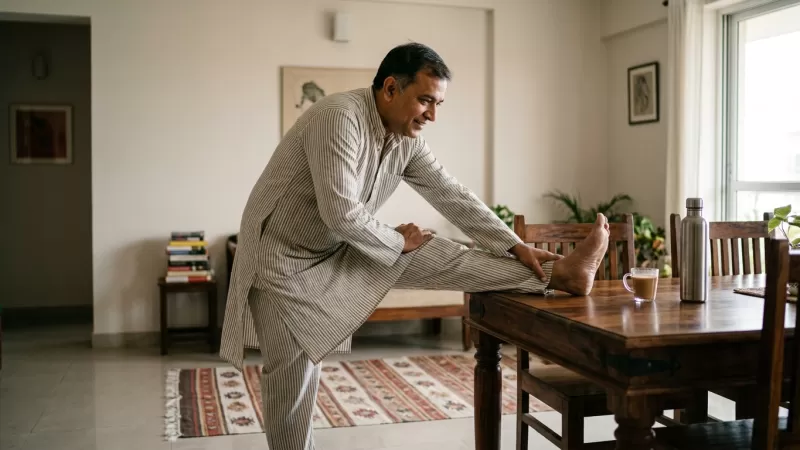
Stretching is a gentle way to wake up stiff joints and keep them moving smoothly. You don’t have to do complicated yoga poses or force yourself into uncomfortable positions. Think of stretching as a kind of body sigh—easy, relaxed, and peaceful.
- Neck rolls: Sitting or standing, gently roll your head in slow circles. If you feel any sharp pain, stop immediately.
- Shoulder shrugs: Lift your shoulders up toward your ears, hold for a moment, then let them drop. Repeat this a few times during your morning routine.
- Wrist and ankle circles: Move your wrists and ankles in slow circles, both clockwise and anti-clockwise. This helps if you’ve been chopping vegetables or sitting for too long.
- Gentle side bends: Raise one arm overhead and lean gently to the opposite side. Switch sides after a few breaths.
These stretches don’t take much time—just a few minutes can make a difference, especially on chilly mornings or after a long nap.
Chair-Based Exercises: Support and Stability
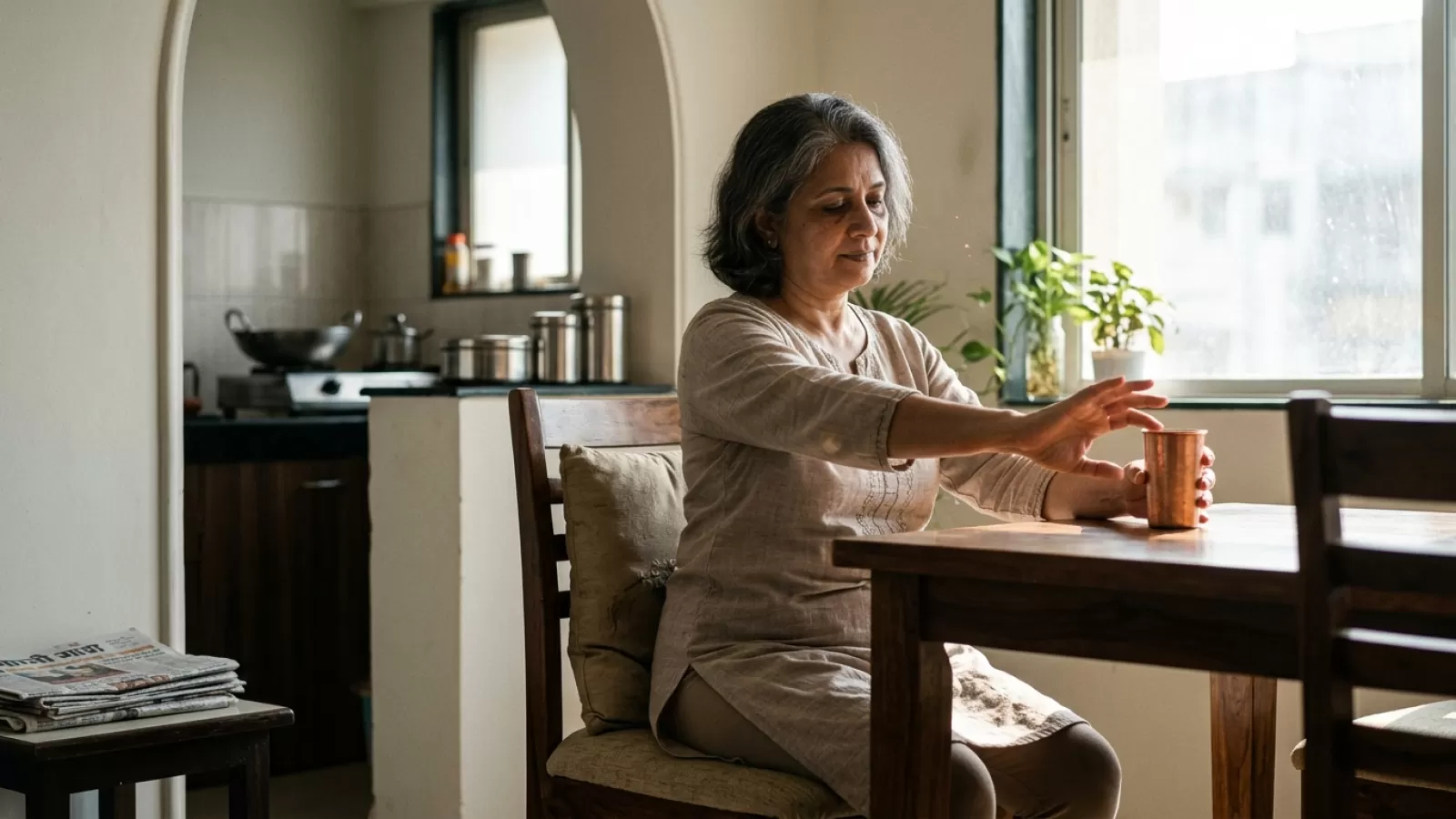
Not everyone finds it easy to get down on the floor or balance on one leg, especially as we get older. Chair-based exercises offer support and stability, making it easier to move without fear of falling or straining delicate joints.
- Seated leg lifts: Sit upright, slowly lift one leg straight out, hold for a few seconds, and lower it. Repeat with the other leg.
- Marching in place: While seated, gently lift your knees one at a time as if you are marching. This can help improve circulation on days you’re mostly sitting.
- Toe and heel taps: Tap your toes up and down, then your heels. This can be done quietly while watching TV or chatting with family.
These exercises are especially helpful for seniors, but anyone who wants a gentle, safe way to stay active can benefit. If you feel tired or a bit wobbly, it’s perfectly fine to slow down or rest.
Gentle Movement During Household Activities
Many Indian families are busy throughout the day—cooking, tidying up, running after children, or helping elders. The good thing is, some of these daily movements can count as gentle exercise if you do them mindfully.
- Sweeping and mopping: Instead of bending over, try to keep your back straight and use long, gentle strokes. This protects your knees and hips.
- Standing calf raises: While waiting for the pressure cooker to whistle, stand on your toes and slowly lower your heels. Hold onto the kitchen counter for balance.
- Slow stair climbing: Use the stairs at home as a low-impact workout by climbing slowly and steadily, holding the railing if needed.
The trick is to move in a way that feels good—not rushed or forced. These small changes can add up over the week.
Easy Floor Exercises for Gentle Strength
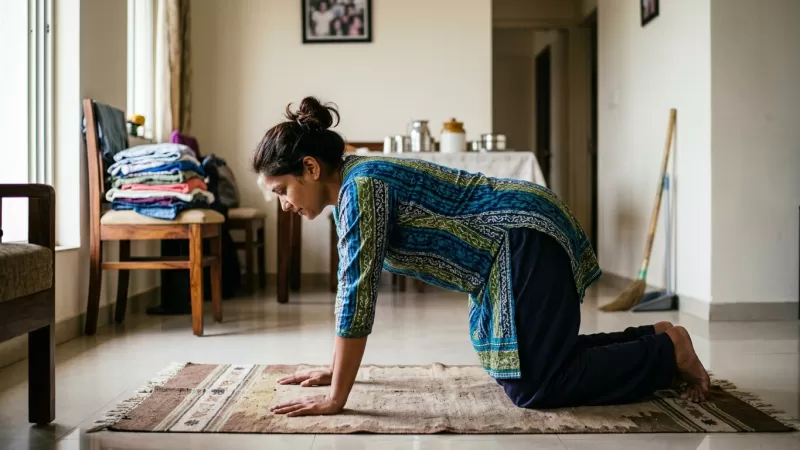
If you’re comfortable sitting or lying on the floor (as is common in many Indian homes), you can try a few gentle movements to keep joints strong and flexible. Always use a soft mat or folded blanket to protect your knees and hips.
- Cat-cow stretch: On hands and knees, arch your back up (like a cat), then dip it down (like a cow). Move slowly and breathe deeply.
- Child’s pose: Sit back on your heels, stretch your arms forward, and rest your forehead on the floor. This is a good resting stretch if you’re feeling tired.
- Side-lying leg lifts: Lie on one side and slowly lift your top leg up and down. Switch sides after a few repetitions.
These movements are gentle but effective, especially if you do them regularly. That said, if you notice any pain, it’s best to stop and rest.
Tips for Listening to Your Body
Sometimes it’s hard to know the difference between healthy movement and something that might make a problem worse. Many people ignore early warning signs, thinking the pain will go away. But your body often gives you little signals when it needs a break.
- If a movement causes sharp or worsening pain, stop right away.
- Some mild discomfort or soreness is normal, especially if you haven’t moved in a while, but pain that lingers for hours or days means it’s time to rest.
- It’s okay to skip a day or do less if you’re feeling tired or under the weather. Consistency matters more than intensity.
- Using a warm compress or taking a short walk can sometimes help ease stiffness after gentle exercise.
Staying in tune with your body’s needs isn’t always easy, especially when there are so many other things demanding your attention. Just do what you can, when you can.
Making Movement a Comfortable Habit
Forming a new habit always takes time, especially when the house is full of responsibilities and interruptions. You might start out with good intentions, then find yourself forgetting or skipping your gentle exercises. That happens in most homes.
One practical approach is to tie your gentle movements to something you already do—like stretching while waiting for your tea to steep, or doing ankle circles before bed. If you can, involve family members or friends. Sometimes, a little company makes movement feel less like a chore.
Remember, there’s no perfect routine. Some days you’ll have more energy, some days less. The most important thing is to find a pace and style that fits your life and feels sustainable—not overwhelming.
Over time, these small, gentle habits can help your joints stay more comfortable and support your flexibility for the daily routines that matter most.