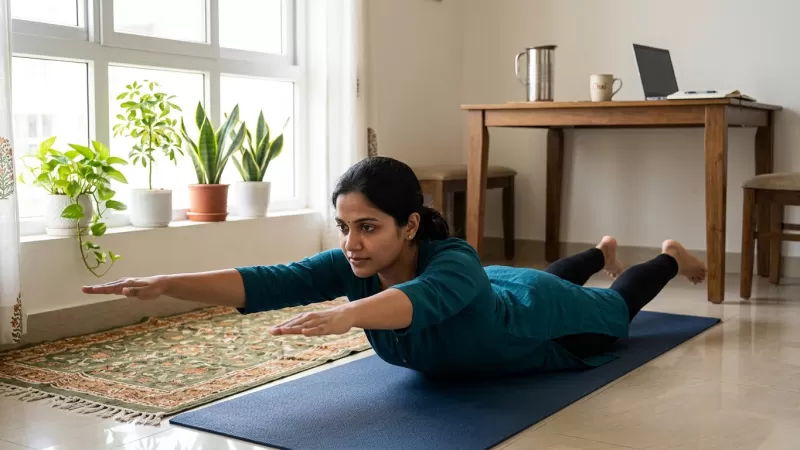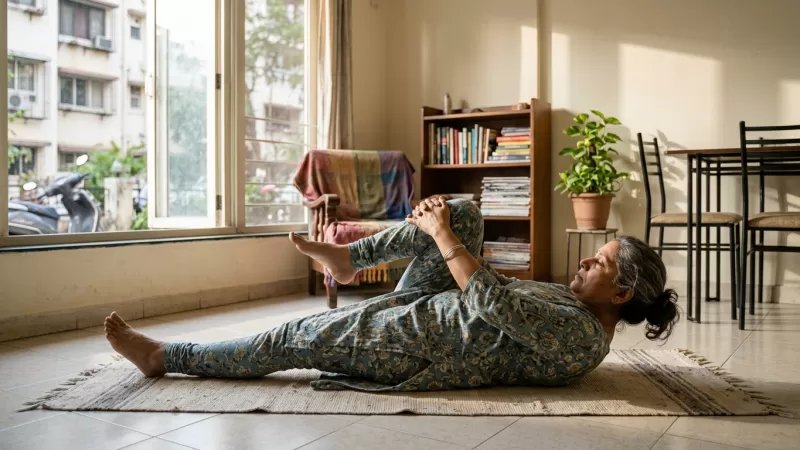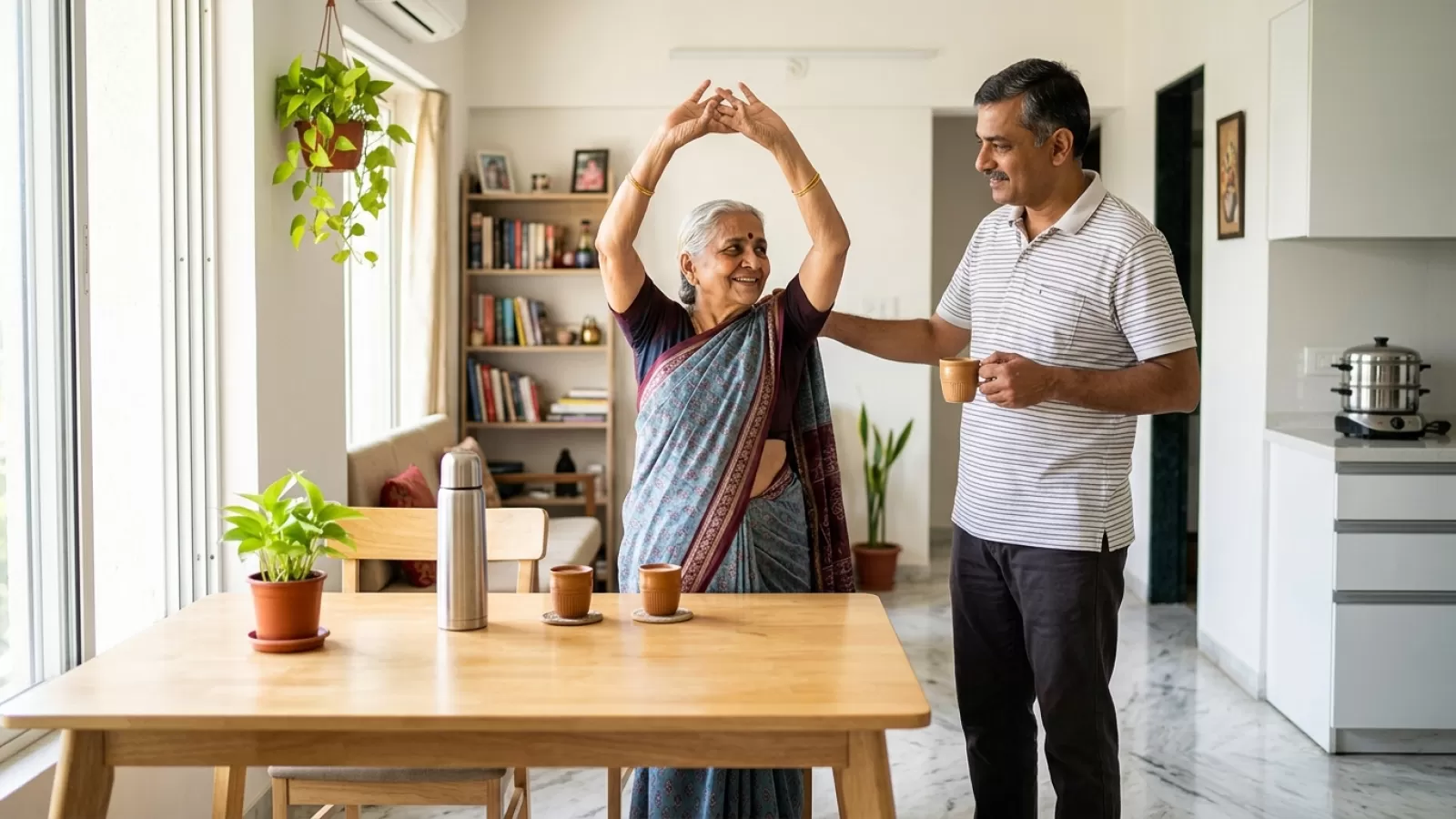
In many Indian families, supporting elderly parents’ exercise India often begins without any grand plans or fitness gear. One morning, someone in the house rolls out a mat in the living room and starts with gentle stretches. An elderly parent, sipping chai and watching, quietly tries the same arm movement from their chair. The next day, the two move together, slow and steady, in the shared warmth of routine.
That’s how it usually happens. Helping Indian parents stay active is less about instructions and more about togetherness. Over time, these movements become part of the daily life—woven into evenings on the terrace, or walks to the local market. The most effective Indian family encourage senior movement not with rules, but by making movement feel as normal as drinking chai after breakfast.
Why Staying Active at Home Feels Different for Indian Seniors
Supporting elderly parents’ exercise India comes with its own patterns. In most Indian homes, elders have spent decades putting others first—cooking, keeping things running, managing busy households. When they slow down, it’s rarely about laziness. It’s more about shifting roles, aches that didn’t exist before, or a feeling that “exercise” is only for the young or unwell.
Daily rhythms matter. Many seniors in India live in joint families or busy apartments, where space is shared and privacy is rare. The idea of doing “workouts” can feel odd or even embarrassing, especially with everyone around. Add to that the cultural expectation that after a certain age, rest is deserved, and you get a mix of guilt and resistance when the topic of movement comes up.
Still, in many families, small changes spark bigger shifts. When adult children begin their stretches in the living room, or invite their parents for a slow evening walk, it’s less about instruction and more about shared time. Senior physical activity family support India usually flourishes when it happens quietly, as part of the day, not an extra task.
Why Elders Often Resist Formal Exercise Routines
The tricky part is, many Indian parents see exercise as something you do only if you need to lose weight, recover from illness, or follow a doctor’s orders. There’s a sense that “at my age, it won’t make much difference.” Some elders feel they’ve earned their right to rest after years of hard work. Others worry they’ll look silly or weak in front of family members.
Physical discomfort is another major reason. Knee pain, back aches, or breathlessness make any new movement seem risky. Humid summers and power cuts can also discourage movement indoors. And, in homes where every bit of floor space is shared, finding a quiet corner for gentle exercise is a challenge.
Fitness coaches who work with Indian seniors often find that movement is best accepted when it fits easily into existing routines—like walking to the vegetable vendor, sweeping the verandah, or doing simple stretches before chai. Creating a social, non-judgmental environment helps, especially when grandchildren or other family members join in. The family becomes a gentle nudge, not a drill sergeant.
Clues That Your Elderly Parent May Need More Movement
- They stay seated for hours: Long spells on the sofa or bed with little movement—even to fetch water or answer the door—can be a sign of reduced activity.
- Stiffness after sitting: If your parents groan or take a minute to stand up straight after sitting, it often means joints aren’t getting enough gentle use.
- Declining interest in daily chores: When simple household tasks like folding laundry or watering plants are skipped or done reluctantly, it might signal physical or mental fatigue.
- Changes in mood: Restlessness, irritability, or withdrawal from conversations can sometimes be linked to inactivity.
- Loss of appetite: In some homes, decreased movement goes hand-in-hand with less interest in meals or snacks like poha or dahi.
Small Family Habits That Encourage Gentle Movement
- Do gentle exercises together: Instead of telling your parent to do stretches, start doing your own in the same room. Often, they’ll join in naturally after a few days. It feels easier when everyone is moving.
- Incorporate movement into daily tasks: Invite your parent to help with simple chores—shelling peas, dusting, folding clothes. During winter, a shared task in the sun can feel less like “exercise” and more like togetherness.
- Make walks social: Rather than assigning a daily walk, join them. Many families in Indian cities have quietly discovered that evening walks become the highlight of the week when everyone tags along, chatting about the day.
- Use music for movement: Play old Hindi songs or bhajans and invite your parent to sway, clap, or tap feet. Even five minutes after lunch can bring laughter and some gentle movement.
- Let grandchildren lead: Children can turn any movement into a game—passing a soft ball, playing antakshari while marching in place, or teaching a simple yoga pose. Seniors often join in for the joy, not the exercise.
How Family Movement Blends Into Indian Daily Life
Look around in many Indian homes during summer evenings. The living room is busy—TV on, someone chopping veggies, a child reading, an elder perched on the edge of the sofa. In this mix, small pockets of movement sneak in. A daughter-in-law rolls her shoulders after cooking. An elderly parent mimics the action. Someone puts on an old Kishore Kumar song, and hands start clapping.
During power cuts, families may gather on the terrace or balcony, pacing slowly to catch a breeze. These moments, though not planned exercise, keep everyone gently moving. Sometimes, the most lasting routines begin by accident—when a late-night chai break turns into a 10-minute slow walk around the apartment, or when a child challenges a grandparent to see who can balance longest on one leg.
That said, not every day is perfect. There are times when everyone is too tired, or the weather is simply too sticky for any real activity. The key is not to give up, but to let movement ebb and flow with the rhythm of the household. Consistency comes from kindness, not pressure.
When Concern Means It’s Time For Professional Help
If you notice your elderly parent struggling with basic activities—like getting up from a chair, frequent falls, losing balance while walking, or sudden confusion—these are signs that go beyond normal aging. If your parent refuses to move at all due to pain, breathlessness, or fear, it’s wise to check with a doctor. Sometimes, a health issue is the real reason for inactivity, and early support can help prevent bigger challenges later.
Common Questions
Many families find themselves wondering how to gently encourage movement without sounding like a nag, or how to make activity feel natural for parents who have never “exercised.” These questions come up in living rooms every evening, between sips of tea and the background hum of daily news. Here are some warm, practical answers drawn from real Indian household rhythms.
How do Indian families encourage elderly parents to maintain daily physical activity without creating resistance?
In most Indian homes, resistance fades when movement becomes a shared ritual rather than a solo task. For example, adult children often start their own stretches in the living room. Parents, noticing this, begin to join in—no pressure, no fuss. Evening walks that begin as a family outing, with everyone chatting about the day, also help. It’s all about inviting, not instructing, and making movement feel like a family tradition, not a command.
What forms of physical activity work best for Indian seniors and are also compatible with family participation?
Gentle walks in the park, slow stretching routines, or even household chores like wiping the table or sweeping the balcony can all work. Many families enjoy simple yoga together, with everyone doing what they can. Playing with grandchildren—passing a ball, clapping to music, or helping in the kitchen—also encourages regular movement. The best activities are those that fit comfortably into daily life and bring a sense of connection.
How do you support an elderly parent's physical activity when the parent genuinely believes they are too old to exercise?
This is a common feeling. The gentle approach is to avoid the word “exercise” and instead invite your parent for a slow walk after dinner, or ask them to help water plants. Sometimes, sharing stories of other elders who enjoy a bit of movement can help. If grandchildren ask for company during playtime, many grandparents join in for their sake, not realizing they’re actually being active. Small, meaningful invitations work better than big arguments.
What role can grandchildren play in motivating elderly Indian grandparents to maintain physical activity?
Children are often the best motivators. In many homes, grandparents move more when playing with grandchildren—dancing, tossing a ball, or even acting out stories. Grandchildren can ask for help with simple games or yoga poses, turning movement into a fun shared experience. The energy and curiosity of kids make activity feel less like a medical routine and more like play, which usually brings a smile to everyone’s face.
When does a family's concern about an elderly parent's inactivity indicate a physical or medical issue that needs professional assessment?
If your parent suddenly struggles with daily tasks, finds it hard to get up from a chair, or experiences frequent falls, it’s time to check with a doctor. Other signs include severe joint pain, breathlessness, confusion, or refusing all movement. Sometimes, underlying health issues—like arthritis or heart problems—can make activity risky. When in doubt, a gentle consultation with a trusted doctor can offer clarity and keep your parent safe.