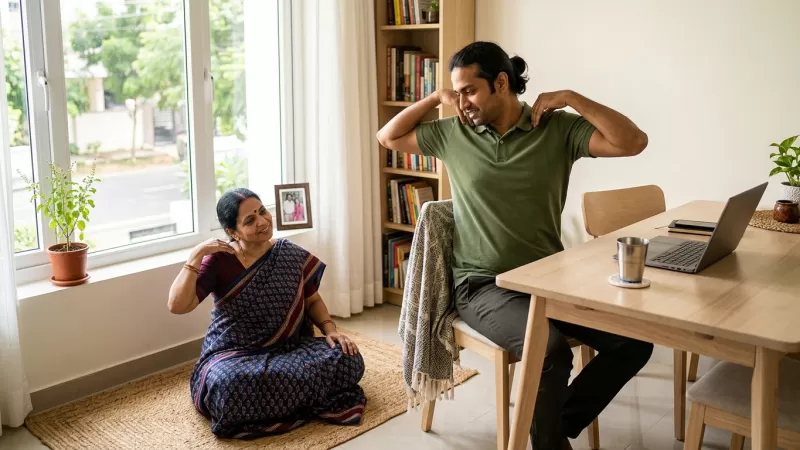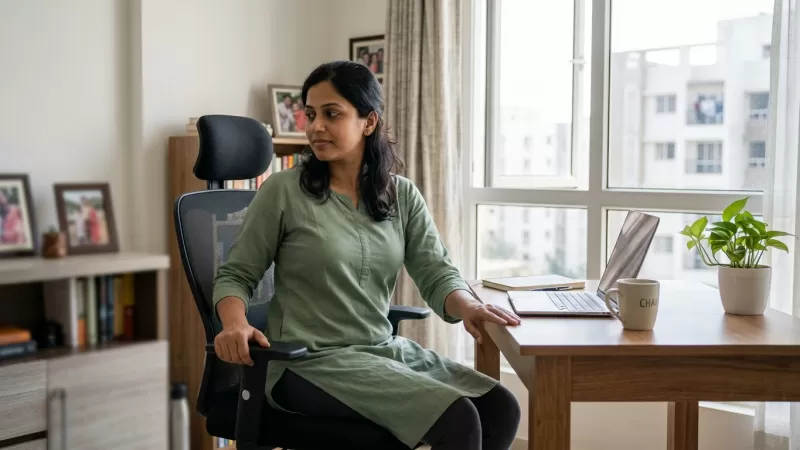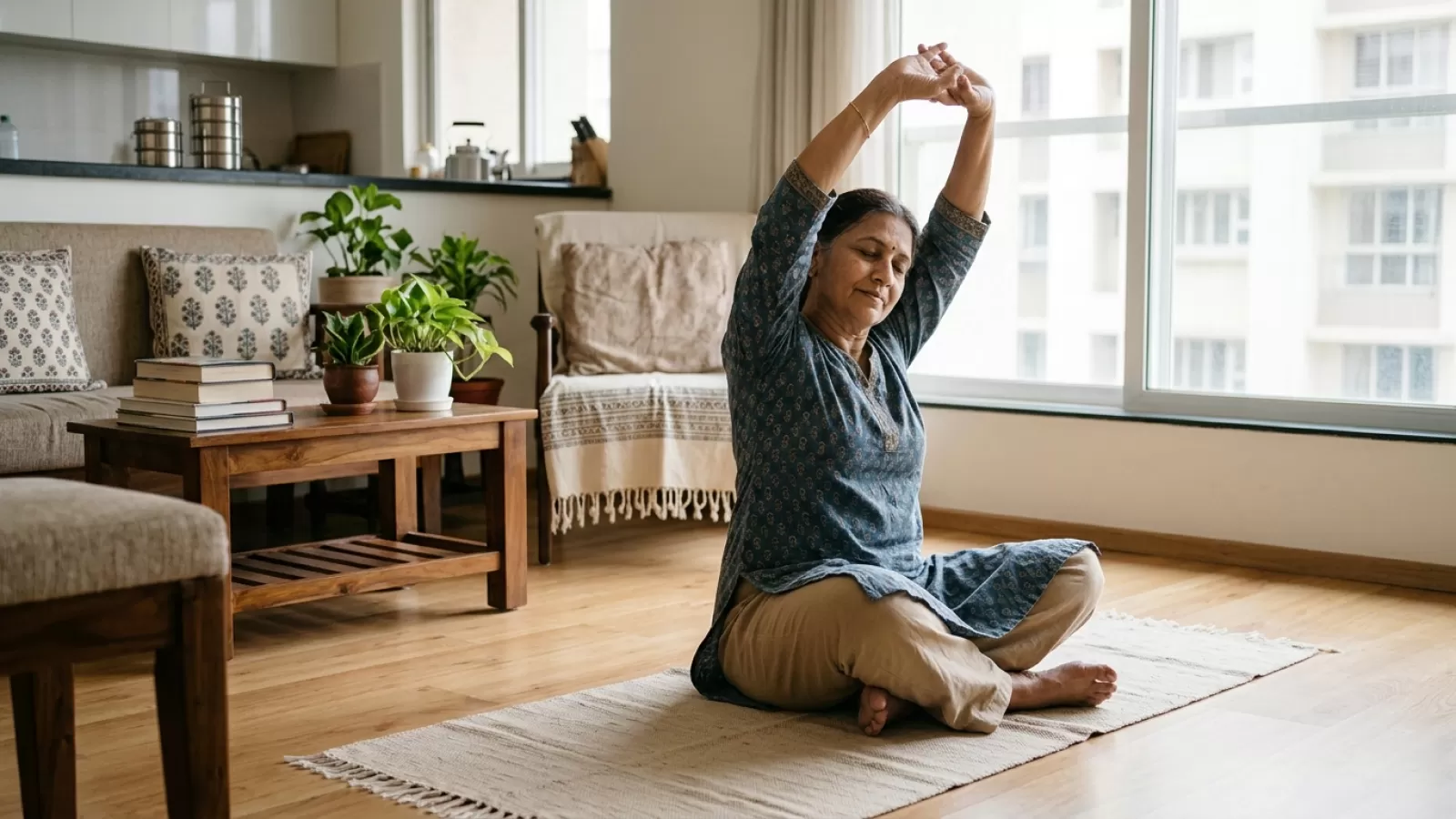
It’s late evening in most Indian homes, and the day’s pace has finally eased a bit. Maybe you’re folding that last pile of laundry or finishing up in the kitchen while the TV hums in the background. At this point, gentle mobility exercises before bed in India aren’t just a wellness trend—they’re becoming a quiet little ritual for anyone who’s spent the day managing work calls, meal prep, or just sitting for hours.
These days, a few minutes of slow, gentle movement before sleep often feels like a relief after the stop-start rhythm of Indian evenings. For many, this is the only time the body gets to unwind—when the house is quiet and you can actually hear your own breath. That’s when mobility routines before sleep in India do their real work: releasing tension and telling your mind it’s time to rest.
Why Pre-Bed Mobility Feels Different in Indian Homes
Long workdays, crowded commutes, and late-night household chores mean that physical tension builds up in ways unique to Indian families. Whether it’s the stiff neck from peering at a laptop on a dining table or the ache in your lower back after sweeping the floor, gentle mobility exercises before bed India style address the real knots you carry into the night.
In many homes, evenings are a jumble—kids’ homework, late dinners, and maybe a quick video call with relatives. It’s only after all this that you might remember your own body needs attention. Unlike fitness routines focused on intense movement, pre-sleep exercises for Indian adults are about slow, easy motions that soothe rather than stimulate. These movements are best when they’re simple: gentle neck rolls, slow shoulder circles, and light stretches you can do without leaving the comfort of your bed.
How Tension Builds Up Through a Typical Indian Day
There’s a reason so many adults feel tight across their shoulders, hips, and lower back by the time they reach bed. Most Indian homes are set up for efficiency, not ergonomics. Dining tables double as office spaces, sofas as study desks, and sometimes the only real movement in the day comes from running after children or carrying groceries up the stairs. Physiotherapists often find that the physical strain of Indian daily life is less about lifting heavy things and more about repetitive stress—like chopping veggies, stirring dal, or sitting in one position through a power cut.
The tricky part is, the nervous system doesn’t know the difference between work stress and physical tension. Both build up quietly, making it harder to relax when the day is done. That’s why a mobility routine before sleep in India can act as a gentle signal—telling your body and brain that the day’s intensity is over.
Everyday Clues Your Body Needs Gentle Mobility at Night
- Difficulty falling asleep after a busy day: Your mind feels tired but your body is restless, especially after a long evening in front of screens or in the kitchen.
- Persistent shoulder or neck tightness: Those small aches seem to settle in deeper by bedtime, thanks to hours spent at a desk, on the phone, or carrying children.
- Waking up stiff or sore: Even after seven hours of sleep, you wake up feeling like your back or hips need a good stretch—sometimes more than your morning chai.
- Feeling “wired” before bed: Instead of feeling sleepy, you notice your heart is still racing or your thoughts are jumping from one task to another.
- Regular late-night screen time: Scrolling your phone to relax, only to find it harder to switch off and actually rest.
For many, these signs creep up slowly. But once you start to notice them, it becomes clear that a few minutes of gentle mobility before bed can make a real difference.
Simple Mobility Steps You Can Start Tonight
- Neck rotations and shoulder circles while sitting on your bed: Just five minutes in the quiet after the lights go off can ease the tension that built up from looking down at screens or working in the kitchen.
- Slow spinal twists, either seated or lying down: This gentle movement can release tightness along your back—especially helpful if you’ve been sitting for hours at a stretch.
- Gentle hip openers: Try sitting cross-legged and slowly leaning forward, or lying on your back and bringing your knees to your chest. This can help after a day spent standing or walking on hard floors.
- Calf and ankle circles: These are useful if you’ve spent most of the day on your feet or walking around the house, wearing slippers or barefoot.
- Breath-focused stretches: Try lying on your back with your arms overhead, taking slow, deep breaths for a minute or two. This simple action can help quiet the nervous system and signal that it’s time to wind down.
You don’t need special equipment—just a quiet corner, a bed, or even a mat spread out on the floor. Some families in Indian cities have found that even ten minutes of bedtime gentle stretches in India can replace that urge to scroll through social media and actually help them fall asleep faster.
How Gentle Mobility Blends Into Indian Evening Routines
In many homes, the evening rush doesn’t truly end until the last tiffin box is washed or the school uniforms are laid out for the next day. For working parents, that quiet window after the children are asleep is often the only uninterrupted time available. Some use it for catching up on TV or calls. Others, though, have started slipping in a short, gentle mobility routine before sleep—sometimes with a partner, sometimes alone in the dim light of a bedroom.
A working professional commuting in Bengaluru might arrive home tired, eat dinner late, and find their body buzzing from the day’s stress. Instead of falling straight into bed, they might spend ten minutes with slow stretches on the bedroom floor—shoulder rolls, gentle spinal twists, and deep breathing. The difference is subtle at first: sleep comes a little faster, and waking up feels less stiff. Over time, this becomes a non-negotiable part of the night, like brushing teeth or setting the alarm.
Noticing When Gentle Movement Isn’t Enough
For most adults, gentle mobility exercises before bed India style are safe and effective for easing daily tension. But if you find that pain is sharp, persistent, or wakes you up at night, it’s wise to check in with a doctor or physiotherapist. The same goes if gentle stretching makes things worse, or if you have ongoing medical conditions like arthritis or recent injuries. Sometimes, the body needs more specific care than home routines can provide.
Common Questions
There’s always that bit of hesitation before starting something new, especially when evenings are already packed. If you’re wondering how to fit gentle mobility exercises before bed India style into your life or which stretches really matter, you’re not alone. Here are some questions that come up in many Indian homes as families try to sleep better and feel more rested.
What are the most effective gentle mobility exercises for Indian adults to do immediately before sleep?
In many homes, the simplest moves work best: neck rolls, shoulder circles, gentle spinal twists (seated or lying down), and slow hip openers like bringing knees to chest. Calf and ankle circles also help, especially after a day spent on your feet. These bedtime gentle stretches India style don’t require any equipment—just a few quiet minutes. You can do most of them sitting on your bed, which makes it easy to add to your routine, even when you’re tired at the end of a long day.
How does gentle physical movement before bed affect the speed of falling asleep and the quality of sleep?
Gentle mobility exercises before bed India style help relax tense muscles and signal to your body that the day’s stress is over. Many families notice that after five to fifteen minutes of slow stretching, it’s easier to fall asleep and stay asleep. The movements are calming—not energizing—so they help the mind slow down, too. You may notice fewer aches in the morning and a deeper, more restful sleep through the night.
Are there specific movements that are most beneficial for the specific patterns of physical tension that Indian adults accumulate across a typical day?
Yes, certain stretches target the common tension spots Indian adults face. Shoulder and neck circles work well for screen-related stiffness; gentle spinal twists and hip openers are helpful after long hours sitting cross-legged or standing. Calf and ankle stretches are good if you’re on your feet much of the day. These pre-sleep exercises Indian adults can do are simple but effective, and can be tailored to fit your own daily routine and where you feel tension the most.
How do you build a pre-bed gentle mobility practice into an Indian evening that ends late and starts early?
This is a real challenge in homes where evenings are busy with family, chores, and late dinners. The key is to keep your mobility routine before sleep India style short and simple—just five to ten minutes is enough. Some families set a regular reminder, like right after brushing teeth or as soon as the lights are dimmed. Others do it with a partner or child, making it a shared habit. The most important part is consistency, not perfection.
What is the most important distinction between the kind of pre-sleep movement that improves sleep and the kind that interferes with it?
The main difference is intensity and pace. Gentle, slow stretches and controlled movements calm the nervous system and prepare you for rest. Intense or fast-paced exercises—like jumping jacks or vigorous yoga—tend to wake you up instead. In Indian homes, sticking to slow, quiet movements before bed helps you relax, while avoiding anything that raises your heart rate or leaves you sweaty makes sleep come easier.