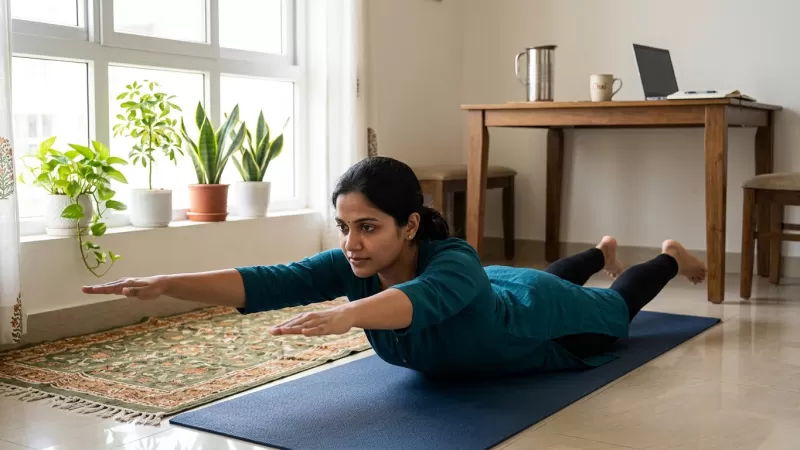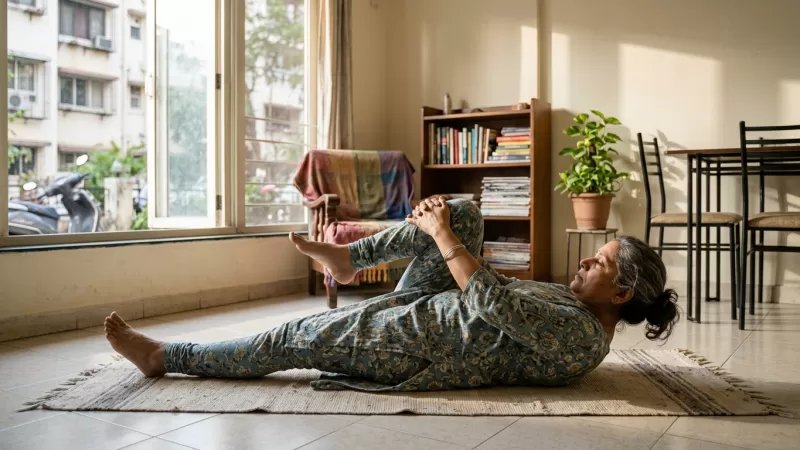
In many Indian homes, the pressure cooker whistle signals much more than dal getting ready. It’s a pause, a short window that often lines up with the small breaks sprinkled through daily routines. These little moments, hardly noticed, are becoming the most realistic place for a home workout without schedule India adults can actually stick to.
Instead of struggling to block time for formal exercise, more Indian adults are quietly finding that exercise blended into daily Indian life—leaning into natural movement habits—really does add up. Whether it’s stretching during chai time, squats while waiting for the washing machine to finish, or a few arm circles in the corridor, movement is starting to slip into the cracks between chores, work calls, and family demands.
Why Most Indian Adults Struggle With Scheduled Workouts at Home
A typical weekday in an Indian household rarely unfolds according to plan. Mornings are a rush of tiffin-packing, hurried breakfasts, and last-minute searches for keys or socks. Evenings, after long workdays, are for winding down, but the expectation to help with homework, handle bills, or listen to a family member’s day often pushes any idea of a formal workout to the bottom of the list.
Many who try the traditional approach—laying out a yoga mat at dawn, or penciling in a 30-minute YouTube workout—soon discover that someone else’s schedule doesn’t quite fit. Power cuts, a child’s unexpected fever, the neighbor’s bell, or just the heat and humidity of summer afternoons can throw everything off. In joint families or smaller flats, even carving out enough space or privacy is a challenge.
The tricky part is, the idea that you need a fixed slot or perfect setup can make moving your body feel like one more unachievable task. That said, every home—no matter how busy—has those small, repeated moments that are just waiting to become movement cues.
How Everyday Routines Crowd Out Exercise Plans
Life in India, especially for adults with family responsibilities, is packed with routines that don’t leave much breathing room. Meals, snacks, tea breaks, and even cleaning are woven into the day with a kind of rhythm that’s hard to disrupt. When you add unpredictable work calls, school WhatsApp notifications, or festival seasons, scheduling a workout without set time India-style feels nearly impossible.
Fitness coaches who train working adults often find that most movement in Indian homes comes from daily tasks, not planned exercise. Even the most committed adults find that their best intentions for a morning walk or evening workout get squeezed out by something more urgent—an early meeting, unexpected guests, or a leaking tap.
Here is the catch: the guilt of skipping exercise builds up, making it feel like a personal failure. But the reality is, Indian adults natural movement habits—walking to the sabziwala, climbing stairs when the lift is out, sweeping, or even playing with children—are already doing more good than we often give them credit for.
Everyday Signs That Scheduled Workouts Aren’t Working
- Repeatedly missing planned exercise sessions: The yoga mat stays rolled up, and the workout app notifications get swiped away more often than not.
- Feeling overwhelmed by the idea of a workout: The thought of fitting exercise into a packed day feels exhausting before you even start.
- Noticing that most movement happens during chores: You realize your step count is highest when cleaning, cooking, or running errands.
- Long gaps between activity: There are days where the only movement is from the sofa to the kitchen, especially during peak summer or monsoon when going outside feels like too much.
- Guilt about “not exercising properly”: You feel bad for missing your planned sessions, even though you’re physically tired from housework or office work.
Ways to Weave Movement Into Your Existing Routine
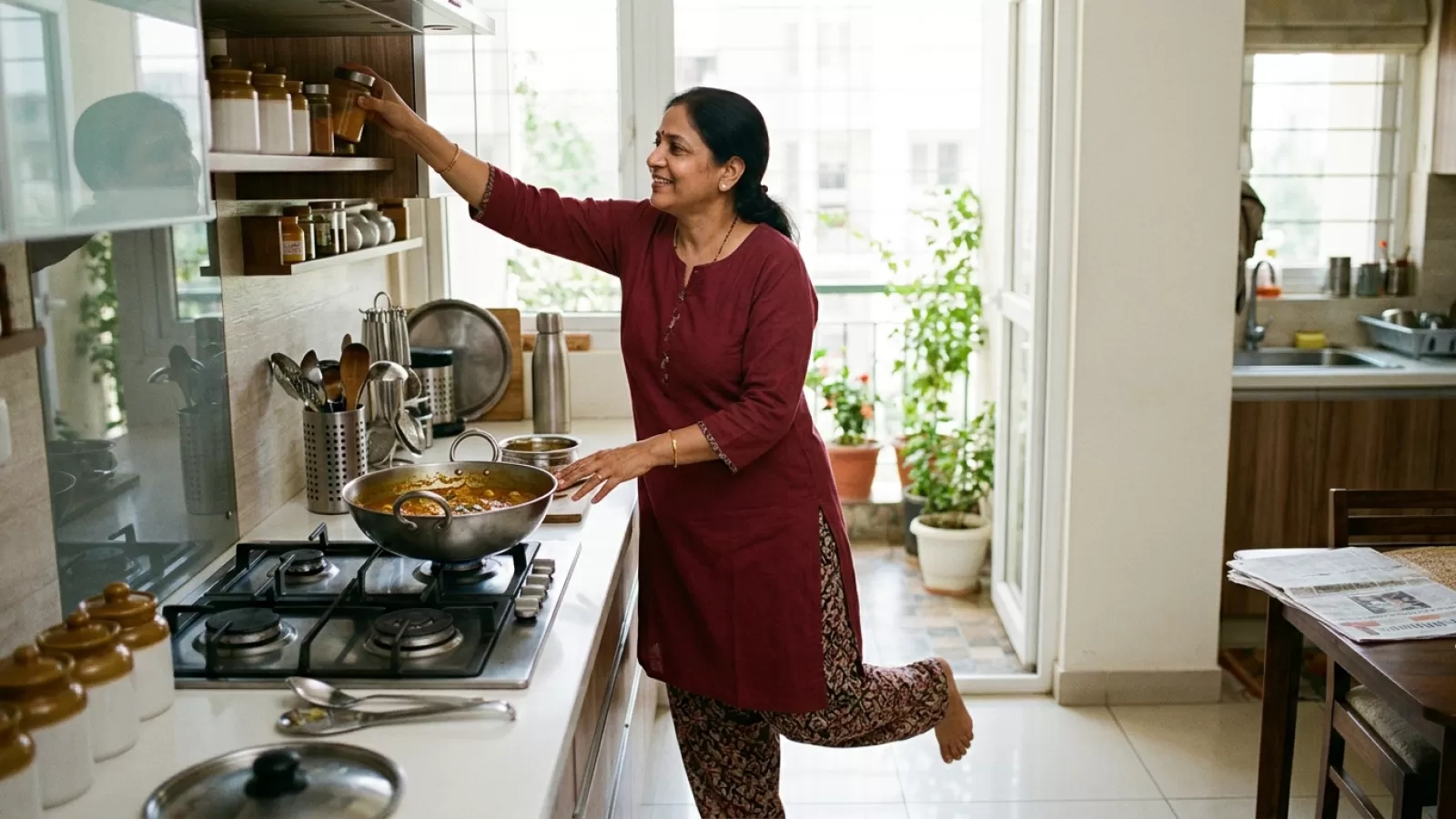
- Pressure cooker or kettle cues: Each time you set the pressure cooker or the tea kettle, do a set of wall push-ups or calf raises. These cues happen daily, so you never forget.
- Chai breaks as stretch time: While waiting for tea to brew, loosen up with gentle neck rolls, side stretches, or toe touches at the kitchen counter. It’s a private moment in a shared space.
- TV ad breaks for quick movement: During serials or cricket matches, use the ad breaks to stand, stretch, or walk a few rounds around your living room. A family in Ahmedabad made a game out of marching in place during every IPL ad break.
- After-meal strolls: A five-minute slow walk after lunch or dinner, even if it’s just inside the house, helps digestion and adds up over weeks.
- Household chores as exercise: Mopping, sweeping, and cleaning windows are already movement-rich. Try holding a squat while wiping the lower parts or balancing on tiptoes to reach high shelves.
You don’t need fancy equipment—just a willingness to spot those small, consistent cues. Over time, these new habits slip into your routine so naturally you hardly notice you’re exercising.
Everyday Cues for Movement in Indian Homes
In many urban flats, the sound of the washing machine finishing its cycle is a daily cue. Some adults use that two-minute window to do arm circles or gentle stretches. When the family sits down for evening chai, a quick march in place in the kitchen can become a habit. During humid summer afternoons, opening the windows and taking a few deep breaths with arm raises becomes both a stretch and a way to reset energy.
For those who spend hours at a WFH desk, standing up every time the phone rings or a new email lands is a surprisingly effective movement trigger. Many families have discovered that walking while talking on the phone, even if it’s just in the corridor, adds up over a week. And in households where the lift is often out, climbing stairs—even at a slow pace—becomes the day’s best workout without set time India can manage.
When Building Movement Habits Feels Too Hard
If you find that even these small changes feel overwhelming—perhaps due to pain, fatigue, or a medical condition—it’s wise to speak with your doctor. Sometimes, a gentle nudge or reassurance is all you need, but it’s better to check than to push through discomfort. And if you face any sudden or unusual pain, always pause and seek advice.
Common Questions
It can feel a bit strange to think of movement without a schedule, especially when most advice talks about routines and plans. In Indian homes, the reality is that movement often happens in small bursts, tied to what the day brings. Let’s look at some questions that come up for many adults trying to weave exercise into their everyday lives.
How do Indian adults build genuine exercise habits without being able to schedule a fixed workout time?
In most Indian homes, habits form around activities that already happen—like chai breaks, cooking, or TV time. Instead of adding something entirely new, adults attach movement to these reliable moments. Doing stretches while the pressure cooker is on, or calf raises while brushing teeth, makes exercise automatic. Over time, these actions become second nature, so you don’t have to remember or plan them. It’s about making movement part of what you already do, not something extra you need to schedule.
What are the most effective movement cues that exist in a typical Indian daily routine that could become exercise triggers?
Common cues in Indian routines include waiting for the pressure cooker, ad breaks during TV shows, standing in a queue at the lift, brewing tea, or even after meal clean-up. These moments happen every day, so tying a small movement—like a stretch, squat, or walk—to them works well. Many families find that after-dinner strolls inside the house or a few stretches before bedtime are easy to stick with because the cue is always there. The more regular the daily cue, the more likely the movement will stick.
Is activity accumulated throughout the day as beneficial as the same activity done in one block?
Yes, in many cases, research supports that movement spread through the day can be just as beneficial as doing it all at once, especially for general fitness and well-being. For Indian adults who can’t find a continuous block of time, these short bursts—attached to cooking, cleaning, or TV—add up. The key is to keep moving regularly. If you have health concerns or specific goals, check with a doctor, but for most people, this approach works and feels less overwhelming.
How do you track progress in an exercise approach that has no formal sessions or structure?
Progress can look different here. Many Indian adults notice they have more energy, better sleep, or less stiffness over time. Some keep a simple tally—like ticking off each time they do a stretch or take the stairs. You might use a phone step counter, but even noticing that daily chores feel easier is a sign. Small wins—like not feeling breathless on stairs or being able to squat lower—are good indicators. Listen to your body more than the numbers.
What are the most beneficial movement habits that Indian adults can attach to the daily activities they already reliably do?
Some of the best habits include stretching while waiting for tea, squats or side leg lifts during ad breaks or while supervising children’s homework, and calf raises at the kitchen counter. Walking during phone calls, taking the stairs when possible, and turning household chores into mini-workouts (like mopping or dusting with extra arm movement) also work well. The trick is to pick a cue that happens every day and attach one simple, enjoyable movement to it.