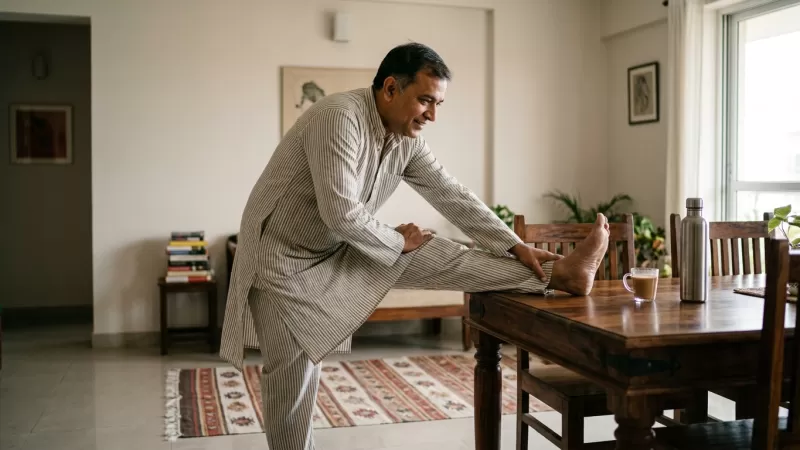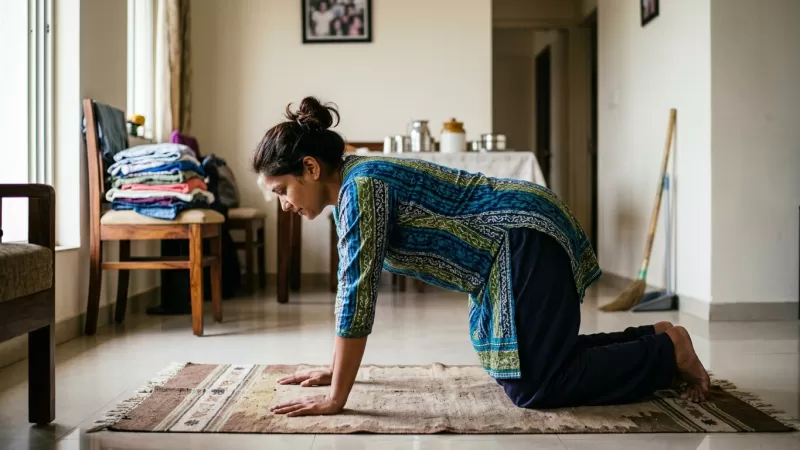
If you've ever ended a long video call and noticed your hips feel stiff, you're certainly not alone. These days, with remote work and back-to-back calls being so common, many people in Indian homes find themselves sitting for hours—sometimes on the sofa, sometimes at the dining table, or even cross-legged on the bed out of habit. The hips, unfortunately, take a lot of this strain. Let’s talk about why this happens and what gentle movements can actually help, even in the middle of a busy day.
Why Do Our Hips Get Stiff After Long Calls?
Sitting for long stretches, especially in a chair or on a bed, tends to keep our hip joints in one fixed position. Over time, this can make the muscles around the hips and lower back feel tight or achy. You might notice it when you get up to fetch a cup of chai or rush to the kitchen between meetings—the first few steps can feel awkward, almost as if your hips need a moment to wake up.
In many Indian homes, sitting cross-legged is common, but during office calls, most people switch to chairs for a more formal posture. Chairs, especially the hard or dining variety, don’t let your hips open up much. And if you’re not using a proper work desk, slouching makes things worse. Over the months, this routine often leads to a sense of tightness that creeps up quietly.
It’s not just about comfort. When hips lose their easy range of motion, it can affect your walk, your ability to sit on the floor during aarti or family gatherings, and even simple things like tying your shoelaces. So, it's worth paying attention, even if the discomfort is mild for now.
Listening to Your Body: Signs of Hip Stiffness
Most people don’t notice hip stiffness until it starts interfering with daily activities. You might experience:
- A heavy, dull feeling in the lower back or outer thighs after sitting for long periods
- Difficulty sitting cross-legged on the floor for more than a few minutes
- Feeling the need to stretch or shift positions often during calls
- Occasional clicking sounds or tightness when getting up after sitting
These signs usually creep in gradually. Many families quietly deal with this, mentioning it only now and then during conversations about body aches. If you’re noticing any of these, it’s a gentle nudge from your body to move a bit more.
That said, don’t worry if you’re not sure whether your hips are stiff or just tired. Most people can benefit from basic movement breaks, regardless of age or activity level.
Creating Small Movement Opportunities During Calls
It’s not always possible to stand up and stretch in the middle of a work call, especially if your camera is on or you’re sharing your screen. But there are small, almost invisible ways to loosen up your hips without drawing too much attention:
- Shift your weight from one side to the other in your chair every few minutes
- Gently roll your hips in small circles while seated—no one will notice on camera
- Uncross and recross your legs occasionally to avoid staying in one position
- If you’re on mute, stand up for a moment and march lightly in place
These little movements may not seem like much, but over the course of a day, they can prevent the worst of the stiffness.
The tricky part is remembering to do them. Some people set a quiet phone alarm every hour, while others use the end of each call as a reminder. Find what feels natural for your routine.
Simple Hip Mobility Exercises You Can Do at Home
When you do get a break between calls or after your workday, a few simple exercises can help your hips regain their comfort. No fancy equipment needed—just a mat or towel on the floor, or even a firm bed if the floor is too cold.
- Knee to Chest Hold: Lying on your back, gently hug one knee towards your chest, hold for 10-15 seconds, then switch sides. This eases the lower back and front of the hip.
- Seated Leg Openers: Sit tall on a chair, place your feet a little wider than your hips, and slowly let your knees drop outwards, then bring them back in. Repeat 8-10 times.
- Butterfly Stretch: Sit on the floor (or bed), bring the soles of your feet together, and let your knees gently drop to the sides. Hold your feet and sit upright for a few breaths.
- Standing Hip Circles: Stand, place hands on your hips, and make slow circles with your hips in both directions. Do this for 30 seconds each way.
If you have a few more minutes, you can try a gentle lunge stretch (rest one knee on the floor, step the other foot forward) to open up the front of your hips. Just move within your comfort and stop if anything feels sharp or painful.
Even a few repetitions can be surprisingly helpful.
What Works in a Typical Indian Home Environment?
Let’s be honest—not everyone has a dedicated office space or a yoga corner at home. In small flats or joint families, you might be working from the living room, with family members walking by, or with children playing nearby. It can feel awkward to do stretches in front of others.
Here’s the catch: you don’t need a perfect setup. Sitting on a folded bedsheet, using a wall for support, or doing a few moves while waiting for the cooker’s whistle—these all count. Many homemakers sneak in stretches during ad breaks while watching TV, or while waiting for the tea to boil.
If you’re shy about exercising in front of others, try gentle seated moves or do your stretches when the room is quiet. Over time, family members may even join in, turning it into a small, shared habit.
Making Hip Mobility Part of Your Daily Routine
Consistency is more important than intensity. In most Indian homes, a routine builds itself around everyday activities—morning tea, afternoon rest, evening walks. You can attach hip mobility exercises to something you already do, like after your morning prayers or before your evening shower.
Some people find it easier to do a few quick stretches before dinner, especially if dinner tends to be late. Others prefer a short routine after their last call of the day, as a way to mentally switch off from work.
Here are some easy ways to fit it in:
- 2-3 minutes of stretches after every meal
- Gentle hip circles while brushing your teeth
- Seated stretches while listening to news or family chats
It’s less about perfection and more about regular movement—whatever fits your rhythm.
Gentle Cautions: When to Pause or Seek Help
Most mild stiffness from sitting responds well to simple movement and stretching. But if you notice swelling, sharp pain, numbness, or if the discomfort doesn’t improve after a few days of gentle movement, it’s wise to take a break and consider talking to someone who knows about joint care.
Don’t force your body into any position that feels wrong. If you have any long-standing joint or bone conditions, or if you’ve had a recent injury, it’s always safer to be cautious and avoid new exercises until you’re sure it’s safe.
Your body usually lets you know when to stop—and it’s perfectly fine to rest if you’re unsure.
Staying Motivated When It Feels Like a Chore
Let’s face it—after a day of long calls, housework, or family duties, the last thing many people want to do is exercise. Fatigue, lack of space, or just plain forgetfulness can make it hard to keep up with new habits.
One thing that helps is treating mobility exercises less like a formal workout and more like a small act of self-care—like oiling your hair or taking a slow walk after dinner. No need for fancy clothes or a yoga mat. Just a few moments for your body to stretch out and breathe.
If you miss a day or two, don’t stress about it. Start again when you can. Over time, these small efforts add up, making it easier to move through your day—whether it’s climbing stairs, sitting on the floor during festivals, or just walking comfortably after a long call.
Sometimes, it’s these little habits that bring the most comfort in the long run.