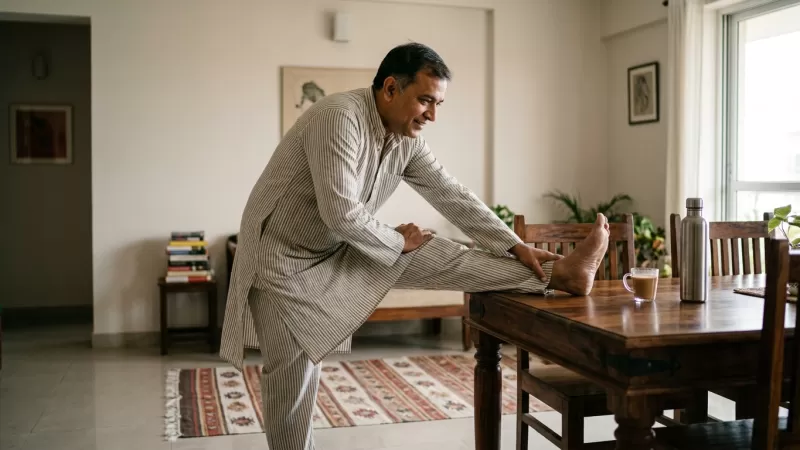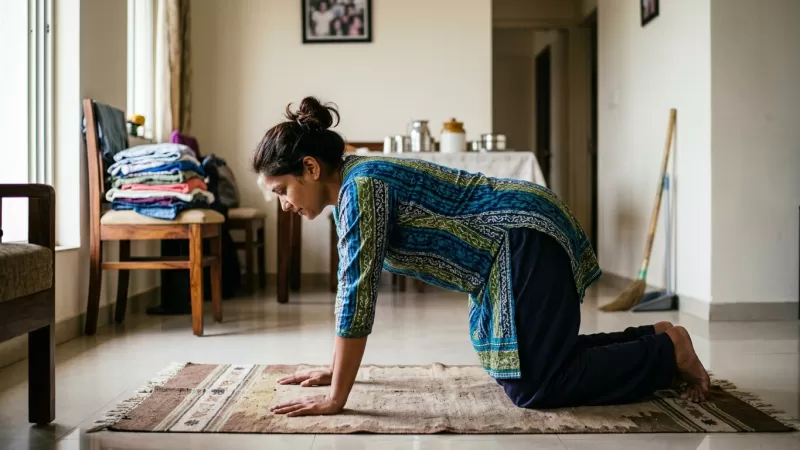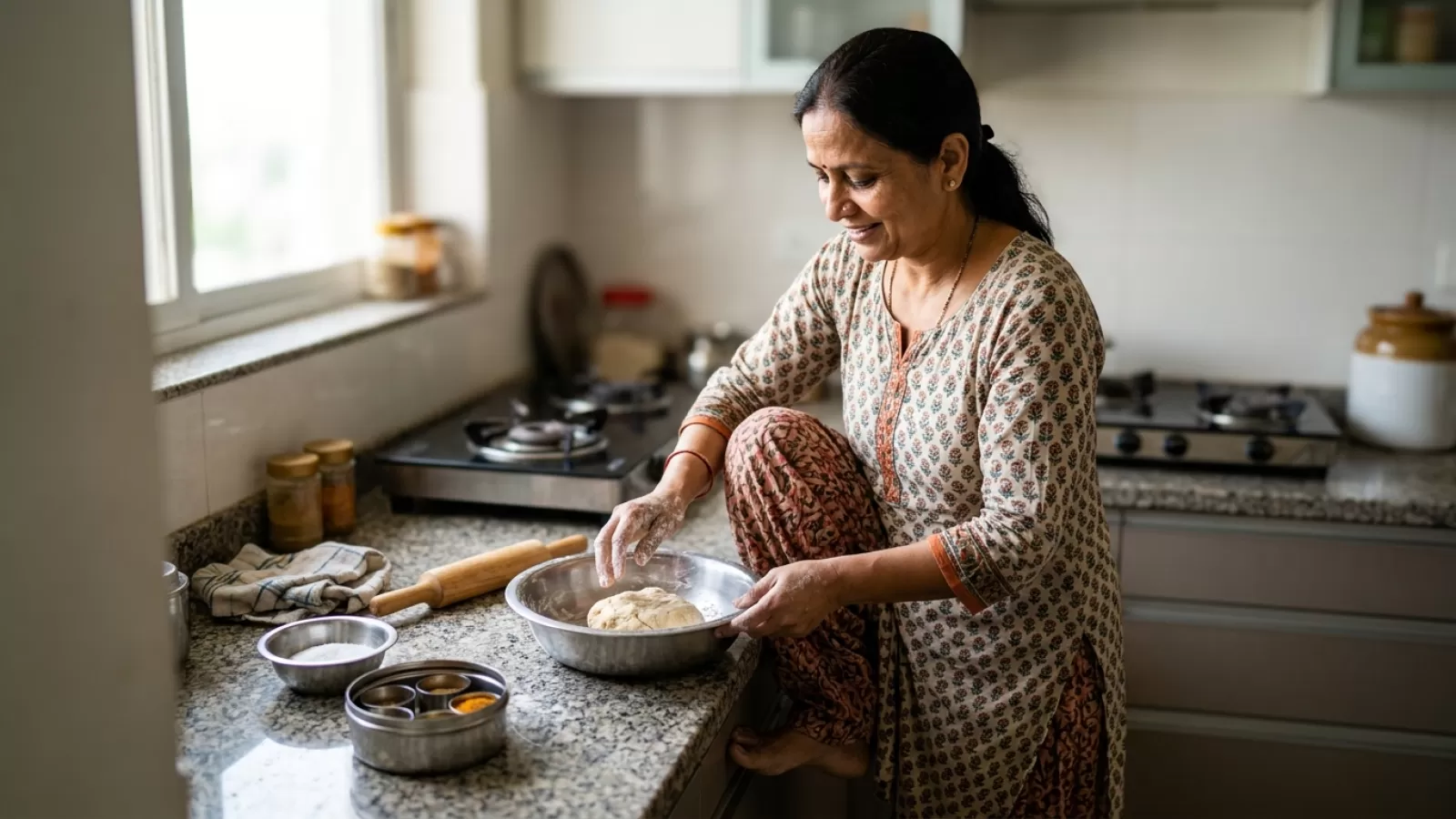
Let’s be honest—most people in India don’t actually look forward to regular workouts. Words like “cardio”, “HIIT”, or even “exercise routine” can put you off before you even begin, especially after a tiring workday or while juggling home responsibilities. For many, the idea of hitting the gym, following a strict yoga schedule, or doing endless repetitions just feels overwhelming, both physically and mentally. But here’s a gentle truth: you don’t have to force yourself into formal workouts to stay active and healthy.
Why Formal Exercise Isn’t for Everyone
In many Indian homes, fitness is often seen as something reserved for younger people or those with extra time and energy. Between office work, school runs, cooking, and household chores, who really has the patience for structured workouts each day? Many folks quietly deal with joint aches, fatigue, or just plain boredom from repetitive routines.
Sometimes, it’s not even about motivation—the body itself resists. Knees creak, backs protest, or you may simply feel too drained. And honestly, the pressure to “get fit” can add its own stress, making it easier to give up altogether. That’s why, for a lot of us, gentle, everyday movement feels far more approachable than a scheduled workout plan.
If you nod along to this, you’re not alone. Most Indian families don’t have space for expensive equipment or the luxury of time for daily classes. But there’s still a way to keep your body happy.
The Power of Gentle, Everyday Movement
Here’s the catch: your body needs movement, but it doesn’t have to come from heavy exercise. Gentle, non-demanding activities can still help your joints, muscles, and mood without leaving you breathless or sore. Think of it as quietly weaving more motion into your regular day, rather than carving out a separate, stressful “workout time.”
These softer movements are surprisingly effective. Over time, they can help you feel less stiff, support smoother digestion, and even improve your sleep. Plus, you’re far more likely to stick with something that doesn’t feel like a punishment.
The best part? You probably already do some of these things, even if you don’t call them “exercise.”
Simple Ways to Stay Active Without a Workout
Let’s look at a few movements that fit naturally into most Indian homes, whatever your routine or age:
- Slow house-cleaning: Sweeping, mopping, folding laundry, or arranging shelves gently stretches and moves your body. There’s no rush—move at a pace that feels comfortable for you.
- Stair walking: If you have stairs at home or in your building, use them when you can. Even a couple of trips up and down each day helps keep your legs active.
- Stretching while sitting: While watching TV or chatting with family, try gentle neck rolls, shoulder shrugs, or ankle rotations.
- Standing chores: Cutting vegetables while standing or ironing clothes gives your back and legs a mild workout without much thought.
These movements don’t need special clothes or equipment. They fit into the flow of your day, so you’re not carving out extra time or energy.
Gentle Indian Activities That Count
Many traditional Indian habits naturally keep you moving, even if they rarely get called “fitness.” For example, squatting low to clean floors or to fetch something from a lower shelf is actually a useful stretch for hips and knees.
Rangoli drawing during festivals, stringing flowers for puja, or tending to balcony plants all involve careful, repetitive motion that’s soothing and beneficial. Even walking barefoot on cool tiles or mud (when safe) quietly wakes up your leg muscles.
These activities are not only familiar—they’re also calming. If you’ve ever spent time with elders in the family, you’ll notice they rarely sit still for long stretches. There’s wisdom in their habit of gentle, constant motion.
How to Add More Movement to Your Day
It’s easy to say, “just move more,” but the tricky part is remembering to do it, especially when life gets busy. Here are a few practical ways to sneak in extra activity without feeling like you’re doing a workout:
- Set a reminder—not for exercise, but to stand up and walk around every hour or so. Even a stroll to the kitchen helps.
- Use phone calls as a chance to stand up, stretch, or pace around.
- While waiting for tea to boil or dal to cook, stretch your arms, circle your wrists, or roll your shoulders.
- Try gentle toe touches or wall push-ups while waiting for the lift or during TV ad breaks.
You don’t have to do all of these every day. Even one or two can make a difference.
Making Movement More Enjoyable
If you find gentle movement boring or forgettable, you’re not alone. Many people start with good intentions but lose interest after a week or two. The key is to pair movement with something enjoyable or meaningful.
Play music you love while doing chores or stretches. Invite a family member to join you—children, in particular, love copying simple moves. Or, if you’re a fan of TV serials, use the time to gently move your feet or twist at the waist during the show.
Some people enjoy tracking their steps with a simple pedometer or phone app, but this isn’t necessary. The real goal is to feel a little looser and lighter, not to hit a magic number.
Listening to Your Body—And Taking It Easy
One thing that often gets missed: your body is not a machine. Some days you’ll feel more energetic, other days you’ll barely want to move. That’s perfectly okay. The idea here isn’t to force yourself, but to gently invite more movement into your day whenever it feels right.
Watch for little signs—tightness in your back, stiff knees, or restlessness after sitting too long. These are your body’s way of nudging you to move, not to punish you for being “lazy.”
And if you’re ever in doubt, it’s fine to take it even easier. There’s no race. You know yourself better than anyone else.
When Family or Work Gets in the Way
Let’s face it, sometimes you simply can’t move around as much as you’d like. During festivals, exams, or busy work weeks, routines slip. The house is crowded, or you’re glued to the laptop for hours. It happens in almost every home.
On those days, don’t beat yourself up. If all you manage is a few stretches in bed before sleeping, that’s enough. Movement isn’t all or nothing—small, gentle efforts add up over time.
It also helps to talk openly with family about making space for gentle movement. For example, encourage everyone to join in a post-dinner stroll, or make a game out of stretching together before bed. In groups, things often feel lighter and more fun.
A Quiet Shift, Not a Big Change
Staying active doesn’t always mean sweating it out or pushing through discomfort. For many Indian families, gentle, everyday movement is more than enough to keep body and mind feeling a little better. The trick is to notice the opportunities you already have, and to make tiny adjustments rather than dramatic changes.
If you’ve always disliked workouts, that’s fine. What matters is finding small, regular ways to move your body that feel pleasant, not punishing. Over time, these little shifts can make daily life, chores, and even rest feel a bit easier.
And that, for most of us, is plenty.