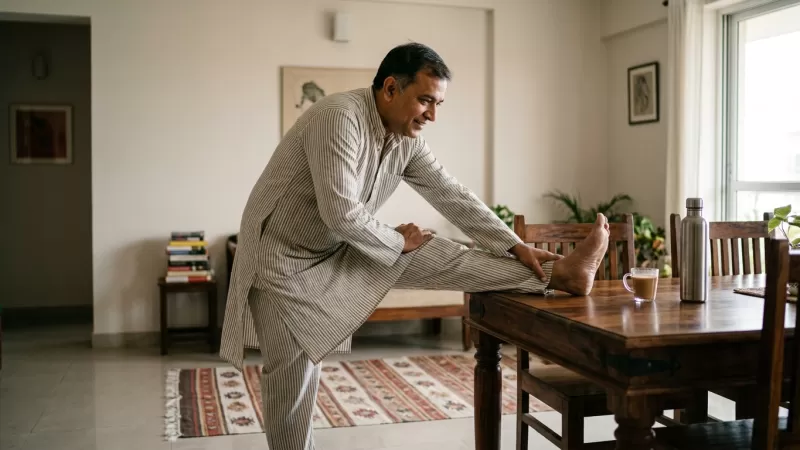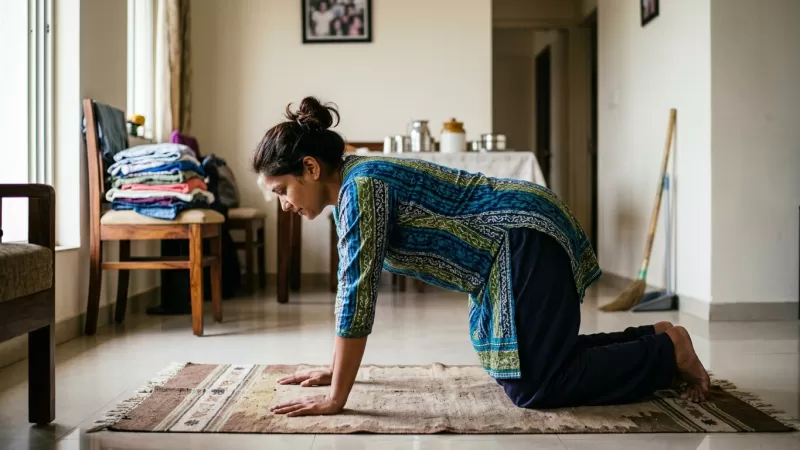
Most people don’t actually hate moving their bodies. What many of us dislike is the whole fuss that comes with “formal” exercise—the changing into special clothes, clearing a spot, turning on a video, and then feeling pressured to keep up. Especially after a long workday or during busy mornings, it feels like one more thing to tick off a never-ending list. For Indian families, where space is limited and time is always running, workouts can feel like a chore instead of a relief.
Why Formal Workouts Feel So Difficult at Home
Let’s be honest—many homes in India just aren’t designed for jumping jacks or pushups. The hall doubles as the living room, and the bedroom may not have more than a mattress and a cupboard. Add in a joint family, or even just kids and elders moving around, and you’ll see why “clearing space” can be a challenge.
It’s not just about physical space, either. Changing into exercise clothes, setting aside 30 minutes, and announcing, “I’m going to exercise now!” can feel awkward. There’s also a quiet resistance—maybe you’ve noticed this—where the idea of “exercise” brings back memories of school drills or those strict yoga teachers on TV.
That said, most of us do want to feel better, move a little more, and stay active without having to overhaul our entire routine. So, what if movement blended into your daily life, almost without you noticing?
The Power of Incidental Movement
Incidental movement is just a fancy way of saying “moving naturally as part of your day.” You’re probably already doing more than you think: carrying groceries up the stairs, sweeping the floor, or even stretching while reaching for that pickle jar high on the shelf.
These small actions add up, especially when you do them mindfully and with a bit more intention. The beauty is, you don’t need to carve out extra time or change your clothes. You can even do many of these movements in a saree, kurta, or pajamas.
Here’s the catch—these moves only really work if you remember to do them. It’s easy to fall back into patterns of sitting for hours, especially with long work-from-home calls or TV time. That’s why a little planning (just a little) goes a long way.
Movement Ideas That Fit Into Indian Home Routines
Let’s look at some practical, often-overlooked ways to get your body working during daily activities. Most don’t need special equipment. Some can even be done while talking on the phone or waiting for the cooker’s whistle.
- Cooking Stretches: While waiting for the tadka to sizzle, roll your shoulders, do gentle side bends, or stand on tiptoes for a few seconds.
- Squats While Brushing: Use the 2-3 minutes you spend brushing your teeth to do gentle squats or heel raises. Just be careful of slippery floors.
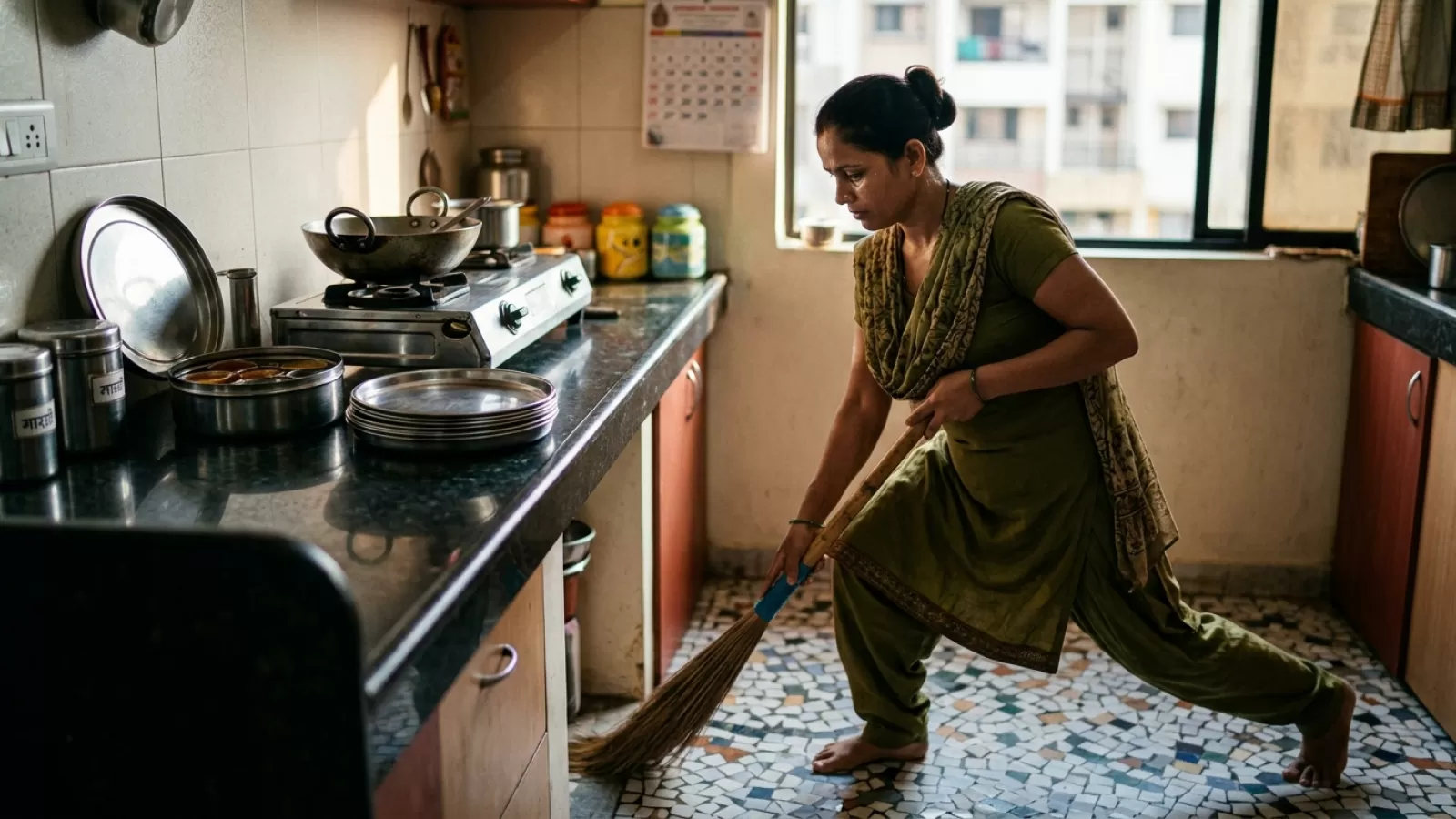
- Brooming with Purpose: Instead of bending from your back, squat down slightly and use your legs and thighs. It’s surprisingly effective for the lower body.
- TV Time Movement: During ad breaks or between episodes, stand up, do arm circles, or march in place for a minute or two.
- Stair Climbing: If you have stairs at home, take them slowly and mindfully, maybe do an extra round or two when you can.
These are simple, small changes. But over days and weeks, they start to matter.
The Humble Household Chore as Exercise
In many Indian homes, sweeping, mopping, and washing clothes by hand are already part of daily life. These chores use multiple muscle groups and can quietly keep you active—without any special effort.
You might have noticed that elders who keep busy with housework tend to move more easily, even in their seventies. There’s something to be said for the slow, steady effort of wringing out clothes, dusting shelves, or even chopping vegetables while standing.
Of course, not every chore is comfortable for every body. If your knees or back hurt, it’s okay to adjust—use a chair or take breaks. But as a rule, these movements are safe, familiar, and can be easily woven into your routine, especially if you’re not fond of formal workouts.
Here’s a little list of chores that quietly work as exercise:
- Hand-washing clothes (works your arms and shoulders)
- Mopping floors (great for thighs, balance, and arms)
- Washing dishes while standing (good for posture and feet)
- Carrying groceries or water cans (builds strength and stamina)
So, sometimes just doing things the old-fashioned way has its hidden benefits.
Making Movement a Family Habit
Movement tends to stick when it becomes a group effort, or at least when nobody is embarrassed to do it. In many families, one person’s effort inspires another, even if nobody talks about it openly. You might notice children copying elders, or spouses quietly competing to carry more bags upstairs.
If you have kids or teens at home, involve them in small movement breaks—maybe a silly dance while waiting for dinner, or competing to see who can balance on one foot longer. For elders, gentle stretches together in the morning or evening can become a comforting ritual.
It’s not about perfection. The idea is to create a home where moving is normal and easy, not something that demands a special performance. Over time, even these tiny shifts in family routine can make a real difference to how everyone feels.
Finding Your Own Movement Triggers
This is where things get personal. Every home has its own rhythm—some are busiest in the morning, others in the evening. The trick is to find moments that naturally remind you to move, without feeling forced.
Some people tie movement to daily events—like stretching after their morning chai, or walking around the house during phone calls. Others use reminders—maybe keeping a water bottle in another room, so they have to get up to fetch it.
If you’re unsure where to start, pick one daily habit and add a small movement to it. For example, after every meal, take a slow walk around the house, or do a few shoulder rolls before you sit down to watch TV. Once it feels natural, add another.
It’s okay to experiment. What works for your neighbour may not work for you, and that’s perfectly fine.
Dealing with Low Motivation and Fatigue
There will be days—especially in summer or after a stressful meeting—when even the thought of moving feels like too much. This is normal. Many families quietly deal with this; it’s not just you.
On these days, aim for the smallest possible action. Maybe stand and stretch your arms overhead, or do a gentle twist in your chair. Even a little movement can help you feel slightly better, and sometimes that’s enough.
It’s also okay to rest. The goal isn’t to be perfect every day, but to keep coming back to small, easy movements whenever you’re able. Over time, your body and mind may start to look forward to these gentle breaks, especially when there’s no pressure to “work out.”
Making Peace With Informal Exercise
Here’s something people rarely say: It’s absolutely fine if you never set foot in a gym or follow a YouTube workout. Movement is movement, whether it’s done in track pants or a salwar. If you find joy in a short walk around your building, or enjoy stretching while folding clothes, you’re already doing something good for yourself.
The main thing is to keep it simple and sustainable. No need for guilt if you miss a day or if your “workout” looks different from someone else’s. What matters more is consistency over time, and a sense of ease about it.
In the end, your body doesn’t know the difference between a formal exercise and a mindful stretch while making dal. It just knows that it’s moving, and that’s what counts.
When to Consider More Structured Movement
For some, informal movement is enough. But if you find yourself wanting a bit more—maybe you’d like to improve your stamina, manage stress, or simply enjoy a new activity—it’s okay to look for slightly more structured options. This could mean a short walk in the park, a gentle yoga class, or even a dance video in the privacy of your room.
There’s no rush. Many people only add these things after they’ve already felt some benefits from their daily movement. The important thing is to choose something you genuinely enjoy, not something you feel pressured to do because everyone else is doing it.
And if you’re happy with informal activity, that’s perfectly fine too. Your home is your gym, and your daily life is your workout. That’s a gentle truth worth remembering.