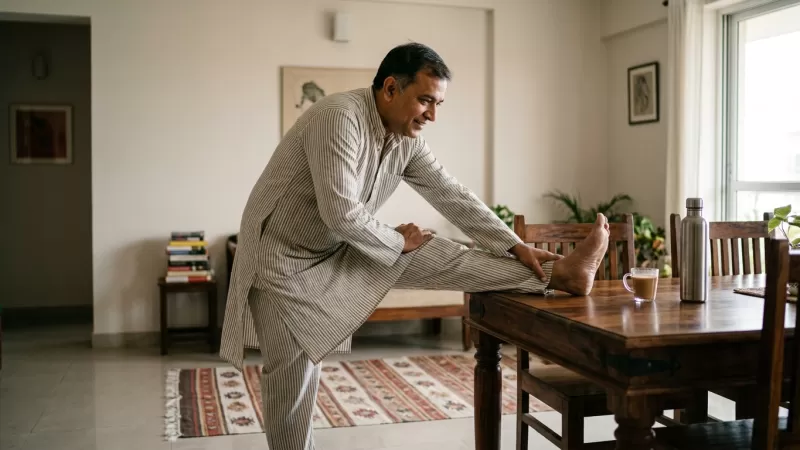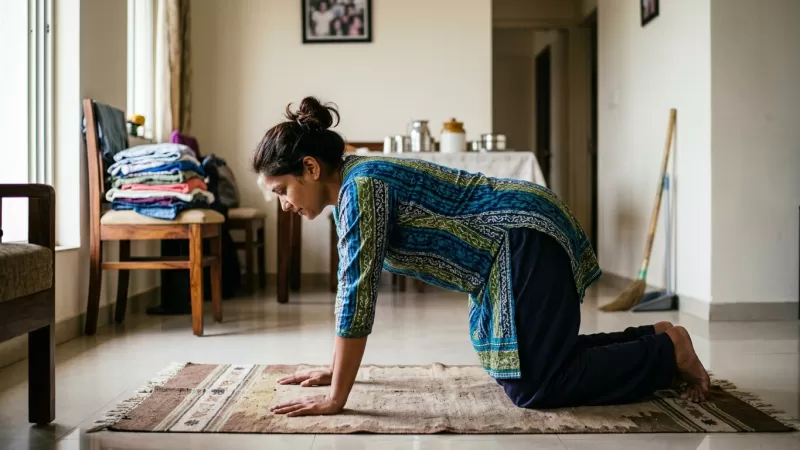
Some days, you wake up and your back feels a little tight, or your knees protest after sitting for too long. It's not exactly pain, just a mild stiffness that seems to sneak up during ordinary routines—maybe after chopping vegetables for a bit, or during a long meeting on the sofa. In many Indian homes, especially as we move past our thirties or spend more time indoors, this gentle stiffness becomes a quiet guest. The good news? A few simple strength exercises, done gently, can help your body feel steadier and more comfortable, without needing fancy equipment or a strict schedule.
Why Does Stiffness Settle In?
If you've noticed that getting up from the floor or climbing stairs feels less fluid these days, you're not alone. Our bodies often respond to less movement, long hours at a desk, or even changes in the weather—Delhi winters, for example, seem to make everything feel a bit creakier. It's also common in homes where the main activity is indoors, especially if daily chores are shared or lightened by gadgets and help.
This sort of mild stiffness isn't unusual; it tends to be a result of small habits adding up over time. Sitting cross-legged for long, not stretching after housework, or even staying in one favorite chair can affect how loose or tight our joints feel. The tricky part is, stiffness can make you want to move less, but gentle movement is often what helps most.
So, building a bit of strength—slowly and safely—can support your joints and make everyday actions smoother. It's less about having big muscles, and more about waking up those muscles that support your knees, hips, back, and shoulders.
Setting Up a Safe, Calm Space at Home
You don't need a gym or fancy mat. In fact, most people do these exercises in a living room corner, on a bedsheet, or even next to the kitchen counter. What's more important? Choosing a time when you won't be rushed or interrupted—a few minutes after morning tea, during a quiet afternoon, or before dinner, depending on your household's rhythm.
Here are a few things that might make it easier:
- Wear comfortable clothing—old track pants, kurta-pyjama, even a loose nightie can work.
- Keep a sturdy chair or wall nearby for balance.
- Try to avoid doing exercises right after eating a heavy meal.
- If you feel dizzy or unusually uncomfortable, it's always okay to pause and rest.
And don't worry if the room isn't perfectly quiet or if family members pass by. Many people find their own rhythm, even with a bit of background noise or household chatter.
Warm Up: Gentle Movements to Start
Before starting any exercises, it's helpful to "wake up" your body with some easy movements. This doesn't have to be a formal routine. Simple is best.
- Neck turns: Slowly look left and right, then up and down.
- Shoulder rolls: Lift your shoulders up towards your ears, then roll them back and down.
- Wrist and ankle circles: Rotate your hands and feet in slow circles.
- Marching on the spot: Just lift your knees gently, one at a time.
Even five minutes of these movements can make the next steps feel smoother. If you're doing this in the morning, you might notice your body feels a bit more awake afterwards.
Gentle Strength Exercises for Everyday Stiffness
These exercises are meant to be easy on the joints and don't require lying on the floor. Many people with mild stiffness prefer to start standing or sitting.
- Wall Push-Ups: Stand facing a wall, arms' length away. Place your palms flat against the wall, fingers pointing up. Keeping your body straight, bend your elbows and bring your chest closer to the wall, then gently push back. Repeat 8–10 times. This helps your shoulders, arms, and chest without stressing the joints.
- Chair Squats: Stand in front of a sturdy chair. Lower yourself slowly towards the seat as if you're about to sit, then stand back up before you fully sit down. Do this 8–10 times, keeping your knees in line with your feet. This supports your thighs and hips, which matter for walking and climbing stairs.
- Heel Raises: Stand holding the back of a chair for support. Slowly rise up onto your toes, then lower your heels back to the floor. Repeat 10–12 times. Good for your calves and ankles.
- Seated Leg Lifts: Sit tall in a chair. Straighten one leg out in front of you, hold for a second, then lower it down. Repeat 8–10 times on each side. This gently strengthens your thighs and helps knee comfort.
These aren't fancy moves, but done regularly, they wake up the muscles that help keep your joints steady. If you feel tired or a little wobbly, it's fine to start with fewer repetitions and build up slowly over days or weeks.
Making Exercises Fit Your Routine
One of the hardest parts is simply remembering to do these consistently. In busy homes, it's easy to forget or postpone. Some people tie it to daily habits—like after chai, or before switching on the TV in the evening. Others do a few reps while waiting for the pressure cooker to whistle.
Here are a few practical ways you might try to fit gentle strength work into your day:
- Pair an exercise with something you do daily (for example, wall push-ups before brushing your teeth at night).
- Set a gentle reminder on your phone, or ask a family member to join you so you both remember.
- Start with just one or two exercises. You don't have to do everything at once.
- Accept that some days will be missed, especially during festivals or when guests are over. That's normal.
The main thing is, gentle consistency matters more than perfection or long sessions.
Listening to Your Body: When to Pause or Adjust
It's common to wonder, "Is this normal?" or "Am I doing this right?" when you first start. Most mild soreness or gentle tiredness after exercise is expected, especially if you've been less active for a while. But sharp pain, dizziness, or any sense of real discomfort is a sign to stop and rest.
You've probably noticed that some days your body feels heavier or more sluggish—maybe after a bad night's sleep or during humid weather. It's okay to adjust accordingly. On tired days, just do a couple of easy movements, or skip altogether if you need to. This isn't a race.
And if you're ever unsure or dealing with a health condition, it's always best to check with a trusted doctor before starting any new exercise, even gentle ones. Safety first, always.
Supporting Joint Comfort with Home Habits
While gentle strength work can help, small daily habits also play a part in keeping your joints comfortable. Many families find that little things—like changing sitting positions every so often, or using a small stool to rest the feet—help reduce stiffness.
Some practical tips from homes across India:
- Try not to sit in the same spot all day. Even shifting from the sofa to a dining chair, or sitting on the bed for a while, can help.
- If you sit on the floor for pooja or meals, place a cushion or folded bedsheet under your knees or hips.
- Use the stairs gently, holding the railing if needed, and avoid sudden jumping or squatting.
- During summer, stay hydrated. Dehydration can sometimes make joints feel achier.
There's also something to be said for warming your joints with a hot water bag on chilly mornings, or soaking your feet in warm water after a long day. These simple comforts can make a difference, especially during winter months.
Food and Rest: Quiet Helpers for Stiffness
Many Indian meals are naturally supportive of joint comfort—dal, sabzi, and fresh roti, with a bit of haldi (turmeric) in the tadka, are all familiar. While no food can "cure" stiffness, a mix of fresh vegetables, some protein (dal, chana, paneer), and enough water tends to help the body recover and move better.
That said, fatigue can make stiffness feel worse. If you haven't slept well, or if stress has built up (as it often does during school exams or busy work weeks), your body may feel heavier and less eager to move. A short afternoon rest, or just lying down with your eyes closed for ten minutes, can sometimes help more than you'd expect.
And if you drink tea or coffee, try not to overdo it. Too much caffeine can sometimes leave people feeling jittery and less steady on their feet.
Staying Gentle With Yourself
It's easy to get discouraged if progress feels slow, or if you miss a few days. Many people quietly struggle with this, especially when comparing themselves to younger family members or friends who seem more active. Here's the thing: gentle strength exercises aren't about competition or "catching up." They're about helping your own body feel a bit more comfortable, one day at a time.
If you ever feel confused or unsure, it's always okay to choose rest over exercise. Sometimes, just stretching your arms overhead or taking a few deep breaths can be enough for today.
Remember, these small efforts add up. Over time, you might notice a bit more ease in your movements—getting up from a chair, carrying the shopping home, or even just climbing the stairs without that familiar tightness. It's not about perfection, but about feeling a little better in your everyday life.
And that's enough.