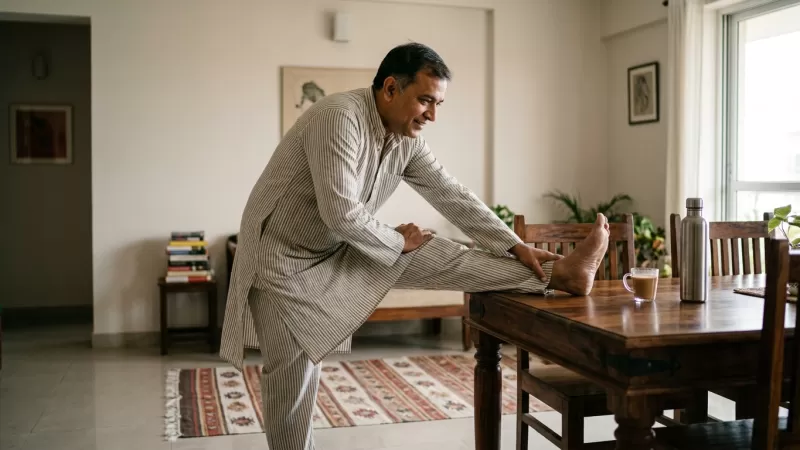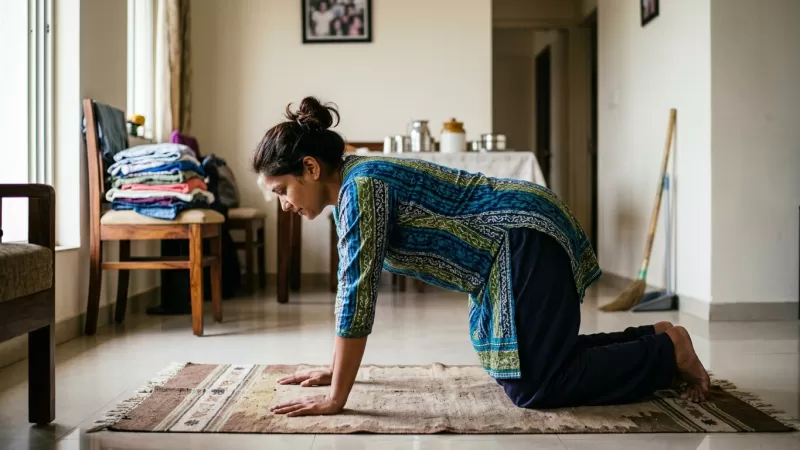
There are days when even tying your shoelaces feels like climbing a mountain. Maybe it’s after a run of late nights, a spell of illness, or just one of those weeks when your body feels heavier than usual. In many Indian households, especially with our busy routines and responsibilities, low energy pops up more often than we’d like to admit. Yet, you might still want to keep your body moving, both for your physical health and your peace of mind. Gentle strength exercises can be a quiet support on these days—helping you maintain stability and strength without demanding too much.
Why Gentle Strength Matters (Especially When You’re Tired)
When your energy is low, it’s tempting to skip all movement and just rest. That’s sometimes necessary. But often, a few gentle strength exercises can actually help you feel steadier—physically and emotionally. These low-strain movements support your muscles, joints, and balance, making daily chores like bending to pick up a bag of rice or standing in the kitchen a bit easier.
Most of us aren’t looking to build big muscles or run marathons; we just want to feel steady enough to get through our day without aches, stumbles, or exhaustion. Gentle strength routines can fit quietly into your routine, whether you’re in your 30s juggling office work, or in your 60s managing a busy home.
And here’s something many don’t mention: gentle doesn’t mean useless. Moving a little, in a safe way, is almost always better than not moving at all.
Listening to Your Body First
Before you start any exercise, especially when you’re not feeling your strongest, it helps to pause and check in with yourself. Are you feeling muscle soreness, sharp pain, or just that lazy, heavy feeling? There’s a world of difference between genuine fatigue and something more serious. On days when you feel truly unwell (fever, injury, or dizziness), it’s best to give yourself full rest.
But if it’s the usual tiredness that comes after a long week, or maybe the afternoon slump after a heavy lunch of dal-chawal, gentle exercises can be a soft nudge to keep your body moving. The aim isn’t to push through pain or exhaustion, but to move in a way that feels supportive.
Some people find it helpful to do a quick self-check: stand up, stretch your arms overhead, and notice how your body responds. If that feels okay, you can try a few more movements. If not, resting for a while is perfectly fine.
Simple Strengthening Moves for Low-Energy Days
Not every exercise needs fancy equipment or a gym membership. In fact, many gentle strength exercises can be done on a mat, a sturdy chair, or even standing near your kitchen counter. The idea is to use your body weight and slow, controlled movements.
- Seated Leg Lifts: Sit on a sturdy chair, straighten one leg, hold for a few seconds, and lower it. Switch sides. This helps your thighs and knees.
- Wall Push-Ups: Stand facing a wall, place your palms on it, and do slow push-ups. It’s much gentler than floor push-ups but still works your arms and chest.
- Supported Squats: Hold onto a kitchen counter for balance and gently bend your knees as if sitting back, then rise. Only go as far as comfortable.
- Shoulder Rolls and Arm Circles: Simple but effective for keeping your shoulders mobile, especially if you spend time cutting vegetables or working at a desk.
Even just 5–10 minutes can make a difference. It’s not about how many repetitions, but about waking up your muscles gently.
How to Make Gentle Exercise a Habit
The tricky part is sticking to these exercises when you’re already feeling tired. Many families quietly deal with this—everyone knows movement is good, but after a long workday or while managing children, it’s easy to put off.
Here are a few ideas that often help:
- Attach a gentle exercise to an existing routine, like right after chai in the afternoon or before your evening bath.
- Invite a family member to join you. Even five minutes together can make it more enjoyable and less of a chore.
- Keep your expectations low—doing a few movements is still progress.
After a few weeks, you’ll probably notice that these brief routines start feeling natural, like brushing your teeth or folding laundry.
Staying Safe While Keeping It Gentle
Safety is especially important when your energy is low. Avoid exercises that require sudden movements or balancing on one leg if you’re feeling unsteady—no one wants a silly injury from trying too hard.
It’s also worth remembering that everyone’s body is a little different. What feels easy for one person can be challenging for another. If an exercise feels wrong, skip it. There’s no need to force yourself.
Some general tips that usually work well:
- Keep a bottle of water nearby, especially on hot summer days.
- Avoid exercising right after a heavy meal.
- If you feel dizzy or breathless, stop and rest immediately.
Gentle means gentle. If you’re ever in doubt, it’s better to rest and try again another day.
Making the Most of Indian Home Spaces
Most Indian homes aren’t designed like gyms, but you can still find small spaces to move. Many people do gentle exercises in the bedroom, living room, or even the kitchen (while waiting for the cooker whistle!).
Some families move furniture a little to make space, while others just stand near a wall or door for support. The point is—you don’t need a special environment. Your home, as it is, is good enough.
You might have noticed that traditional Indian chores—like sweeping, kneading atta, or carrying groceries—involve a fair bit of strength and balance. Gentle exercises can support these everyday movements, making them less tiring over time.
Adapting Movements for Different Seasons and Ages
During the heavy, humid days of monsoon or the burning afternoons of May, your body’s energy naturally dips. It’s normal to feel less enthusiastic about exercise in these seasons. On such days, keep routines even shorter or pick the coolest time of day—early morning or late evening.
For seniors, or anyone with tender joints, choose exercises with extra support. Sitting on a chair or holding onto a table can keep things safe. And remember, sometimes a gentle stretch is all you need.
Children and younger adults can also join in with their own version of gentle moves. It’s nice to see everyone in the family moving together, even if just for five minutes.
When to Rest and When to Move
Finally, it’s okay to admit that some days are meant for rest. If you’re unwell, extremely fatigued, or simply not in the mood, skipping exercise isn’t failing—it’s listening to your body.
Other days, you might surprise yourself. Starting with a gentle stretch can sometimes wake up your energy, and you end up doing a little more than planned. That said, there’s no need to push. Gentle strength routines are about feeling steady, not proving anything to anyone.
Most importantly—be kind to yourself. Life gets busy, bodies get tired, and routines slip. That’s normal, especially in our homes, where so much depends on us. Small, gentle movements done regularly are often enough to keep you feeling grounded and steady, no matter how busy or slow the day feels.