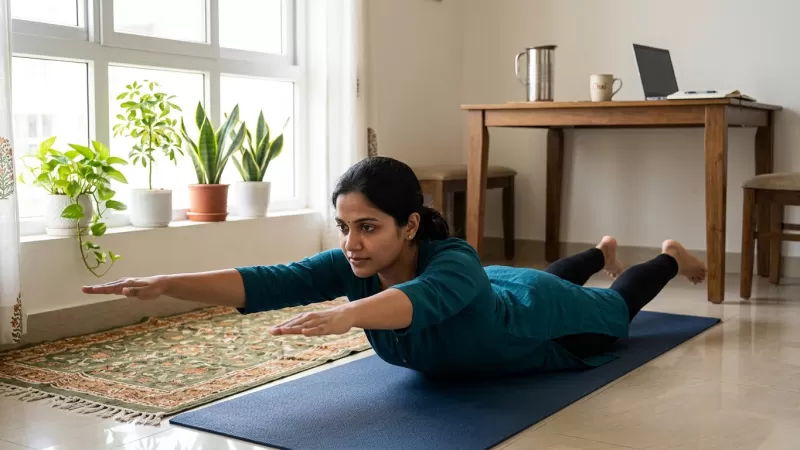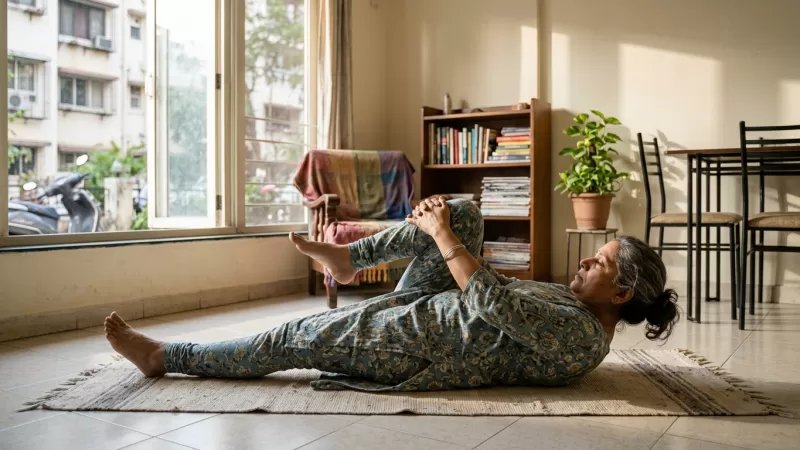
In many Indian homes, you’ll notice that the pace of life for seniors slows down over the years, especially after retirement or as joint pain becomes a regular visitor. When the days are spent mostly sitting — perhaps reading the newspaper on the balcony, watching TV, or doing light household chores — it’s common for the legs to feel heavy, ankles to swell by evening, or hands and feet to feel unusually cold, especially in winter. Gentle daily movement becomes more than just exercise; it’s a way to keep the blood flowing and break the cycle of slowing down. These small circulation exercises Indian seniors can do at home often make daily life lighter, both in body and spirit.
That said, the tricky part is getting started, especially if you worry that movement might make joint pain worse, or if you feel self-conscious exercising in front of family. The good news is, these gentle movements don’t require fancy equipment or a trip to the park — most can be done sitting on a sturdy chair, or even on the bed, with the morning sun streaming in. Over time, you may notice that these simple routines not only improve blood flow but also bring back a little more comfort and confidence in the day.
Why Reduced Movement Often Leads to Poor Circulation in Indian Homes
In middle-class Indian families, it’s common to see seniors gradually shifting to a more sedentary routine. This is not always by choice. Joint aches, fatigue, or even a fear of falling often make people sit for longer stretches — maybe after a brisk phase of life spent raising children, running a home, or commuting long distances for work. As the body moves less, the blood doesn’t circulate as well, especially to the hands, feet, and lower legs.
In many households, you’ll notice that the elderly member who once walked to the sabzi mandi daily now prefers to rest at home, often parked in the same chair for hours. This reduction in movement can quietly set off a cycle: sitting leads to swelling or cold extremities, which makes moving feel more difficult, so the person rests even more. Circulation exercises Indian seniors at home can do are often the simplest way to interrupt this pattern before it becomes a bigger problem.
In winter, this is especially noticeable. Many seniors find their hands and feet cold well into the morning, only warming up after some gentle movement or a warm cup of chai. It’s not just about comfort — improved blood flow brings more oxygen and nutrients to the body’s tissues, which helps with healing, energy, and even mood.
What Causes Circulation to Decline with Less Movement
Several small things come together when circulation starts to slow down in seniors. The most obvious is reduced muscle use — our muscles help pump blood back toward the heart, especially from the legs. When you sit for long periods, the calf muscles that usually help squeeze blood upwards barely get used. In India, where joint pain from arthritis or old injuries is common, many elders avoid movement to "protect" their knees or hips — but this actually makes circulation worse.
Physiotherapists who work with Indian seniors often find that the drop in daily movement is not just about age, but about routines. That is, the shift from active to sedentary often happens gradually after retirement, a family event, or a spell of illness. Add to this high summer humidity or long power cuts that make movement uncomfortable, and the pattern settles in.
Another reason is that seniors may fear falling, especially if they’ve had a slip in the bathroom or on wet floors during the monsoon. Family members, out of concern, sometimes encourage more sitting and resting, which, ironically, can make the legs and feet swell more. Gentle movement blood flow elderly India style — like seated ankle circles or toe taps — is often missed, even though these tiny motions can have a big impact over time.
Clues That Circulation Is Not Working Well for Seniors
- Swelling in feet and ankles by evening: This is one of the most common signs seen in Indian homes. The legs may feel tight in slippers or sandals, and socks might leave deep marks.
- Cold hands and feet, especially in winter: Even if the rest of the house is comfortable, seniors may complain of chilly extremities all day, sometimes needing extra socks or a shawl.
- Tingling, numbness, or "pins and needles": Especially after sitting for a long time or after a nap, these odd sensations are a signal that blood flow is lagging.
- Leg cramps at night: These can wake a person up or make it hard to fall asleep. Often, a little gentle movement before bed helps.
- Fatigue and heaviness in the legs: Some seniors say their legs feel "wooden" or "stiff" after sitting, making it hard to get up and move around.
Gentle Ways to Encourage Better Circulation Without Strain
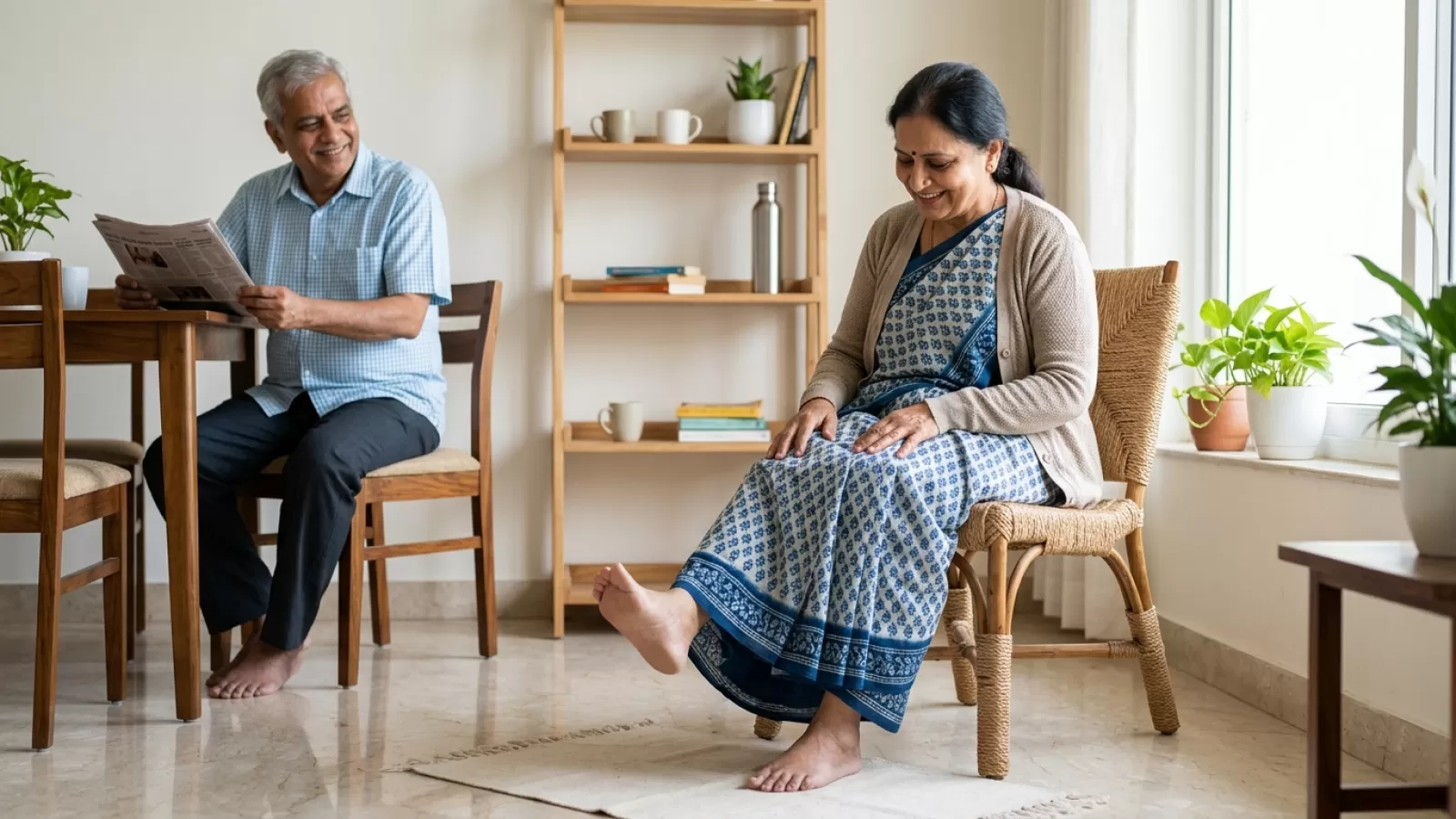
- Seated ankle circles and calf raises: On a sturdy chair, rotating the ankles and lifting the heels can be done while reading the morning paper or chatting with family. Even five minutes in the morning and evening can help reduce swelling.
- Toe taps and heel taps: While sitting, tapping the toes up and down or pressing the heels into the ground wakes up the leg muscles without needing to stand.
- Gentle hand and wrist movements: Circling the wrists, spreading and closing the fingers, or lightly squeezing a soft ball can help when hands tend to feel cold. Many seniors keep a small stress ball or even a rolled-up pair of socks handy for this.
- Marching in place, supported by a chair or wall: For those who feel steady, gentle marching (even at the kitchen counter) encourages blood flow and keeps the hips working.
- Short, frequent movement breaks: Instead of sitting for an hour straight, standing up or moving a little every 20–30 minutes makes a big difference. Setting reminders or linking movement to daily routines (like after finishing a cup of chai) can help build this habit.
In many families, these gentle movement blood flow elderly India tips are quietly woven into the day — not as a big event, but as little actions between chores, prayers, or TV shows.
Everyday Patterns: How Gentle Movement Shows Up in Indian Homes
A kitchen in Nagpur at 6am: the smell of fresh ginger chai mixes with the coolness of tiled floors. An elderly person sits at the table, slippers off, slowly circling their ankles while waiting for the milk to boil. Outside, the sun peeks through the window grill. These few minutes, repeated every morning and evening, are not called "exercise" — just a quiet, familiar ritual. But by the end of the week, the swelling in the ankles is noticeably less, and the urge to stay sitting all day has eased.
In many joint families, you’ll see seniors doing toe taps while watching the evening news, or rolling their shoulders between rounds of Antakshari. The movements are small, almost invisible, but over time, they add up. Gentle movement blood flow elderly India routines like these are what keep circulation going strong, especially when it’s too hot or wet to go outside.
During winter in North India, some seniors bundle up in shawls and sit near the heater, but still make time for simple hand and wrist exercises. In apartments where space is tight, sitting on the edge of the bed for a few minutes of ankle circles before breakfast becomes a quiet act of self-care.
Knowing When It’s Time to Ask for Extra Help
If swelling, coldness, or numbness in the limbs doesn’t improve with gentle movement — or suddenly gets worse — it’s wise to mention it to a doctor, especially if there’s pain or skin changes. Seniors with heart conditions or severe diabetes may need personalised advice about which senior exercises for circulation India style are safest. Most home exercises improve circulation elderly Indian adults experience, but sometimes more support is needed to rule out medical causes.
Common Questions
Many families have similar worries and wonder about the best way to keep seniors active, especially when space, health, or confidence are limited. These questions come up around kitchen tables, during phone calls with relatives, or quietly while watching a loved one nap. Let’s look at some practical answers that fit the rhythms of Indian homes.
What are the most effective gentle circulation exercises for Indian seniors at home?
The most effective circulation exercises Indian seniors at home can try are often the simplest. Seated ankle circles, calf raises, toe taps, and gentle wrist rotations are easy to do while sitting in a chair or on the bed. In many Indian homes, these are done during daily routines — after morning chai, while waiting for dal to cook, or during family TV time. Short walks inside the house, or even gentle marching in place holding onto a chair, help too. The key is consistency, not intensity.
How does reduced physical activity specifically affect circulation in Indian elderly adults and what are the signs of declining circulation?
When an Indian senior spends long hours sitting — whether chatting with family, watching TV, or reading — muscles in the legs and feet aren’t used much, so blood doesn’t flow as strongly. Over time, this can cause swelling in the feet and ankles, cold hands and feet, and sometimes tingling or cramps. It’s common for family members to notice that slippers feel tighter by evening or that a senior keeps rubbing their legs to ease discomfort. Gentle movement blood flow elderly India routines can help reverse these signs.
Can gentle home exercises genuinely improve circulation in Indian seniors with heart conditions or should movement be medically supervised?
In most cases, gentle home exercises improve circulation elderly Indian adults, even those with stable heart conditions. Simple movements like ankle circles, toe taps, or slow walking are generally safe and helpful. That said, if a senior has recently had a heart procedure, severe chest pain, or gets breathless with mild movement, it’s best to check with a doctor before starting new routines. Many Indian families find that a quick call to the doctor gives peace of mind and helps tailor activities to a person’s comfort level.
Which circulation exercises are most specifically appropriate for the ankle and leg swelling that Indian seniors most commonly experience?
For ankle and leg swelling, the most helpful senior exercises for circulation India style are ankle circles, calf raises, and toe taps — all can be done sitting on a chair or bed. Some families find that doing these in the morning and evening, especially after a spell of sitting, makes a noticeable difference in swelling within a week. Gentle elevation of the legs (propping feet on a low stool) also helps. Regular, gentle movement is more effective than occasional long walks.
When does poor circulation in an Indian senior indicate a medical condition that requires more than home exercises?
If swelling, coldness, or numbness gets worse quickly, or if the skin changes color or becomes painful, it’s time to consult a doctor. In Indian homes, some families notice these signs after a fever, sudden weight gain, or change in medicines. Home exercises improve circulation elderly Indian adults in most cases, but medical issues like severe diabetes, heart failure, or blood clots need professional care. When in doubt, a check-up brings clarity and reassurance.