After a long, busy day—whether you’ve run around after children, managed household chores, or finished late office calls—your body often feels the weight of it all. In many Indian homes, by the time night arrives, most people are tempted to sink straight into bed, sometimes skipping even a few minutes of gentle winding down. But here’s the thing: a small set of slow, simple movements can make a quiet difference, especially when aches, stiffness, or restlessness tend to trouble your nights.
Why Mobility Before Bed Matters
In our daily routines, especially as we get older or spend long hours sitting (at a desk, in front of the TV, or even on the floor with kids), our muscles and joints can become stiff. This isn’t always obvious until you try to stretch or shift in bed and feel a twinge. Gentle mobility exercises—think of them as light, careful movements—can help your body relax gradually. They aren’t meant to tire you out or make you sweat. The idea is to prepare your body for rest, not a marathon.
Mobility work is different from intense exercise. It’s slow, often done lying or sitting, and doesn’t raise your heart rate. For many people, especially seniors or those recovering from small injuries, this gentler approach feels safer and less intimidating. And honestly, it’s more likely you’ll stick with something that feels pleasant rather than punishing.
A good nighttime routine doesn’t need to be complicated. Just a handful of movements, done with awareness and a bit of patience, can ease tension and signal to your mind that it’s time to slow down.
What Are Gentle Mobility Exercises?
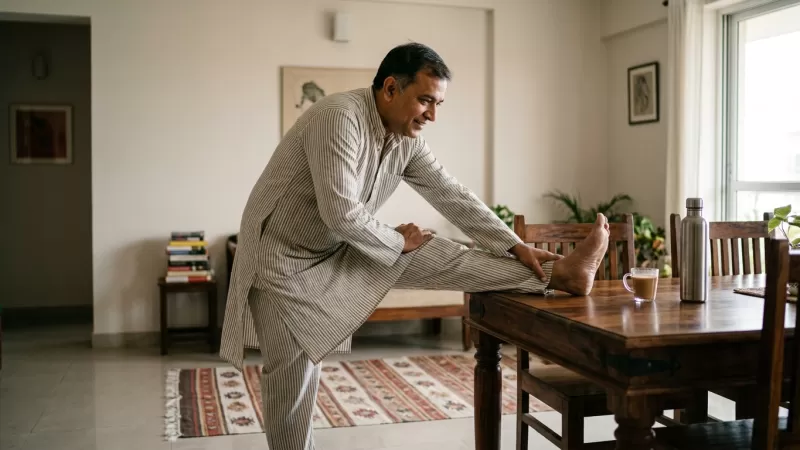
When you hear “mobility exercises,” you might picture fancy yoga poses or gym routines. But in reality, these are just simple movements that take your joints through a comfortable range of motion: gentle neck turns, slow ankle circles, or soft stretches for the back and shoulders.
In many families, you’ll notice older adults quietly doing these sorts of things—rotating their wrists, stretching their arms overhead, or flexing their toes—before lying down. These small habits, often picked up over the years, help maintain flexibility and reduce nighttime discomfort.
Some examples of gentle mobility movements before bed include:
- Neck rolls (slow half-circles, not forcing anything)
- Shoulder shrugs and gentle circles
- Wrist and ankle rotations
- Knee-to-chest hugs (lying on your back)
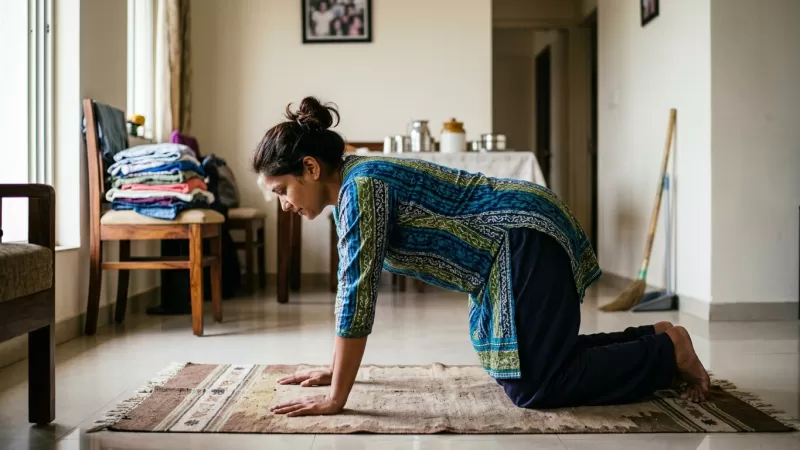
- Cat-cow stretches (arching and rounding the back, done slowly)
- Gentle seated forward bends (no forcing, just letting the spine relax)
Nothing fancy, nothing painful—just a way to nudge your body into a more restful state.
How Mobility Helps with Relaxation
One thing many people notice: when you carry tension in your neck, shoulders, or lower back, it can be hard to fall asleep. The body feels restless, or you might wake up with an ache. Gentle movement helps release some of this tightness. It’s a bit like loosening the knots in your muscles before asking them to be still all night.
It’s not magic, but over time, these small habits can add up. By moving slowly and focusing on your breath, you’re telling your body it’s okay to relax. The mind often follows. That said, some nights you might still toss and turn—life is unpredictable—but many families quietly find that regular, gentle bedtime movements help make sleep a little easier.
And if you’re someone who finds it hard to "switch off" after a busy day, this quiet routine can act as a bridge between the rush of evening activities and the calm of bedtime.
Simple Movements to Try Before Bed
If you’re not sure where to start, here’s a short routine you can do on the floor, on a mat, or even on your bed (as long as it’s firm enough). There’s no right or wrong order—what matters most is moving gently and stopping if anything feels uncomfortable.
- Neck Half Circles: Sit or lie down. Drop your chin gently to your chest, then slowly roll your head from one side to the other. Repeat a few times.
- Shoulder Circles: Sit comfortably. Lift your shoulders towards your ears, then roll them backward in big, slow circles. Reverse the direction. Do 5–8 times each way.
- Wrist and Ankle Rotations: Hold your arms or legs out and move your wrists and ankles in slow circles, both clockwise and anti-clockwise. This helps during the winter when joints often feel stiff.
- Knees to Chest: Lie on your back. Gently bring one knee towards your chest, hold for a few breaths, then switch sides. If comfortable, hug both knees in at once for a gentle stretch.
- Cow-Cat Stretch: On all fours (or even seated if it’s easier), slowly arch your back (like a stretching cat), then round it (like a cow). Move with your breath.
- Seated Forward Bend: Sit with your legs stretched out. Gently lean forward, letting your back round naturally. Don’t force the stretch—just let your body relax.
You don’t have to do them all. Even picking two or three that feel good is enough.
Fitting Mobility Into Real Indian Evenings
Let’s be honest. Evenings at home are rarely quiet, especially in joint families or when there’s homework, TV, or visitors. Many women (and men) finish their dinner late, clear up the kitchen, and by then, the only thought is rest. The idea of “exercises” can feel like just one more thing to do.
But here’s the catch: these movements can often be squeezed in while talking to family, watching your favorite serial, or even on the bed before switching off the light. You don’t need special clothes, equipment, or a big space. Many people do them while sitting on the floor folding laundry or chatting about the next day’s plan.
If you’re caring for elderly parents, encouraging them to join in—at their own pace—can be a gentle way to share time and improve everyone’s comfort.
Common Difficulties and Gentle Reminders
You might find your mind wandering, or you may feel awkward the first few times. Some days, you’ll forget or just not feel up to it. That’s normal. The goal isn’t perfection; it’s to make these movements a quiet part of your evening, like brushing your teeth or switching off the lights.
For people with knee, back, or joint pain, even gentle stretches can feel uncertain. If something doesn’t feel right, skip it. This isn’t about pushing through pain or discomfort—listen to your body’s signals, even if you’re not sure what they mean at first.
And, of course, some nights, you’ll just want to curl up and go straight to sleep. That’s okay too.
Making It Comfortable for All Ages
Mobility exercises aren’t just for seniors or people with aches. Even young adults and teenagers who spend hours at their desks, hunched over screens or books, can benefit. The trick is to keep it light and non-competitive. There’s no need to compare who can touch their toes or twist the farthest.
Children often enjoy joining in, especially if you make it a game—who can make the slowest ankle circles or stretch their arms the widest? In many families, these little rituals create moments of laughter and bonding at the end of the day.
For elders, especially those who feel unsteady, it’s wise to stick to movements done sitting or lying down. Keep a pillow nearby for support. If sitting on the floor is uncomfortable, use a bed or sturdy chair.
Little Extras for a Relaxing Environment
Setting the mood can help. Dimming the lights, switching off noisy gadgets, or even playing soft music in the background makes the whole experience more calming. Some people like to apply a little warm oil to their feet or hands before these exercises, especially in winter—a small comfort that many grandmothers quietly swear by.
Light, loose nightwear helps your body move freely. And if you’re worried about being cold, keep a shawl or blanket nearby.
Not every night will feel peaceful; sometimes, the phone will ring, or you’ll remember you forgot to soak the dal for the morning. But even a few minutes, done most days, are enough to notice a gentle change over time.
Building the Habit Without Pressure
The hardest part, as with most routines, is simply starting. It helps to link mobility exercises to an existing habit—right after brushing your teeth, before reading, or once you’ve switched off the TV. Some people set a gentle alarm as a reminder, at least in the beginning.
If you miss a day or two (or ten), don’t worry. Life gets busy. Just pick up again when you can. Over time, the body starts to look forward to these quiet moments of care, even if you’re feeling tired or distracted.
And eventually, you might find that your evenings feel just a bit more restful—and that’s really all that gentle mobility before sleep is meant to do.