On many afternoons, especially when it’s hot outside or during monsoon days, you might find yourself sitting indoors for hours. Maybe you’ve settled with a book, worked on your laptop, watched TV, or just dozed off after lunch. By the time you get up, there’s a heaviness in your back, knees, or shoulders—a quiet stiffness that lingers even after you start moving around. This is something most Indian families experience, whether it’s grandparents resting in the living room, homemakers catching a break after chores, or professionals finishing long stretches of work-from-home meetings. Truth is, our bodies aren’t built for so much sitting. But gentle, simple movements can help you shake off that sluggish feeling, even if you aren’t one for rigorous exercise routines.
Why Do We Feel Stiff After Sitting Indoors?
It’s common knowledge that sitting for long hours—on a sofa, chair, or bed—can leave the body feeling stuck. You might notice your knees creak a bit when you stand, your lower back feels heavy, or your neck feels tight. This happens because, when you sit for a long time, blood flow slows down, joints stop moving fully, and muscles get used to staying in one position. Over time, this can make you feel older than you are, even if you’re still quite active on most days.
In many Indian homes, afternoons can be especially slow. Sometimes, meals are followed by TV serials or short naps, and before you know it, it’s evening tea time. You’re not alone if you sometimes dread that first movement after a long rest.
The good news is, you don’t need fancy equipment or a gym membership to feel better. Gentle mobility exercises can help, and they’re easy enough to fit into almost any routine, no matter your age or fitness level.
The Difference Between Mobility and Exercise
Here’s the catch: when people hear the word “exercise,” they often picture sweating, fast movements, or strict routines. But mobility is softer—it’s about moving your joints and muscles in easy, natural ways, just to get them working again. This isn’t about burning calories or building muscle; it’s about comfort and everyday ease.
Mobility movements are small and simple. Think of them as the gentle stretches you do after waking up, or the way you roll your shoulders when you feel tension. They can be done in a sari, track pants, or even your regular home clothes.
If you’ve ever watched elders in Indian families slowly rotate their ankles or wrists while chatting on the balcony, you’ve witnessed mobility in action. It’s nothing fancy, but it does make a difference.
Preparing for Gentle Movement: What You Need (And What You Don’t)
You don’t need a yoga mat, sports shoes, or any special gear. Most of these movements can be done right where you are—on your bed, sofa, or even standing beside a chair for support. If you’re wearing loose, comfortable clothes, that’s enough.
Here are a few helpful things you might want nearby:
- A sturdy chair without wheels (for balance or seated exercises).
- A soft towel or cushion (if you want to support your lower back or knees).
- A glass of water, especially on warmer days.
Try to find a spot where you won’t bump into furniture. And if your family tends to walk in and out, let them know you’ll need a few minutes of space. That said, these movements are so gentle, many people just fit them in quietly, even while chatting or watching TV.
Simple Mobility Movements for Stiff Afternoons
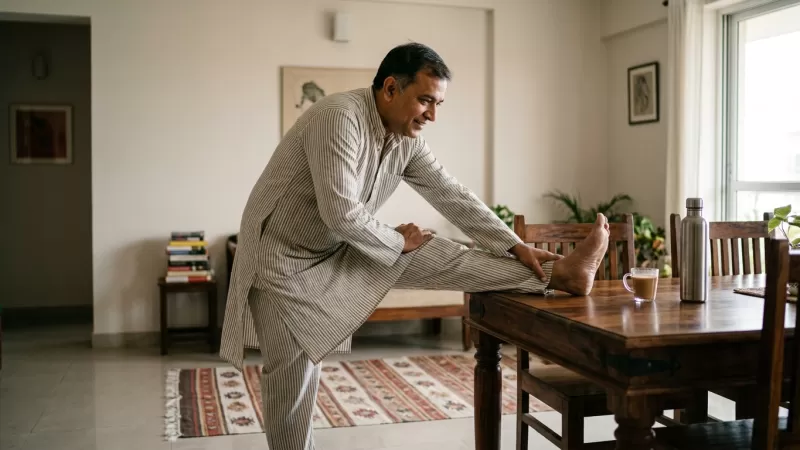
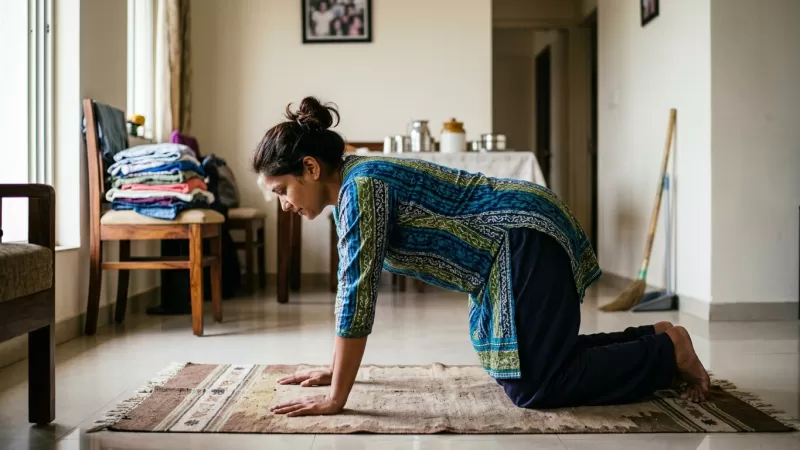
These movements are meant to be easy and comforting, not strenuous. You can do a few, or all, depending on how you’re feeling. Always move within your comfort zone—if something feels wrong, skip it.
- Neck Rolls: Sit or stand comfortably. Gently drop your ear towards your shoulder, then slowly roll your head forward and to the other side. Repeat 3–4 times. This is especially helpful if you’ve been looking at screens.
- Shoulder Circles: Lift your shoulders towards your ears and circle them back, then forward. Do this 5 times in each direction. You’ll often notice a soft release of tension.
- Wrist Rotations: Stretch your arms in front and gently rotate your wrists in both directions. This wakes up tired hands, particularly after writing or phone use.
- Ankle Rotations: While seated, lift one foot and gently circle your ankle. Switch sides. This helps if you’ve been sitting cross-legged or with legs down for long periods.
- Knee Lifts (Seated or Standing): Gently lift one knee towards your chest and lower it. Alternate sides for 8–10 reps. If standing, hold onto a chair for balance.
- Spinal Twists (Seated): Sit upright, place your right hand on your left knee and gently twist your upper body to the left. Hold for a breath, then switch sides.
- Side Stretches: Raise one arm overhead and gently lean to the opposite side, feeling a stretch along your side. Repeat on both sides.
That’s all it takes. Even just 5–10 minutes can help your body feel lighter.
How to Make Mobility a Gentle Habit
The tricky part is remembering to move, especially when the afternoon feels lazy and comfortable. It’s easy to ignore stiffness until it becomes too much. A few practical ways to make this easier:
- Link mobility movements with something you already do, like before evening tea or after a phone call.
- Keep a reminder on your fridge or near your TV remote—sometimes, a small nudge helps.
- If you live with family, invite them to join in. A short movement break can feel less awkward when done together.
Many people quietly do these movements while waiting for the pressure cooker whistle, during ad breaks on TV, or even after folding laundry. There’s no right or wrong time.
What matters is finding a rhythm that fits your life, not forcing yourself into someone else’s routine.
Listening to Your Body: Moving Without Overdoing It
Everyone has days when even gentle movement feels like a chore. Maybe you’re tired, had a late night, or just don’t feel up to it. That’s normal. On those days, it’s okay to skip or do only one or two movements.
If you ever feel sharp pain, dizziness, or discomfort, stop right away. Mobility is about kindness to your body, not pushing through pain.
Some people notice that their joints make small noises—clicks or pops—when they start moving after sitting a long time. Usually, this is harmless, as long as there’s no pain. But it’s always fine to slow down, rest, and return when you feel ready.
Adapting Movements for Different Ages and Needs
In Indian families, it’s common to have three generations under one roof. What works for a college student might not suit a grandparent. The nice thing about these gentle exercises is that they can be adjusted easily.
For seniors, or anyone with balance issues, seated movements are safest. Younger adults might prefer to do some stretches standing or even lying down. If you have knee pain, avoid deep bends—just focus on gentle rotations or upper body stretches.
Children can join in too, and often turn these movements into a bit of play. There’s no need to be too formal—what matters is that everyone feels comfortable and safe.
Staying Motivated on Slow Afternoons
Let’s be honest: on a sticky summer day or during a particularly draining workweek, even five minutes of movement can feel like a big ask. Many families quietly deal with this lack of motivation, waiting for a better time or more energy.
One trick is to start with just one movement—maybe a few shoulder circles while waiting for chai to brew. Most people find that, once they begin, it’s easier to keep going for a few more minutes.
It may also help to think of mobility as a form of self-care, like washing your face or tidying your bed. It’s a small thing, but it can lift your mood and help you get through the rest of the day with a bit more ease.
And sometimes, you’ll do only half of what you planned. That’s okay too.
Blending Movement Into Everyday Indian Routines
Mobility doesn’t have to feel separate from daily life. In fact, you can weave these movements into almost anything you do at home:
- Try wrist or ankle rolls while chatting on the phone.
- Do a gentle neck stretch after standing up from your afternoon nap.
- Practice seated twists during those long family WhatsApp calls.
- Use side stretches as a break between chopping vegetables or stirring dal.
You’ll probably notice that, over time, these small movements become almost automatic. The body gets used to being cared for, and stiffness doesn’t hang around as long.
No routine is perfect every day. But with a little patience, you might find your afternoons feel just a bit lighter and more comfortable.