Some days, just getting out of bed feels like a challenge. Maybe you’ve had a restless night, you’re recovering from an illness, or work stress has left you running on empty. Whatever the reason, forcing yourself to do a heavy workout or match those peppy YouTube trainers is not just hard — it can actually do more harm than good. In many Indian homes, people quietly push through exhaustion, thinking that rest means laziness. But the truth is, your body sometimes needs a gentle approach. On such days, there are ways to move your body lightly, without draining what little energy you have left.
Why Gentle Movement Matters on Low Energy Days
When you’re feeling weak, the idea of exercise might make you want to hide under the covers. But here’s the catch — lying still for hours can make your body even more sluggish and stiff. Gentle movement keeps your joints from getting tight and helps your mind feel less foggy. It’s not about burning calories or building muscle. It’s about helping your body reset, using the smallest effort possible.
Many elders in Indian families have a quiet routine of slow stretching, balcony walks, or even tending to plants on days when they feel drained. You don’t need fancy equipment or a gym subscription. Sometimes, small movements are enough to keep the body ticking over and lift your mood just a little.
Remember, these suggestions aren’t meant to replace proper rest if you’re ill or injured. If you’re truly unwell, it’s okay to do nothing at all. But if you’re just feeling unusually tired, gentle movement can be a safe middle path.
Listening to Your Body’s Signals
You've probably noticed that some days, even simple tasks like making chai or folding clothes feel like a marathon. That’s your body sending signals. It’s important to pay attention to these signs rather than brushing them aside. Many people think pushing through is a sign of strength, but sometimes, it’s wiser to pull back.
On low energy days, check in with yourself before moving. Ask: Is it just tiredness, or am I feeling sick? Is there any pain or dizziness? If you feel safe, gentle movement can be tried. If you feel truly unwell or unsteady, resting is the smarter choice.
Taking a few slow breaths and doing a body scan — noticing where you feel tense or heavy — can help you decide what kind of movement (if any) feels right that day.
Simple Stretches You Can Do Anywhere
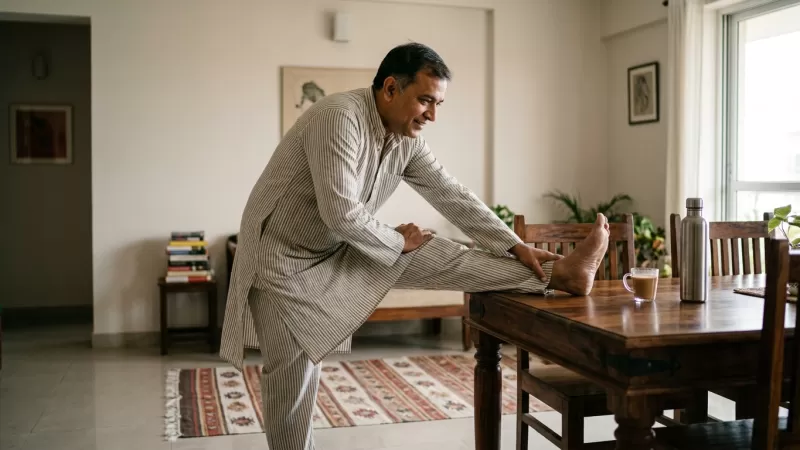
Stretching is one of the lightest ways to move your body without pressure. You don’t need to get on the floor or hold complicated poses. Most stretches can be done sitting or standing, in your room or even on the verandah.
- Neck Rolls: Gently roll your head in slow circles. This helps relieve tension, especially if you’ve been looking at screens a lot.
- Shoulder Shrugs: Lift your shoulders towards your ears and release. Do this a few times to ease stiffness.
- Hand and Wrist Circles: Rotate your wrists and fingers. Useful for anyone who does a lot of chopping, stirring, or typing.
- Seated Forward Bend: Sit on a chair, slowly lean forward and let your arms dangle towards your feet. This is a restful stretch for your back.
None of these stretches should hurt. If you feel any discomfort, stop and try something gentler.
Light Movement While Sitting or Lying Down
On the most tiring days, even standing for long can feel like too much. That’s perfectly normal. There’s no rule that says movement can only happen on your feet. In fact, many gentle exercises can be done while sitting or lying down.
- Ankle Rotations: While sitting or lying, slowly rotate your ankles. This helps improve blood flow, especially if you’ve been resting a lot.
- Gentle Knee Lifts: While sitting, slowly lift one knee at a time. You can even do this while watching TV or chatting with family.
- Deep Breathing with Arm Raises: Inhale slowly as you raise your arms overhead, exhale as you lower them. This can help relax your body and mind.
- Toe Wiggles: Sometimes, just moving your toes and feet can be enough to get things going.
These movements may seem too simple, but on very low energy days, they help keep your circulation going and prevent stiffness.
The Power of Slow Walking
Walking is a familiar activity in most Indian homes. Many people walk around the house during phone calls, or after dinner, especially seniors. On days when you feel completely wiped out, even a slow, ten-minute walk around the house or in the corridor can help.
There’s no need to aim for 10,000 steps. Just walking gently from one room to another, or pacing slowly on the balcony during the evening breeze, is enough. You might notice that after a few minutes, your body feels less stuck.
If you live with joint pain or weakness, holding on to a sturdy chair or walking near a wall can provide extra support. The main thing is to keep it slow and easy, without any rush.
Household Movements That Count
Not every form of movement has to look like ‘exercise.’ In Indian homes, daily chores themselves involve gentle movement. On a low energy day, you can pick the lightest ones:
- Folding laundry while sitting on the bed
- Watering indoor plants, one small pot at a time
- Sweeping a small area with slow, careful movements
- Arranging utensils or wiping a table
All these count as activity. The key is to move mindfully and not overdo. If you start to feel tired, it’s okay to pause.
Some find that music or listening to the radio helps make these small tasks feel less of a chore and more of a gentle routine.
Gentle Yoga and Mindful Movement
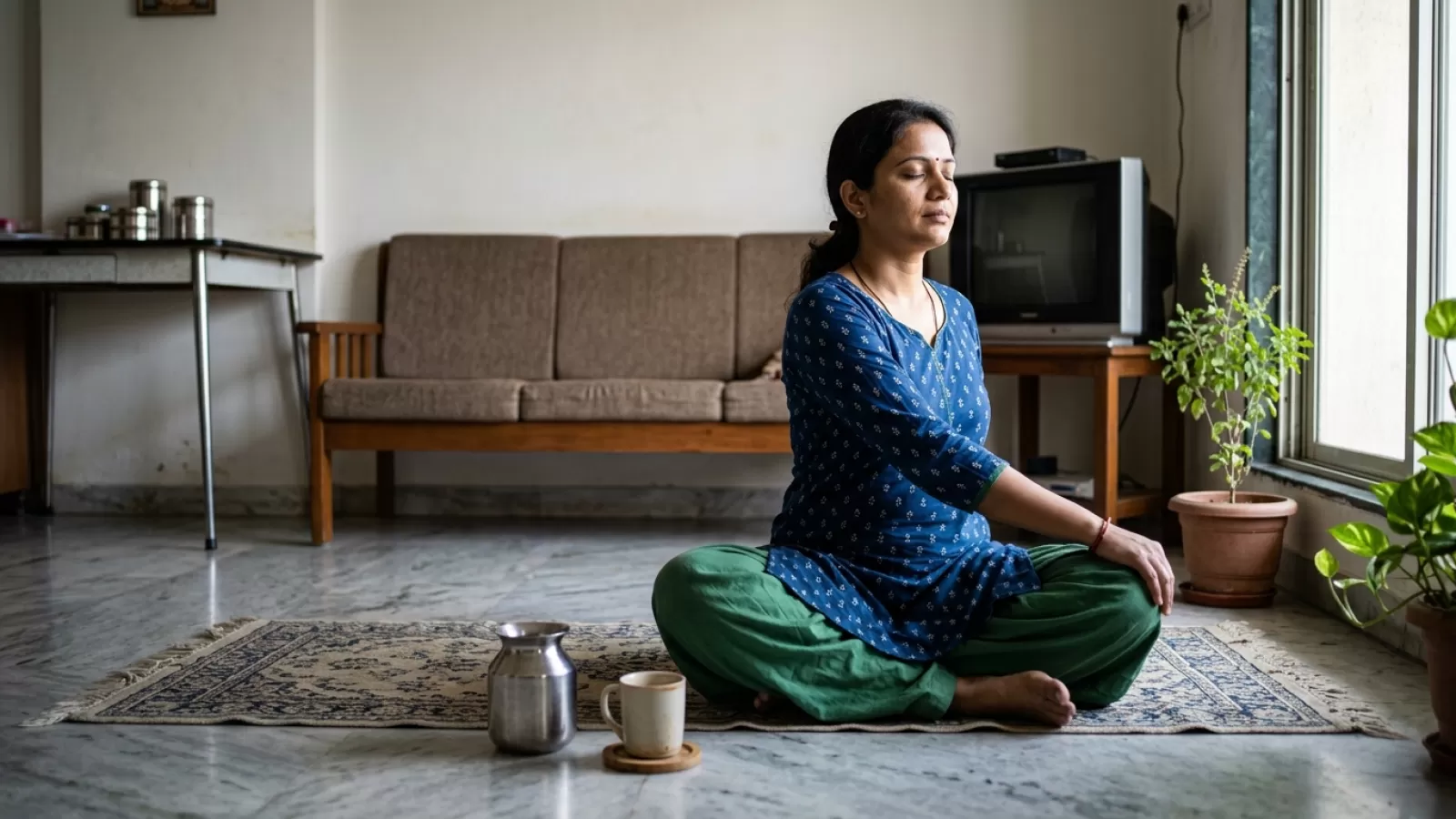
Yoga is often associated with tough poses and strong stretches, but gentle yoga can be as simple as slow, mindful breathing and small movements. Many Indian families have a tradition of doing ‘pranayama’ (breath exercises) or mild ‘sukshma vyayam’ in the morning or evening.
Some easy options include:
- Child’s Pose: Kneel and fold forward, stretching your arms ahead. It’s a restful posture – not a workout.
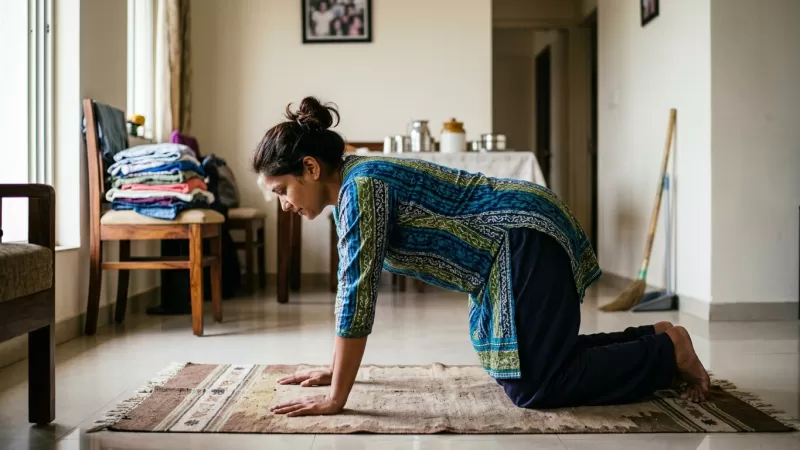
- Cat-Cow Movement: Get on your hands and knees (if you’re able), gently arch and round your back. Even a few repetitions can help ease stiffness.
- Seated Side Stretches: Sitting on the floor or a chair, reach one arm overhead and lean gently to the side.
Try to focus on your breath and notice how your body feels. If any movement feels too much, it’s fine to skip it. The goal is comfort, not achievement.
When to Rest Instead
Some days, even the lightest movement feels impossible. Maybe you have a fever, severe body ache, or just a sense that your body needs full rest. On such days, it’s better to listen to your body and save movement for when you feel a bit stronger.
It’s not laziness or weakness to rest. Many people, especially homemakers and elders, feel guilty for taking a break. But real rest helps your body recover, especially after sleepless nights, emotional stress, or illness.
If you’re ever unsure, it’s always safer to choose rest over forcing yourself. You can always try gentle movement another day when your energy returns.
Making Peace with Low Energy Days
Everyone faces days when energy just disappears, especially in busy homes where demands never stop. Instead of seeing these days as failures, try to accept them as a normal part of life. Your body isn’t a machine. Some days it needs a bit more care and patience.
You don’t have to prove anything to anyone. Moving gently, or not at all, is sometimes the wisest thing you can do. Over time, you’ll find a rhythm that suits you and your family’s routine — whether it’s a few stretches before breakfast, a slow walk at dusk, or simply folding clothes with the ceiling fan humming above.
That’s often enough.